

Barishal Amra / Hog Plum
A peak-season harvest that turns Barishal into a trail of colour, fragrance and flavour.
Chase the harvest to Barishal and taste Barishal Amra / Hog Plum where it grows.
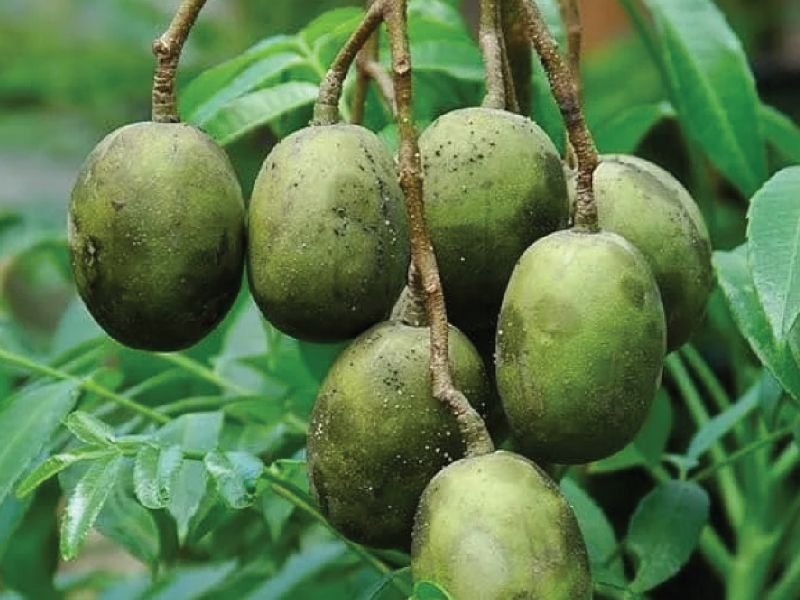
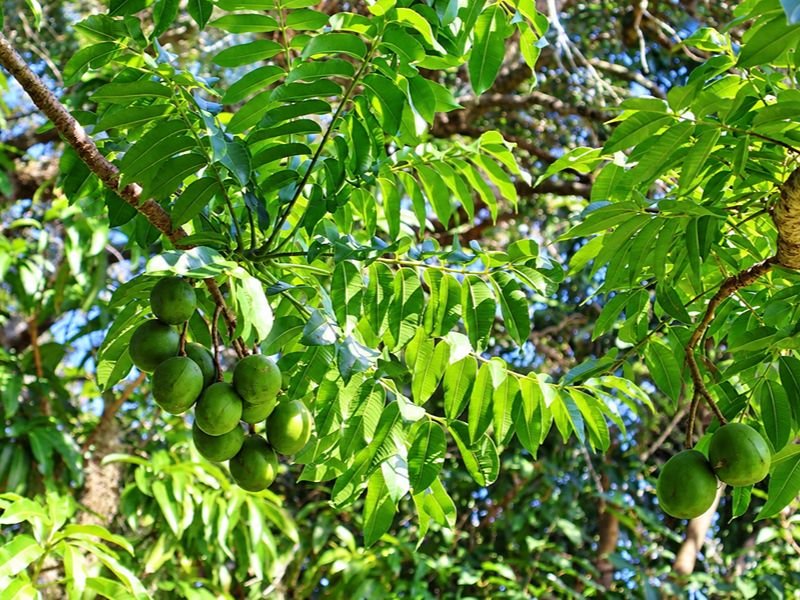
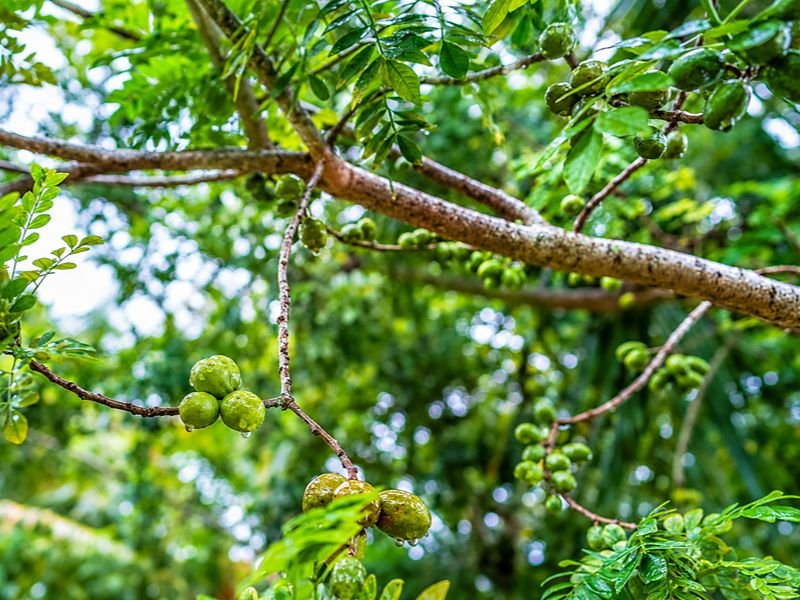
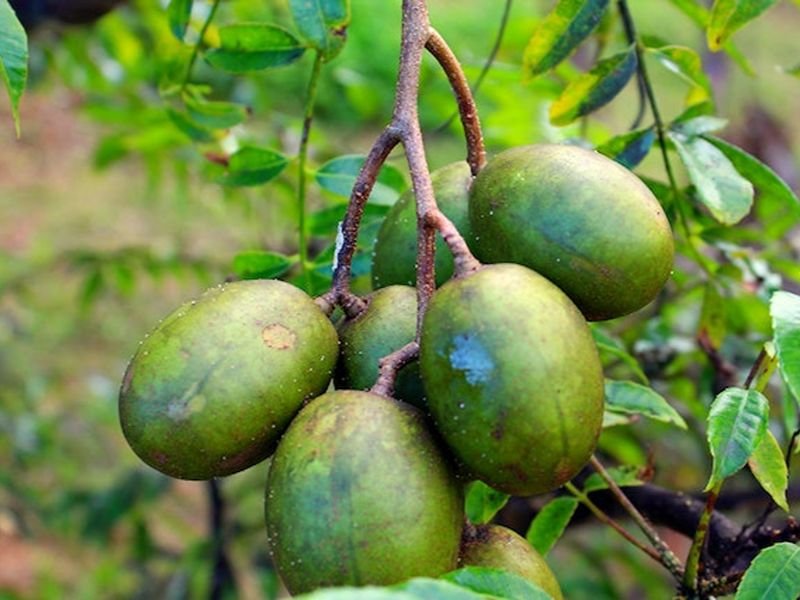
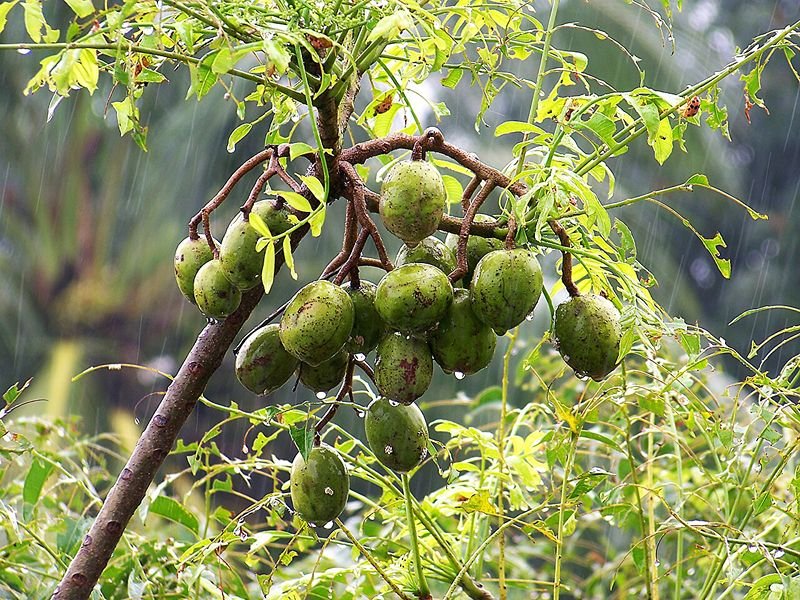
The southern district of Barishal is heavily defined by its wide rivers and countless canals. This constant flow of water creates a highly fertile environment for local farming. Among the many crops grown in this damp, tropical region, the Barishal Amra, commonly known as the hog plum, holds a very practical and popular place. While this fruit grows in various parts of South Asia, the Barishal variety is widely recognized for its consistent quality. Local farmers have cultivated it along the riverbanks for decades. The rich soil, constantly renewed by river water, gives the fruit its distinct size and crisp texture. It is very easy to identify a fresh Barishal Amra. The fruit is notably larger and more oval-shaped than standard hog plums found elsewhere.
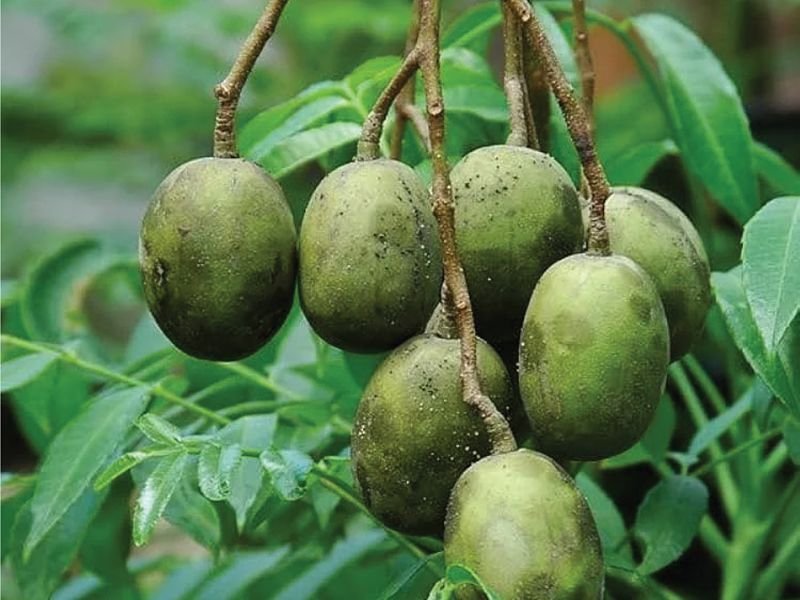
The outer skin is smooth, firm, and bright green, slowly taking on a mild yellowish tint as it reaches full ripeness. Inside, the pale flesh is dense and surrounds a fibrous, woody seed. The trees grow rapidly in the coastal climate, producing abundant harvests by the end of the monsoon season. During this time, growers bring their daily pickings to the region's famous floating markets. Small wooden boats piled high with the bright green fruit create a lively trading scene that is very common in the area. The flavor of the Barishal Amra is a pleasant balance of sour and sweet. When eaten raw, the fruit has a satisfying crunch and a sharp, refreshing tartness.
It is a highly popular street food across the country. Vendors typically peel and slice the fresh fruit, mixing it with a pinch of salt, chili powder, and a little mustard oil to create a quick, savory snack. In regional kitchens, the fruit is just as useful. When cooked, the firm flesh softens easily. It is frequently boiled down with sugar and local spices to make thick, sweet chutneys or preserved in mustard oil for traditional pickles. The natural acidity of the fruit also makes it a great addition to light summer soups and lentil dishes.
Immersive Experience
No 360° Videos available
Destination Gallery
Sundarban Honey
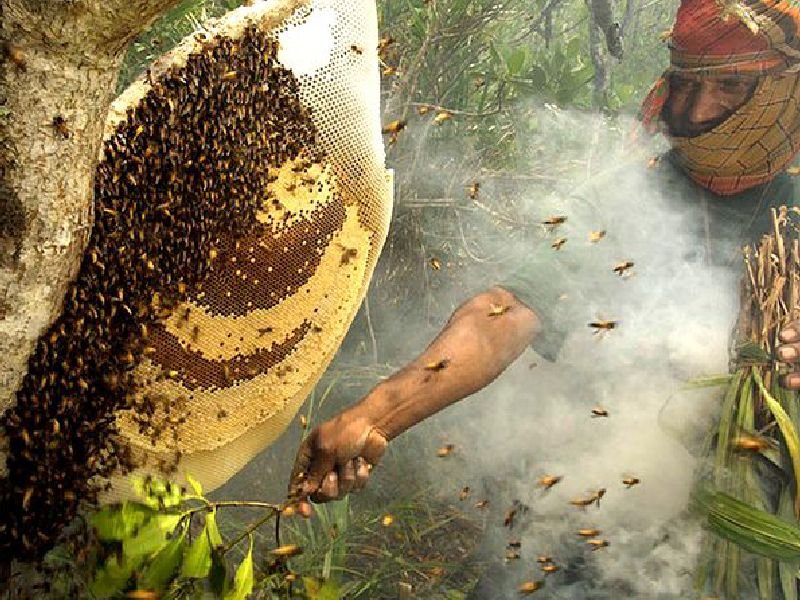
A wild forest harvest gathered under the tides and strict rhythms of the Sundarbans.
Explore More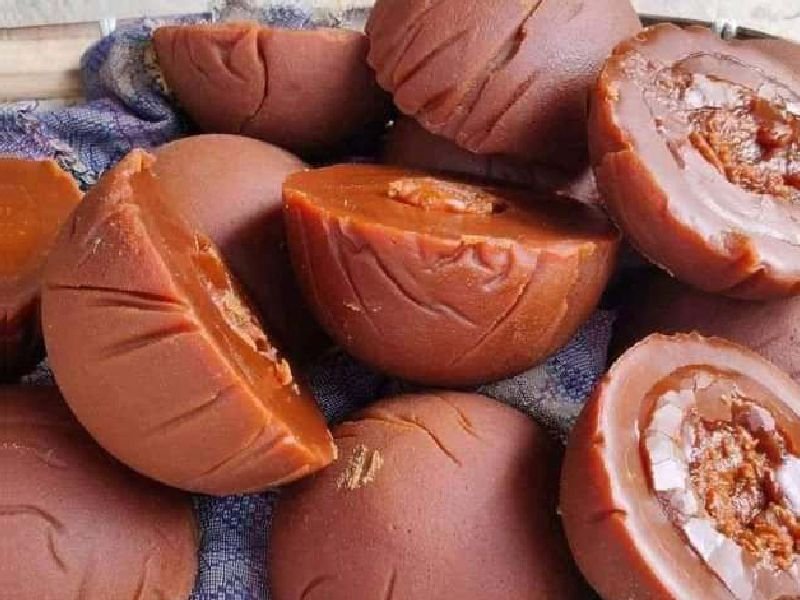
Jashore Date Molasses / Khejurer Gur
A celebrated local taste shaped by skilled makers and the food culture of Jashore.
Explore More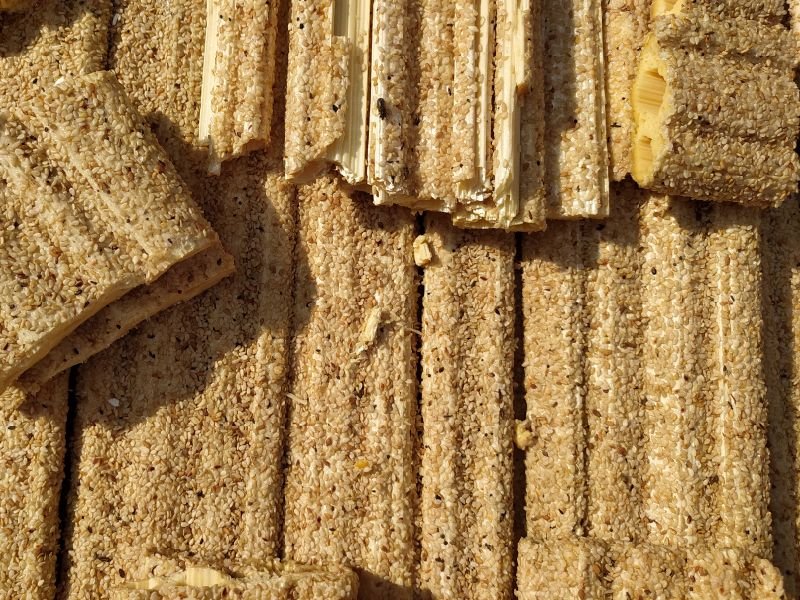
Kushtia Tiler Khaja
A celebrated local taste shaped by skilled makers and the food culture of Kushtia.
Explore More
Kumarkhali Bedsheet
Handmade heritage, patient skill and a living design tradition from Kushtia.
Explore More
Meherpur Sabitri Sweet
A recognised regional treasure shaped by the people and landscape of Meherpur.
Explore More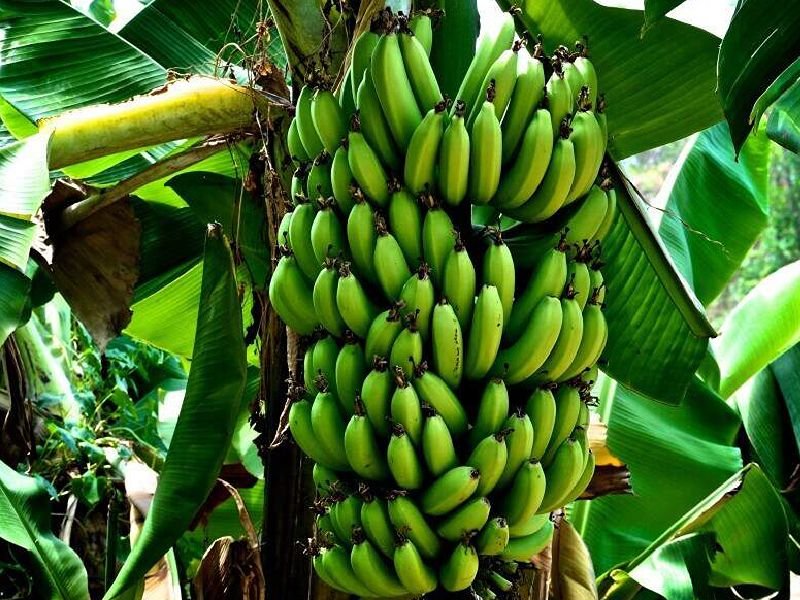
Meherpur Meher Sagar Banana
A peak-season harvest that turns Meherpur into a trail of colour, fragrance and flavour.
Explore More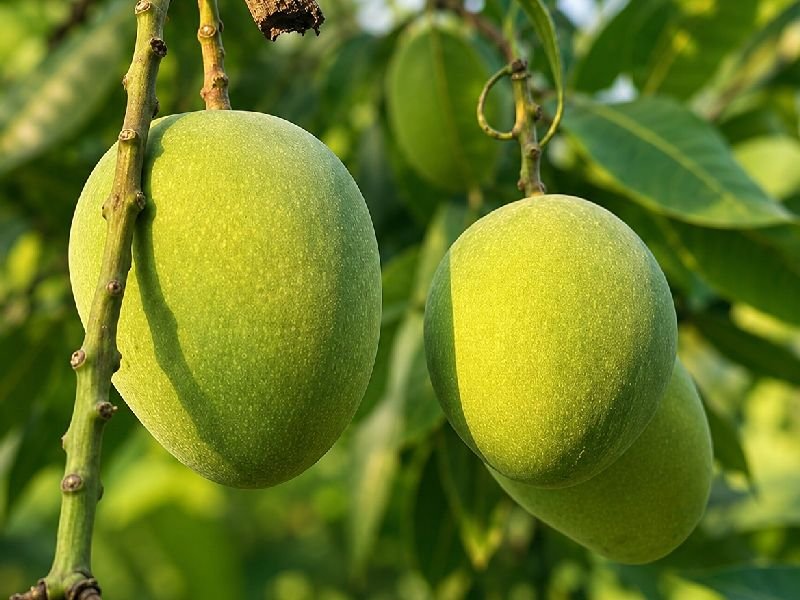
Meherpur Himsagar Mango
A peak-season harvest that turns Meherpur into a trail of colour, fragrance and flavour.
Explore More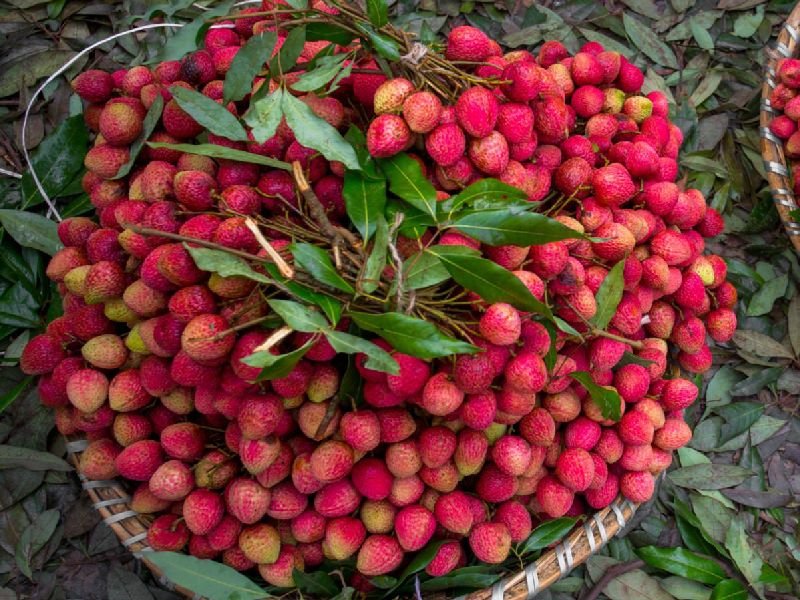
Magura Hazrapuri Litchi
A peak-season harvest that turns Magura into a trail of colour, fragrance and flavour.
Explore More