

Kushtia Tiler Khaja
A celebrated local taste shaped by skilled makers and the food culture of Kushtia.
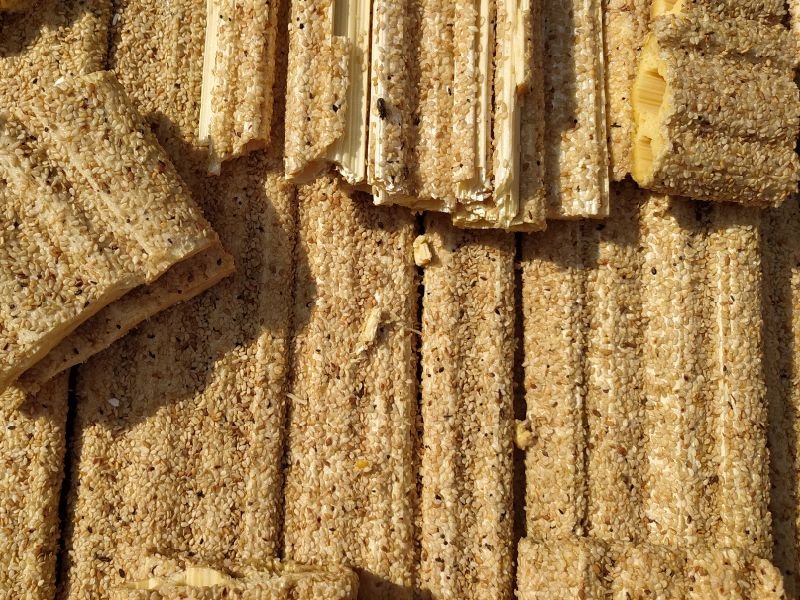
Go straight to the source in Kushtia and taste Kushtia Tiler Khaja fresh.
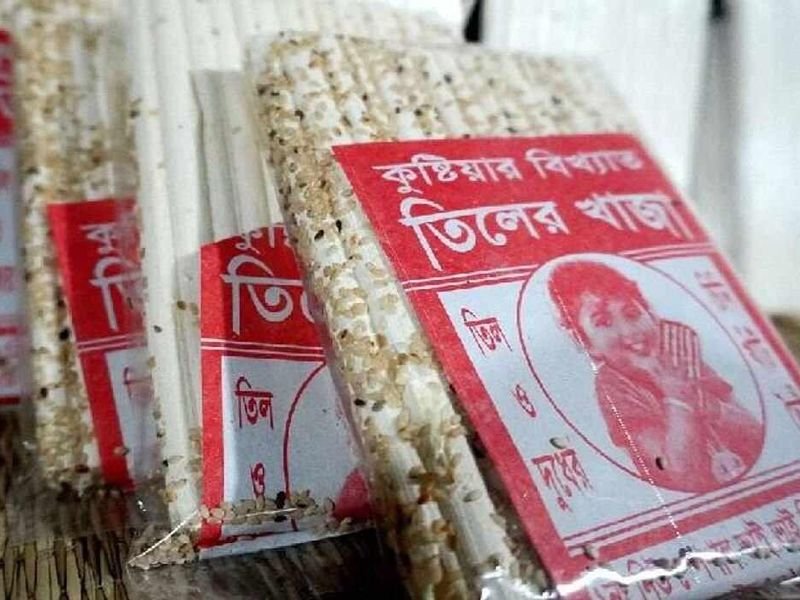
In the cultural heartland of western Bangladesh, the district of Kushtia holds a sweet legacy that is intrinsically tied to its local heritage. The region is universally renowned for its signature confection known as Tiler Khaja. While the area is famous for its rich history of folk music and philosophy, this humble sesame seed candy has quietly served as a culinary ambassador for over a century and a half. The history of this beloved treat traces back to the British era, originally crafted by dedicated artisan families within the local community. Through generations, the meticulous art of making this sweet has been preserved entirely by hand. Today, it remains a wonderfully nostalgic staple, frequently found in rural markets, bustling transport hubs, and festive cultural fairs across the country, completely untouched by mass industrialization.
Visually, Tiler Khaja presents itself as a beautifully simple, rustic confection. It is traditionally shaped into flattened, slightly oblong bars that carry a pale, ivory-white hue. Every single piece is generously coated with a thick layer of lightly roasted, peeled sesame seeds. The ingredient list is incredibly modest, relying primarily on pure sugar, fresh milk, and premium quality sesame seeds, occasionally enhanced with a subtle hint of cardamom for aroma. It completely rejects modern synthetic additives, artificial thickeners, or chemical colors. The enduring magic of this confectionery does not lie in an elaborate list of components, but rather in the highly physical and skillful technique required to transform these basic, everyday elements into a perfectly textured masterpiece.
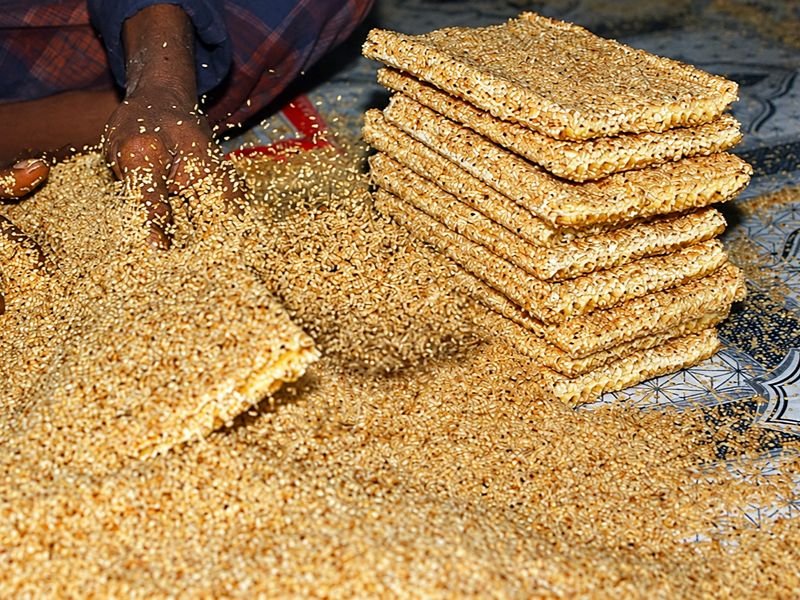
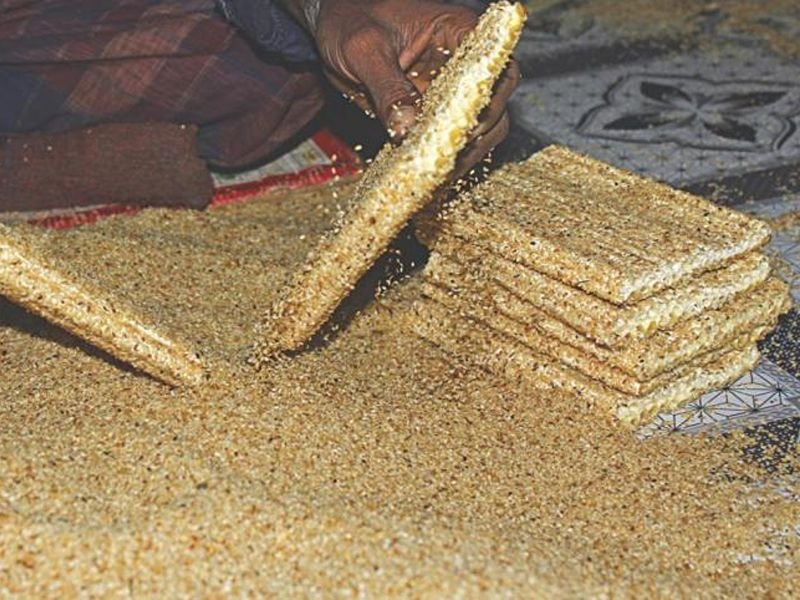
The production process of this famous candy is a fascinating display of traditional craftsmanship that demands immense physical stamina. It begins by slowly boiling sugar and milk over an open fire until the mixture reduces into a thick, sticky golden syrup. Once slightly cooled, this warm sugar base is hooked onto a sturdy wooden frame. Artisans then perform a rigorous, rhythmic process of manually pulling, folding, and stretching the mixture. This continuous pulling motion expertly introduces air into the hot sugar, shifting its color from dark amber to brilliant white while creating microscopic hollow pockets within the candy's core.
Immersive Experience
No 360° Videos available
Destination Gallery
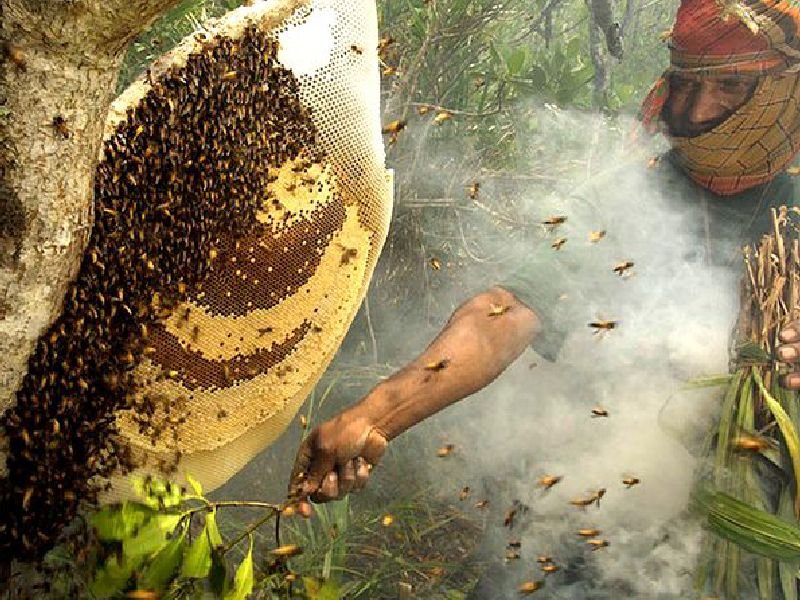
Sundarban Honey
A wild forest harvest gathered under the tides and strict rhythms of the Sundarbans.
Explore More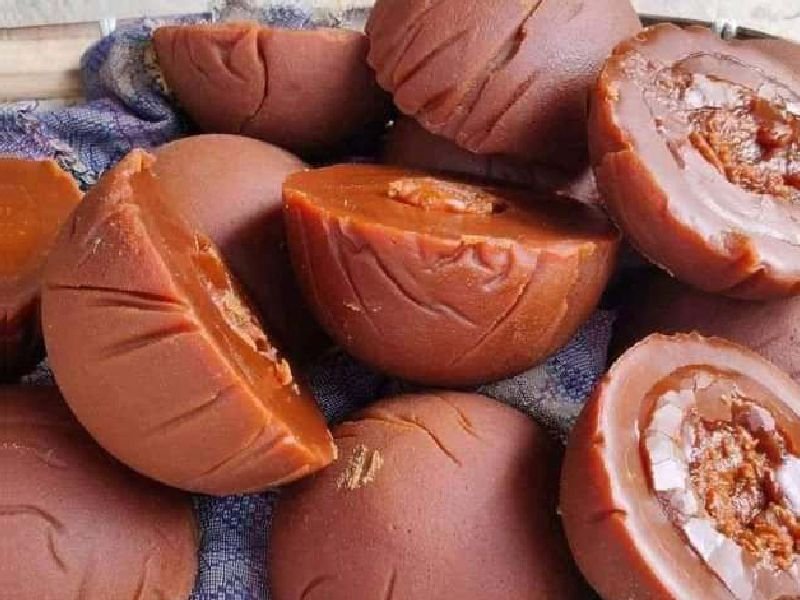
Jashore Date Molasses / Khejurer Gur
A celebrated local taste shaped by skilled makers and the food culture of Jashore.
Explore More
Kumarkhali Bedsheet
Handmade heritage, patient skill and a living design tradition from Kushtia.
Explore More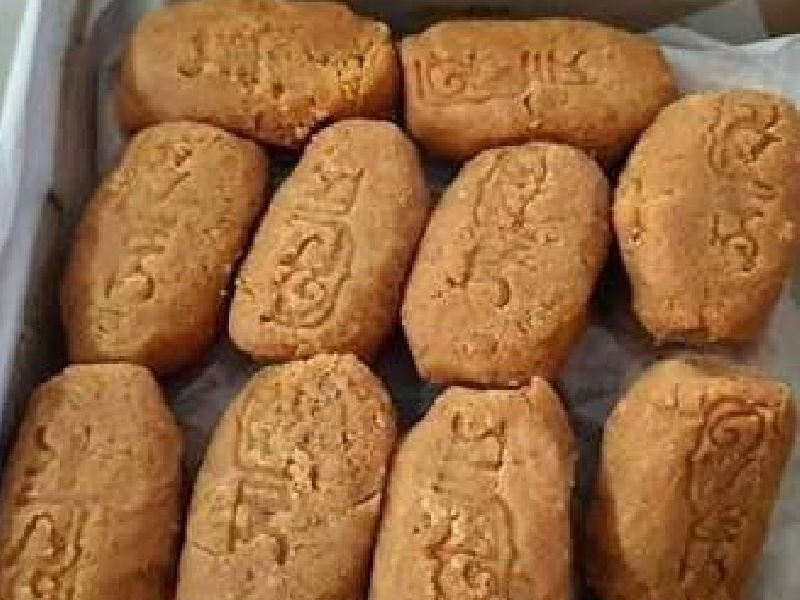
Meherpur Sabitri Sweet
A recognised regional treasure shaped by the people and landscape of Meherpur.
Explore More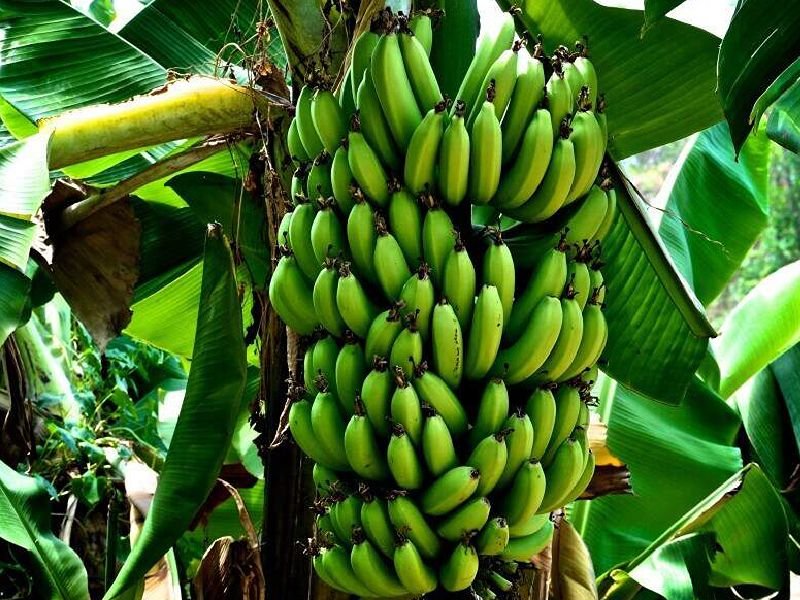
Meherpur Meher Sagar Banana
A peak-season harvest that turns Meherpur into a trail of colour, fragrance and flavour.
Explore More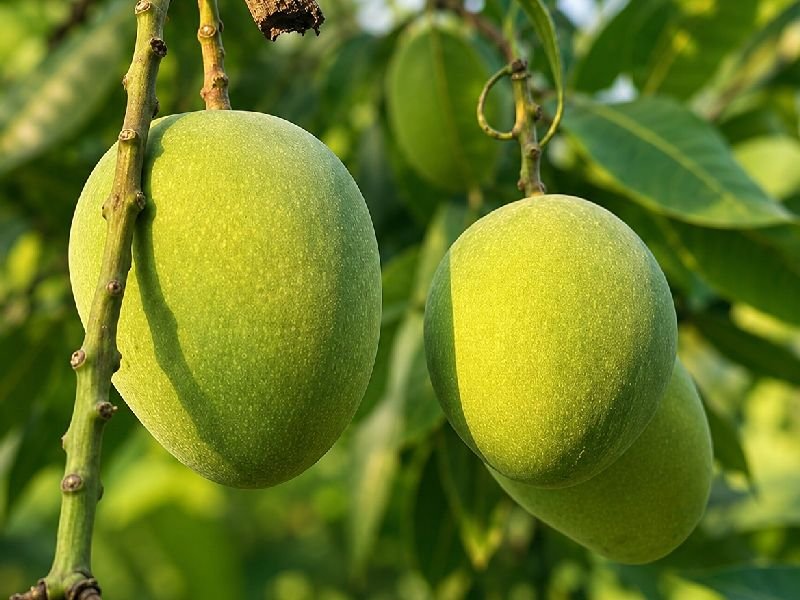
Meherpur Himsagar Mango
A peak-season harvest that turns Meherpur into a trail of colour, fragrance and flavour.
Explore More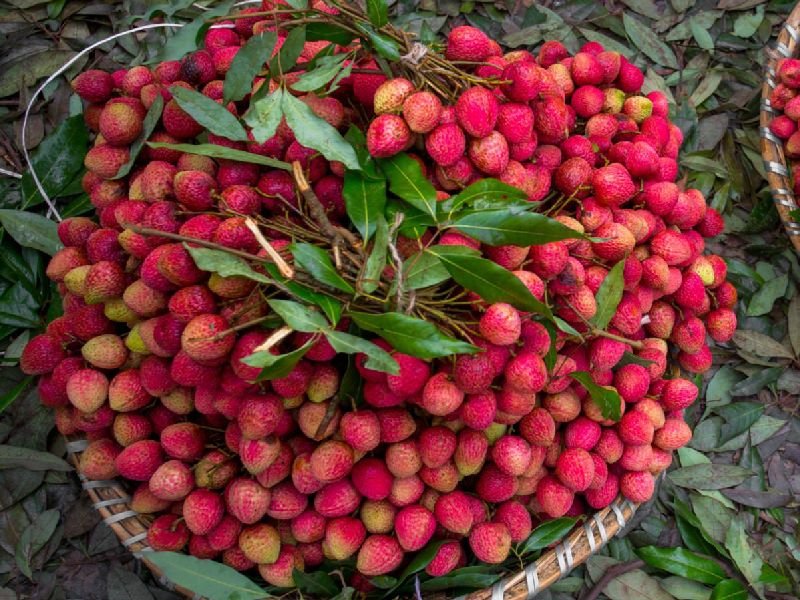
Magura Hazrapuri Litchi
A peak-season harvest that turns Magura into a trail of colour, fragrance and flavour.
Explore More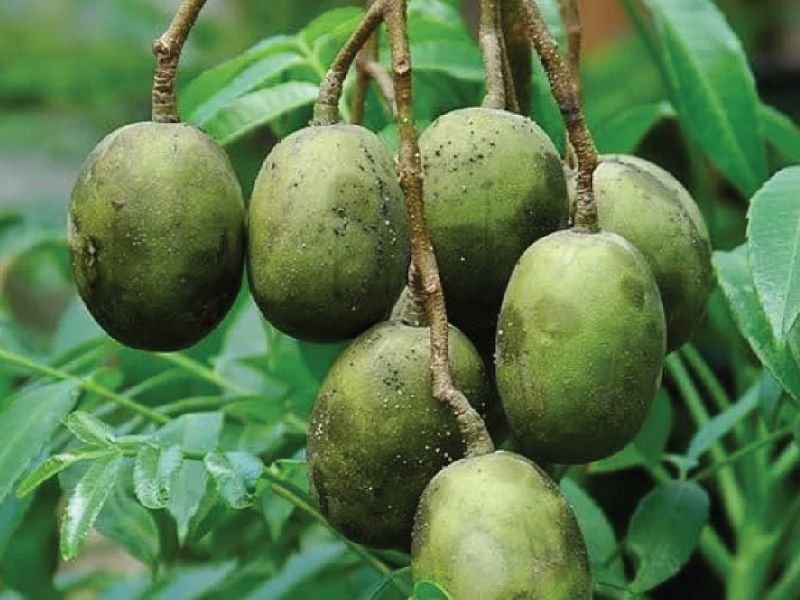
Barishal Amra / Hog Plum
A peak-season harvest that turns Barishal into a trail of colour, fragrance and flavour.
Explore More