
Shital Pati
The cool woven mats of greater Sylhet
Coolness Woven from Murta. A Wetland Craft of Grace and Precision.
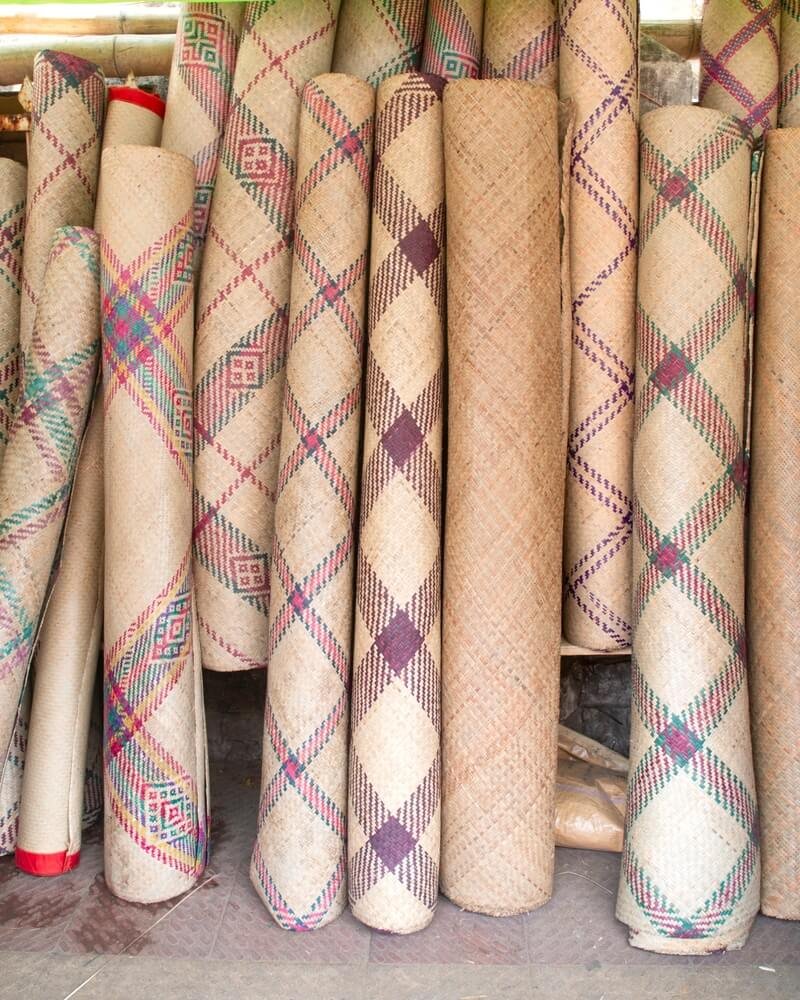
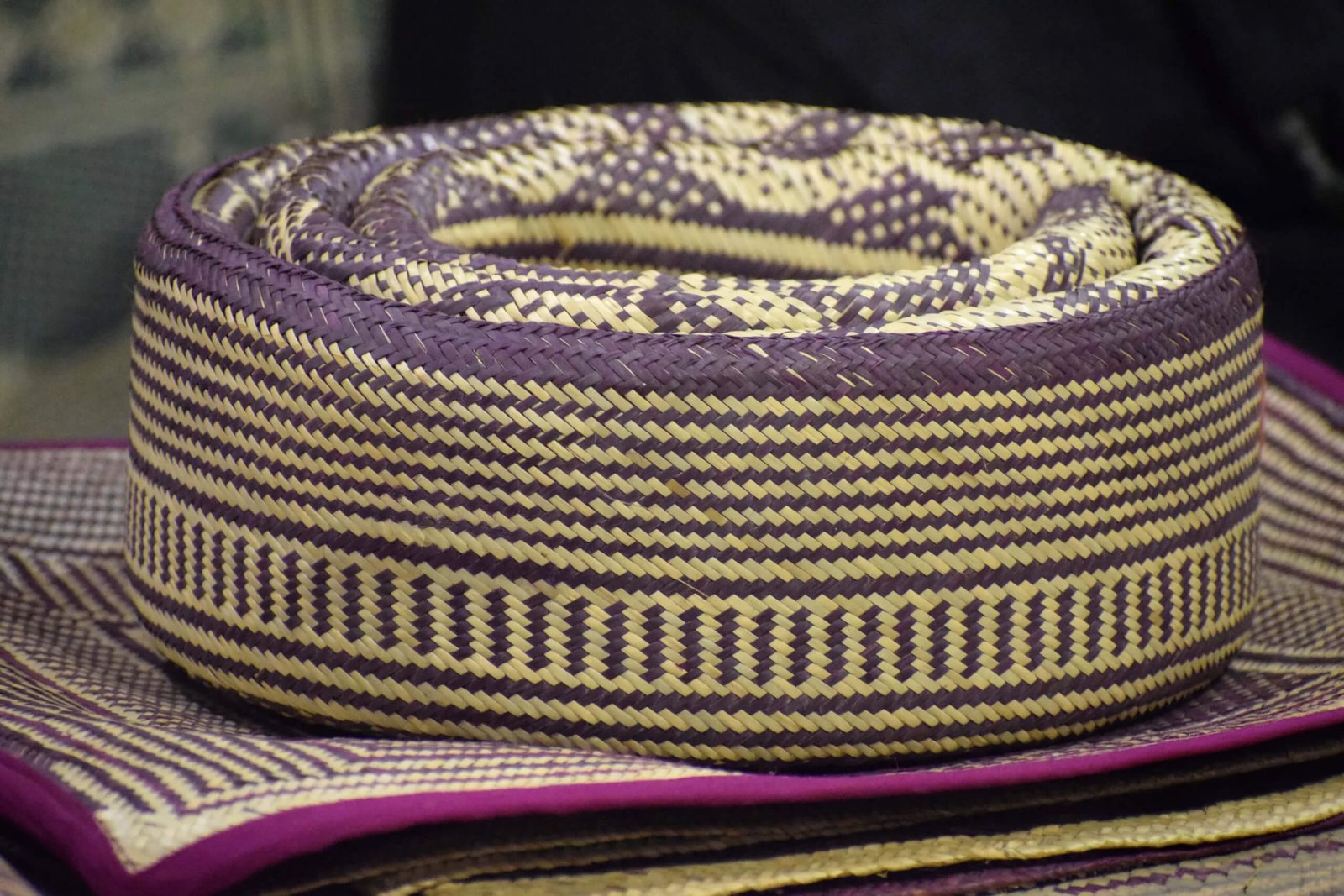
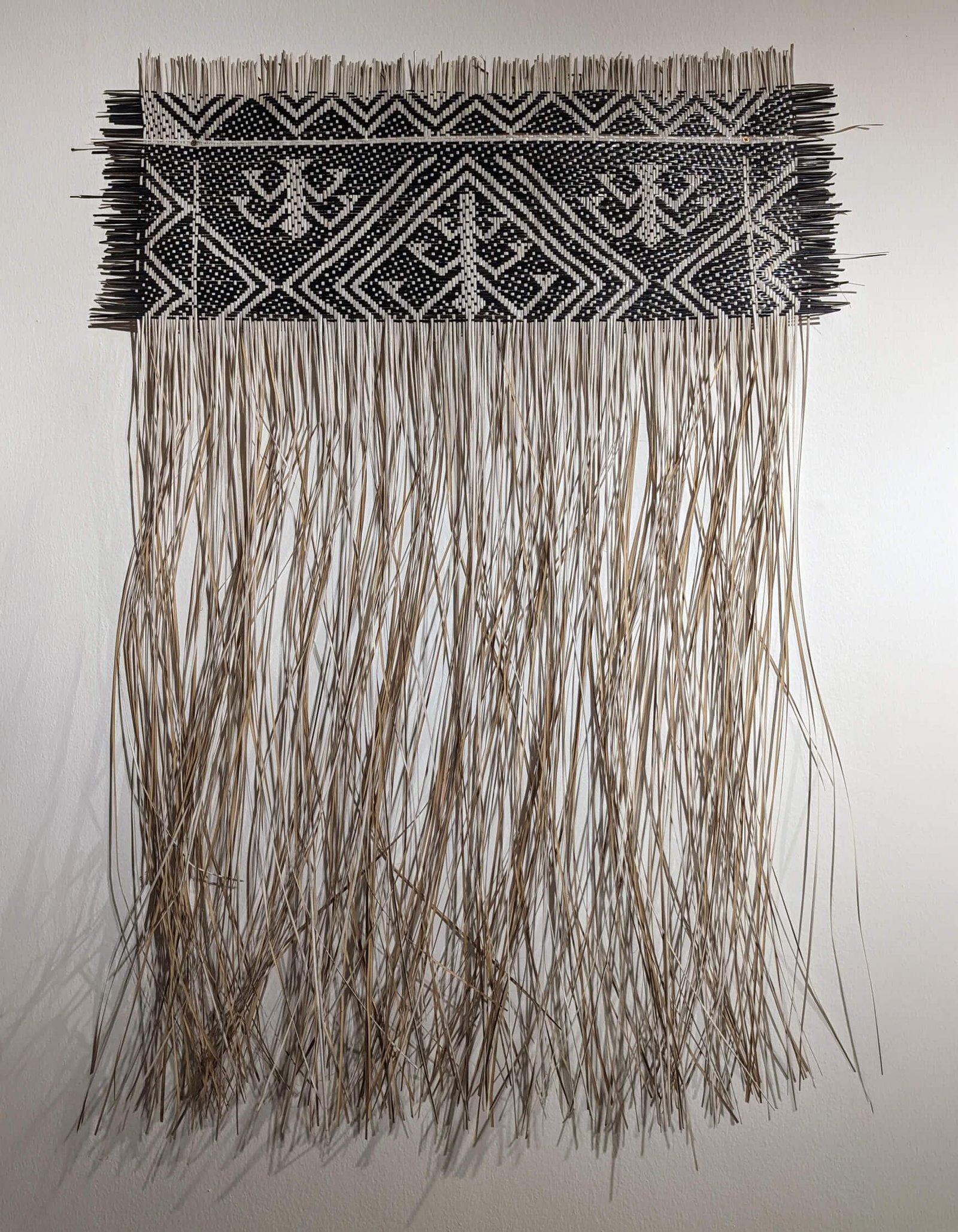
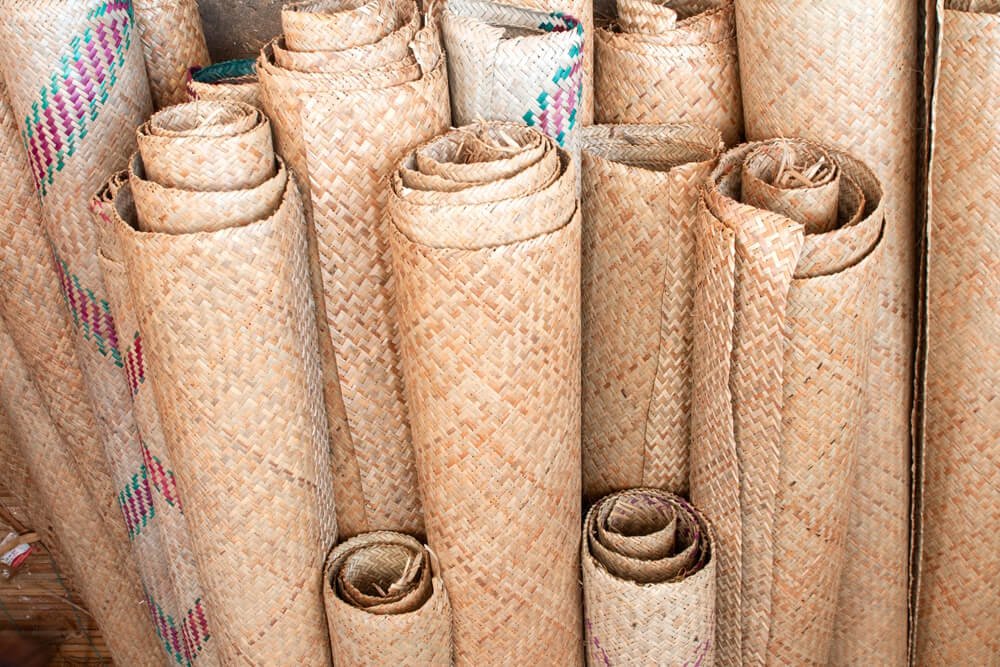
Shital Pati represents one of Bangladesh's most distinctive mat-weaving traditions. Artisans create the smooth, cool mats from strips of a green wetland plant known as murta.
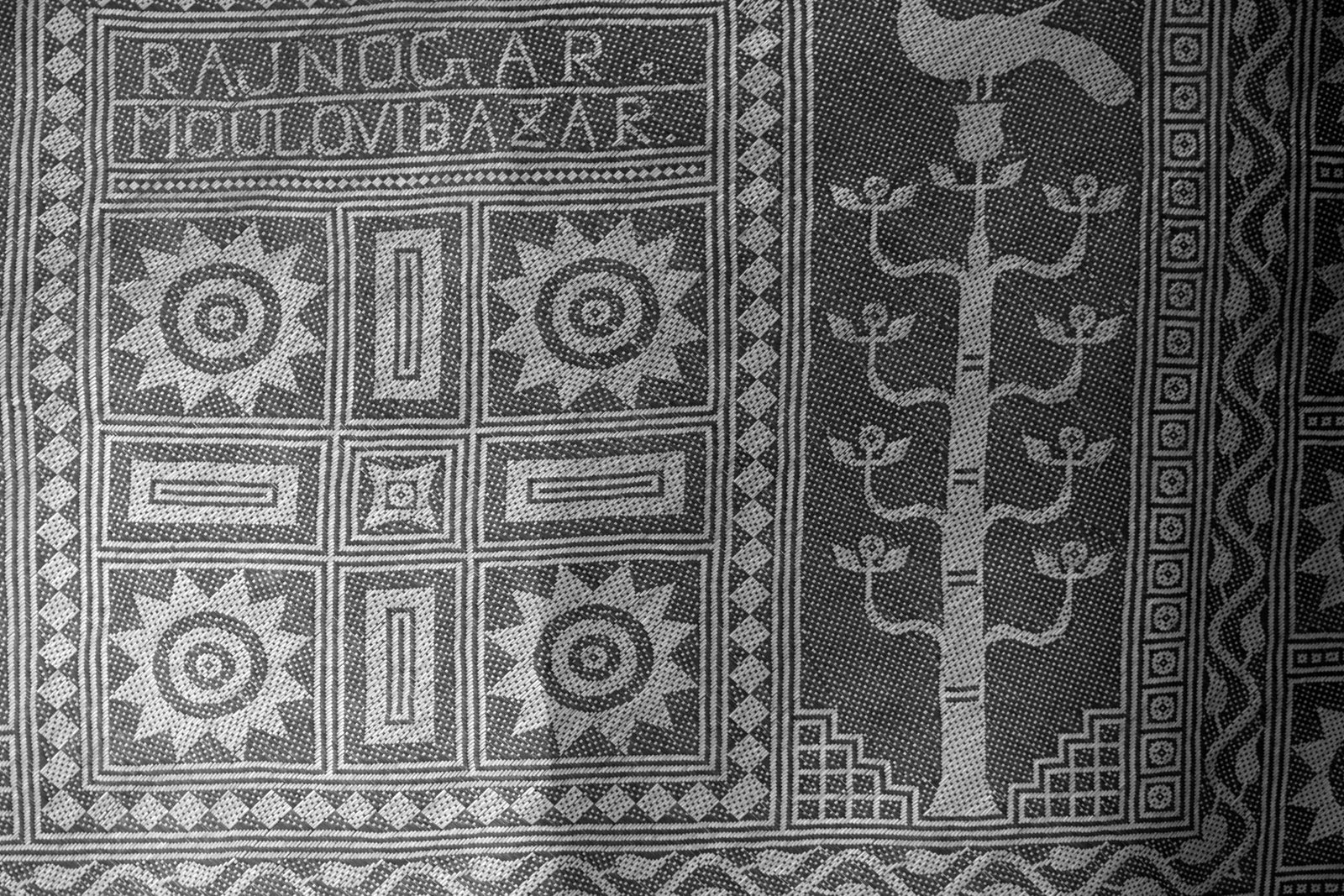
The main weaving communities live in the low-lying areas of greater Sylhet, although artisans also produce Shital Pati in other parts of Bangladesh. The craft has strong associations with communities in areas such as Balaganj, Beanibazar, and parts of Moulvibazar.
Families divide the work across several stages. Men and women both take part in collecting and processing murta, while women generally perform more of the weaving.
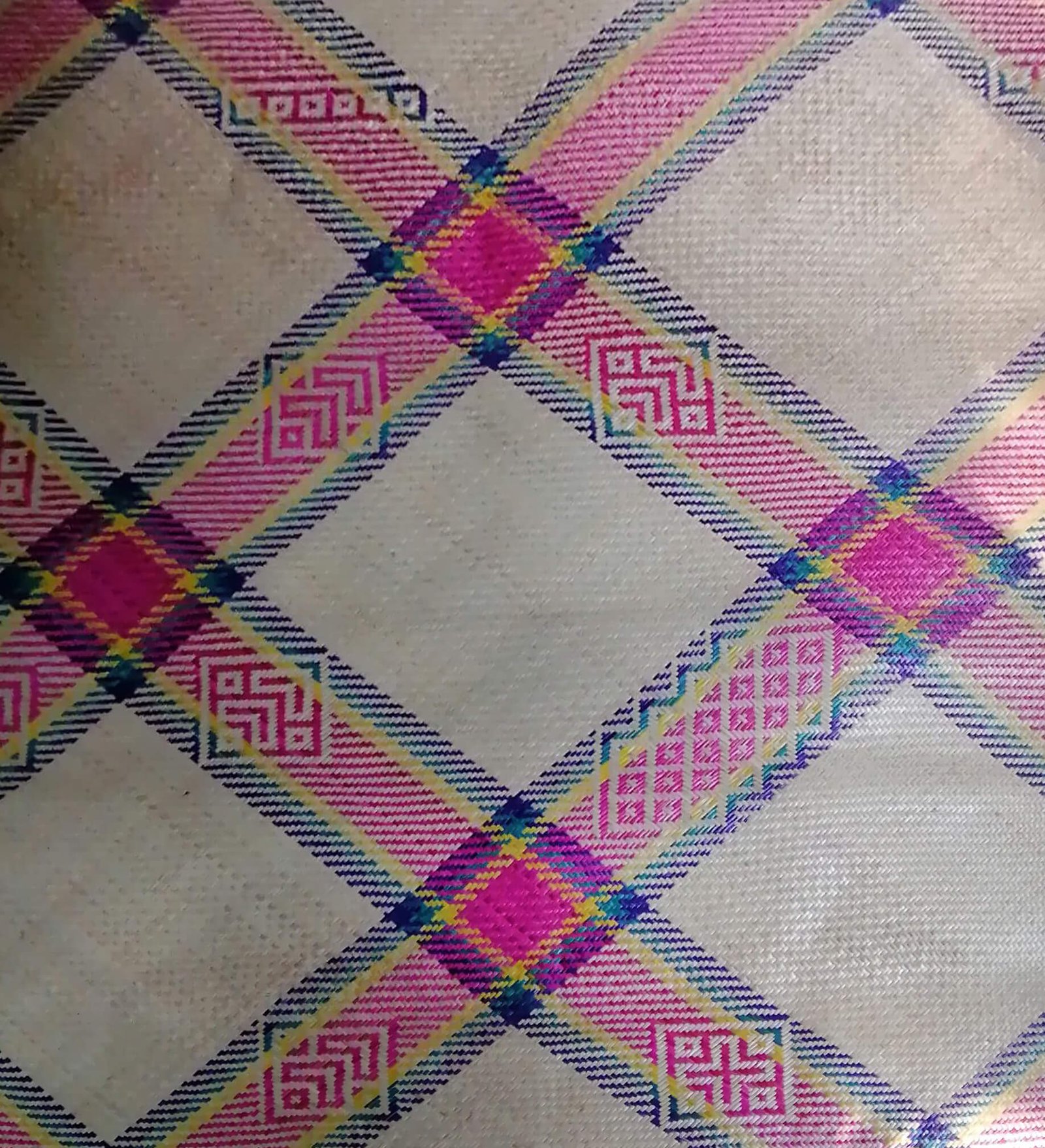
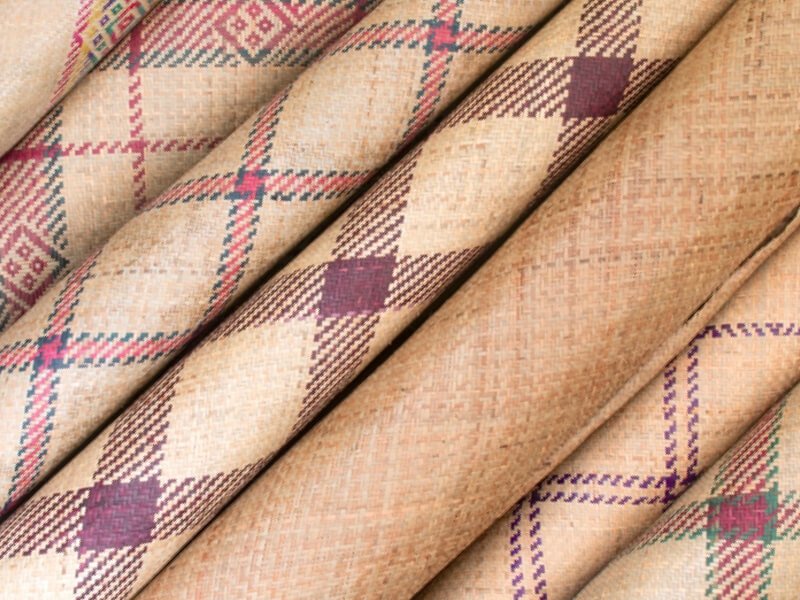
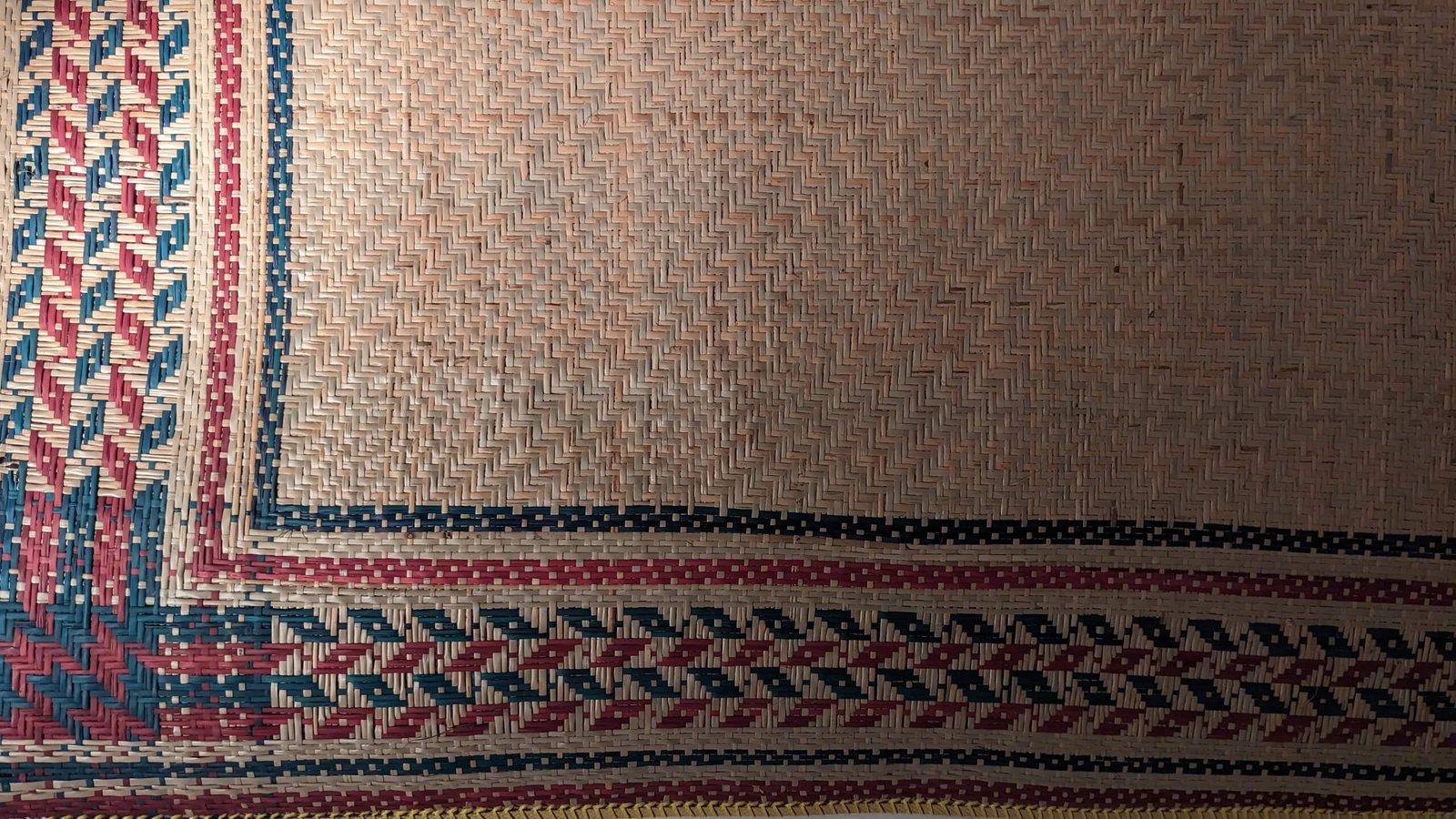
Artisans carefully split the plant into fine strips and prepare them for weaving. Skilled makers create smooth mats with precisely arranged surfaces and may incorporate colored strips, geometric forms, floral motifs, or other decorative patterns.
People across Bangladesh have traditionally used Shital Pati as a sitting mat, bed covering, prayer mat, and household furnishing. The smooth plant surface feels comfortable in hot weather, which helps explain the name and enduring popularity of the craft.
UNESCO inscribed the Traditional Art of Shital Pati Weaving of Sylhet on the Representative List of the Intangible Cultural Heritage of Humanity in 2017. UNESCO recognizes the craft not only for its technique but also for its role in family life, identity, livelihoods, and intergenerational knowledge.
Bangladesh's current Geographical Indication register also includes Shital Pati.
The tradition now faces challenges from changing consumer habits, floods, access to raw materials, and limited market opportunities. Even so, active weaving communities continue to preserve this remarkable relationship between wetland ecology and household craftsmanship.
Immersive Experience
No 360° Videos available
Destination Gallery