CHT Bamboo Crafts
Indigenous craftsmanship shaped by the southeastern hills
Nature Shaped for Daily Life. Bamboo Craftsmanship of the Hill Tracts.
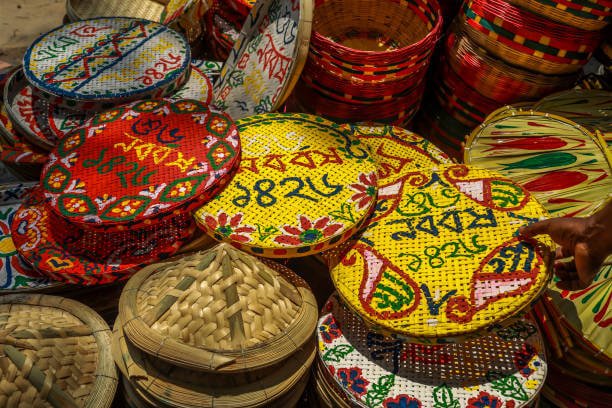
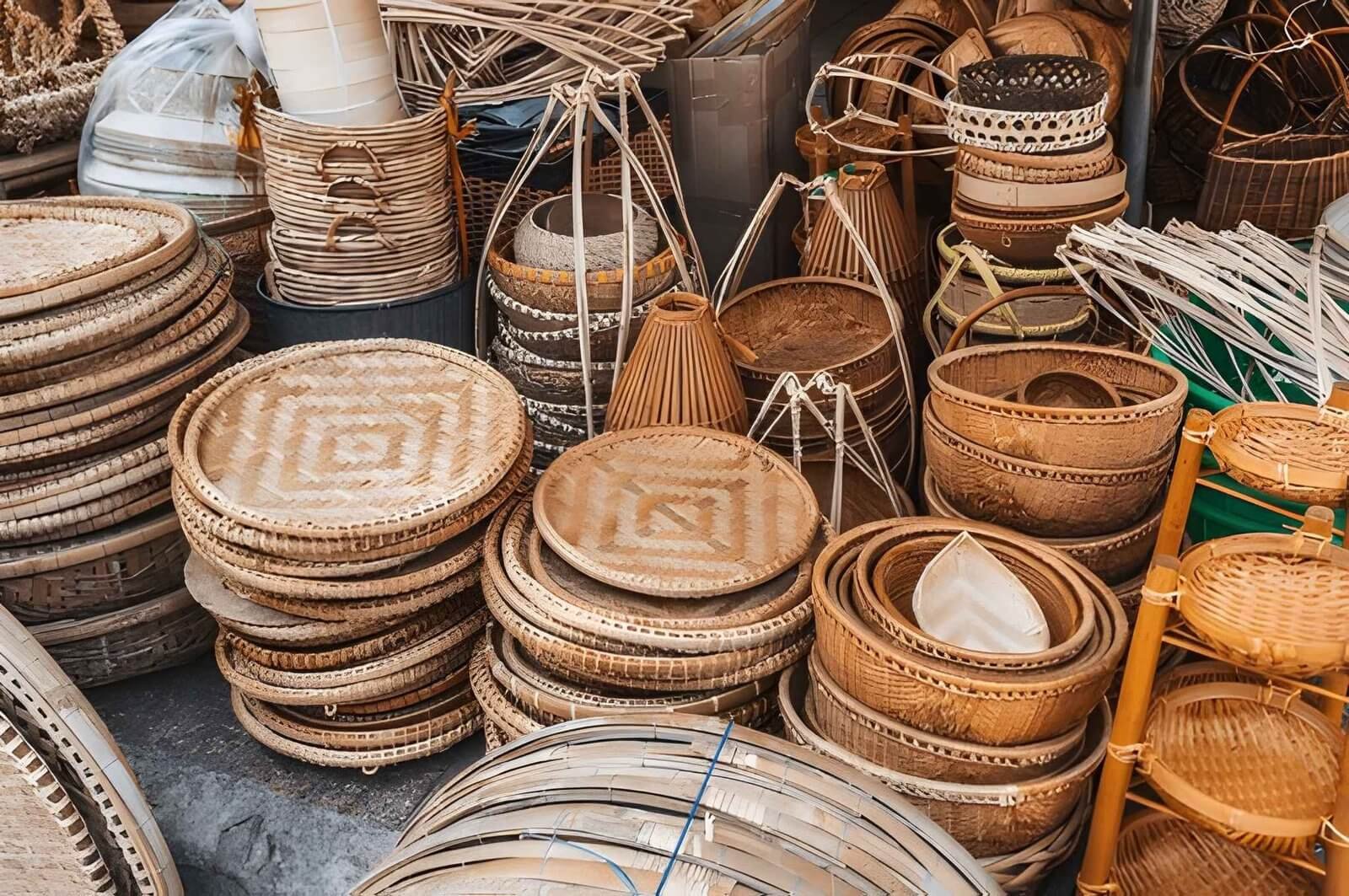
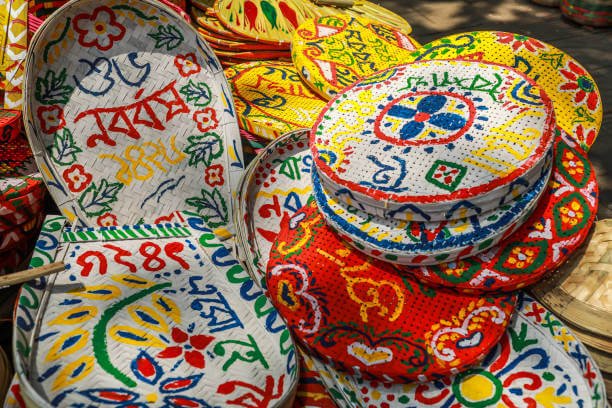
Bamboo plays an essential role in the material culture of many Indigenous communities across the Chattogram Hill Tracts. Artisans use it for architecture, agriculture, household storage, fishing, music, furniture, tools, and decorative craft.
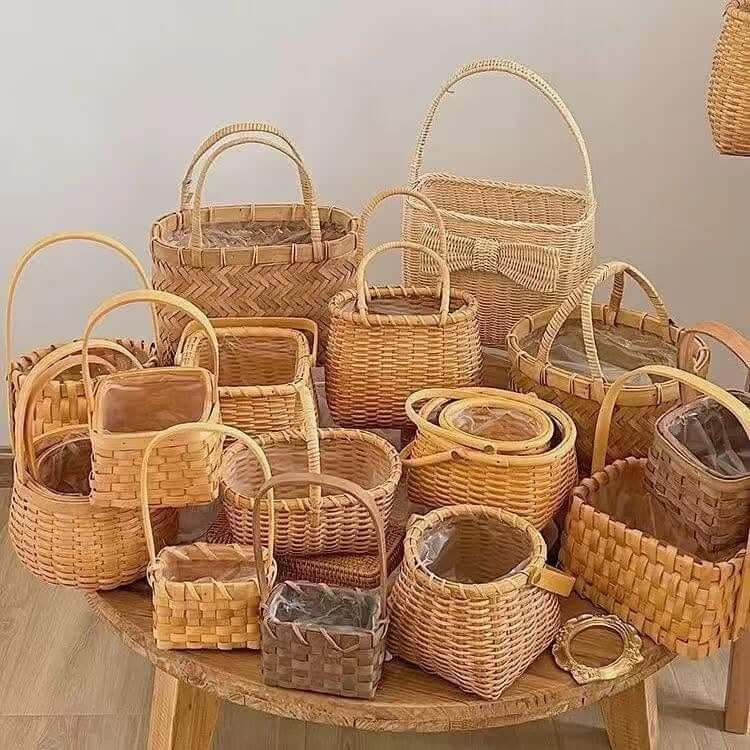
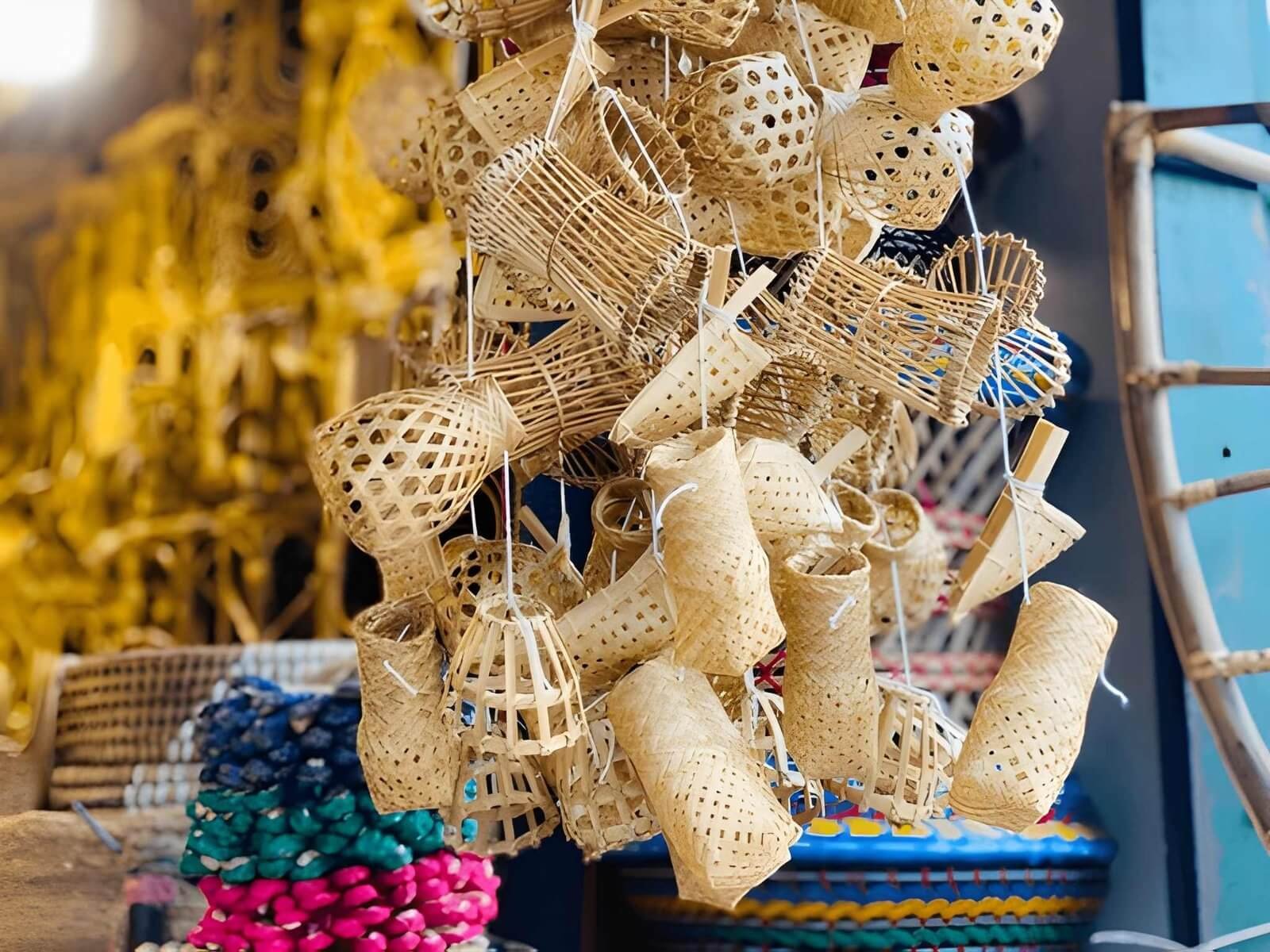
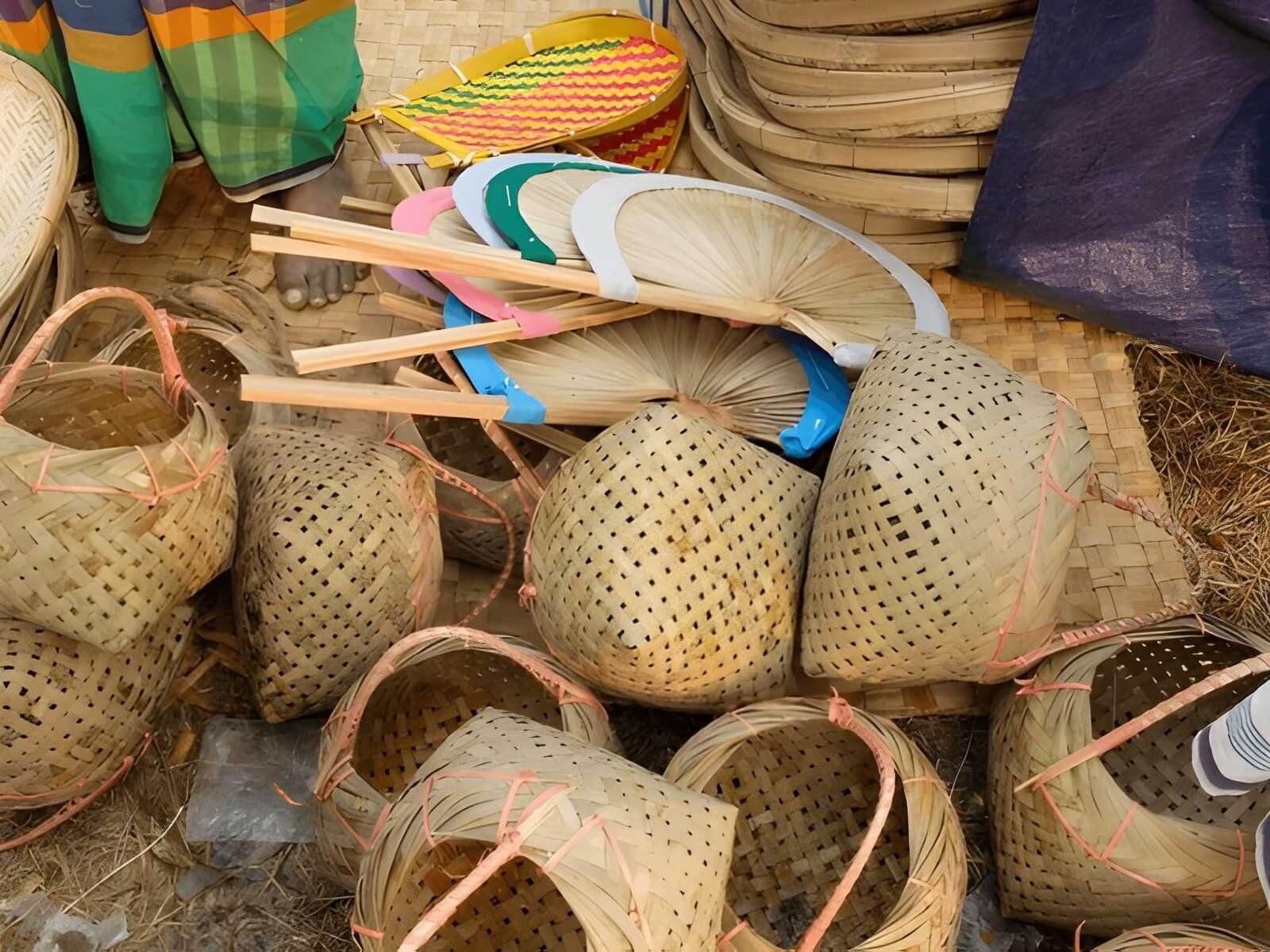
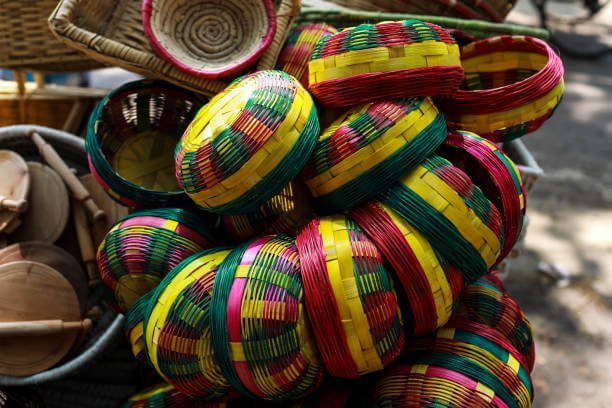
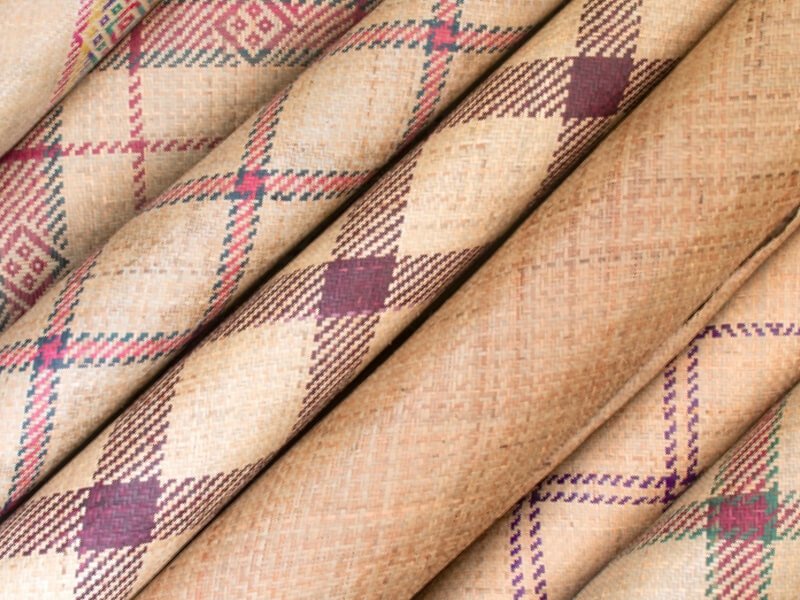
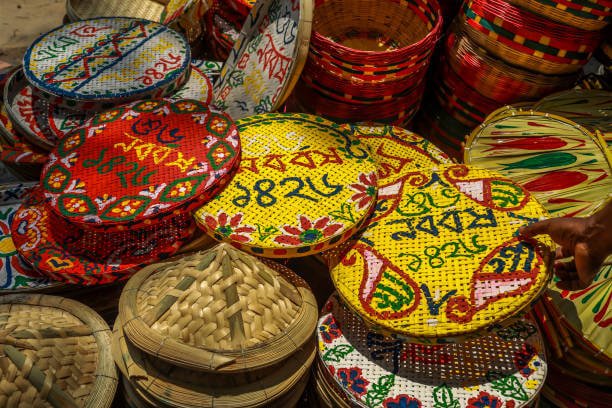
The material offers remarkable versatility. Craftspeople can use thick bamboo poles for structural work or split them into fine strips for weaving. Traditional products include baskets, mats, storage containers, trays, household utensils, fishing traps, screens, and other practical objects.
Bamboo also appears in traditional houses and community architecture. Builders use it for frames, walls, flooring, fencing, ladders, and supporting structures according to local building practices.
Fishing communities shape bamboo into specialized traps and containers for use in streams and rivers. Artisans also create musical instruments from bamboo and other local materials. UNESCO-supported research, for example, documents the Plung, a culturally important Mro wind instrument made with bamboo, gourd, wood, and natural gum.
Families transmit much of this craft knowledge through observation, participation, and everyday use. Different Indigenous communities maintain their own practices and forms, so no single design system represents the entire Chattogram Hill Tracts.
Bamboo can serve as a renewable material when communities and producers manage it responsibly. However, the wider environmental picture has become increasingly difficult. UNESCO-supported research in 2026 documented pressure from deforestation, monoculture plantations, resource extraction, biodiversity loss, and climate change across the Hill Tracts.
These ecological changes can reduce access to the natural materials that traditional crafts require.
The bamboo crafts of the CHT therefore represent both a living design tradition and a close relationship between cultural knowledge and the surrounding environment.
Immersive Experience
No 360° Videos available
Destination Gallery