
Jute Crafts
Bangladesh's natural fiber transformed through craft and design
The Golden Fiber Reimagined. From Rural Utility to Contemporary Design.
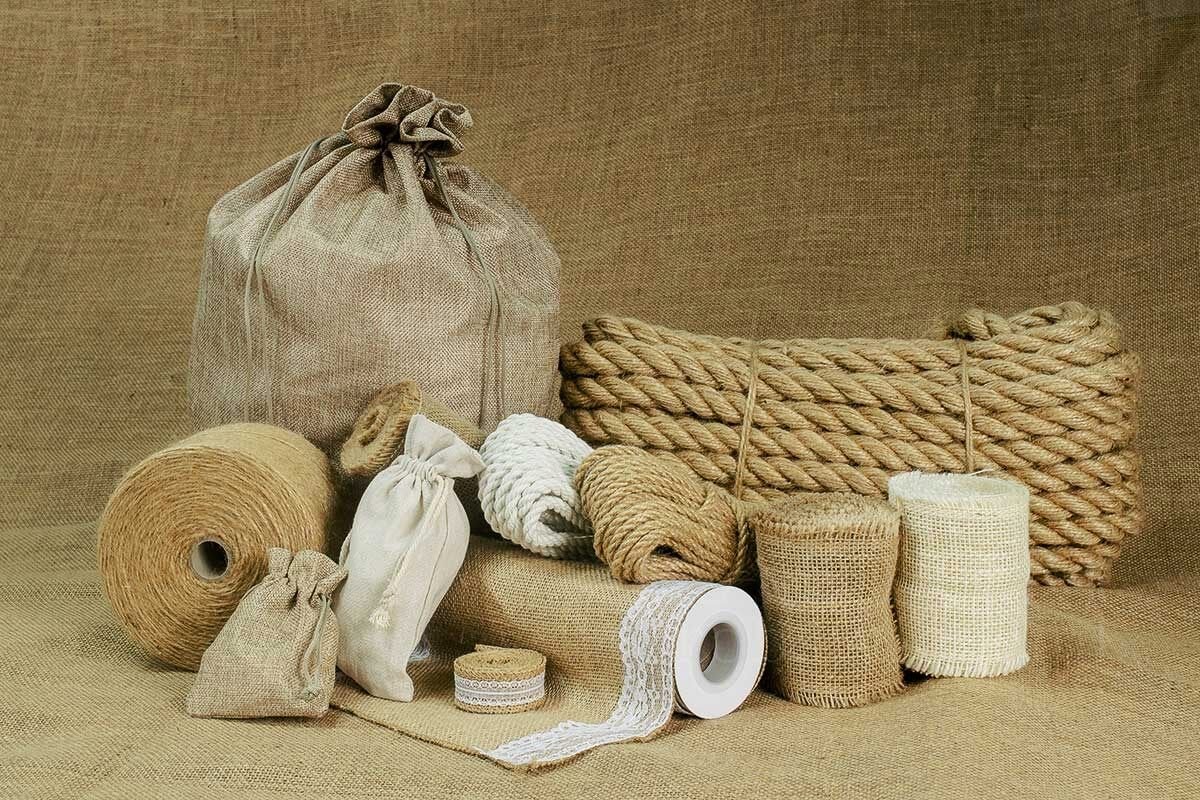
Jute has shaped the economy, agriculture, and material culture of Bengal for generations. Long before large jute mills transformed the fiber into an industrial commodity, rural communities used jute for ropes, twine, coarse textiles, storage, and practical household objects.
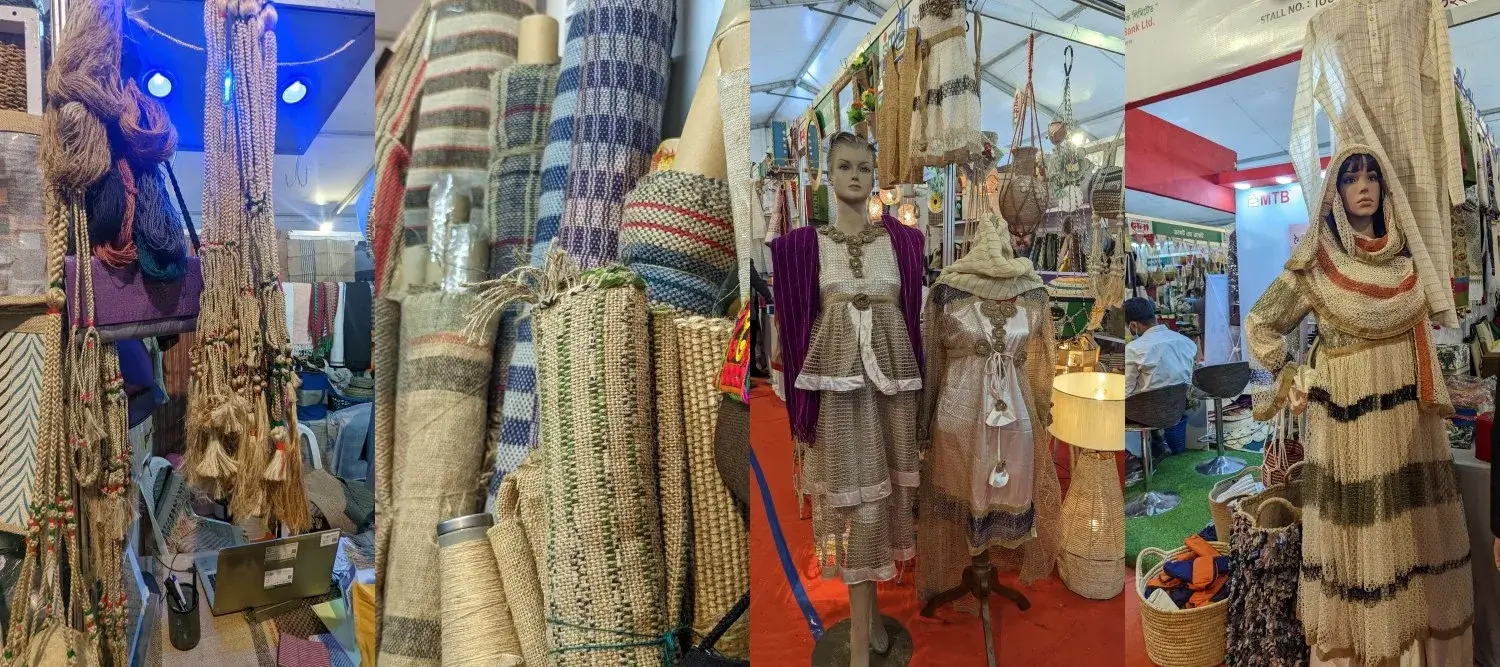
Traditional craft forms demonstrate the fiber's flexibility. One distinctive example is Nakshi Shika, a hanging net traditionally made from knotted jute cord. Rural women created these functional objects to store food, pots, quilts, books, and household items above the floor. They often added decorative knots, beads, shells, and folk motifs.
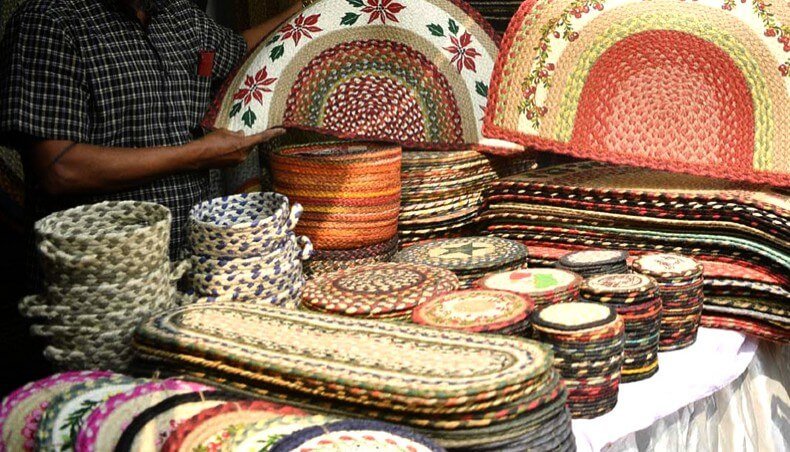
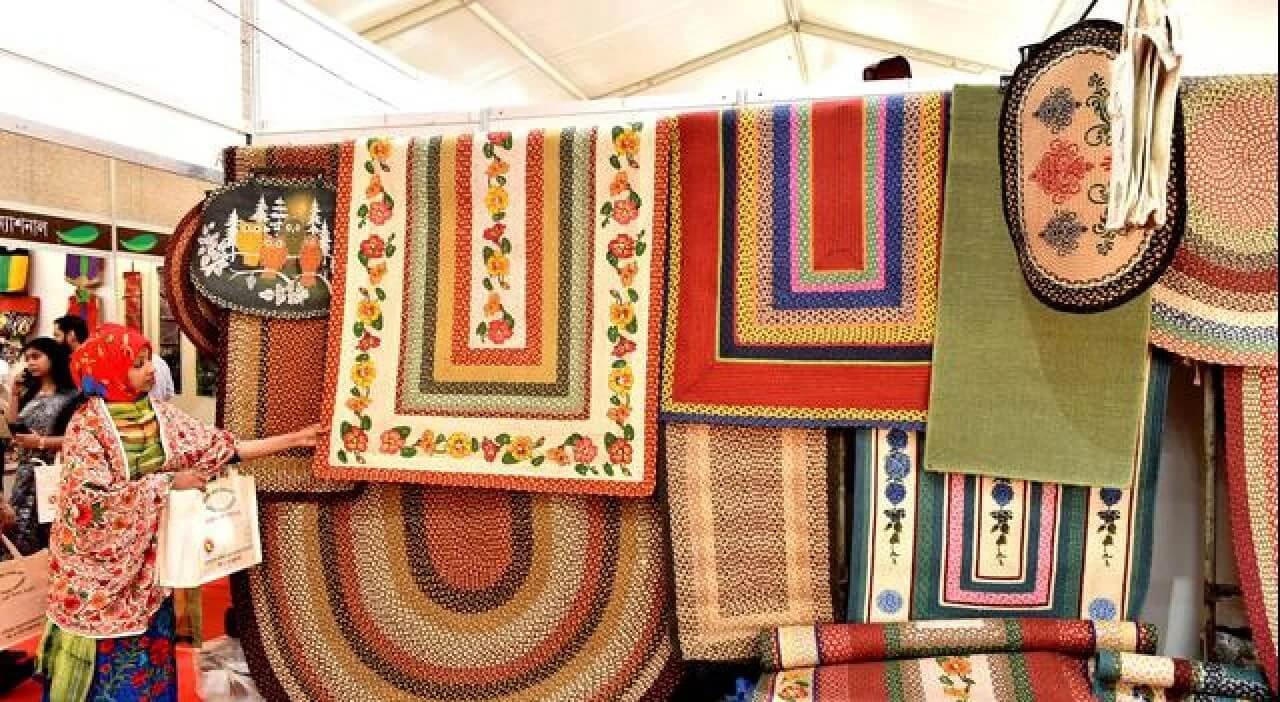
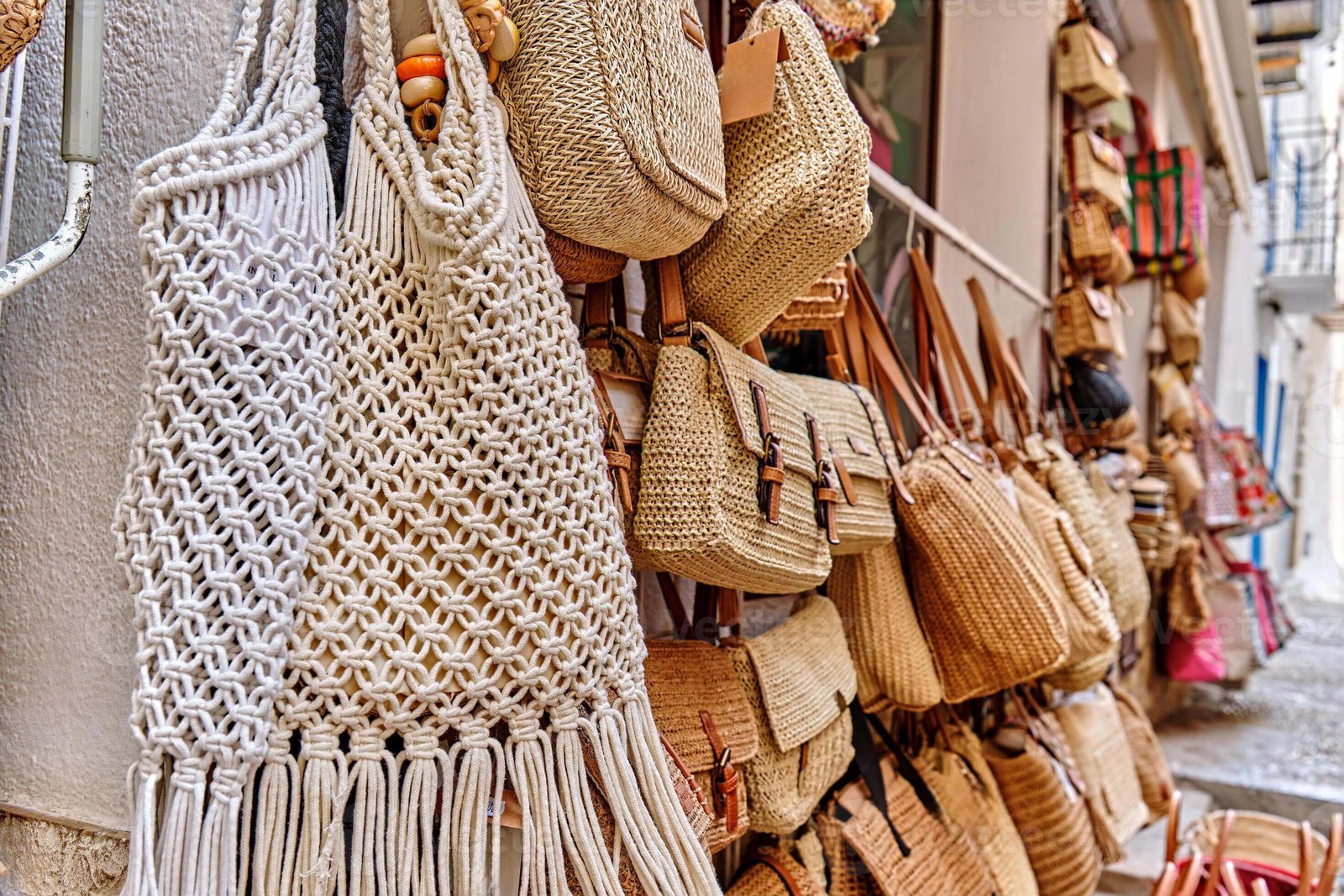
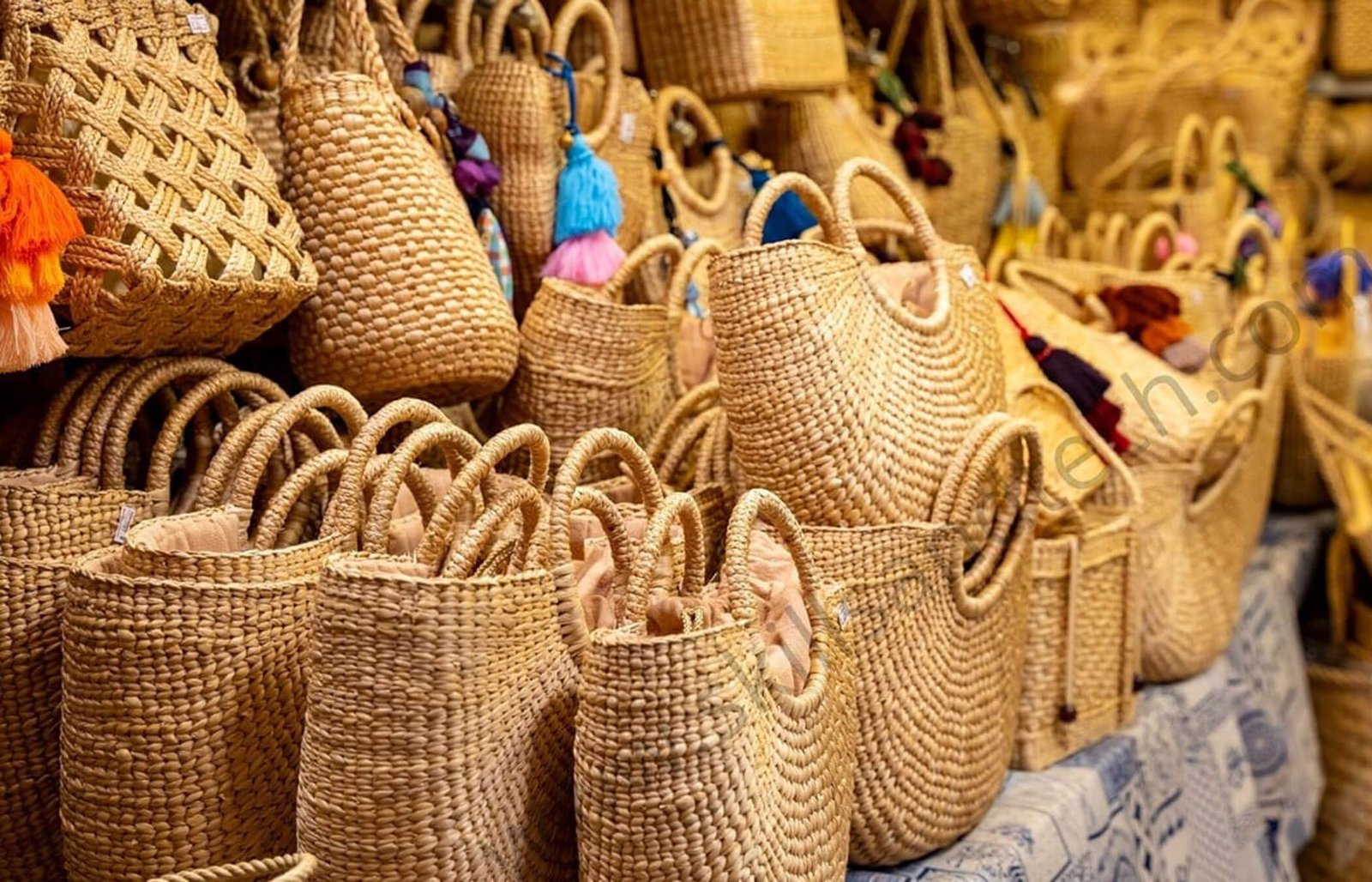
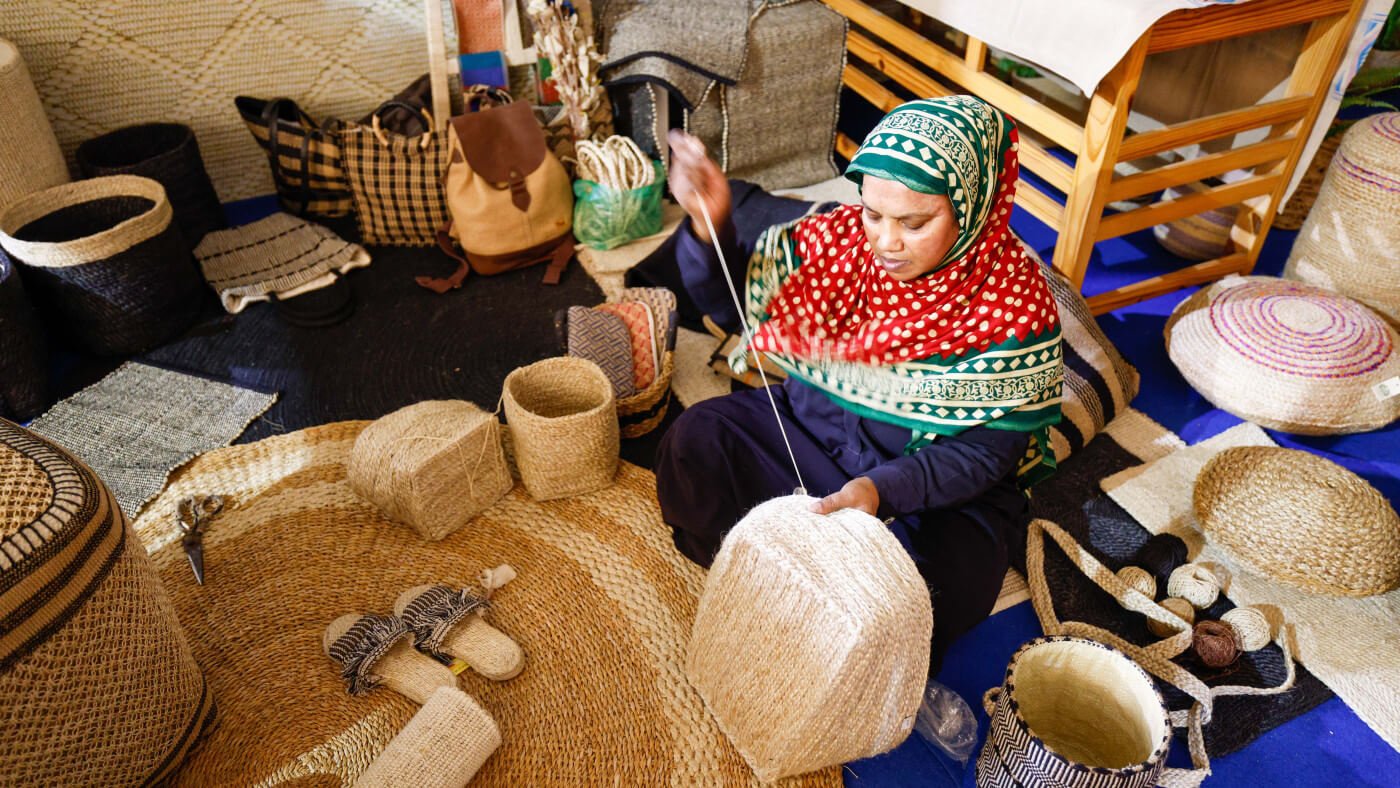
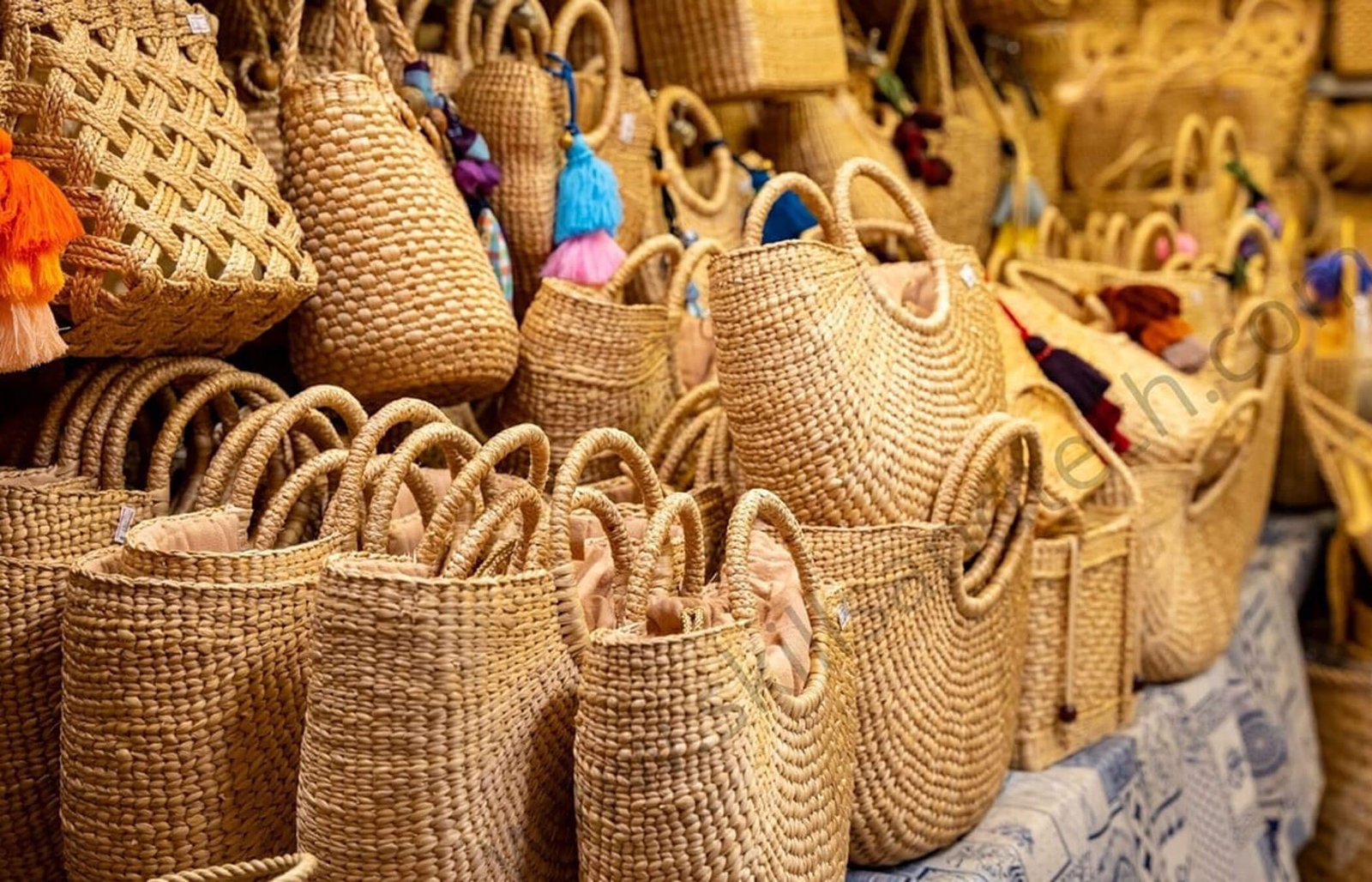
Artisans also use jute to make mats, bags, baskets, floor coverings, decorative objects, and household accessories.
Modern designers have expanded the range dramatically. Contemporary jute enterprises now create handbags, shoes, planters, pet accessories, tableware, storage products, home furnishings, fashion pieces, and blended textiles. Researchers and manufacturers continue to experiment with new jute fabrics and value-added products.
The craft sector also creates opportunities for women and small entrepreneurs. Bangladeshi businesses increasingly combine traditional hand skills with contemporary product design for local and export markets.
The Bangladesh Jute Research Institute continues to develop technologies for diversified jute products, including furnishing fabrics, bags, blended textiles, and other materials.
Bangladesh's current GI register includes Faridpur Jute. This GI recognition refers specifically to jute associated with Faridpur rather than to all jute handicrafts produced across Bangladesh.
Jute crafts therefore connect two different stories. They preserve old rural traditions while showing how designers and entrepreneurs can reinterpret one of Bangladesh's most historically important natural fibers for contemporary life.
Immersive Experience
No 360° Videos available
Destination Gallery