
Rose Garden Palace
The story of Dhaka's Rose Garden
is not one of royal ambition or military might, but of a personal slight that
blossomed into one of the city's most beautiful and politically significant
estates. In the early 20th century, a wealthy Hindu zamindar named Hrishikesh
Das, known for his luxurious tastes, attended a party at the Baldha Garden,
then the epicenter of the city's aristocratic social life. According to legend,
he was insulted there for his lower caste by the garden's owner. Stung by this
humiliation, Hrishikesh Das resolved to create his own garden, one that would
outshine Baldha in every way. The result, built in 1931 on 22 bighas of land,
was the Rose Garden, a lavish venue designed not as a residence but purely for
hosting magnificent parties and musical jalsas.
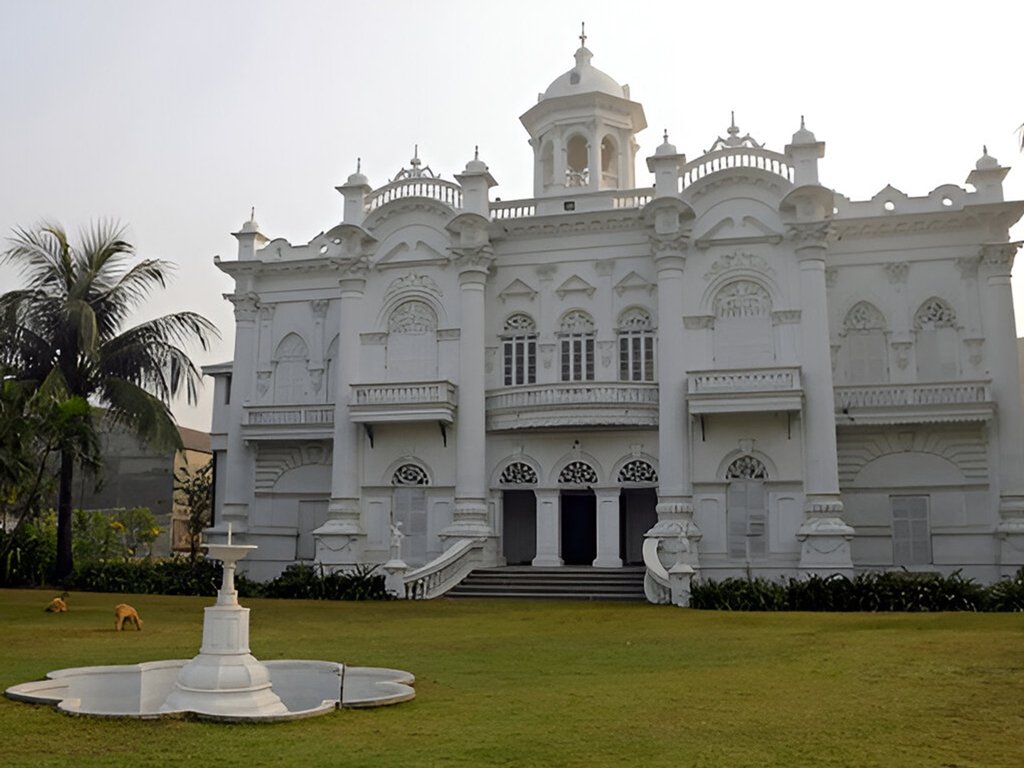
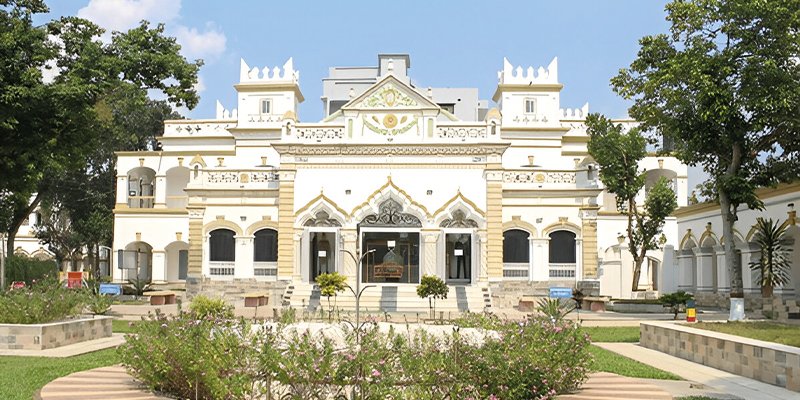
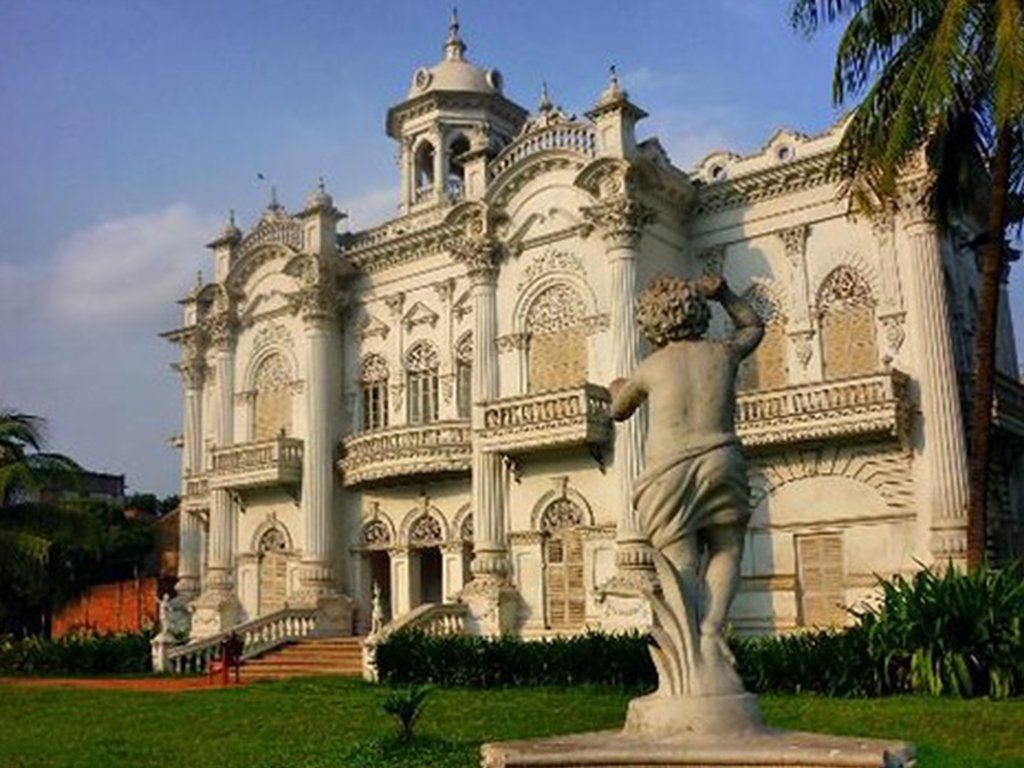
The garden's centerpiece is an
elegant building whose design is a flamboyant fusion of styles, featuring grand
Greek-style domes, decorative statues, and cascading fountains. But the true
magic was in its eponymous flower: the garden was filled with an astonishing
variety of rare and exotic roses, their colors and fragrances creating a
sensory paradise for the city's elite. However, Hrishikesh Das's extravagant
lifestyle eventually caught up with him, and he was forced to sell the property
in 1936 to Khan Bahadur Kazi Abdur Rashid, who renamed it Rashid Manzil. It was
under this new name that the house cemented its place in history. In 1949, the
mansion became a clandestine meeting place for Bengali nationalists who were
chafing under the neglect of the Pakistani government. In a momentous meeting
held within these very walls, they decided to break away from the Muslim League
and form a new political party: the All Pakistan Awami Muslim League, the
precursor to the modern Awami League, the party that would eventually lead
Bangladesh to independence. This elegant garden, born from a party snub, thus
became the unlikely cradle of a nation's political destiny.
Immersive Experience
No 360° Videos available
Destination Gallery