
Ahsan Manzil
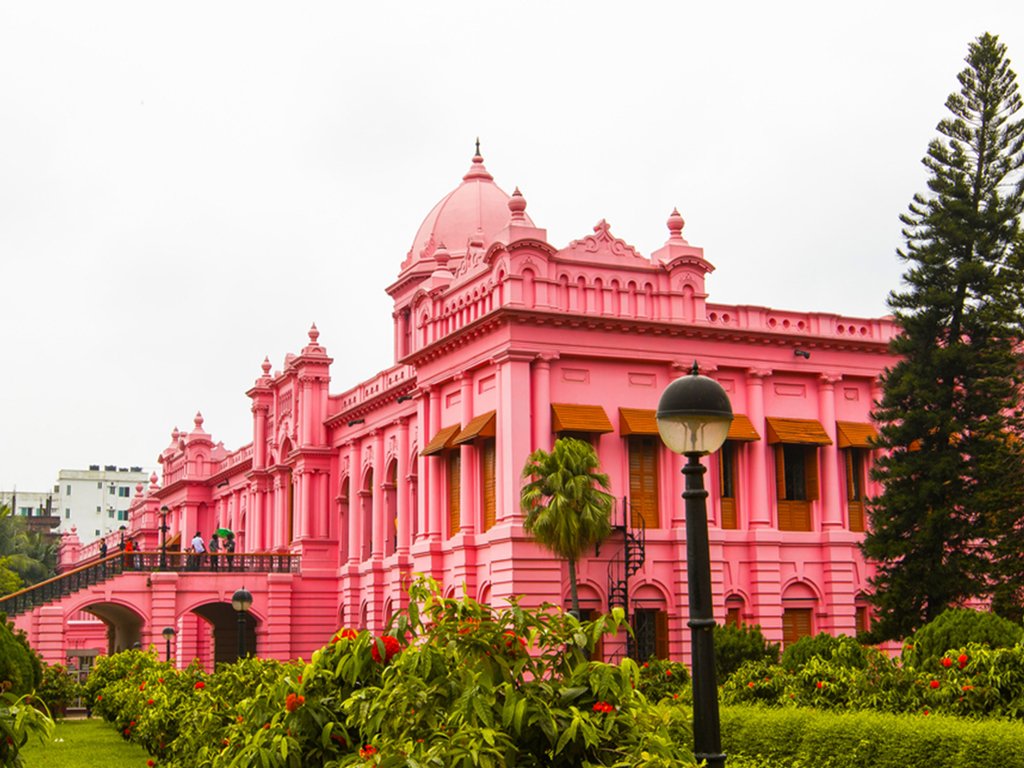
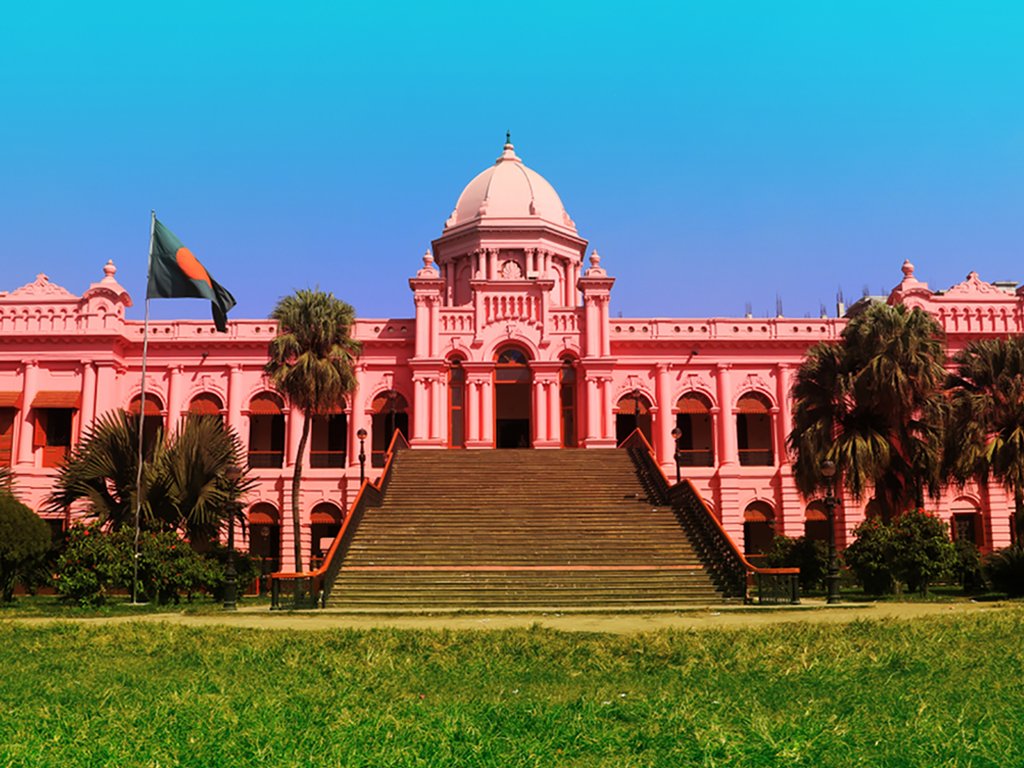
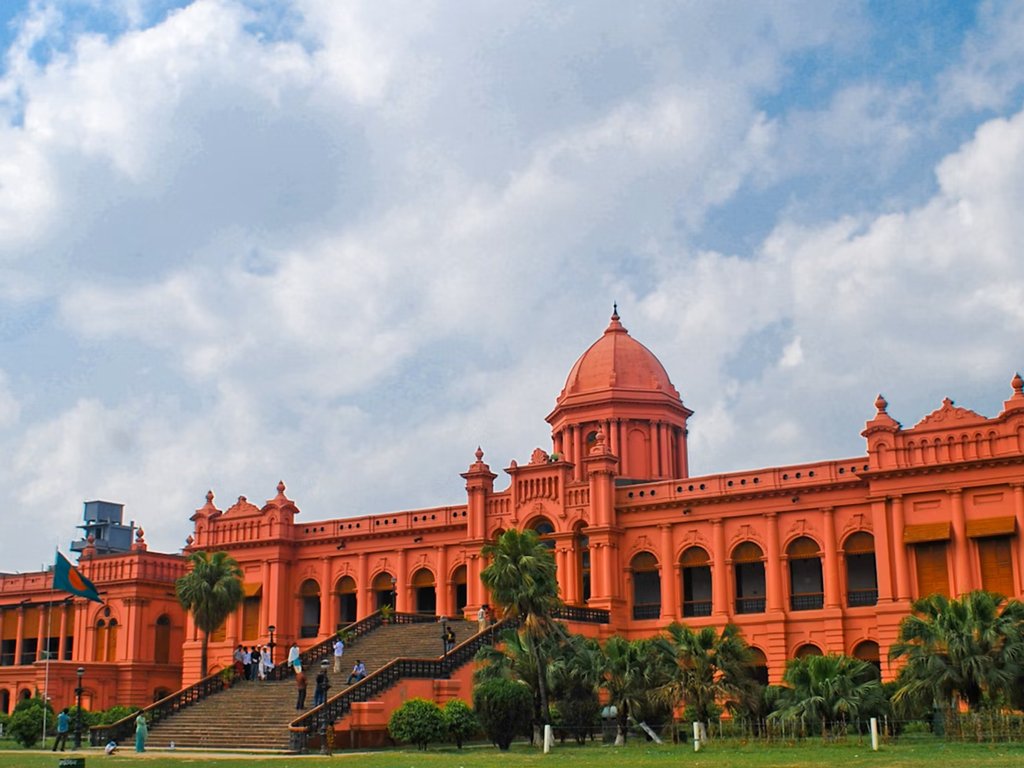
Perched elegantly on the northern
bank of the Buriganga River, its striking pink facade mirrored in the muddy
waters, Ahsan Manzil is the most opulent and tangible reminder of the lavish
world of the Nawabs of Dhaka. Before becoming the magnificent "Pink
Palace" we see today, the site was home to a garden house called Rang
Mahal, owned by a Mughal-era zamindar. After passing through French hands, it
was purchased in 1830 by Khwaja Alimullah, the patriarch of the Nawab family,
who established it as his residence. However, the palace's iconic form was
realized by his son, Nawab Khwaja Abdul Ghani, who commissioned a European
firm, Martin and Company, to create a master plan. The construction, which
began in 1859 and was completed in 1872, gave birth to a new palace he named
"Ahsan Manzil" after his own son, Khwaja Ahsanullah.
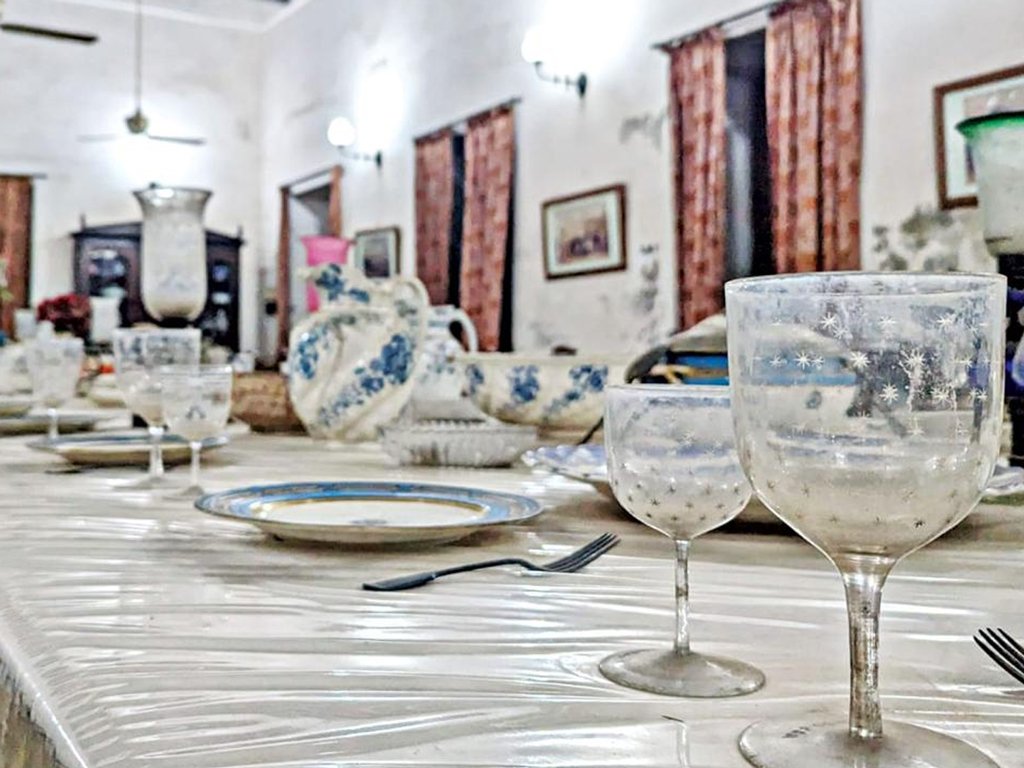
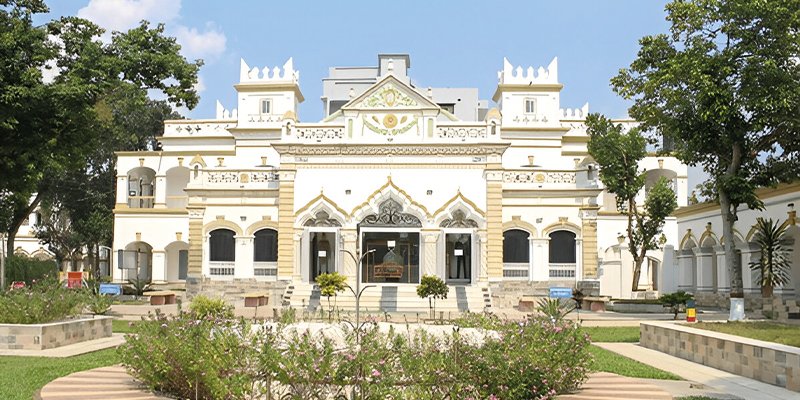
This sprawling two-storeyed structure, measuring over 125 meters in length, is a majestic blend of European and Mughal architectural influences. Its most recognizable feature is the grand, lotus-bud-shaped dome that crowns the central section, rising 27 meters from the ground and visible from a great distance along the river. Inside, the palace is divided into two symmetrical halves, containing grand halls, a library, and a card room, all adorned with ornate wooden ceilings and marble floors. Life was not always grand; a devastating tornado in 1888 and a major earthquake in 1897 severely damaged the palace, but the Nawabs, with their immense wealth, each time rebuilt and restored it to its former glory. After years of neglect following the end of the Nawab era, the palace was acquired by the government in 1985 and meticulously restored, and it opened as the Ahsan Manzil Museum in 1992. Today, its 23 galleries showcase the opulent lifestyle of the Nawabs, displaying period furniture, photographs, and artifacts, offering a captivating glimpse into a bygone world of royal grandeur and riverfront pageantry.
Immersive Experience
No 360° Videos available
Destination Gallery