Pink Pearls and Traditional Local Jewelry
A pearl found nowhere else on earth
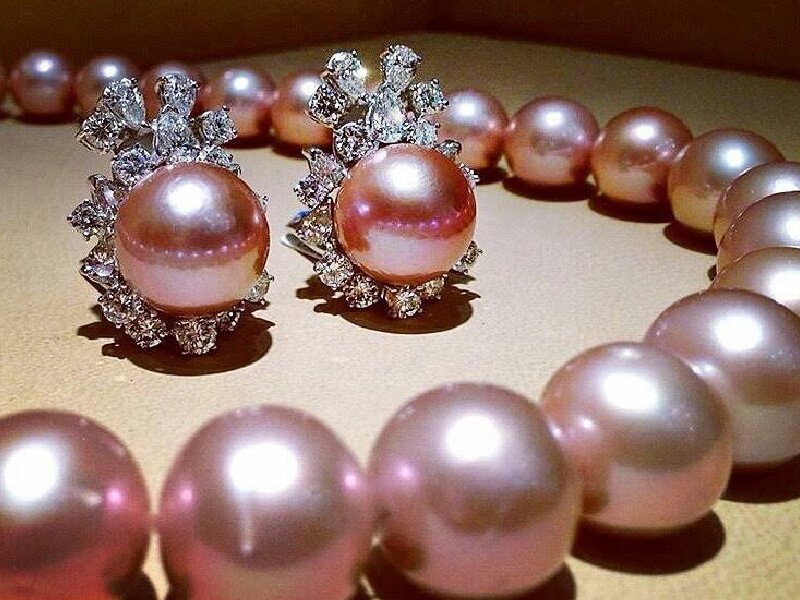
From Bede river-gypsy divers to gold settings Bangladesh's uniquely pink freshwater pearl.
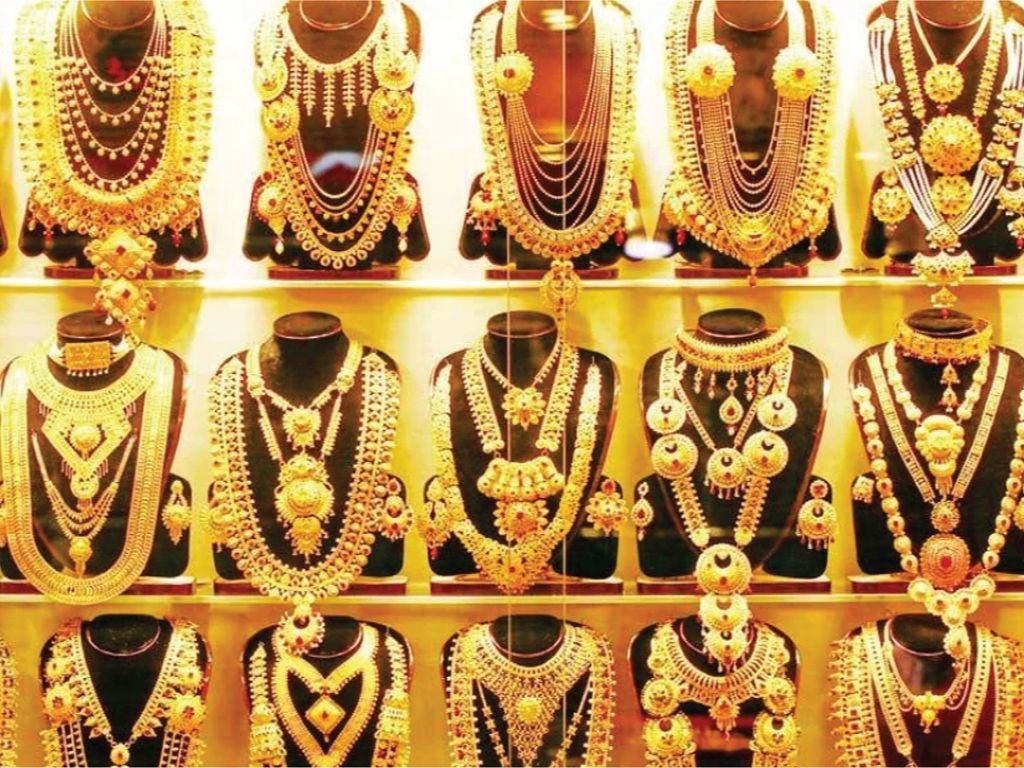
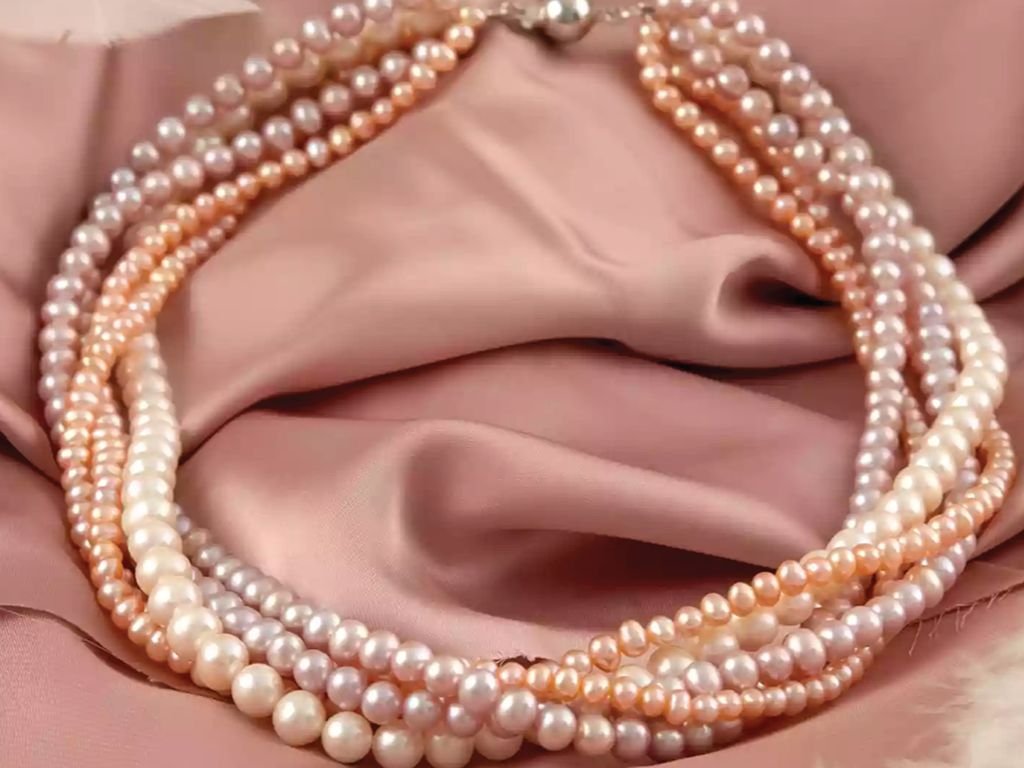
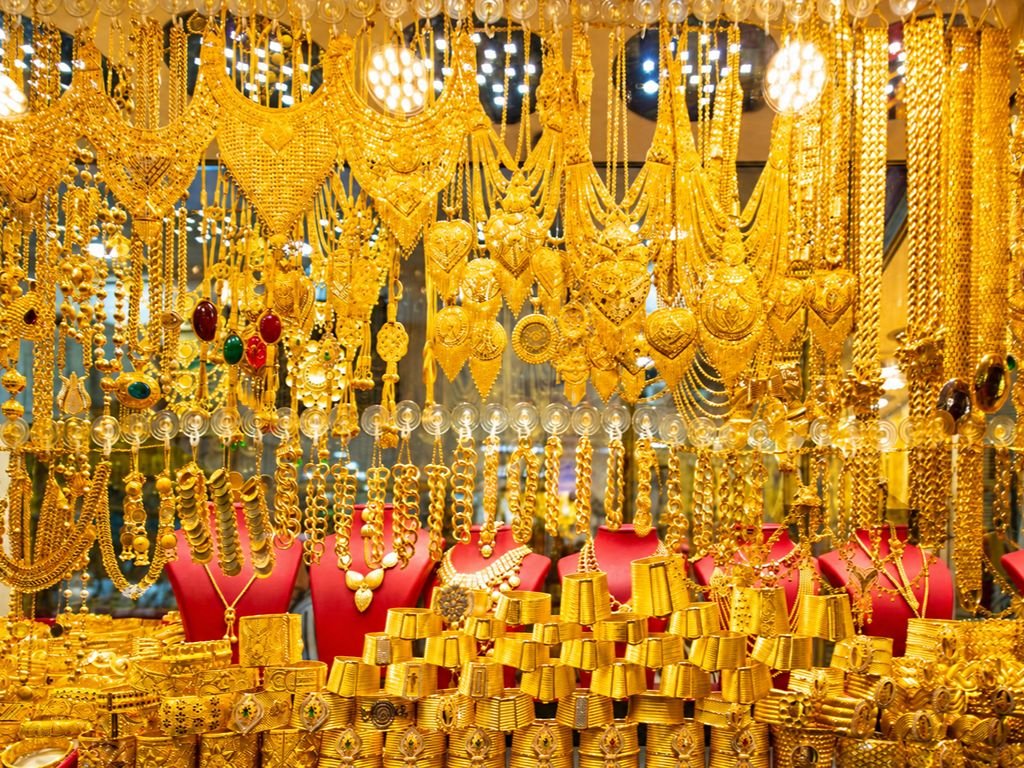
Bangladesh's pink pearls, known locally as mukta, are a genuine rarity: collected from freshwater mussels in the haors and beels (swampy wetlands) of Mymensingh and Comilla, their delicate pink sheen is claimed by jewellery historians to be found nowhere else in the world. Traditionally, these pearls were gathered by the Bede—a nomadic river-gypsy community who live on houseboats—and set into gold for jhumka and karnaphool earrings, kangan bangles, and basli necklaces, often using a minimal amount of gold to keep the pieces light and ornate rather than heavy.
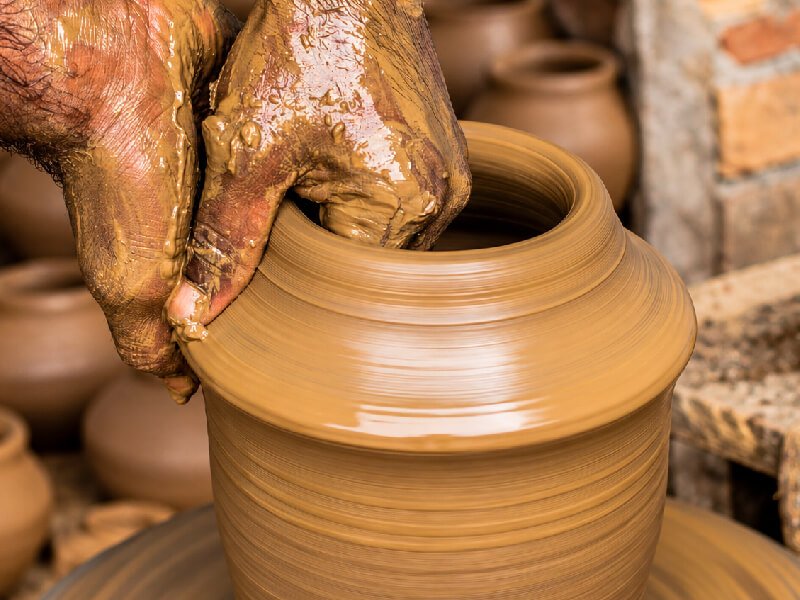
Beyond pearls, Bangladesh's traditional jewelry landscape spans a striking range: heavy silver tribal jewelry from the Chittagong Hill Tracts' Chakma, Marma, and Mro communities; makri earrings and threaded amulets (maduli, ta'abiz) that have come back into fashion for their connection to national identity; and, in Cox's Bazar specifically, distinctive ivory or bone ornaments and khonta mala, serrated hollow beads strung on black thread. Handicraft retailers like Aarong, Aranya, and Kumudini all maintain dedicated jewelry counters mixing pink pearls, silver, copper, terracotta, and semi-precious stone into contemporary pieces rooted in these older traditions.
Immersive Experience
No 360° Videos available
Destination Gallery