Bamboo, Cane, and Wood Handicrafts
From Sylhet's wetlands, a UNESCO-honored "cool mat"
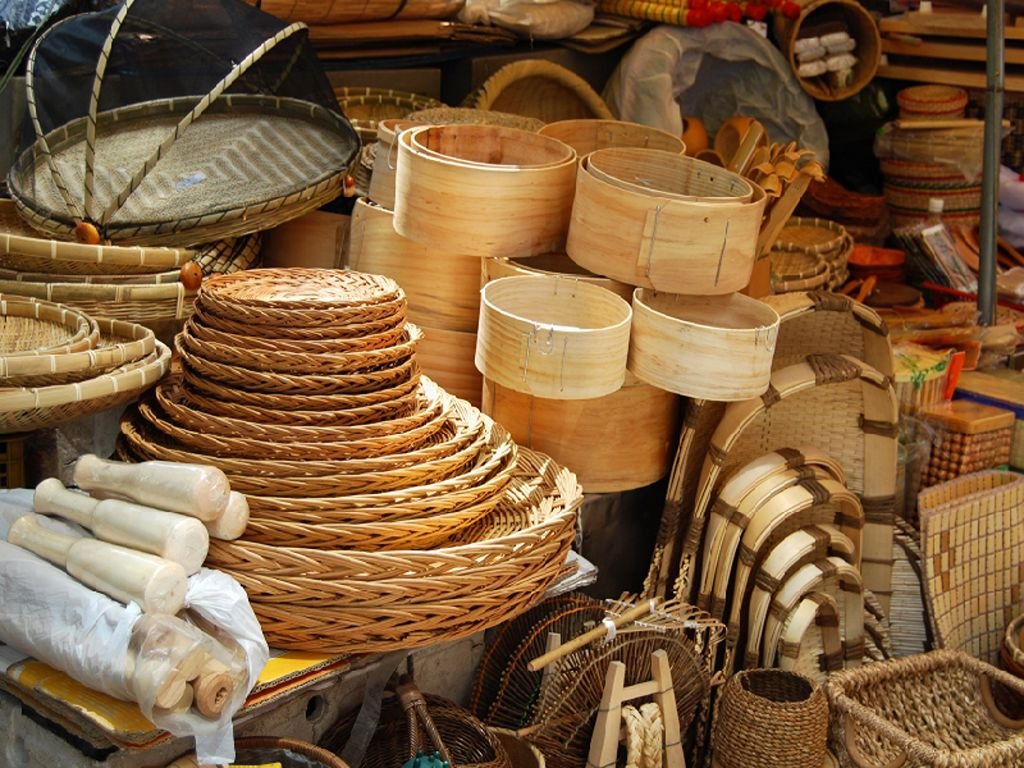
Poor man's timber, refined into heritage craft Bangladesh's bamboo and cane weaving tradition.
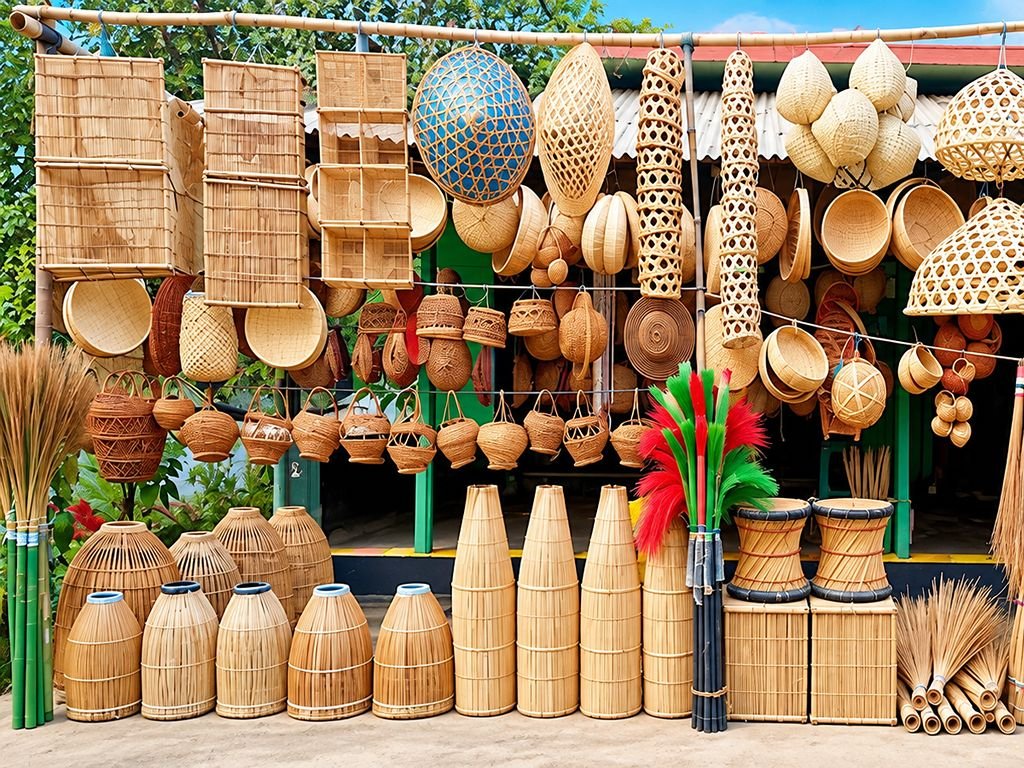
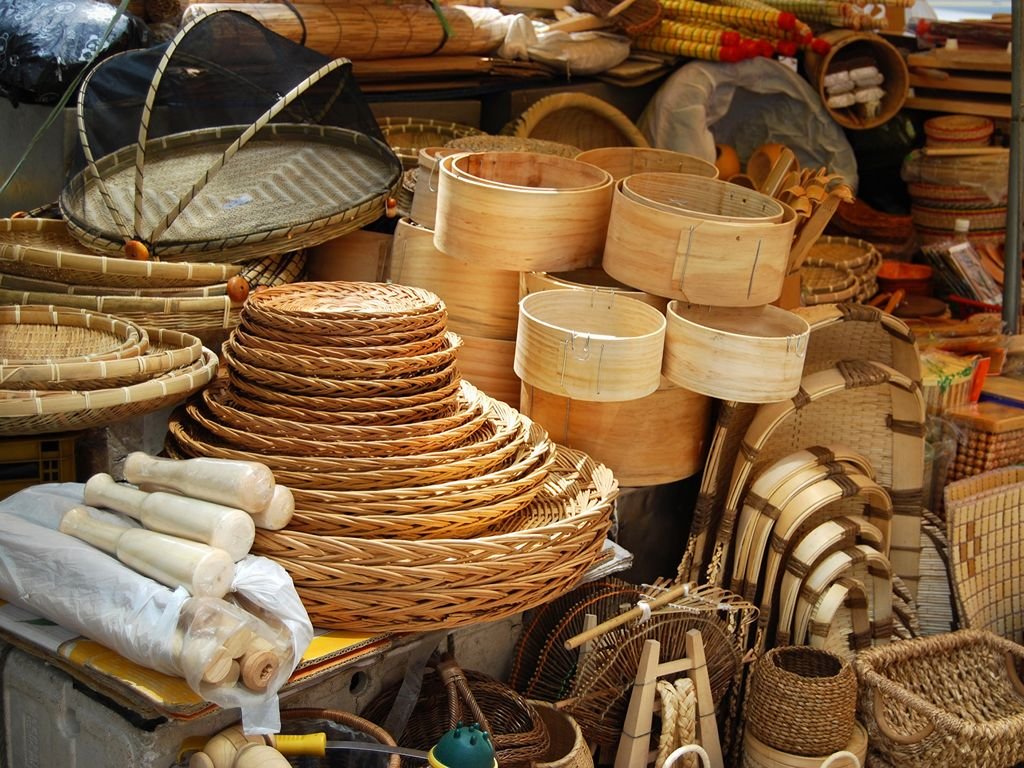
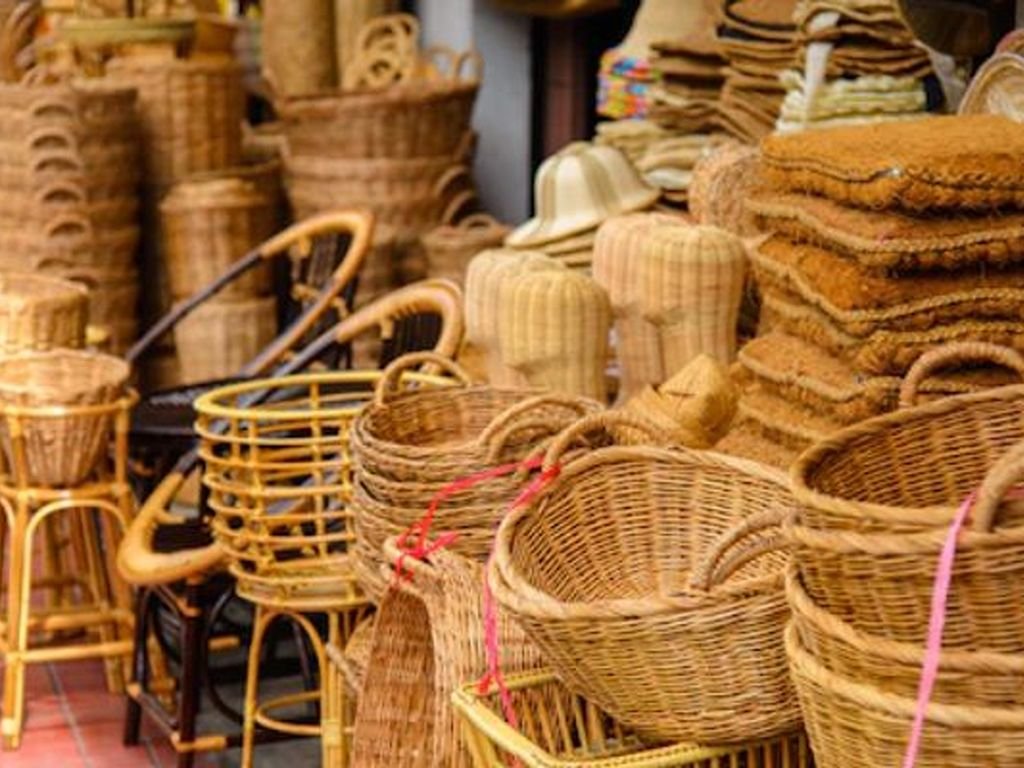
Bamboo—sometimes called "poor man's timber" for its abundance across Bangladesh's floodplains—has shaped rural craft for generations, worked into rice baskets (jhuri, dol), winnowing trays (kula), sieves (chalni), and fish traps by families across northern districts like Rangpur and Mymensingh. In Sylhet and Noakhali, artisans work a related material: murta (Maranta dichotoma), a wild reed whose split, dyed strips are woven into the Shital Pati, a "cool mat" so finely woven it stays pleasantly cool to the touch even in peak summer heat—a craft UNESCO has recognized as part of Bangladesh's intangible cultural heritage.
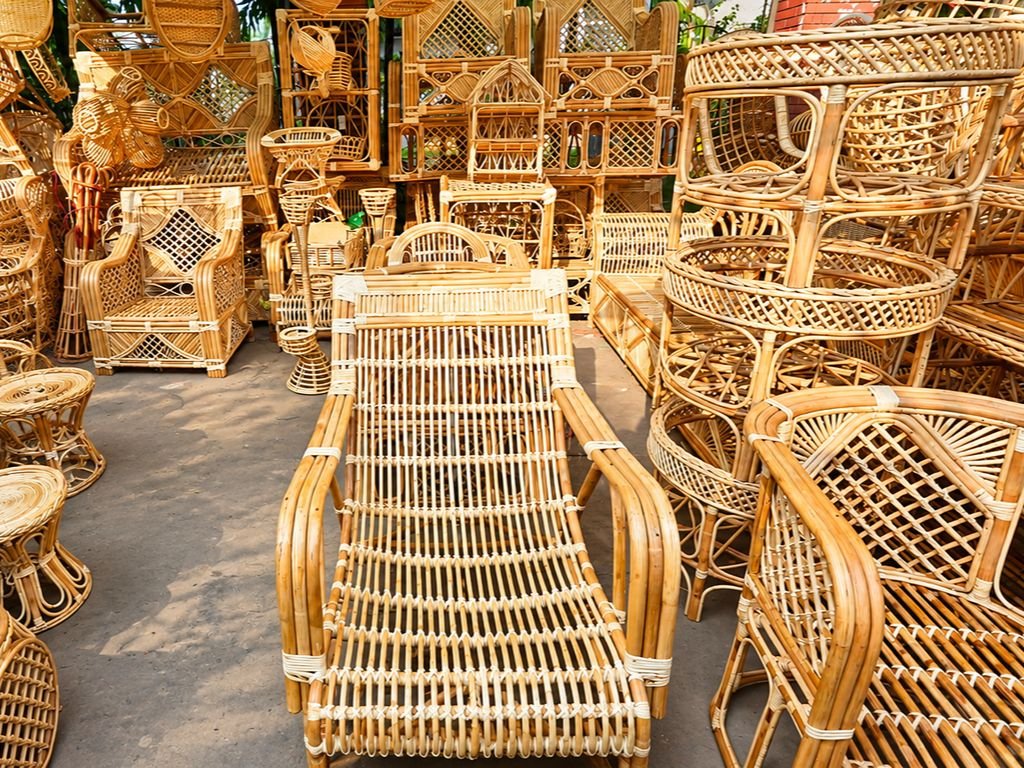
Shital Pati weaving survives today mainly among families in Balaganj, Sunamganj, and Moulvibazar, and the process is genuinely demanding: bamboo or murta stems are collected at the end of monsoon, skinned while moist, and woven entirely by hand with no tools, taking a skilled weaver 10–16 days to complete a single large mat. As one weaver told local press, "our mothers used to do it, we do it—maybe our children won't," a reminder that this craft, like several others on this list, depends on active buyer support to survive into the next generation. Beyond mats, Sylhet's cane workshops have also adapted to modern taste, producing chairs, tables, and screens for both domestic and export markets.
Immersive Experience
No 360° Videos available
Destination Gallery