Brassware, Clay Pottery, and Ceramics
Dhamrai's ancient trades, still worked by hand
From the Pala Dynasty to today's kilns The craft village 39 km from Dhaka.
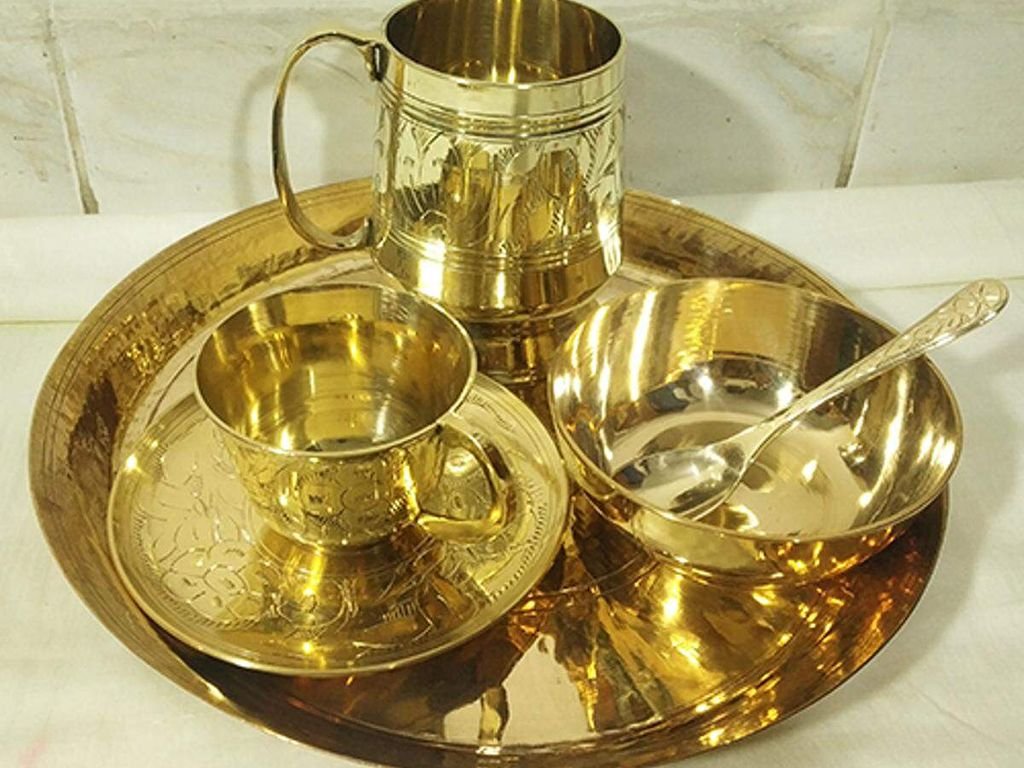
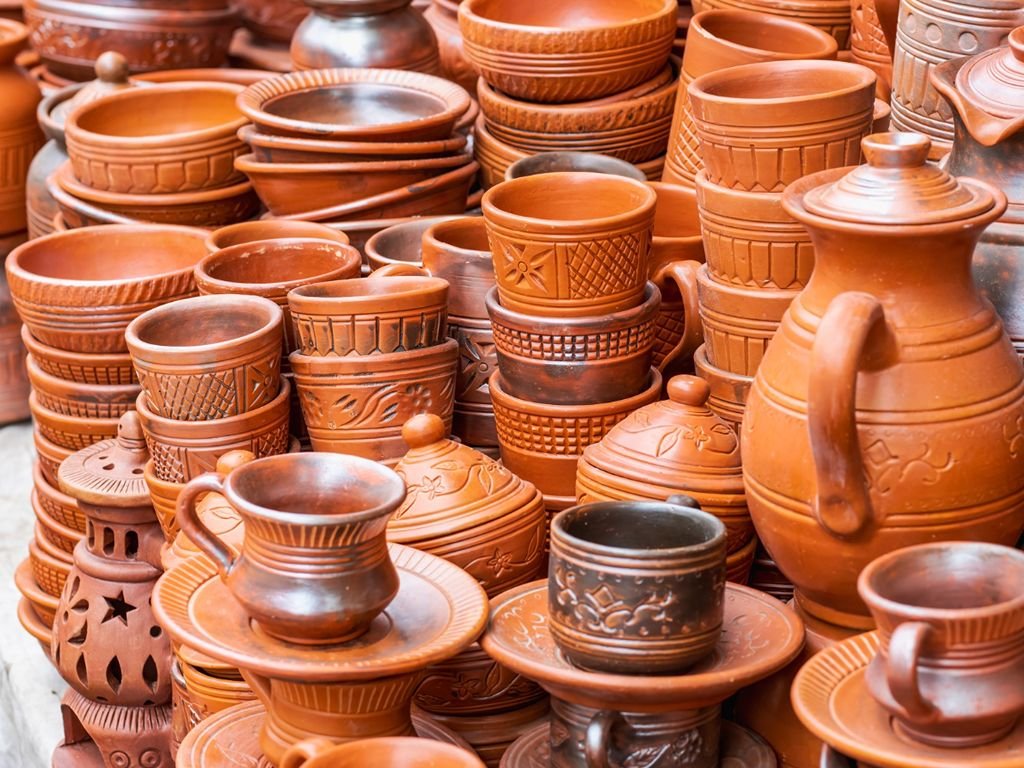
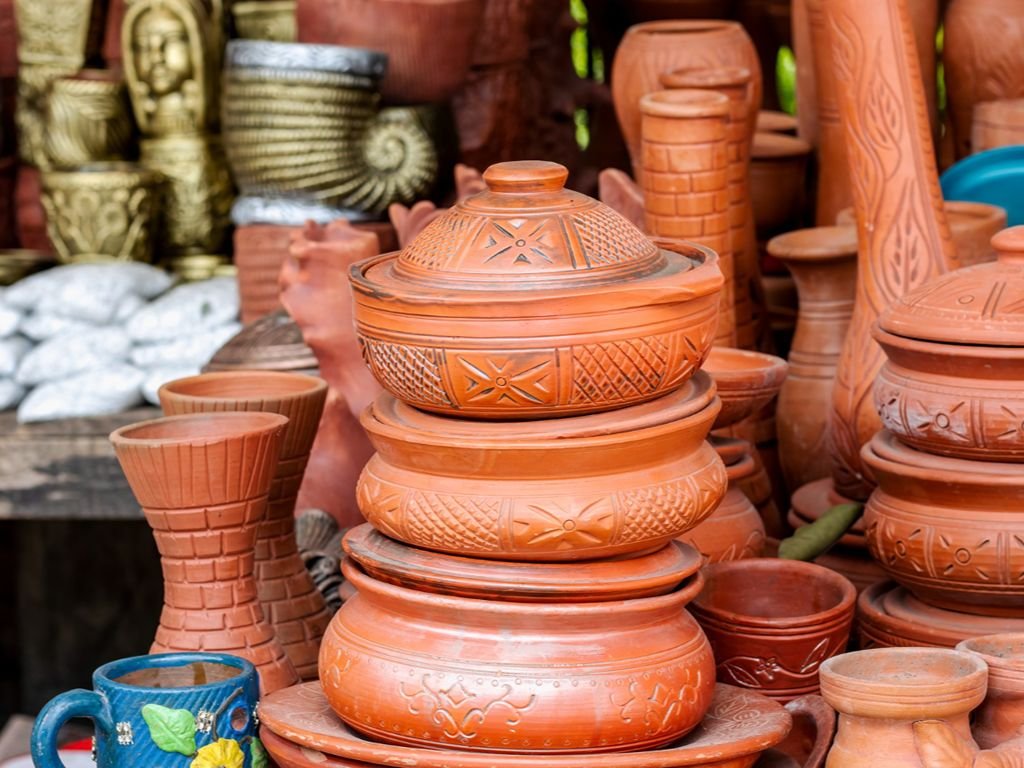
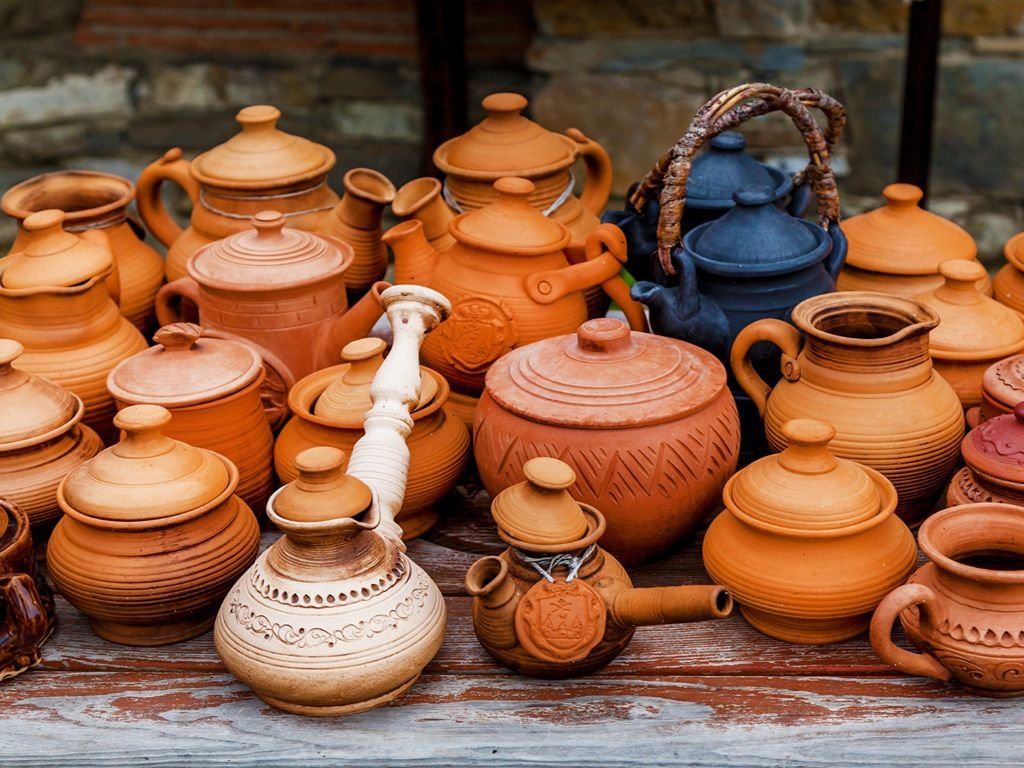
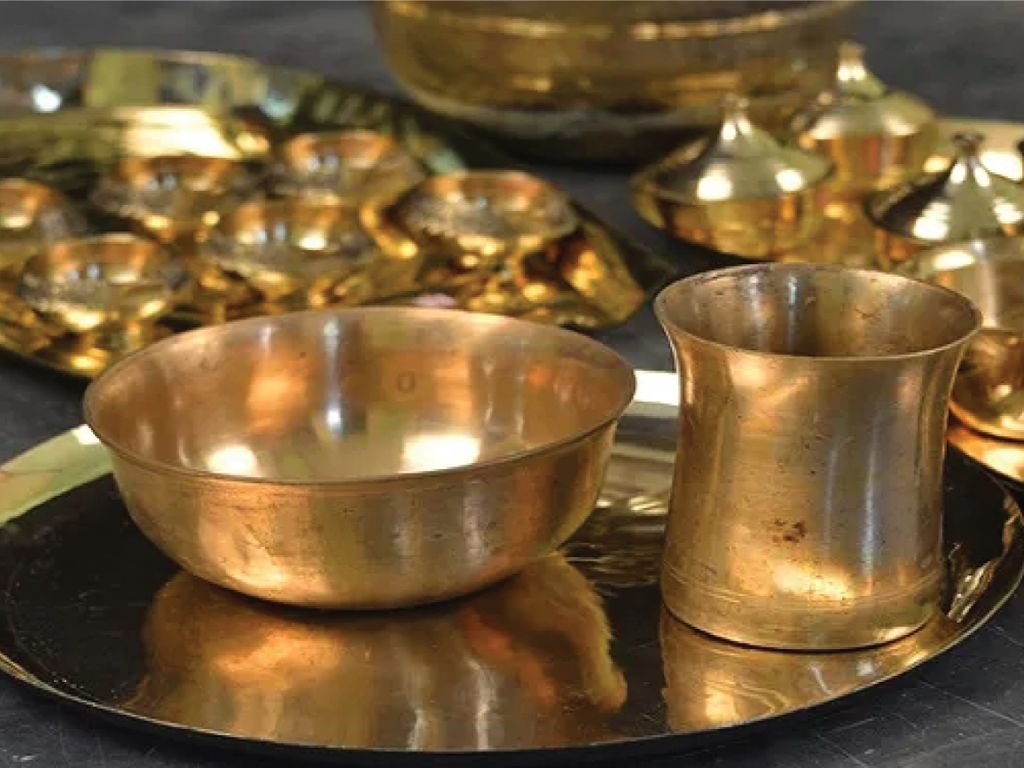
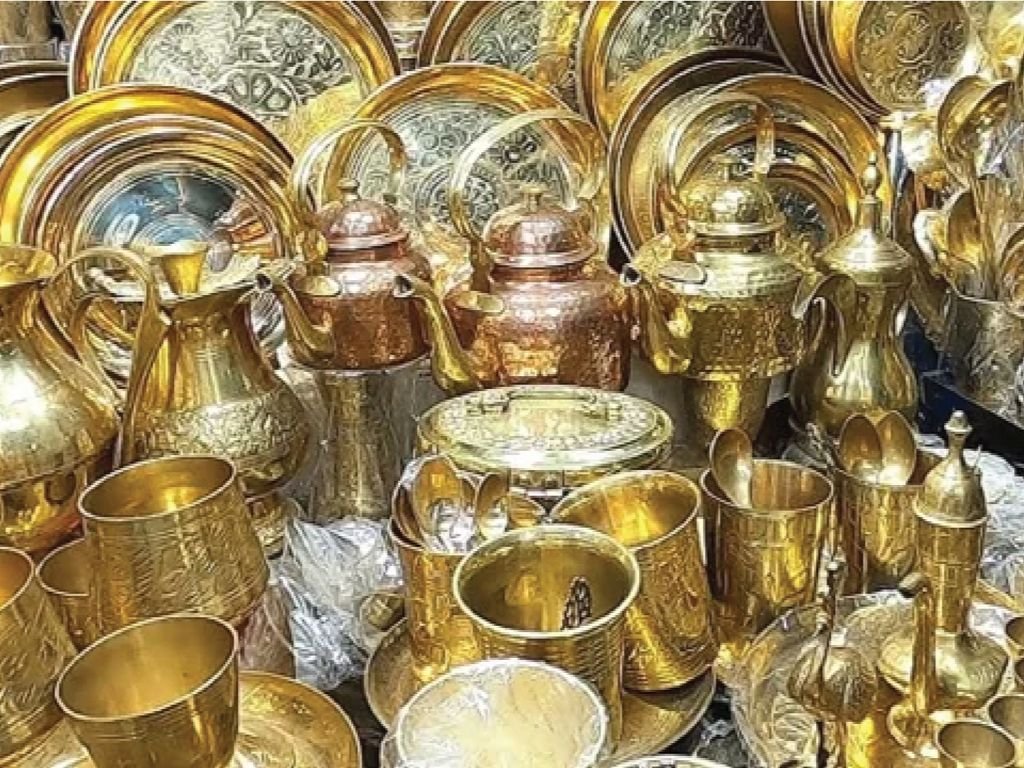
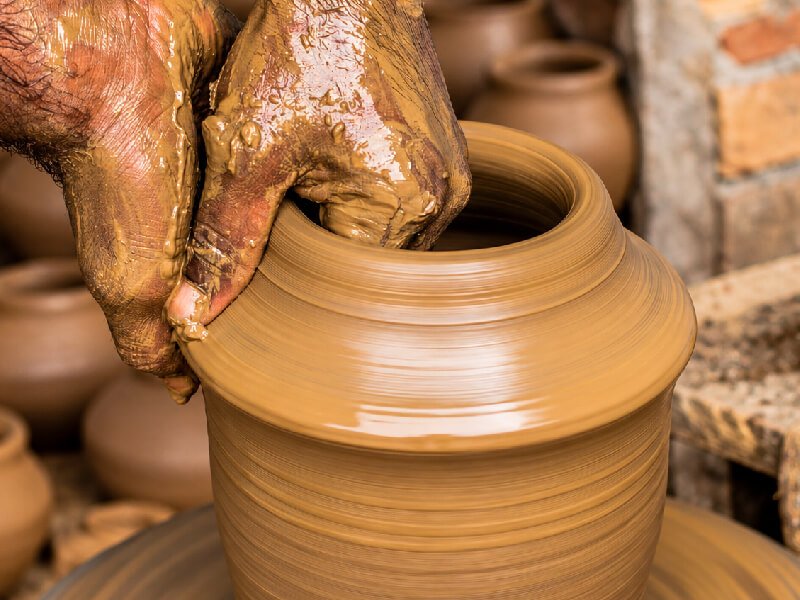
Dhamrai, along the banks of the Bangshi River northwest of Dhaka, has been a center of both metal casting and pottery since the Pala Dynasty (800–1100 AD), and its brass and bronze artisans—drawn largely from the Kansari (brazier) caste—still use the ancient lost-wax technique to produce statues and ritual objects, a skill handed down within families for generations. Nearby, Dhamrai's pottery villages, including Kagojipara, Shimulia Pal Para, and Kakran, carry an even older lineage: Bangladeshi pottery has been traced archaeologically to Mahasthangarh excavations dating to roughly 300 BCE, making it one of the region's oldest continuous crafts.
Both trades face genuine economic pressure. Plastic and aluminum alternatives have steadily displaced everyday clay pottery, and industry reporting describes prominent pottery villages now surviving mainly in Cumilla, Patuakhali, Dhaka, Narsingdi, and Manikganj districts, alongside Dhamrai. Most potters and brass casters work as freelancers, selling directly at weekly village bazaars or through wholesalers who visit by boat—making a Dhamrai visit one of the more direct ways to support these crafts, since much of what's produced there never reaches Dhaka retail shelves at all.
Immersive Experience
No 360° Videos available
Destination Gallery