

Jobbarer Boli Khela
Enter Laldighi for Chattogram’s historic Boishakh wrestling and three-day fair
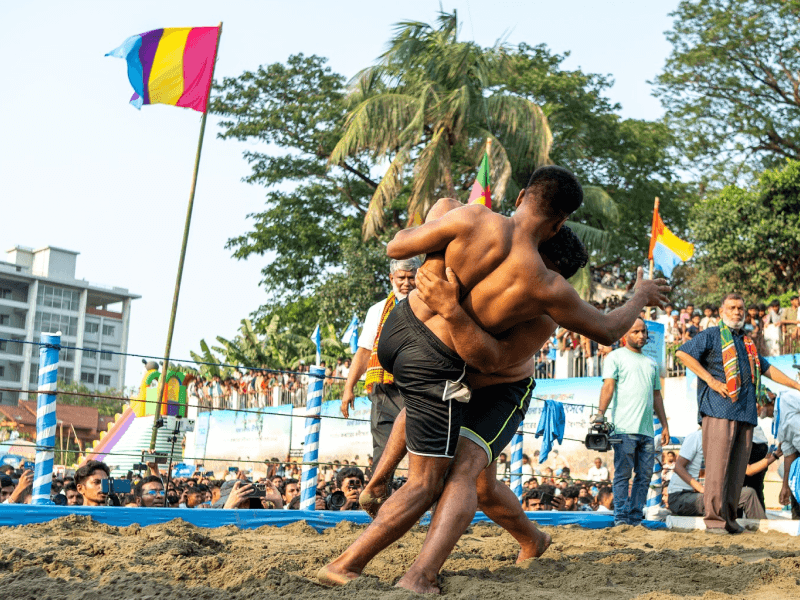
Follow the dhol to Laldighi and watch strength, balance and local pride meet in the sand.
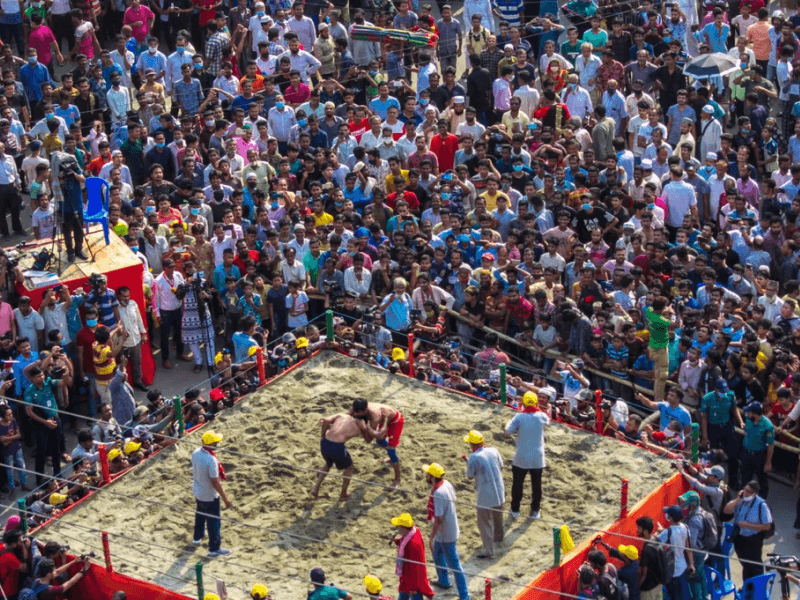
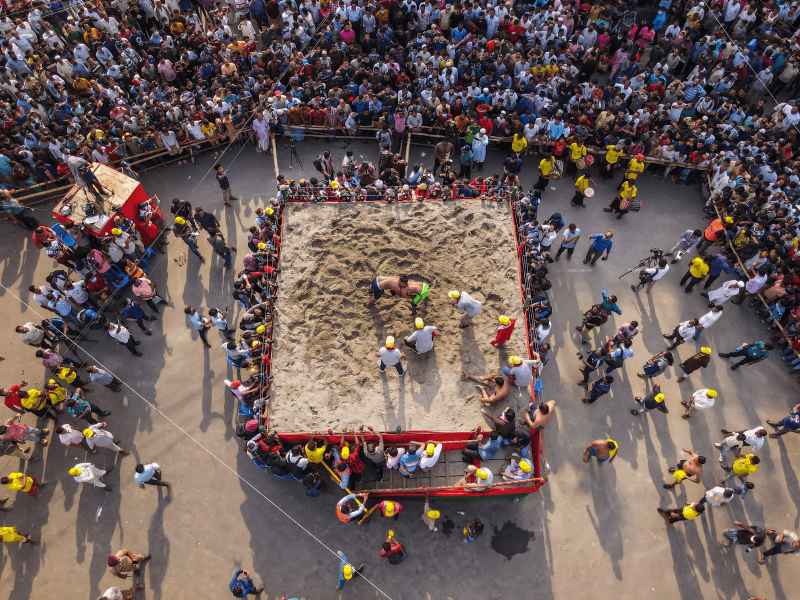
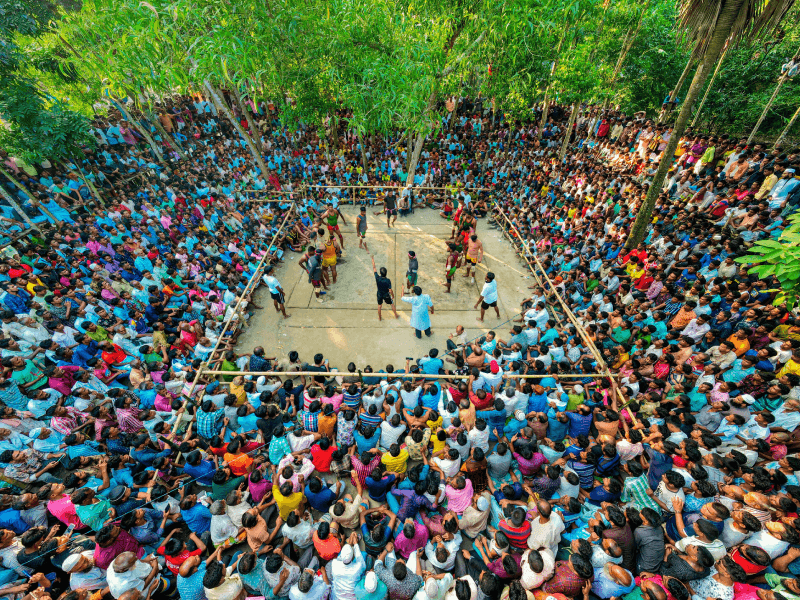
In the sweltering, humid month of Boishakh (April), the historic Laldighi Maidan in the bustling port city of Chattogram transforms into a roaring arena of sand, sweat, and immense regional pride. Jobbarer Boli Khela, a traditional form of Bengali wrestling, is a raw, visceral spectacle that dates back to 1909. Today, it stands as a fiercely proud, high-energy cultural phenomenon that draws combatants and massive crowds from every corner of the country.
The atmosphere at Laldighi Maidan is electric. The wrestlers, locally known as Bolis, enter the ring to the hypnotic, primal beats of the Dhol (traditional drum) and the high-pitched wail of the Sanai (flute). The sight of two powerful men locked in a gritty, sand-covered embrace, fighting until one is successfully pinned to the earth, is both breathtaking and deeply cinematic.
The fair is a treasure trove of Chittagonian culture, featuring everything from intricate hand-woven bamboo crafts to local culinary delights. Yet, the heart of the festival remains the wrestling ring. For an international traveller, Jobbarer Boli Khela offers a rare, thrilling glimpse into a deeply rooted, hyper-local tradition—a magnificent celebration of physical prowess, historical defiance, and unyielding community spirit.
Approach the celebration as a guest: follow the host community's instructions, ask before photographing people or private ritual, buy directly from identified local makers and leave sacred, public and natural spaces undisturbed. Confirm the current programme shortly before departure, because weather, security and community decisions can change access. Carry only what the venue allows, protect yourself from heat or rain, agree on a meeting point and keep the route clear for worshippers, performers, residents and emergency services. If access changes, accept the host's decision and switch to a public programme rather than pressing into a private or unsafe space.
Current rules, wrestler divisions and arena layout belong to the organisers and should be checked rather than inferred from older descriptions. Spectators must stay outside the ring, follow crowd barriers and avoid climbing nearby structures for a view. April heat is serious: carry water, use sun protection and step away if the crowd compresses. The wider fair can be as rewarding as the matches, especially for bamboo, cane and household craft, but ask before photographing traders or wrestlers at close range. Arrive early and arrange a pickup beyond Laldighi’s road closures.
Immersive Experience
No 360° Videos available
Destination Gallery
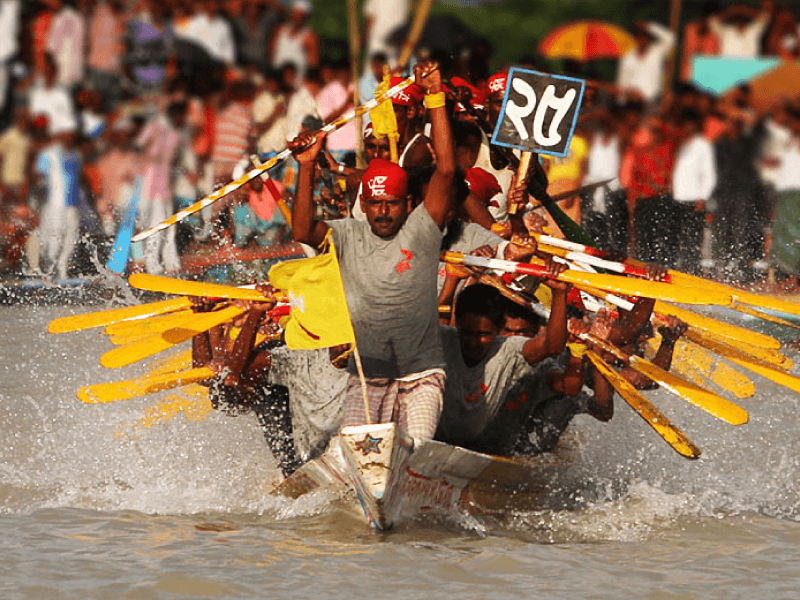
Boat Race (Nouka Baich)
Hear drums and sari gaan drive long racing boats across Bangladesh’s monsoon-fed rivers
Explore More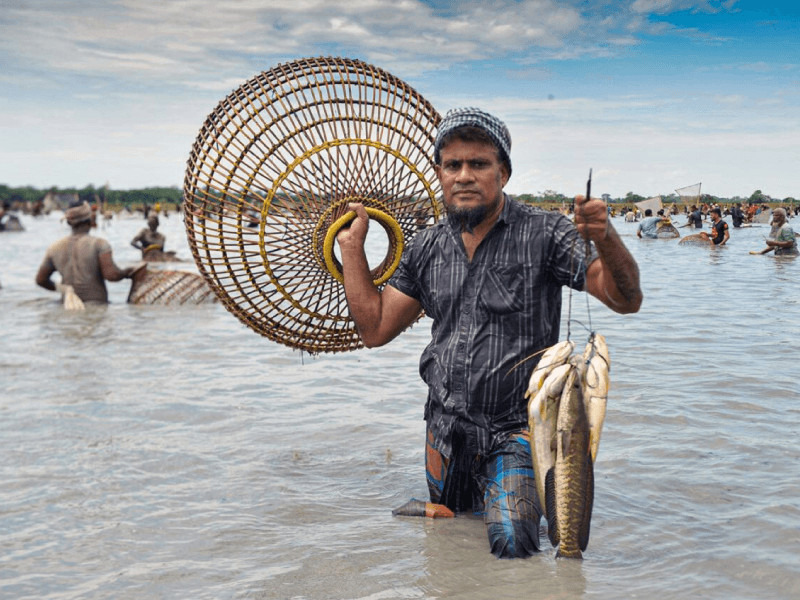
Polo Bawa Festival
Watch a winter wetland erupt as villagers fish together with bell-shaped bamboo traps
Explore More