

Boat Race (Nouka Baich)
Hear drums and sari gaan drive long racing boats across Bangladesh’s monsoon-fed rivers
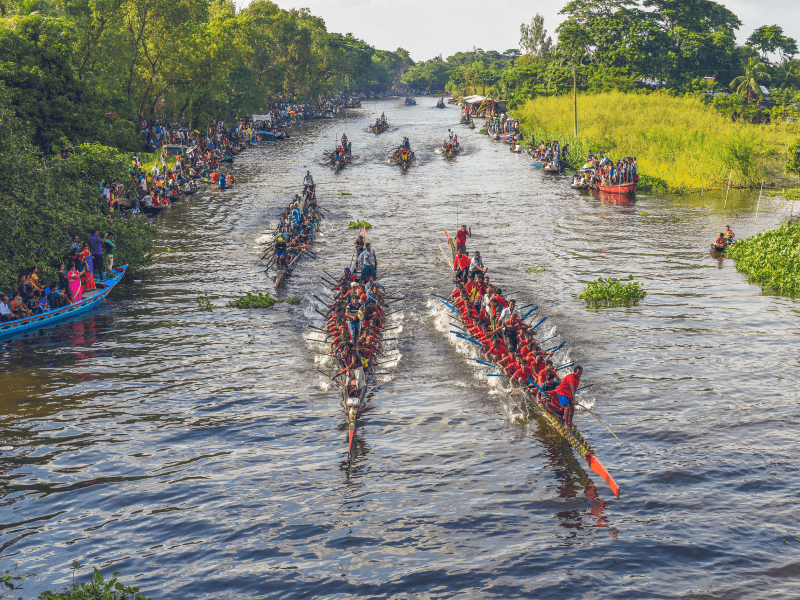
Find the riverbank, wait for the signal and feel every oar strike at once.
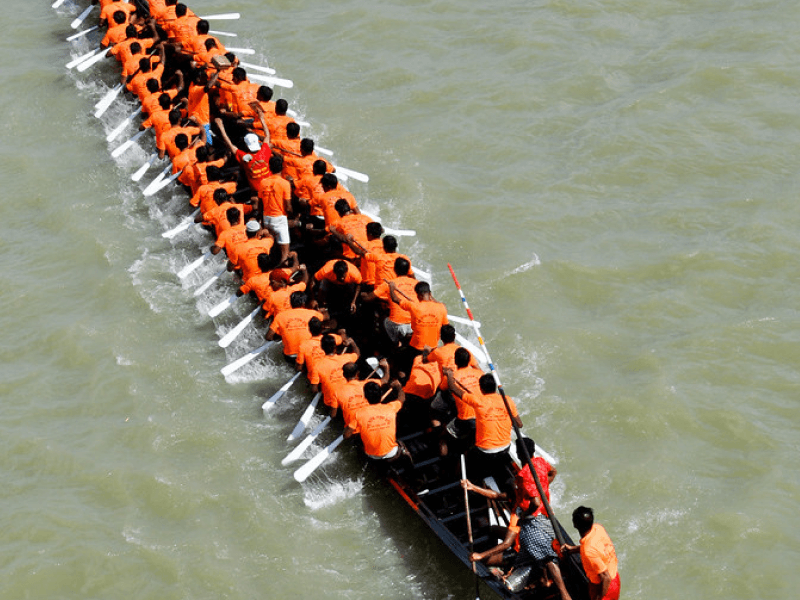
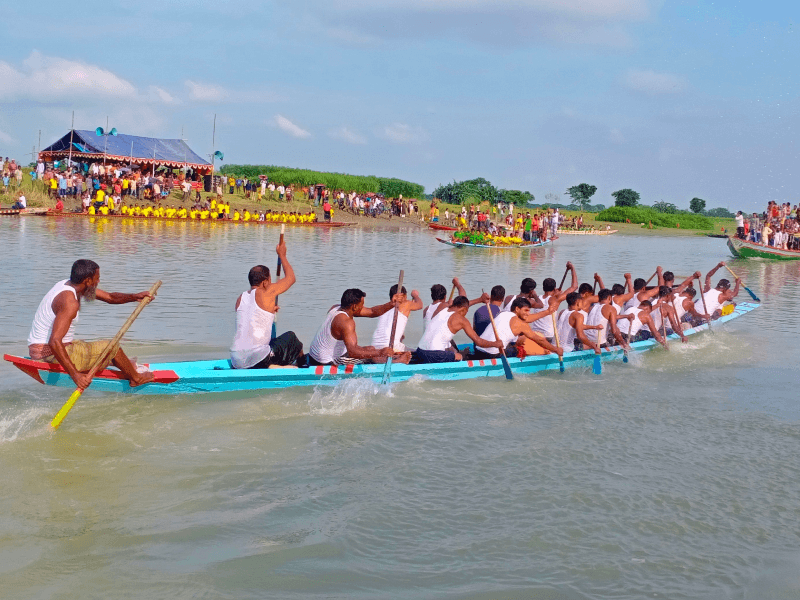
To truly understand the untamed energy and heart of this riverine country, one must witness the spectacular Nouka Baich, or Traditional Boat Race. Held during the monsoon and autumn months when the rivers swell to their majestic fullest, these races are not mere sporting events; they are roaring, adrenaline-fuelled celebrations of the nation's deep, unbreakable bond with the water. For an international spectator, it is a magnificent, heart-pumping spectacle of human endurance and synchronized power.
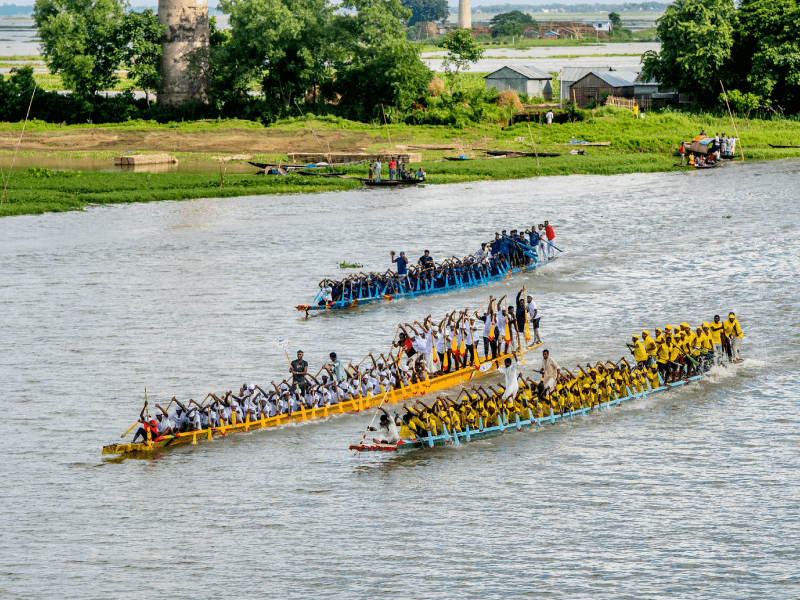
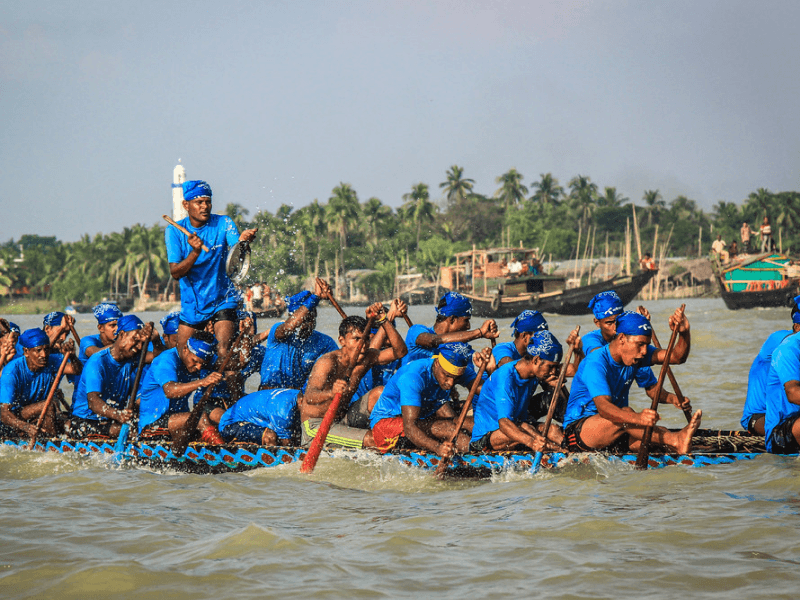
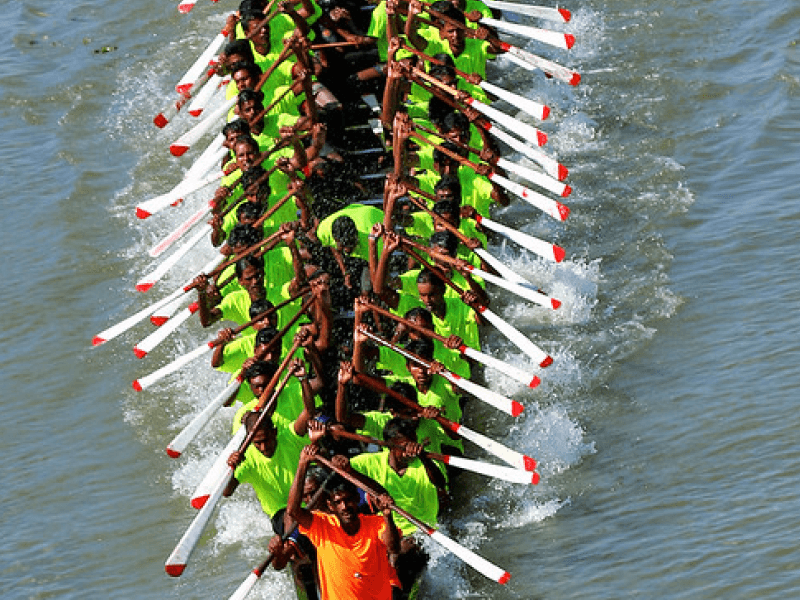
The sheer scale of the racing boats is staggering. Brightly painted racing boats cutting through wide, silty water create a powerful view from the authorised riverbank. The boatmen, dressed in vibrant, matching traditional outfits, sit in perfect, tense alignment, their oars poised and ready.
When the starting whistle blows, the river erupts. The air is instantly shattered by the thunderous, hypnotic beating of brass gongs and drums placed strategically in the centre of the boats. This rhythmic percussion is accompanied by Sari Gaan—traditional, high-energy folk songs sung by the oarsmen to keep their strokes in perfect, flawless synchronization. Experiencing a Nouka Baich is to feel the raw, rhythmic pulse of Bengal—a thrilling display of unity, strength, and heritage.
Approach the celebration as a guest: follow the host community's instructions, ask before photographing people or private ritual, buy directly from identified local makers and leave sacred, public and natural spaces undisturbed. Confirm the current programme shortly before departure, because weather, security and community decisions can change access. Carry only what the venue allows, protect yourself from heat or rain, agree on a meeting point and keep the route clear for worshippers, performers, residents and emergency services. If access changes, accept the host's decision and switch to a public programme rather than pressing into a private or unsafe space.
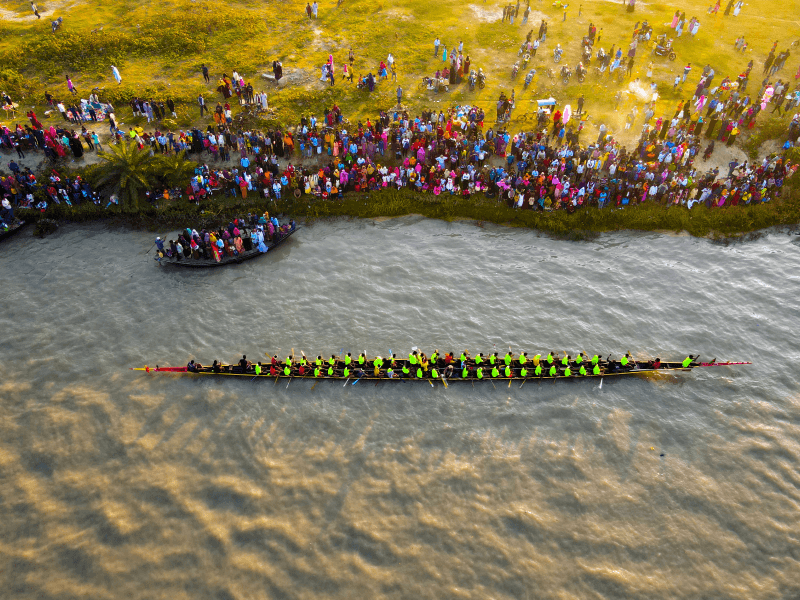
A safe race day begins with the organiser’s exact river reach, spectator zone and weather notice. Watch from a stable embankment or an officially managed vessel; never hire an informal boat to chase the racers. Boat length, crew size and crowd numbers vary widely, so avoid presenting one dramatic example as the national standard. Riverbanks can collapse or become slippery after rain, and children need constant supervision. Keep clear of launch lanes, wear a life jacket on any boat and carry sun and rain protection. The best photographs come from patience and position, not from crossing barriers.
Immersive Experience
No 360° Videos available
Destination Gallery
Jobbarer Boli Khela
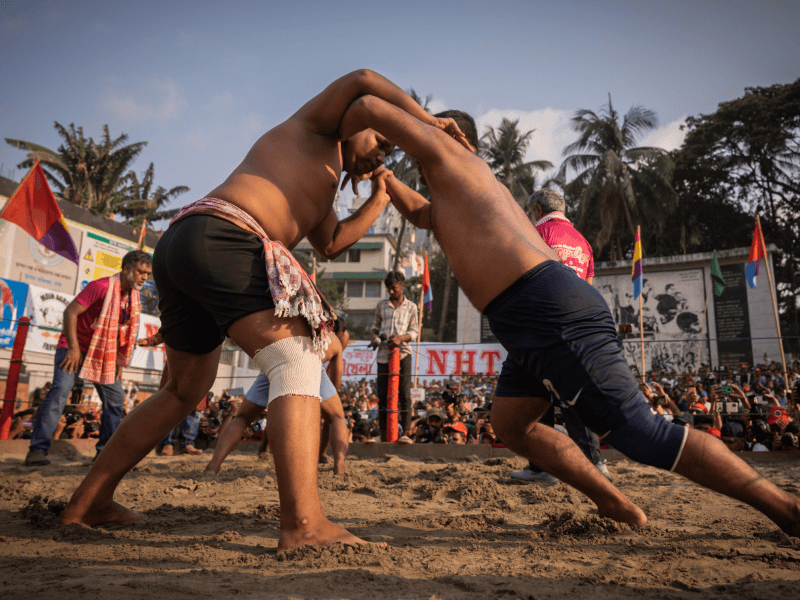
Enter Laldighi for Chattogram’s historic Boishakh wrestling and three-day fair
Explore More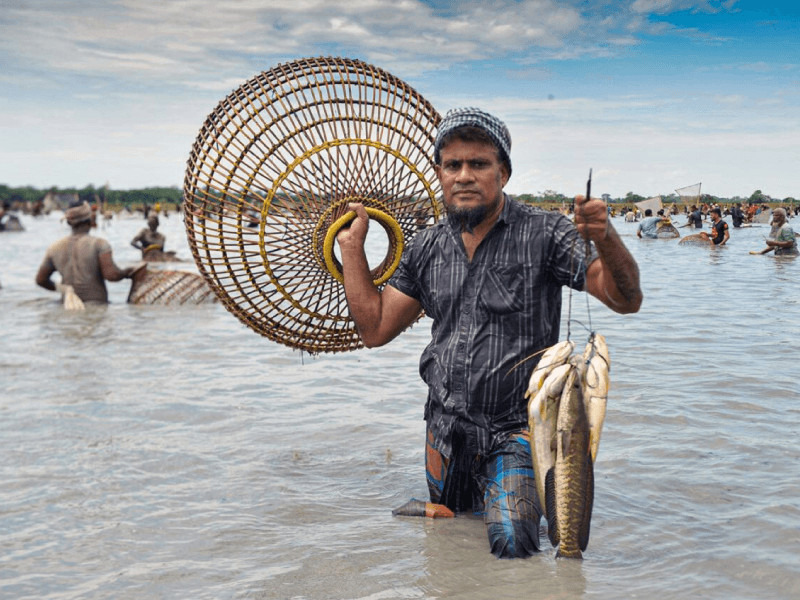
Polo Bawa Festival
Watch a winter wetland erupt as villagers fish together with bell-shaped bamboo traps
Explore More