

Guliakhali Beach
Step into a tidal maze of grass, mudflat, channels and open sky
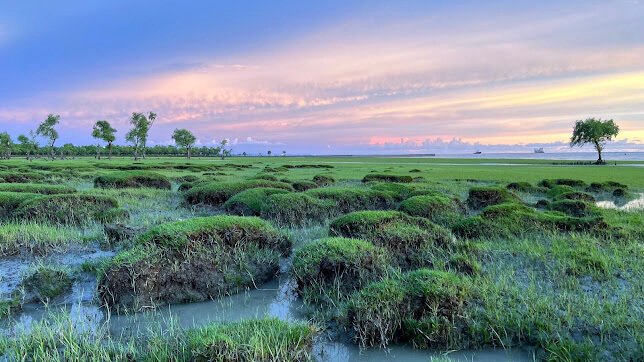
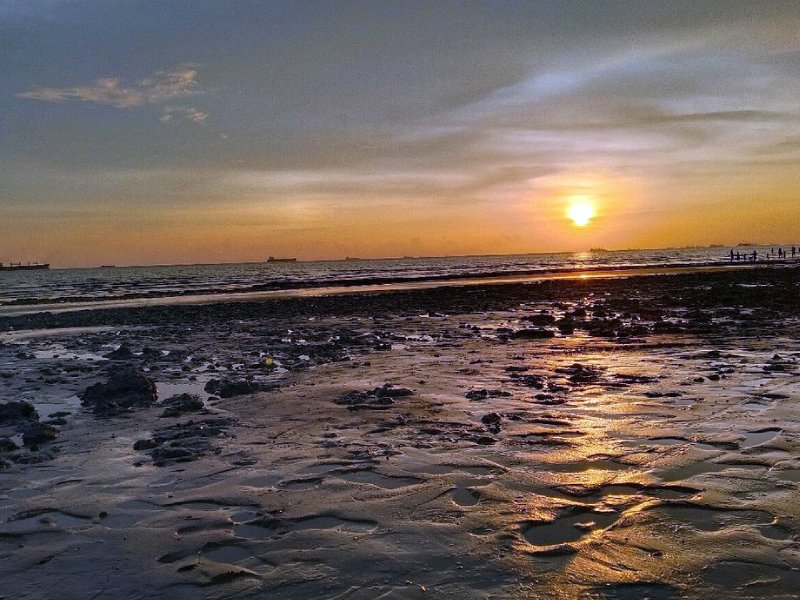
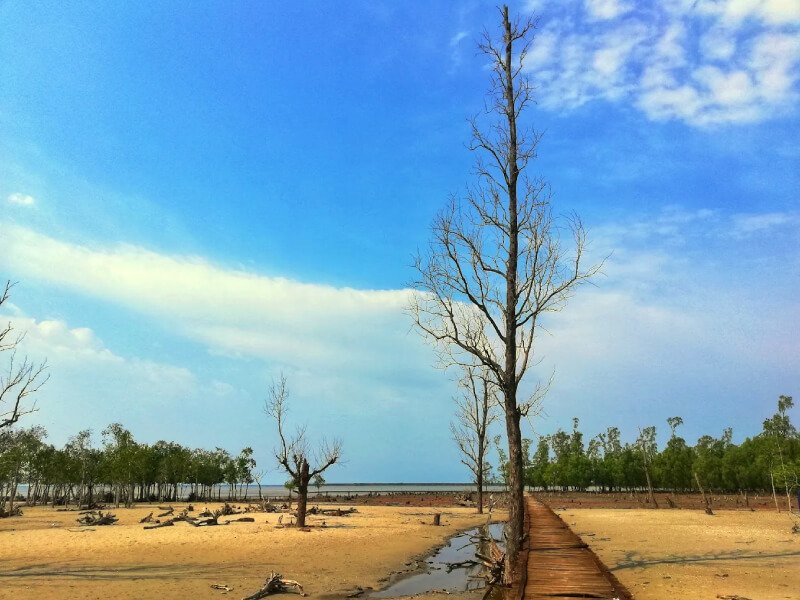
Forget the usual sandy beach—Guliakhali changes shape every time the tide moves.
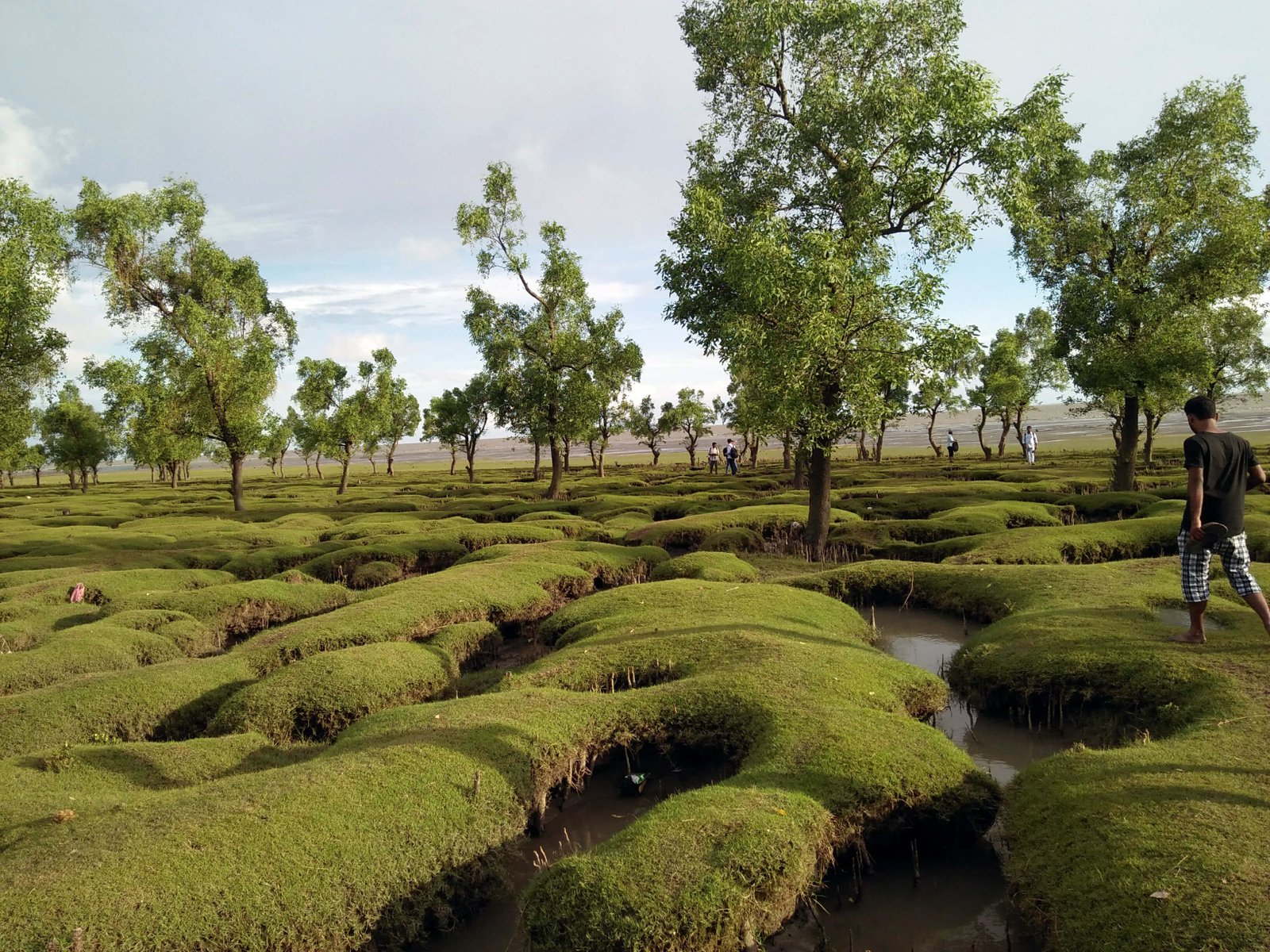
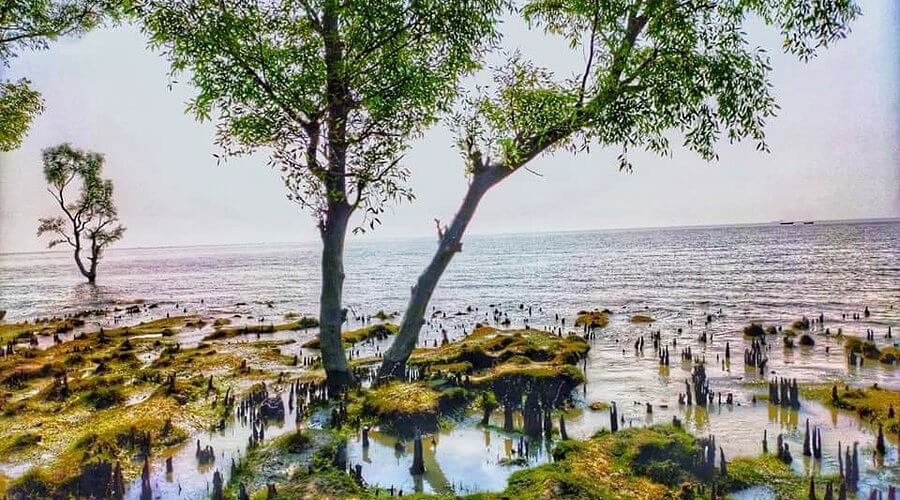
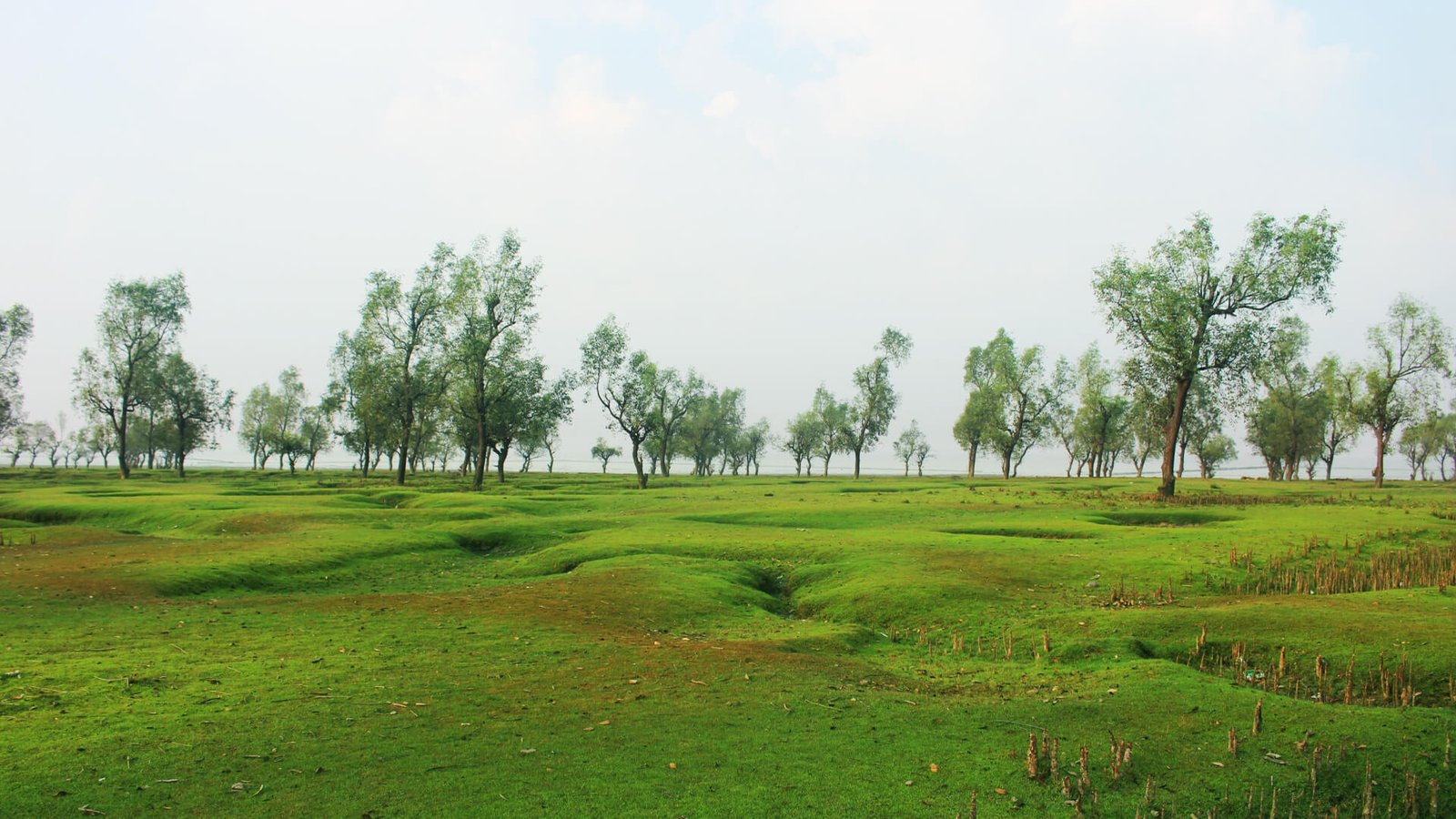
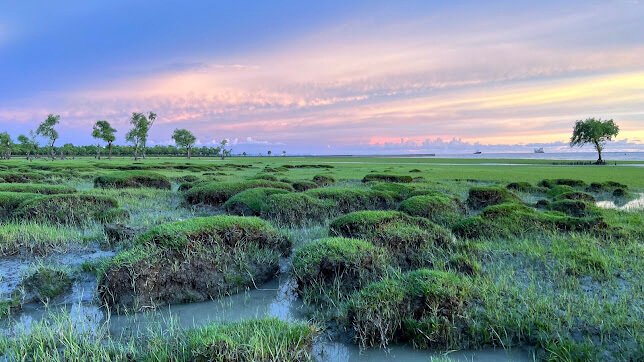
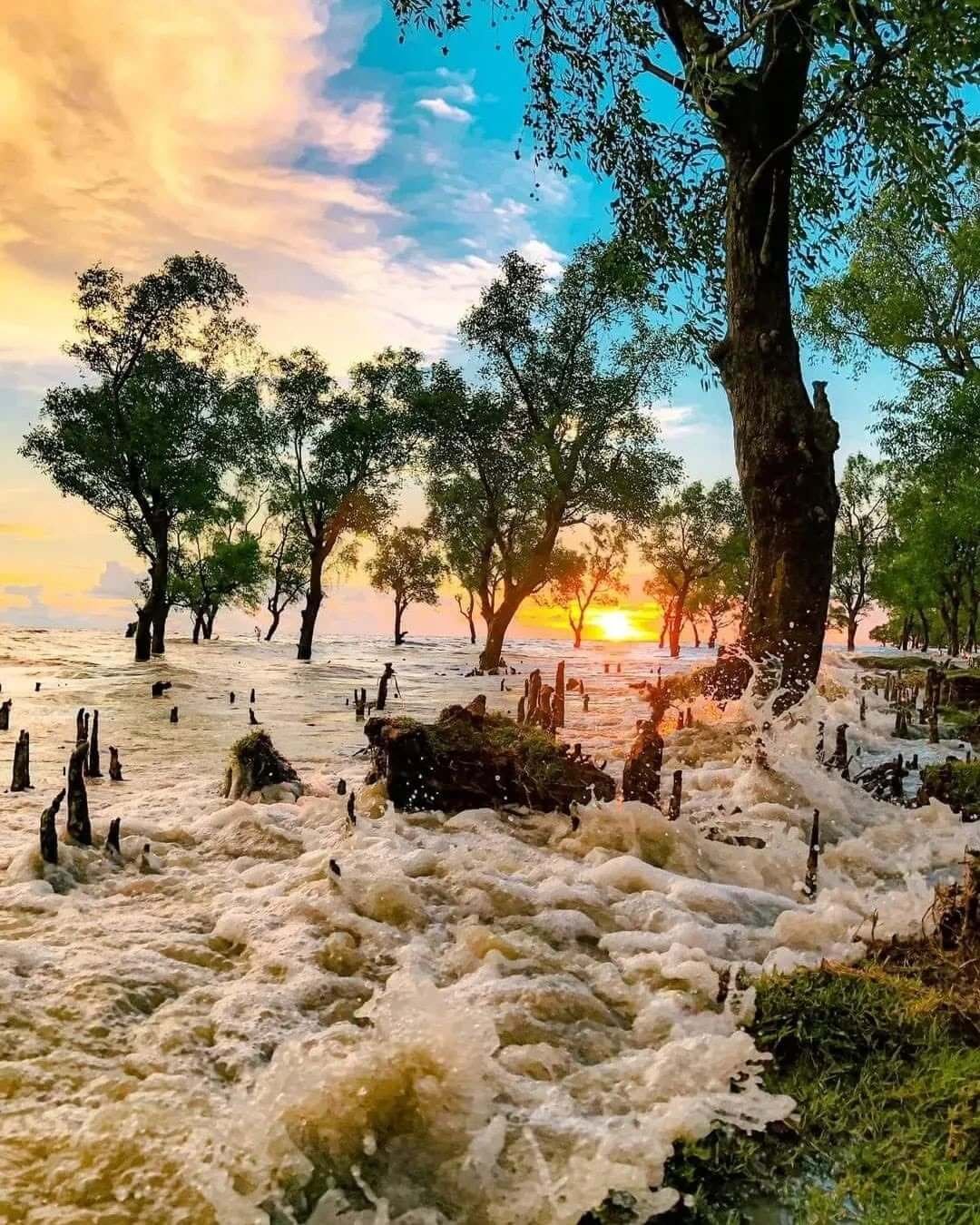
Guliakhali should be explored like a living tide map. Before departure, ask a reliable local contact about the day’s water level and weather. Lower tide exposes more mudflat, grass and branching channels; higher water can transform those same lines into isolated patches. Neither condition is automatically better, but arriving without tide awareness can leave little time to walk safely or can cut off an easy return path.
Wear footwear that can handle mud and uneven ground, carry water, and keep both hands free for balance. Follow established approaches rather than creating shortcuts across vegetation. The surface may look firm from a distance yet soften suddenly, while narrow channels can deepen as water returns. Travel with companions, remain within sight of other visitors and leave before dusk. This is not the place for swimming, fast running or driving across the grass.
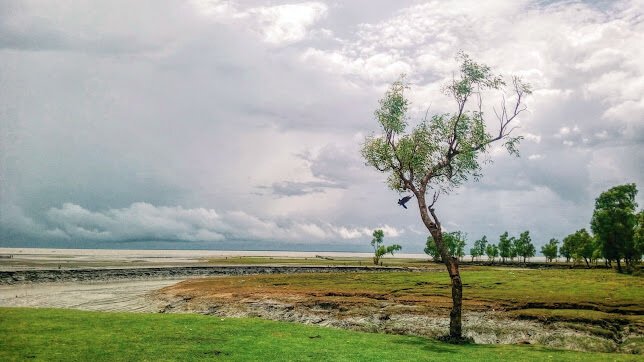
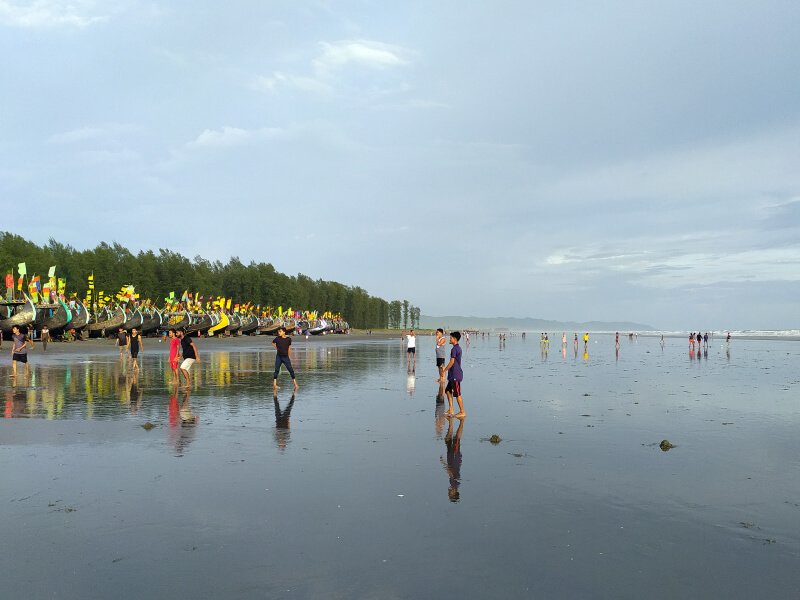
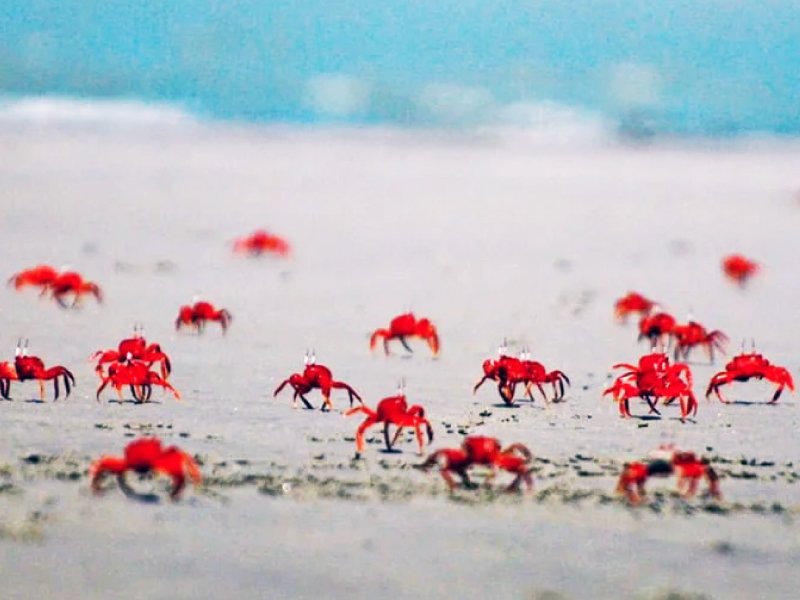
Photography works best when the landscape is allowed to remain quiet. Use the long horizon, reflections and winding water lines instead of trampling plants for a closer angle. Do not chase birds or handle crabs and other wildlife. On the way back, Sitakunda can provide food and transport connections, while Chattogram remains the stronger overnight base. Save the driver’s number and confirm the correct pickup location, because the coastal approach may not have constant public transport. Guliakhali’s drama comes from uncertainty: land becomes water, green turns silver and every hour redraws the scene. Respect that movement, and the visit becomes a true tidal adventure rather than a risky walk across unfamiliar ground.
Immersive Experience
No 360° Videos available
Destination Gallery


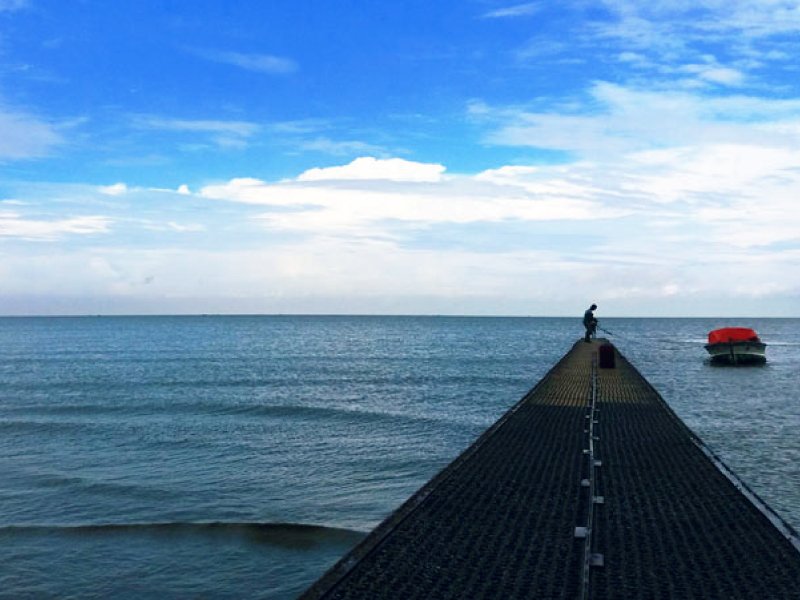
Banshbaria Sea Beach
Leave the highway and chase the tide across Sitakunda’s open coast
Explore More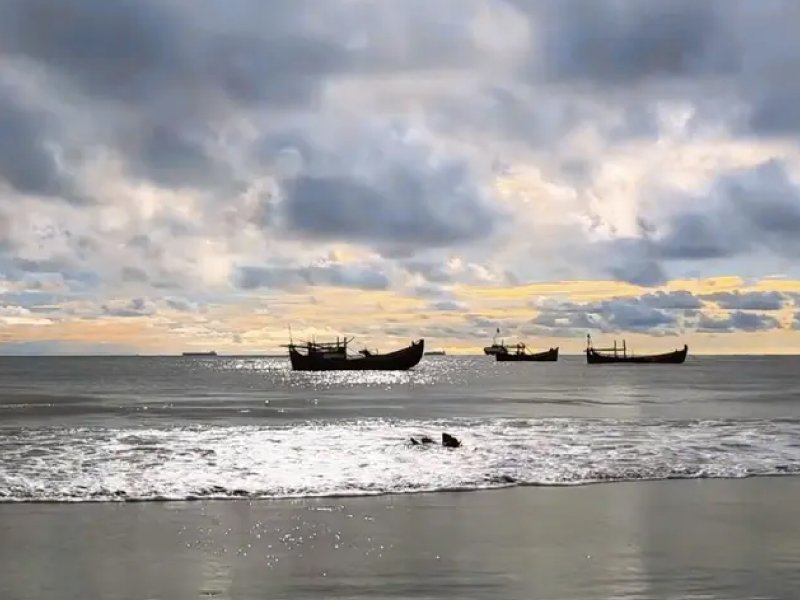
Banshkhali Sea Beach
Roam a rural coast where villages, fishing grounds and the Bay share the horizon
Explore More