

Watermelon from Khulna
Cross the southern fields where coastal resilience ripens into cool red sweetness.
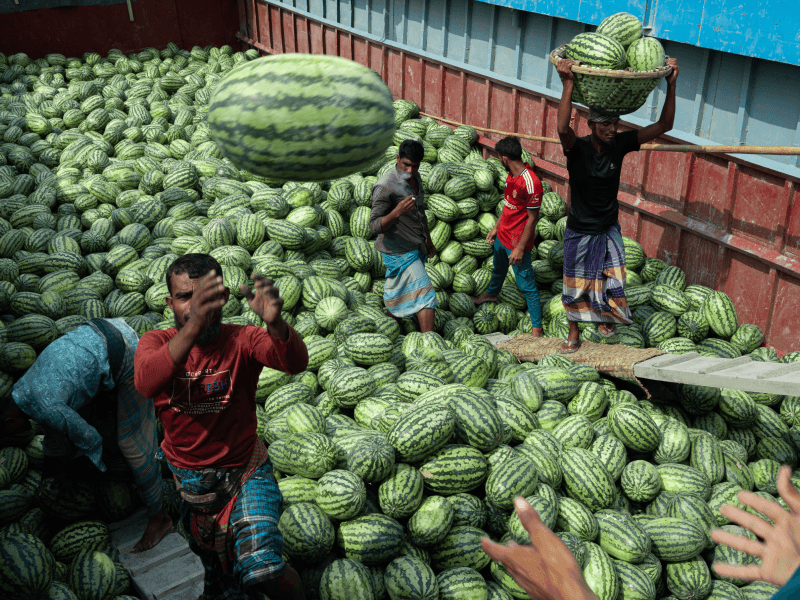
Meet the harvest where vines, heat and river-country roads collide.
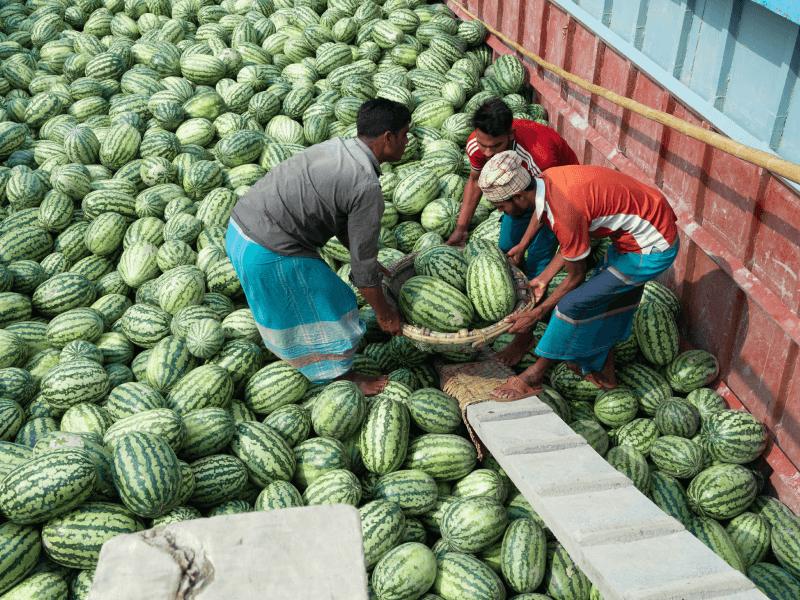
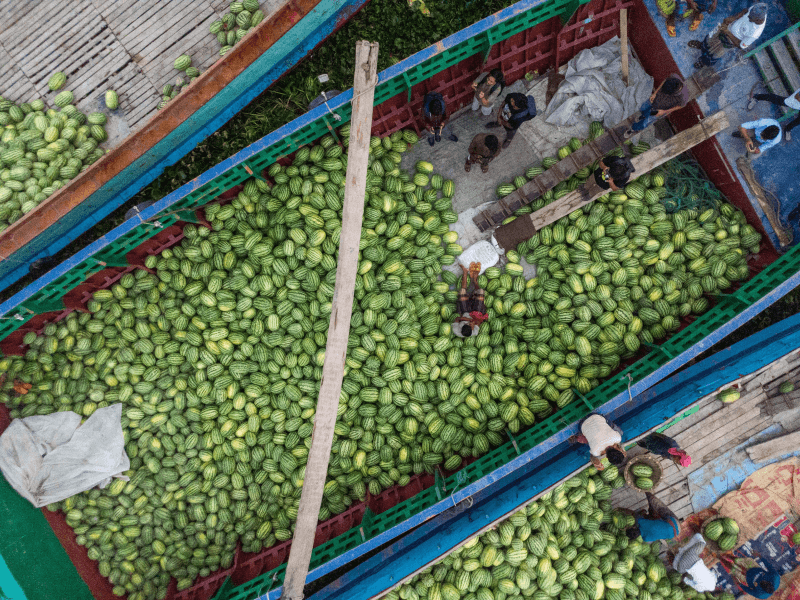
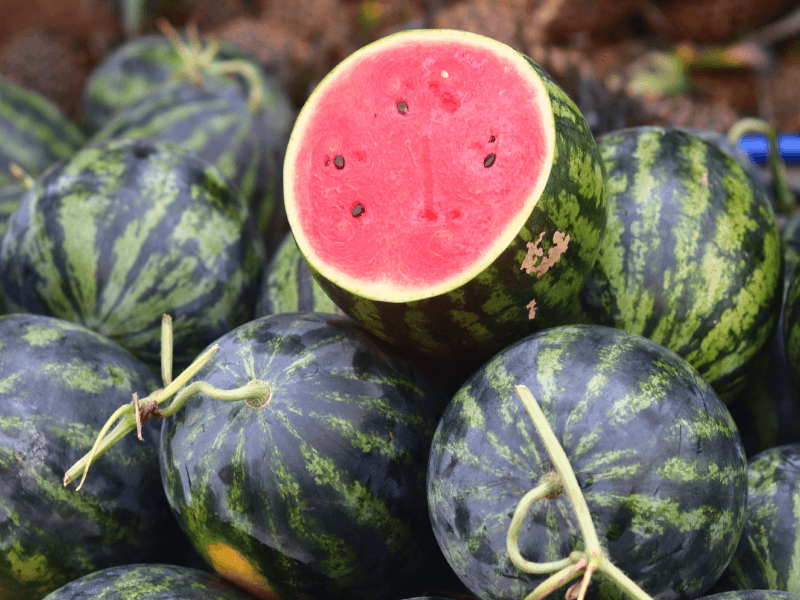
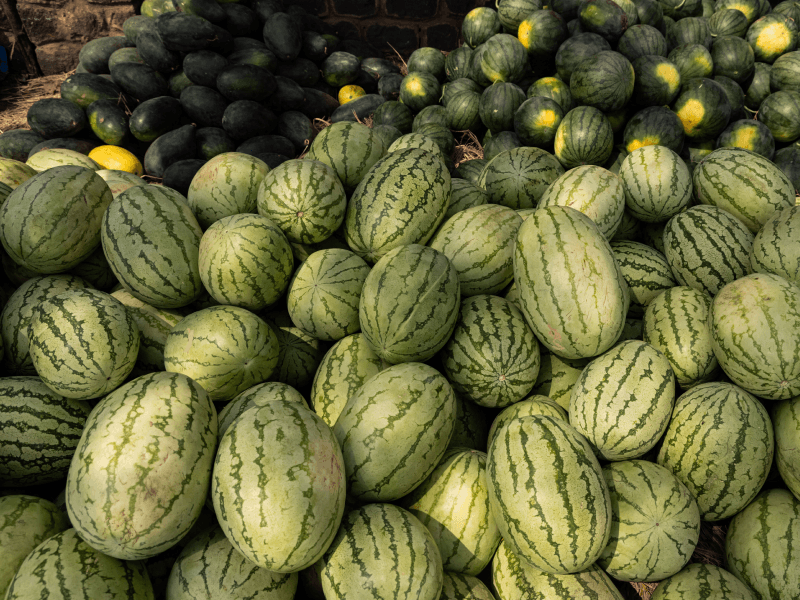
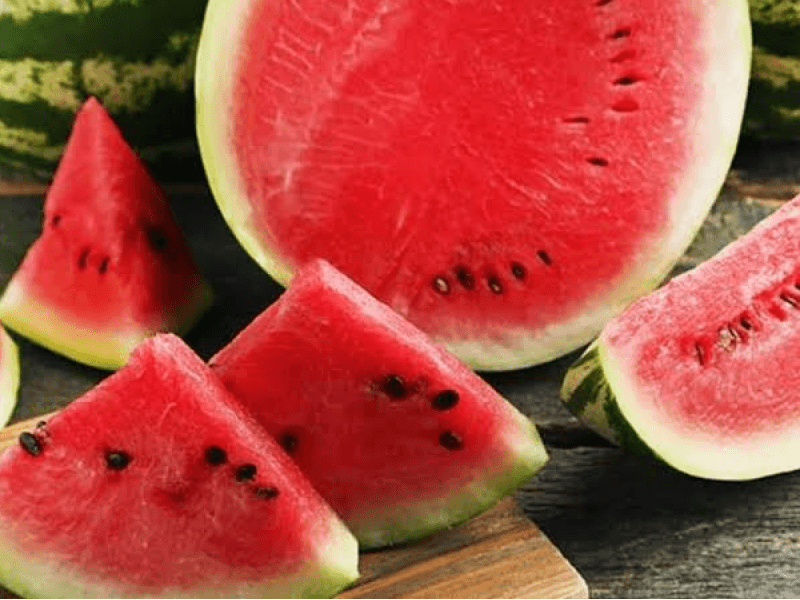
Watermelon farming across the Khulna agricultural region has become a vivid story of seasonal enterprise and adaptation. In the main dry-season harvest, fields of low vines spread across open land before truckloads move toward city markets. More recently, Department of Agricultural Extension-supported off-season cultivation has expanded in parts of Dumuria, with 2026 reporting identifying villages in several unions as demonstration areas. This means travellers must verify the exact crop, field and timing rather than assume every rural road leads to watermelon.
A responsible visit begins with a grower or agriculture contact. Walk only where directed; vines and young fruit are easily damaged by careless feet. Farmers can explain planting, mulching, weather risk and how maturity is judged before cutting. Never pick a melon for a photograph, stand on raised beds or ask a farmer to open market-ready produce without purchasing it. A chilled slice at a local market can be as authentic as a field visit.
The traditional season often peaks from March into May, when heat makes the fruit especially refreshing. Off-season summer production may create additional July or August opportunities, but it is not universal and rain can transform field access. Start early, carry sun and rain protection, and avoid rural travel during thunderstorms or waterlogging. Agree guiding, transport and tasting costs in advance.
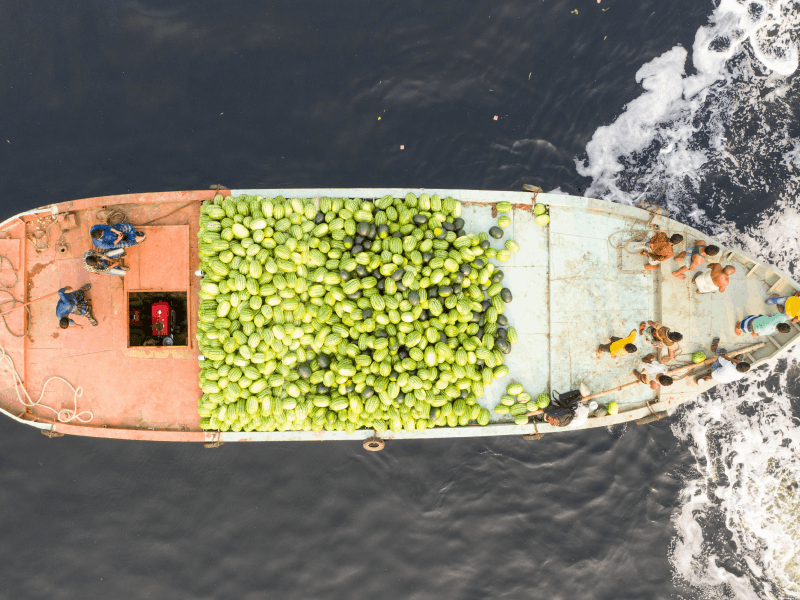
Khulna city is the strongest accommodation base, with established hotels and transport toward Dumuria and other producing areas. For raw landscape experience, a local guesthouse near the confirmed field can reduce travel, but it requires careful checking. The journey is less about a single famous orchard than following a seasonal supply chain: field, roadside loading point, market and finally a crisp red slice earned after a hot southern morning.
Ask whether the field is conventional seasonal production or an off-season demonstration. That small question prevents inaccurate storytelling and gives farmers proper credit for the methods they are testing.
Immersive Experience
No 360° Videos available
Destination Gallery
Guavas of Barisal
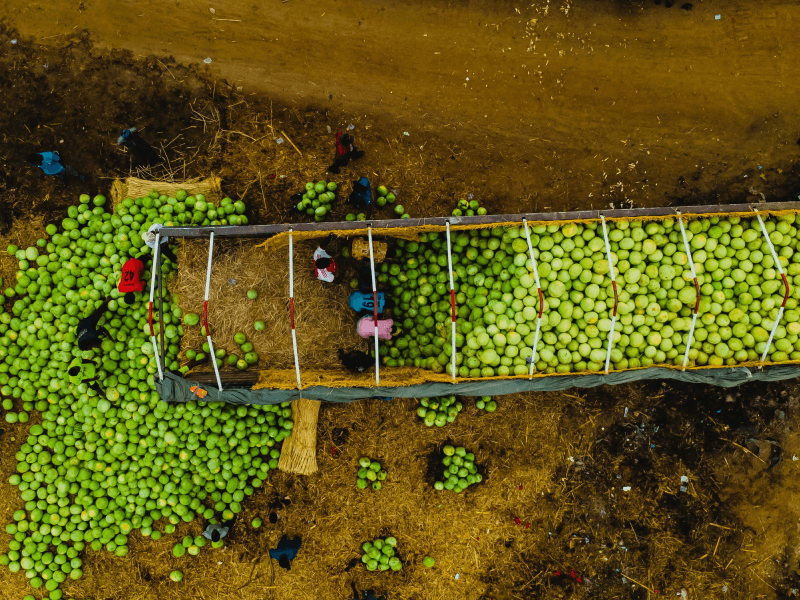
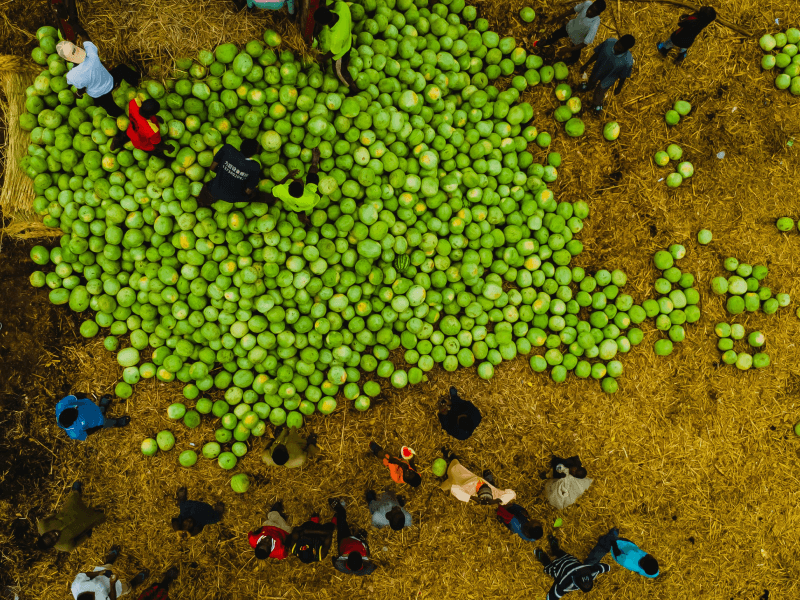
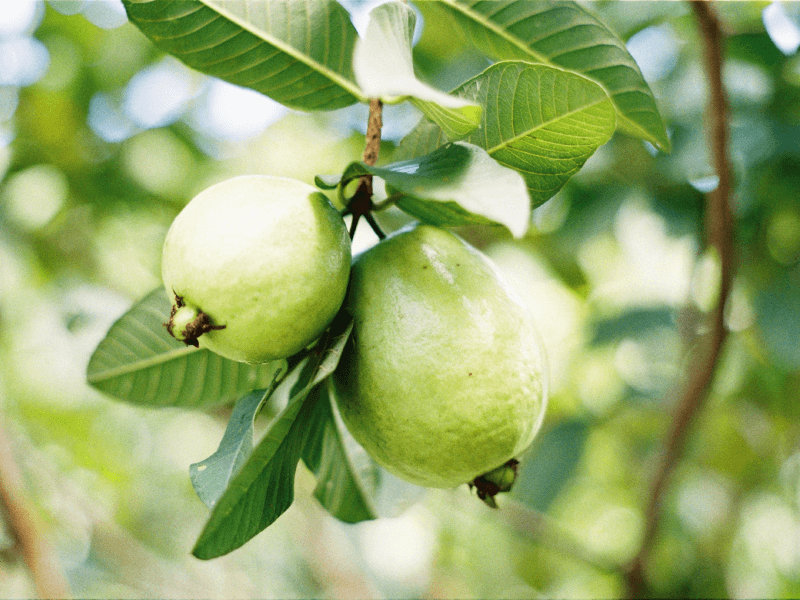
Board a wooden boat and enter a floating harvest of guavas, canals and village trade.
Explore More