Village Life
The true historical and cultural foundation of Bangladesh
The Soulful Harmony of Rural Traditions.
Simplicity, Hard Work, and Deep Community Bonds.
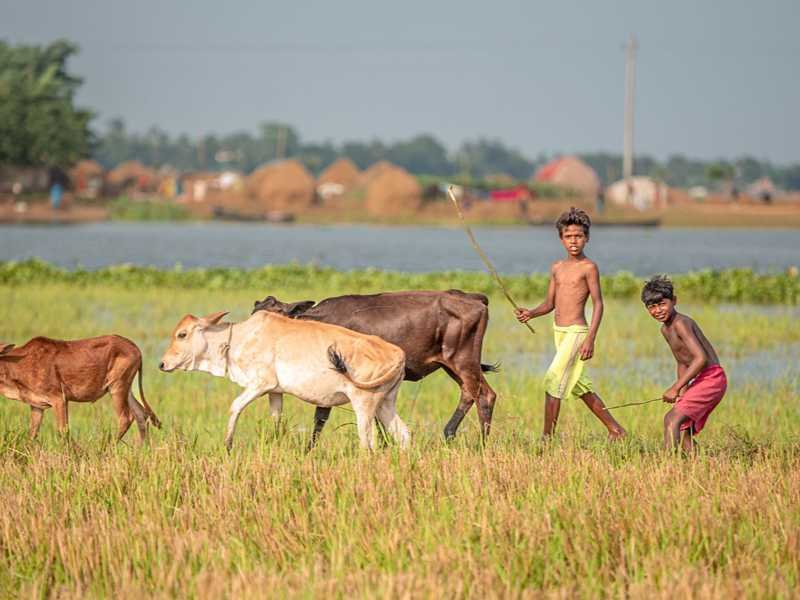
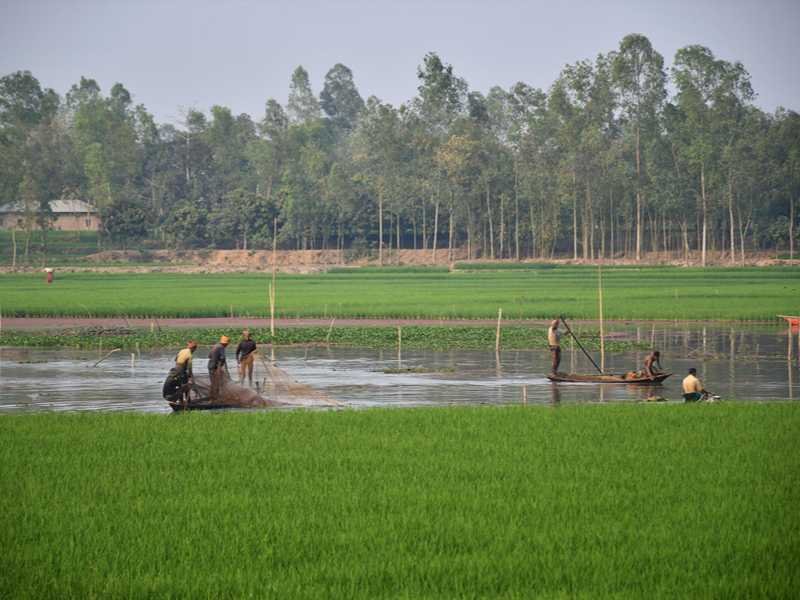
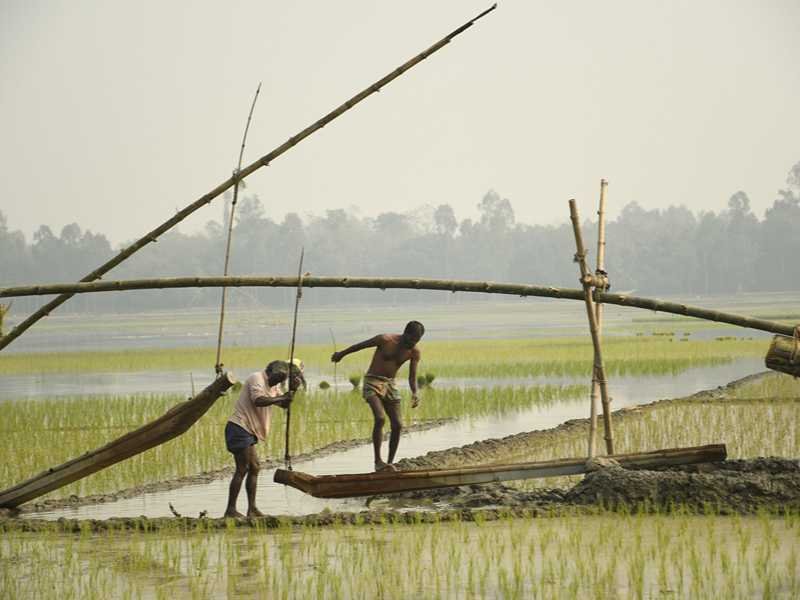
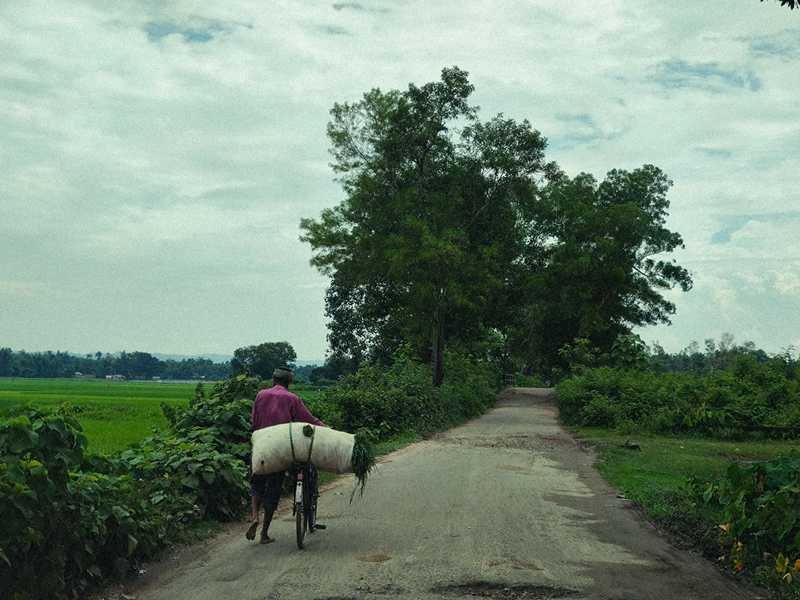
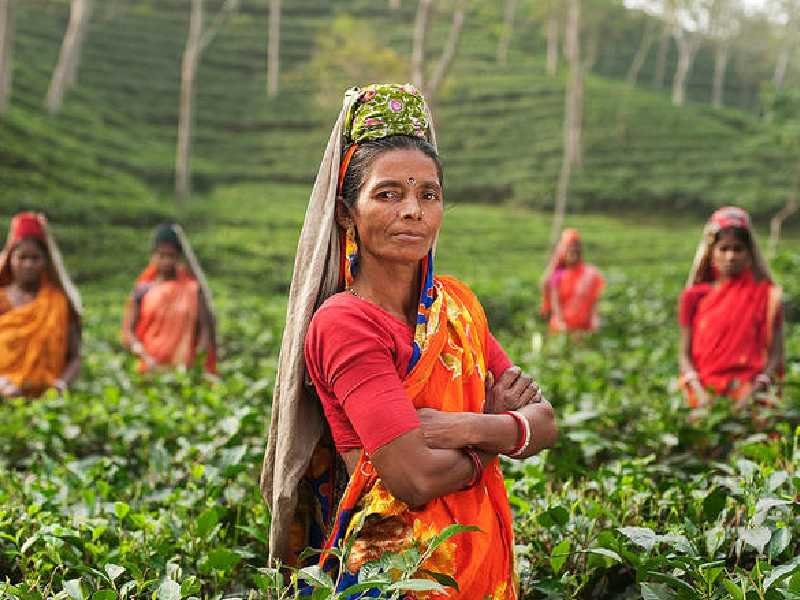
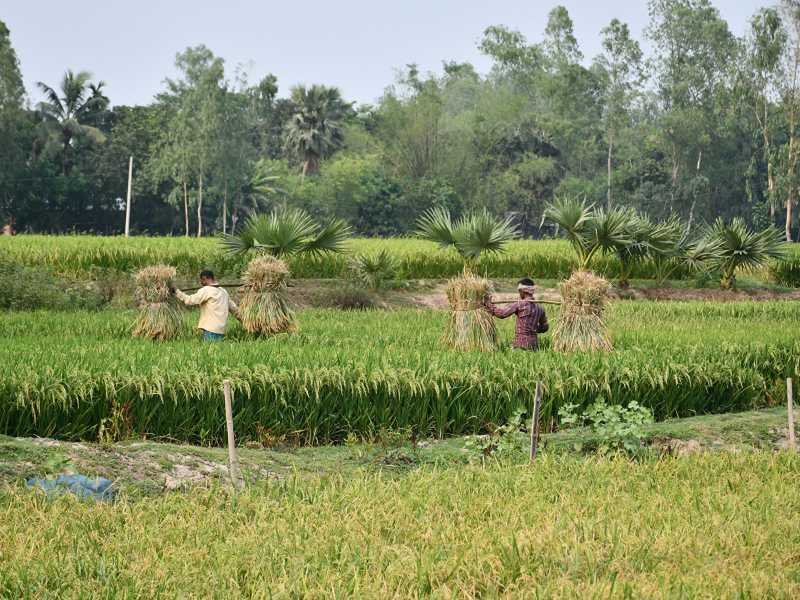
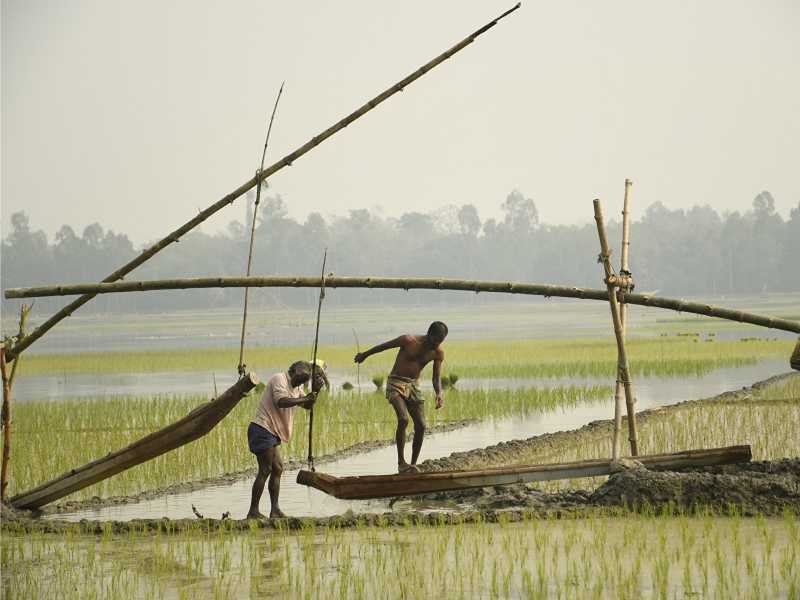
Village life in Bangladesh represents the true historical and cultural foundation of the nation. Away from the chaotic noise of the urban centers, the rural landscape offers a profound sense of tranquility and a deep connection to nature. The visual scenery consists of endless green paddy fields, winding muddy rivers, and dense clusters of bamboo and fruit trees. Life here moves at a significantly slower and more deliberate pace. The daily routine strictly follows the natural cycle of the sun. The village wakes up at the crack of dawn to the sound of roosters and the call to prayer.
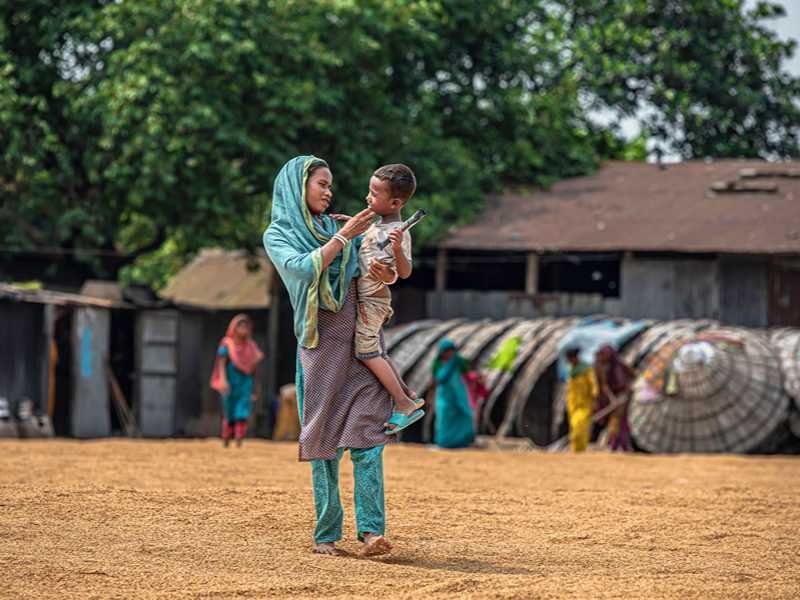
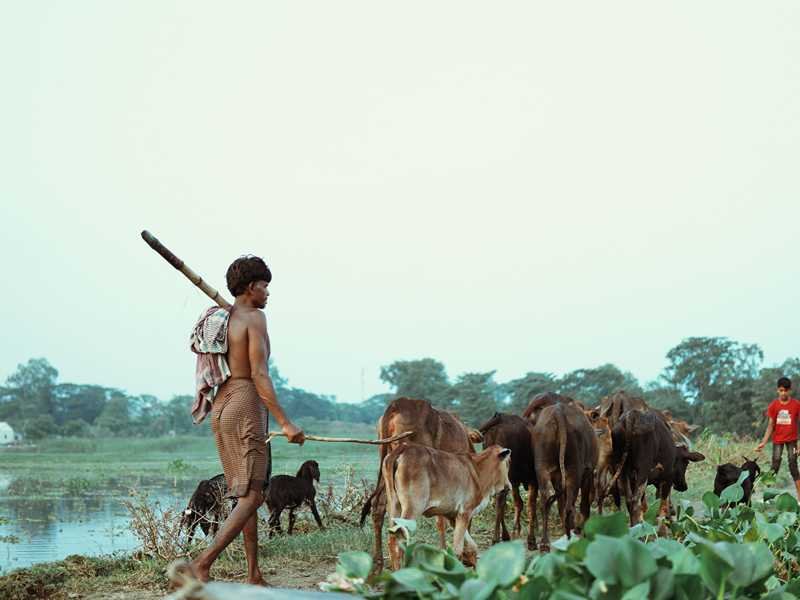
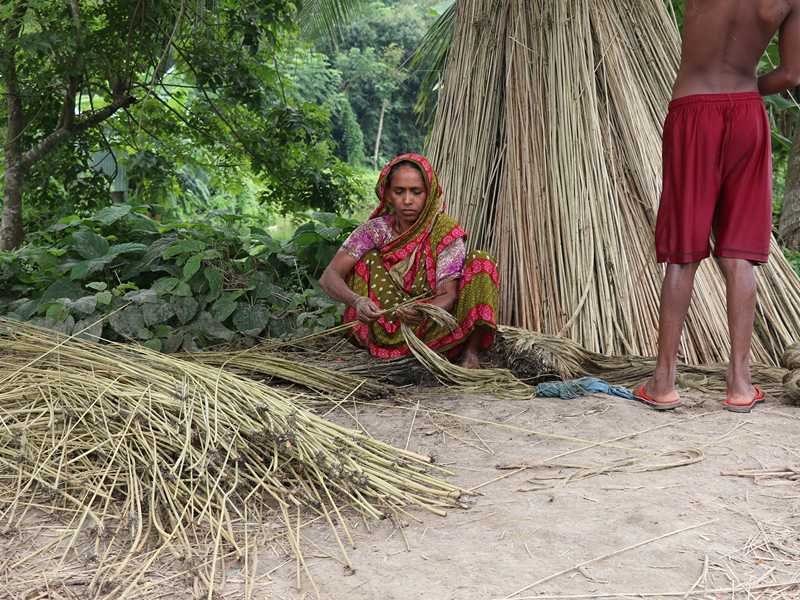
Morning activities involve tending to livestock, fetching fresh water, and preparing the fields for the day's agricultural work. The architecture of a traditional village reflects practical adaptation to the local environment. Families build their homes using mud, bamboo, and corrugated tin. They center their houses around a shared open courtyard. This courtyard serves as the absolute focal point of domestic life. Women use this space to dry crops, weave traditional mats, and prepare large family meals.
Community bonds in the village remain incredibly strong. Everyone knows their neighbors, and privacy takes a backseat to collective involvement. During times of joy, such as weddings or harvest festivals, the entire village participates in the celebrations. They share food, play traditional music, and decorate their homes with vibrant colors. Similarly, during times of crisis, the community immediately rallies to support the affected families. The local tea stall acts as the primary social club for the men. They gather there every evening to discuss local politics, share agricultural advice, and watch television.
Religion and ancient traditions heavily influence daily village behavior. Respect for elders is paramount, and traditional conflict resolution methods often take precedence over formal legal systems. However, village life is also slowly changing. The introduction of electricity, paved roads, and mobile internet has connected these remote areas to the wider world. Despite these modern conveniences, the core essence of rural life remains intact. It is a life defined by simplicity, hard work, and a beautiful harmony with the natural world. The village remains the spiritual home for millions of Bangladeshis.
Immersive Experience
No 360° Videos available
Destination Gallery