Sylheti Tea Worker Culture
The hidden soul of the rolling green valleys
A Legacy Woven into the Green Hills.
Resilience and Heritage in the Tea Estates.
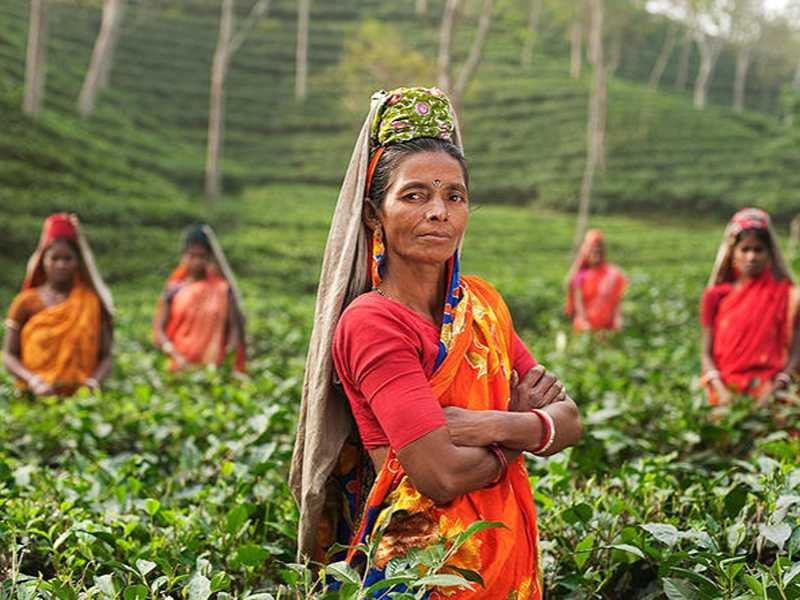
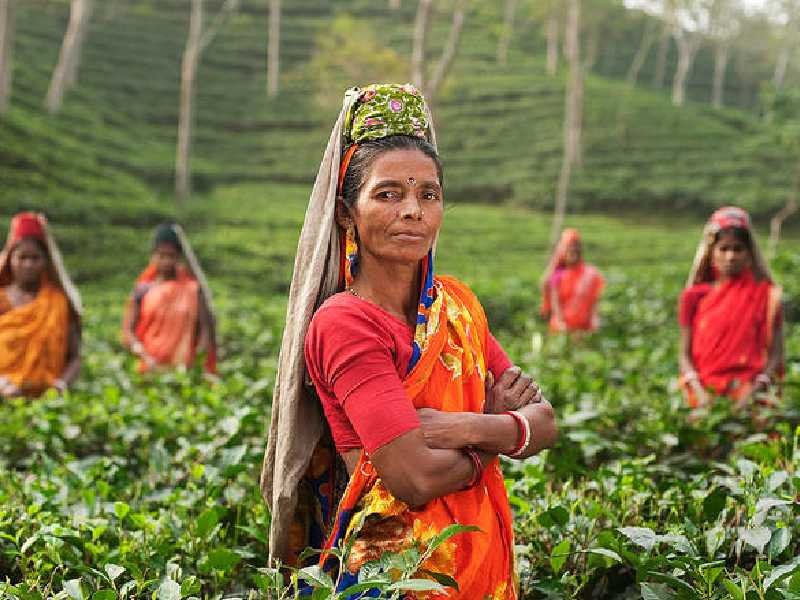
The tea gardens of Sylhet form a breathtaking landscape of rolling green hills and meticulously pruned bushes. However, the true soul of this region lies in the unique culture of the tea workers. These communities have lived on the estates for generations. The British originally brought their ancestors from different parts of the Indian subcontinent over a century ago. Today, the tea workers maintain a distinct cultural identity that separates them from the mainstream Bengali population. They speak their own unique dialects and practice rich ancestral traditions.
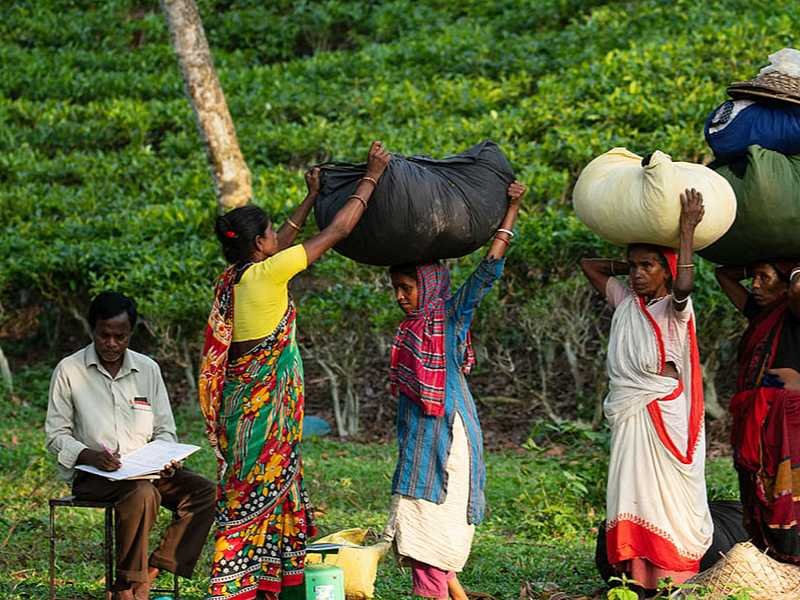
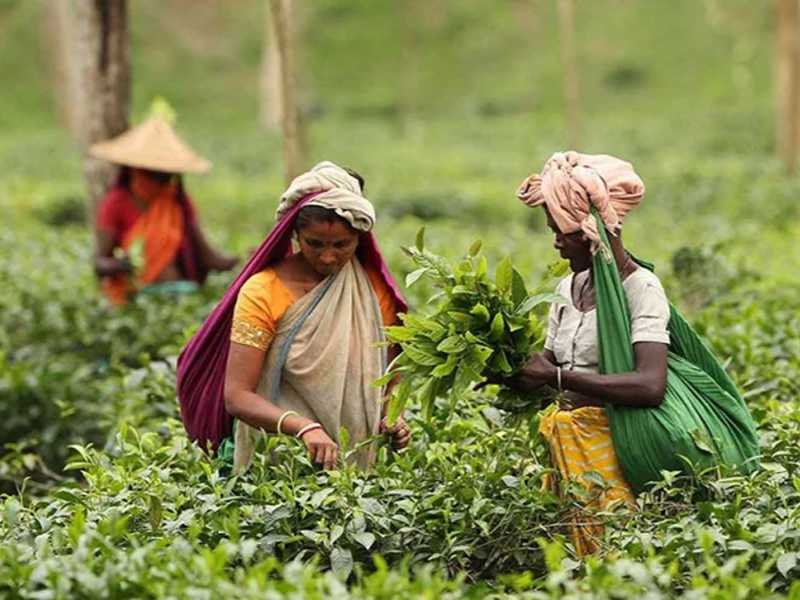
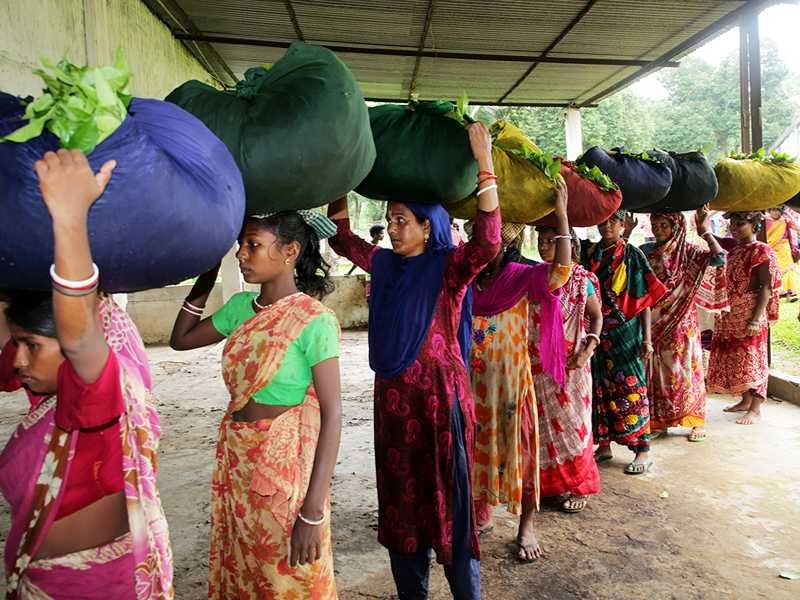
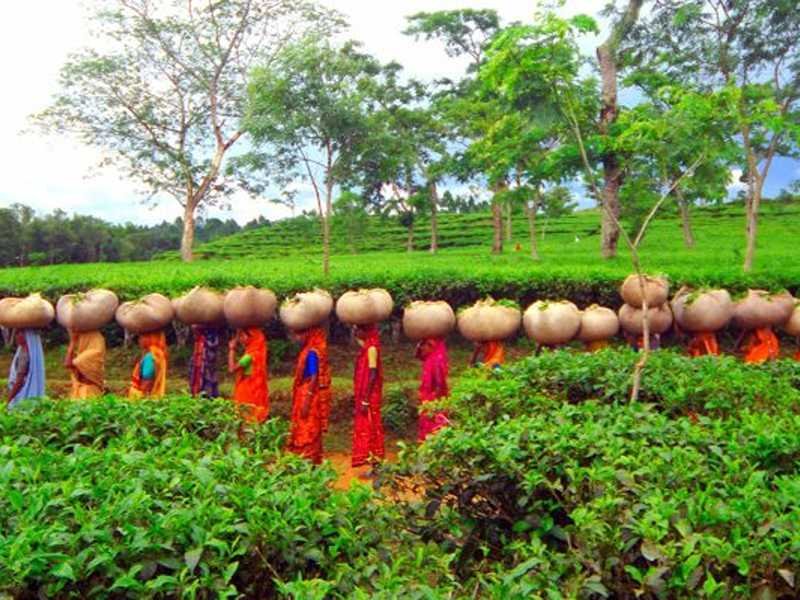
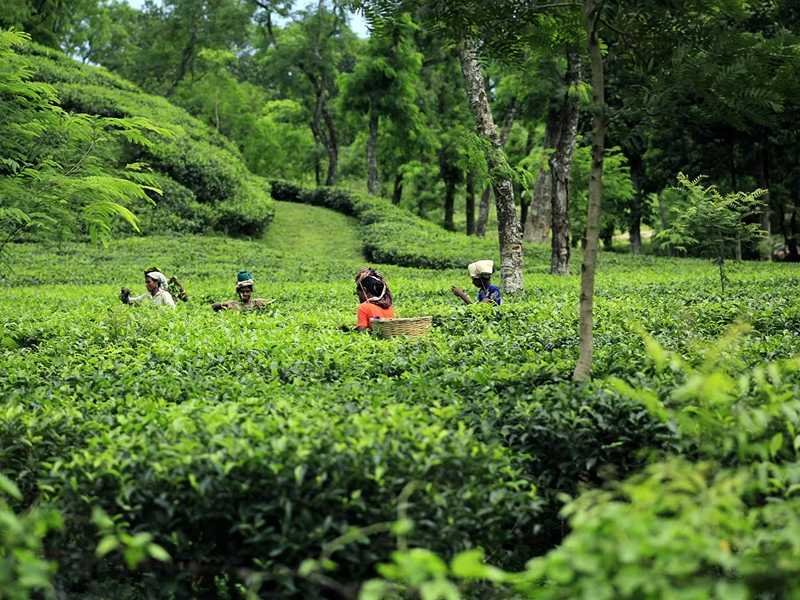
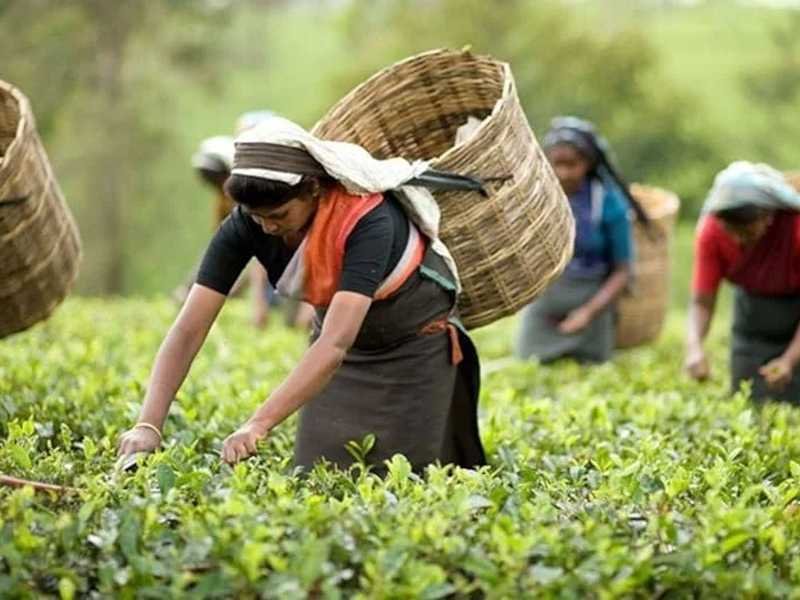
The work demands immense physical endurance and skill. Women predominantly handle the delicate task of plucking the tea leaves. They walk through the terraced gardens with large woven baskets resting on their backs. They expertly select only the famous two leaves and a bud to ensure the highest quality of tea. The workers endure intense heat and heavy monsoon rains to keep the industry thriving. Their daily lives revolve entirely around the schedule of the tea estate. The estate management provides housing, basic medical care, and primary education within the garden boundaries.
This isolation fosters a deeply tight-knit community structure. Neighbors share everything from daily meals to childcare responsibilities. Music and dance play a crucial role in their social lives. During the evenings and festive occasions, the communities gather to perform vibrant traditional dances. They play rhythmic beats on local drums and sing songs that narrate their history, struggles, and hopes. Their religious practices often blend mainstream Hinduism with ancient indigenous beliefs. They celebrate vibrant festivals that honor nature and agricultural fertility.
The culinary traditions of the tea workers also differ significantly from the rest of Sylhet. They rely heavily on simple hearty meals made from local vegetables, lentils, and sometimes forged wild plants from the surrounding forests. Despite their immense contribution to the national economy, the tea workers face significant economic challenges. They fight continuously for better wages and improved living conditions. Yet, their resilience remains absolutely unbreakable. The Sylheti tea worker culture represents a beautiful but poignant story of endurance, rich heritage, and community strength beautifully hidden within the lush green valleys.
Immersive Experience
No 360° Videos available
Destination Gallery