

Traditional Pond Fishing and Aquaculture
Rural fish culture, traditional nets, and the harvest of village waters
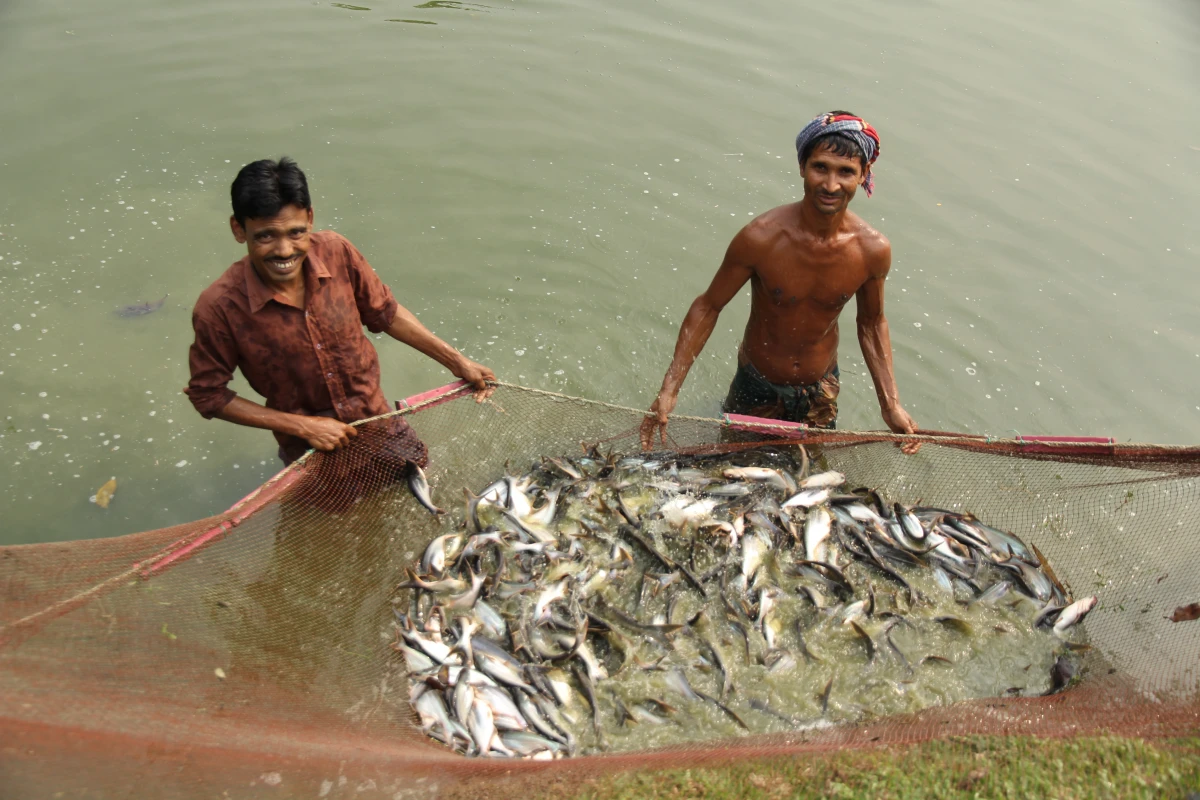
Waters of Plenty. Discover the Fishing Traditions of Rural Bangladesh.
The familiar expression Mache Bhate Bangali, often translated as "Fish and rice make a Bengali," reflects the deep relationship between food, water, and everyday life in Bangladesh.
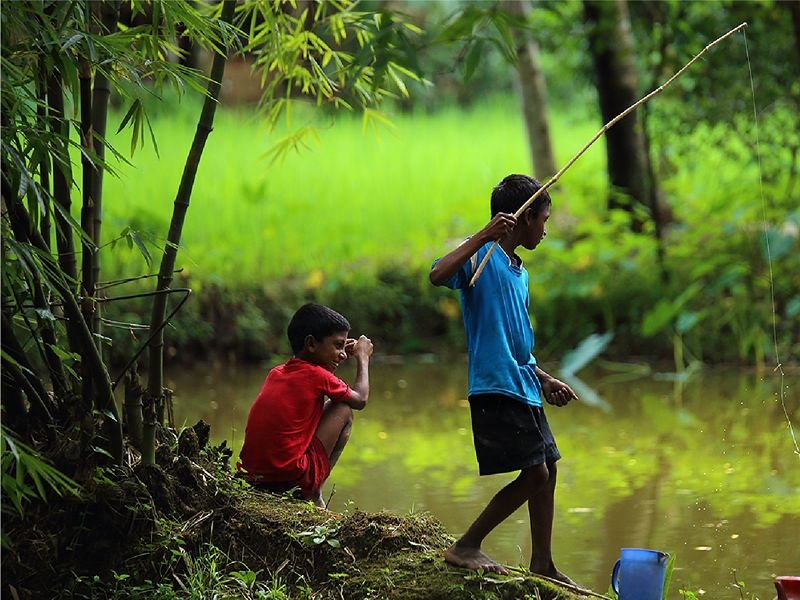
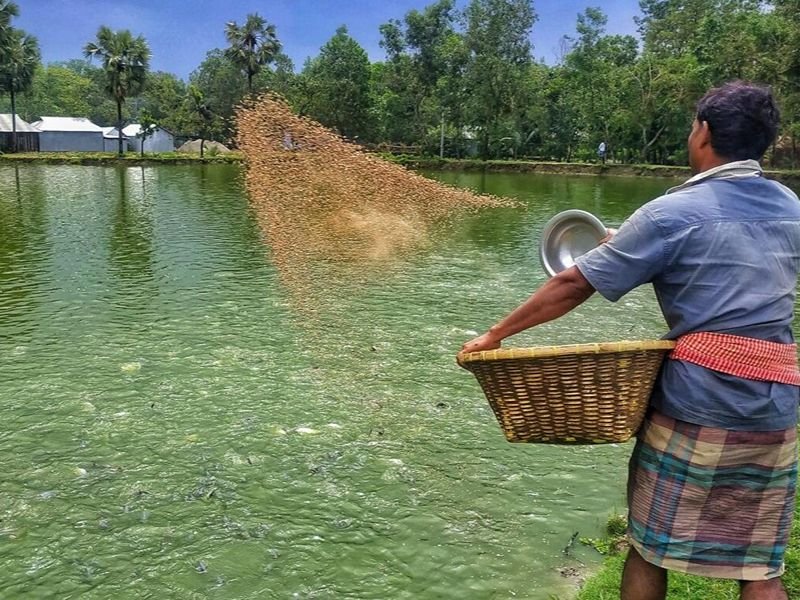
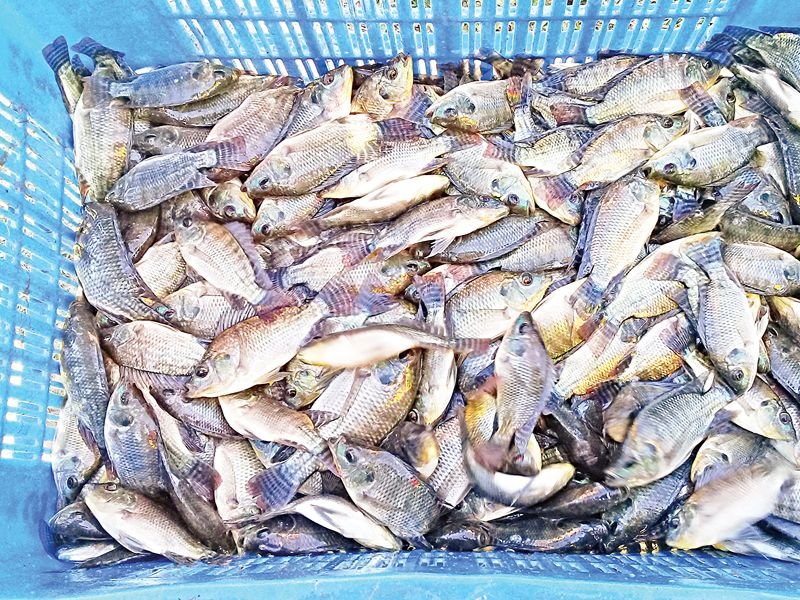
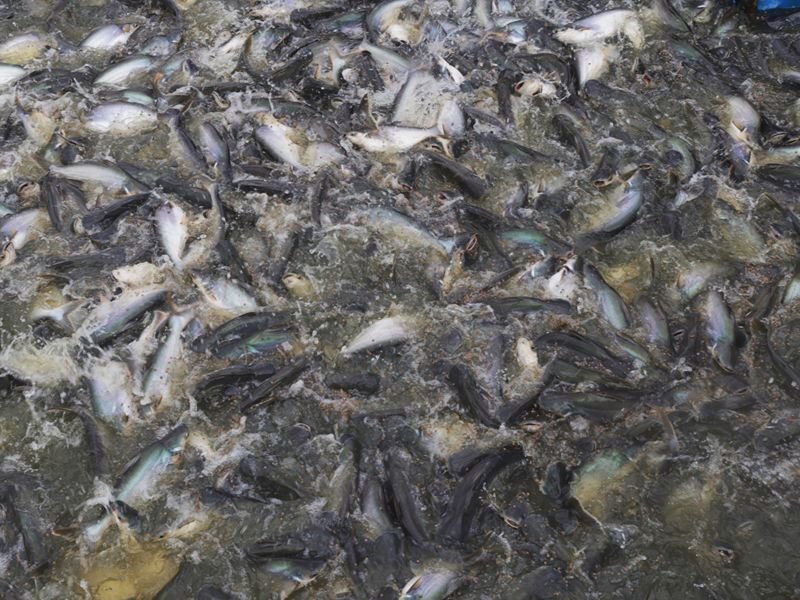
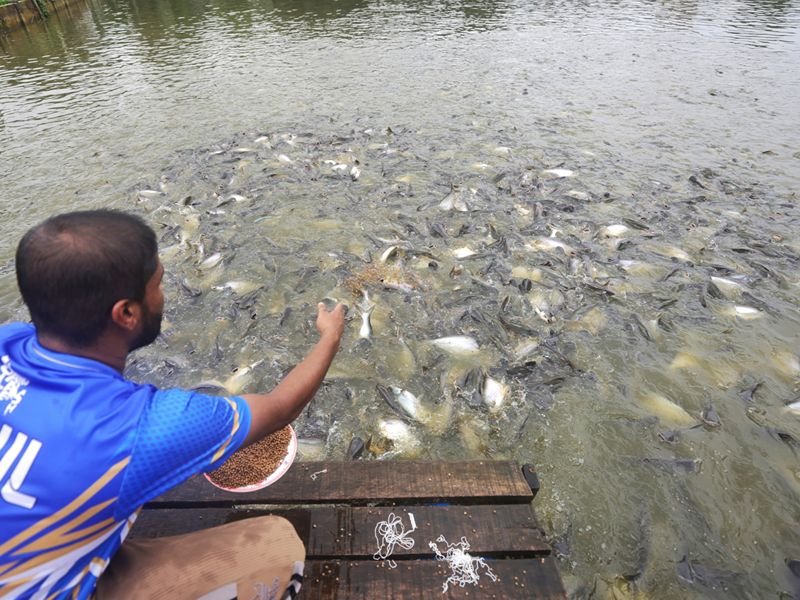
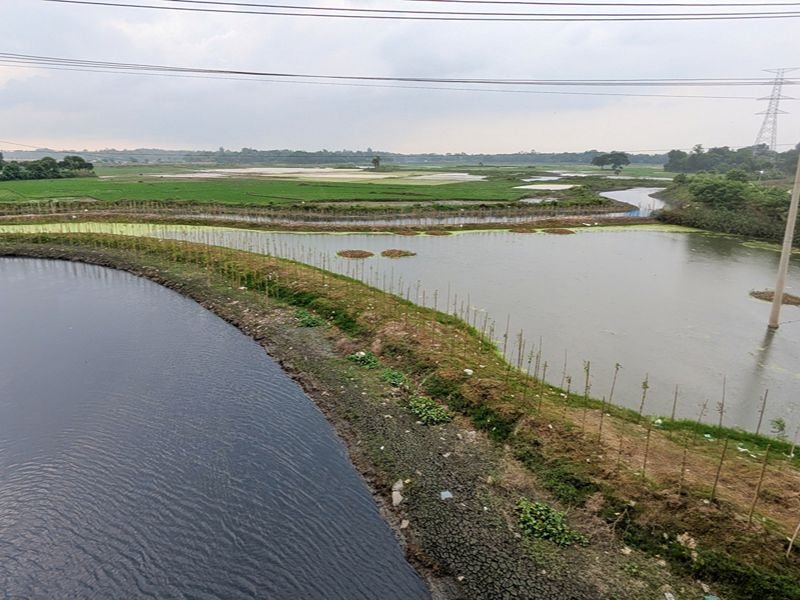
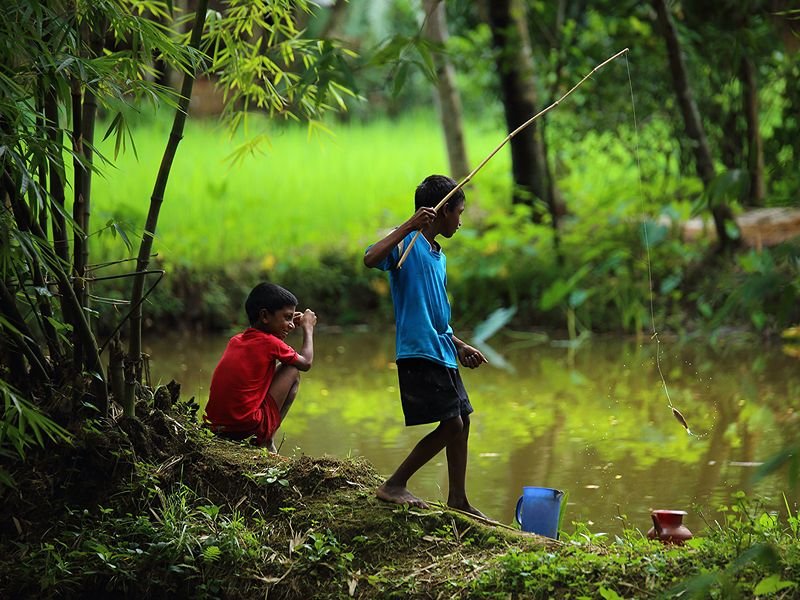
Ponds form a common feature of the rural landscape. Many households and farms use them for freshwater aquaculture, while rivers, floodplains, beels, and seasonal wetlands support other forms of fishing.
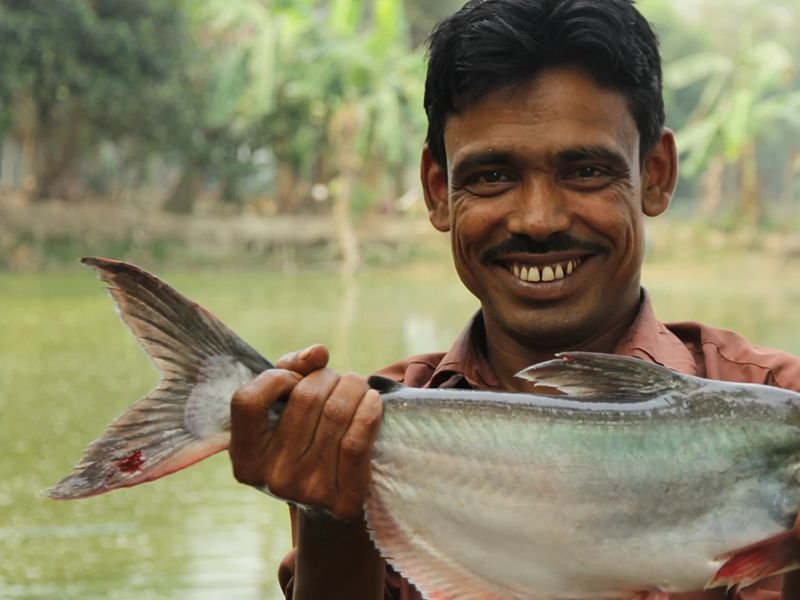
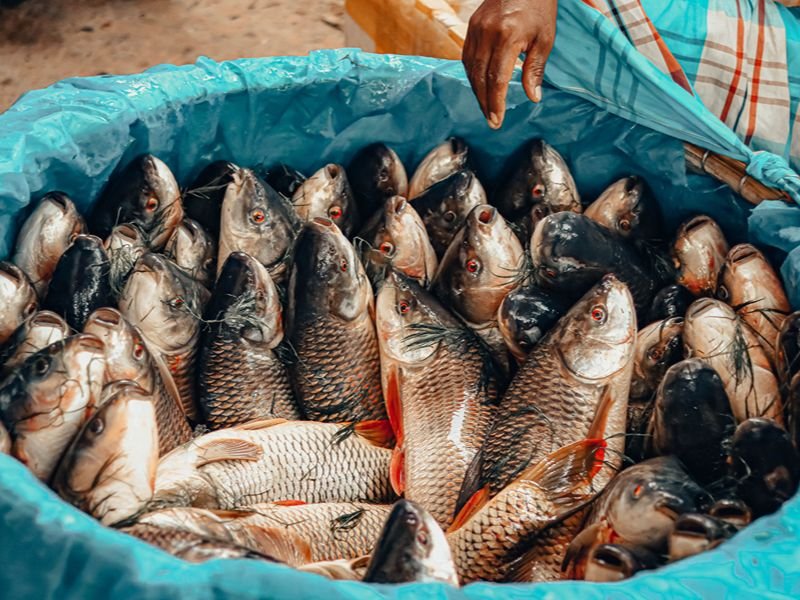
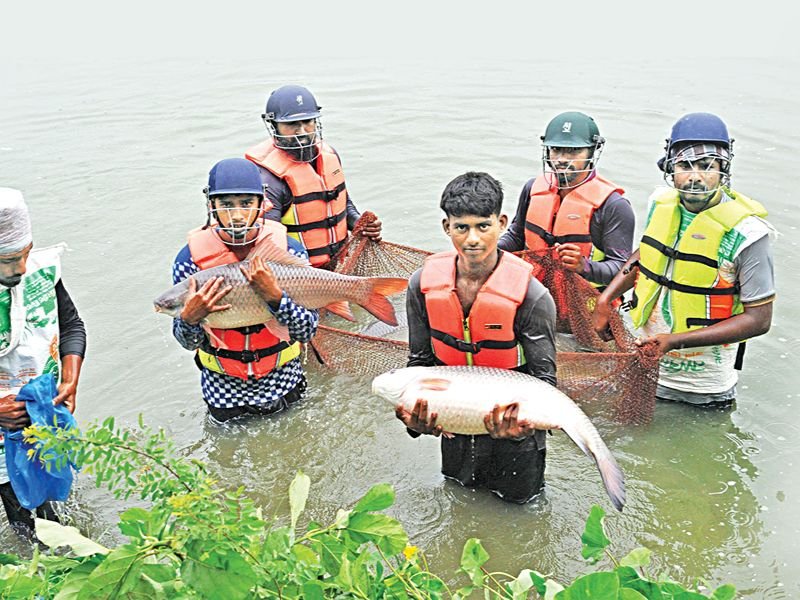
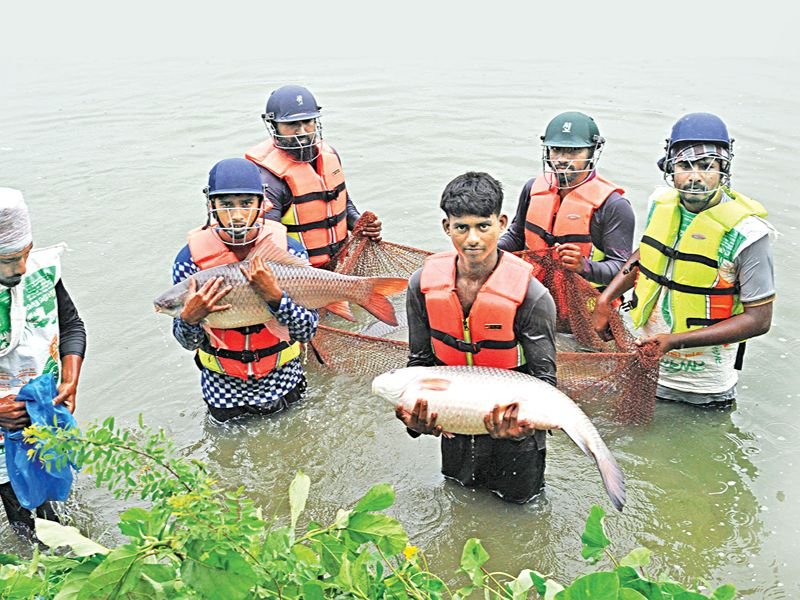
Carp polyculture plays an important role in pond farming. Farmers commonly raise species such as Rui, Katla, and Mrigal together because they feed in different parts of the water column and can use the pond environment efficiently.
Traditional fishing gear adds another dimension to rural aquatic life. Cast nets open into a wide circle as the fisher throws them over the water. Their weighted edges sink around fish beneath the surface. Bangladesh also has numerous seine nets, lift nets, traps, lines, and locally adapted bamboo gear.
The polo offers one of the most recognizable examples. Craftspeople make this trap from bamboo, and fishers use it in shallow waters where fish may hide close to the bottom. Banglapedia documents polo alongside numerous other traditional bamboo traps and net types.
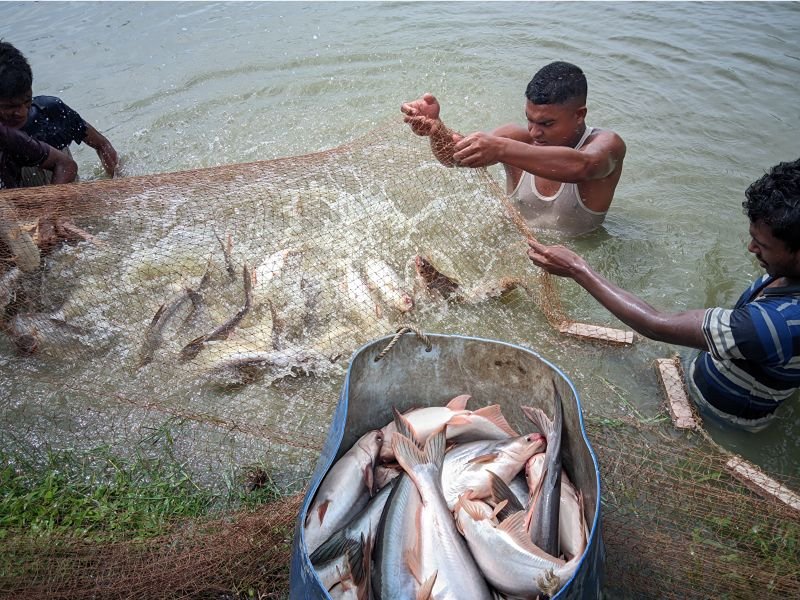
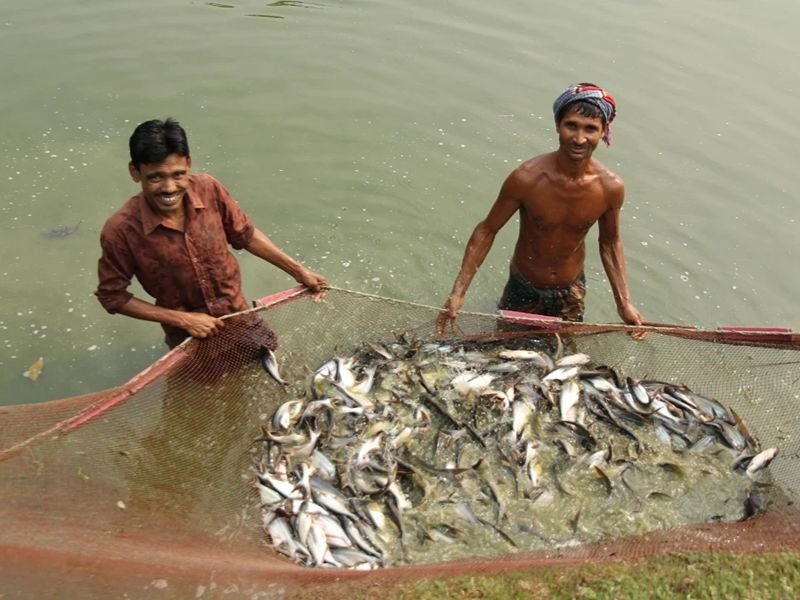
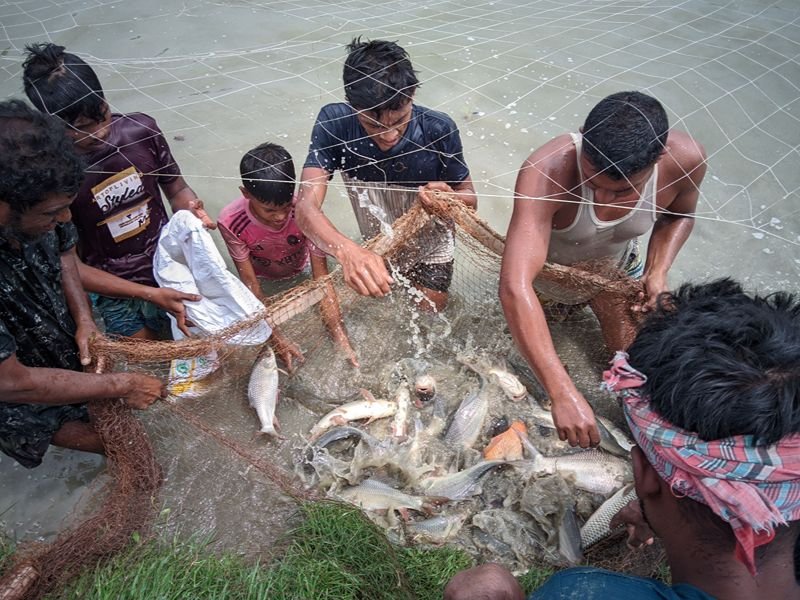
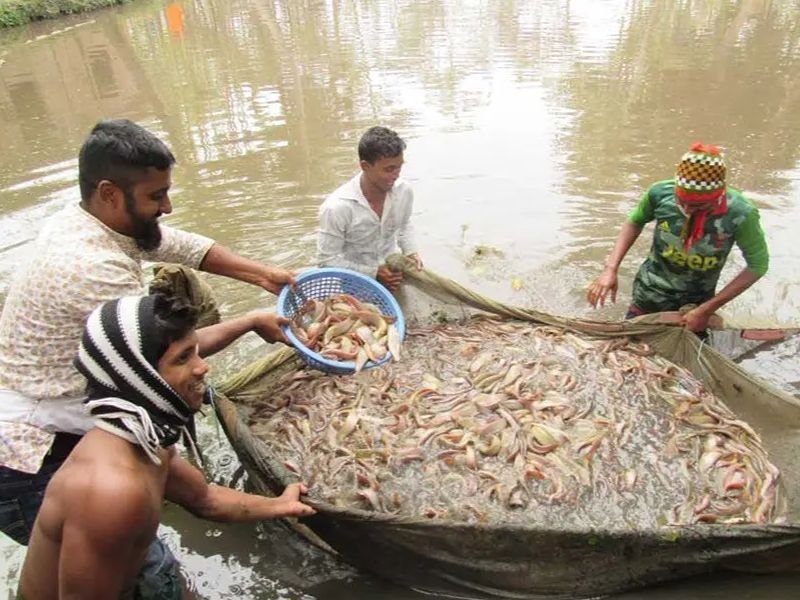
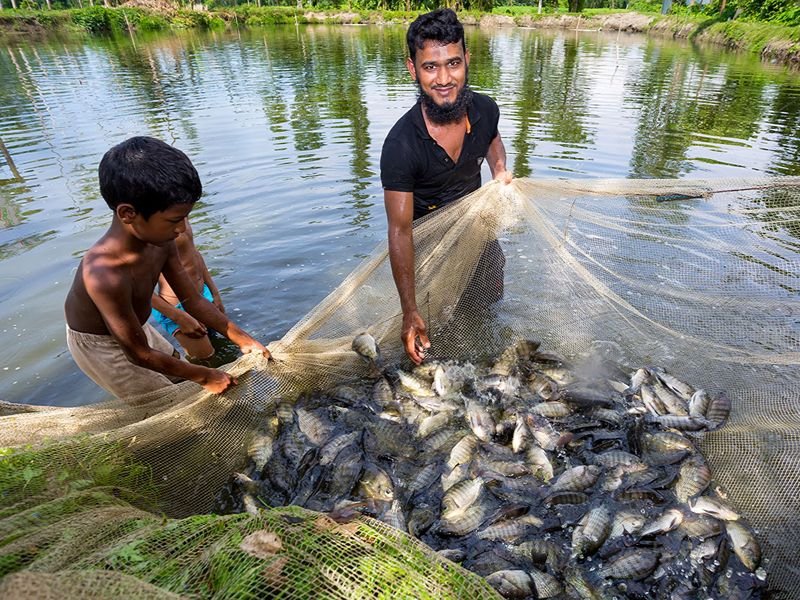
Larger pond harvests may bring several workers or family members together. A group can gradually pull a seine net through the pond, concentrating the fish before collecting them near the bank. These harvests can become lively social events, although customs differ from one farm and village to another.
Modern aquaculture now supplies most of Bangladesh's fish production. The Department of Fisheries reports that inland culture accounted for 59.34 percent of national fish production in FY2023-24. The fisheries sector contributed 2.53 percent of national GDP, and fish supplied about 60 percent of the country's animal-protein intake.
Immersive Experience
No 360° Videos available
Destination Gallery
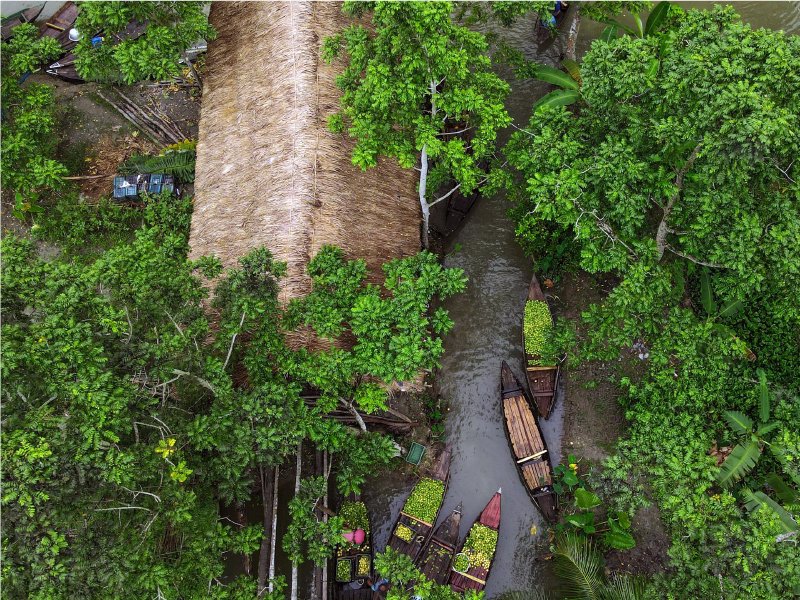
Floating Guava and Vegetable Agriculture
Water-shaped farming traditions of southern Bangladesh
Explore More