

Floating Guava and Vegetable Agriculture
Water-shaped farming traditions of southern Bangladesh
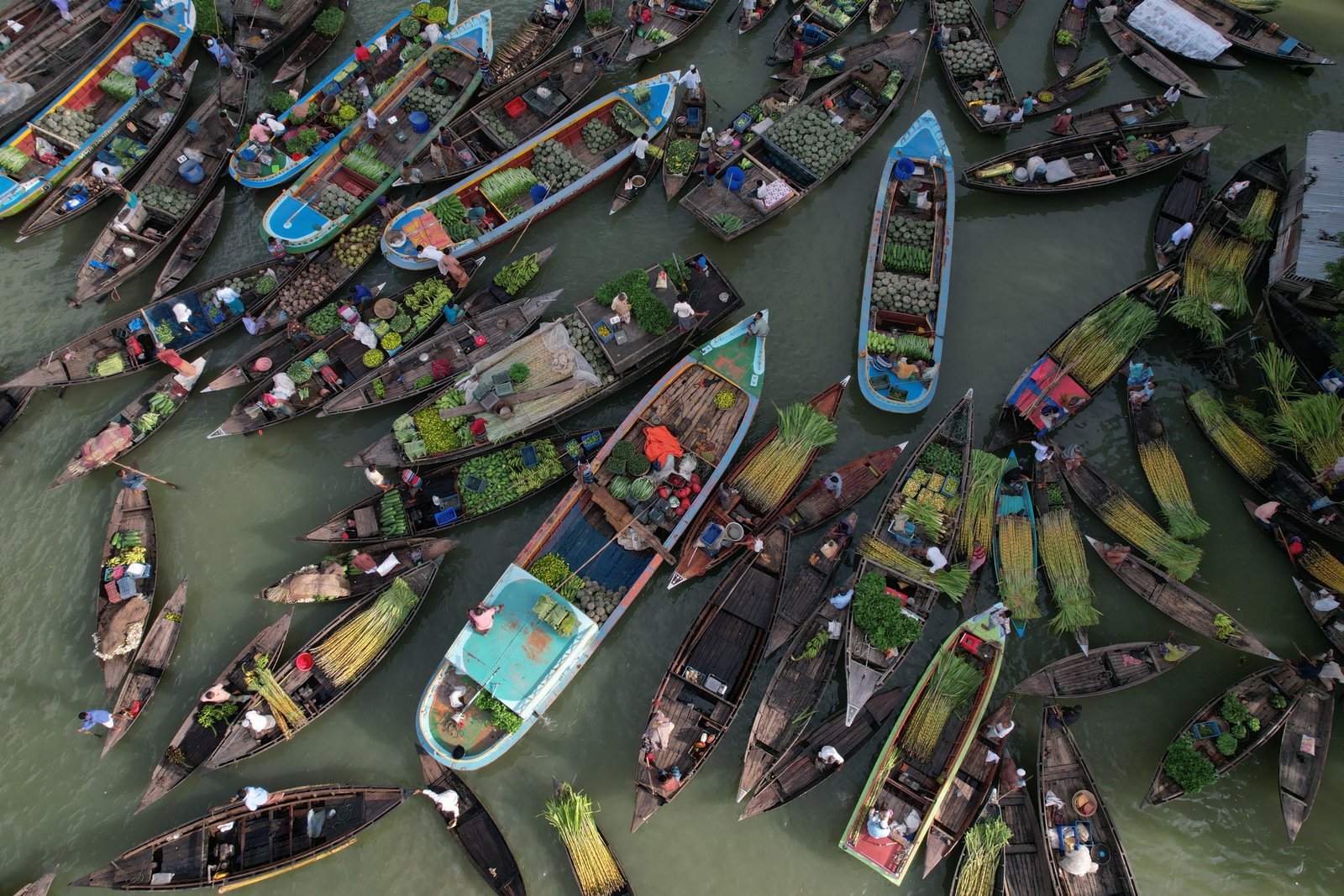
Farming with the Water. Explore the Orchards, Markets, and Floating Gardens of the South.
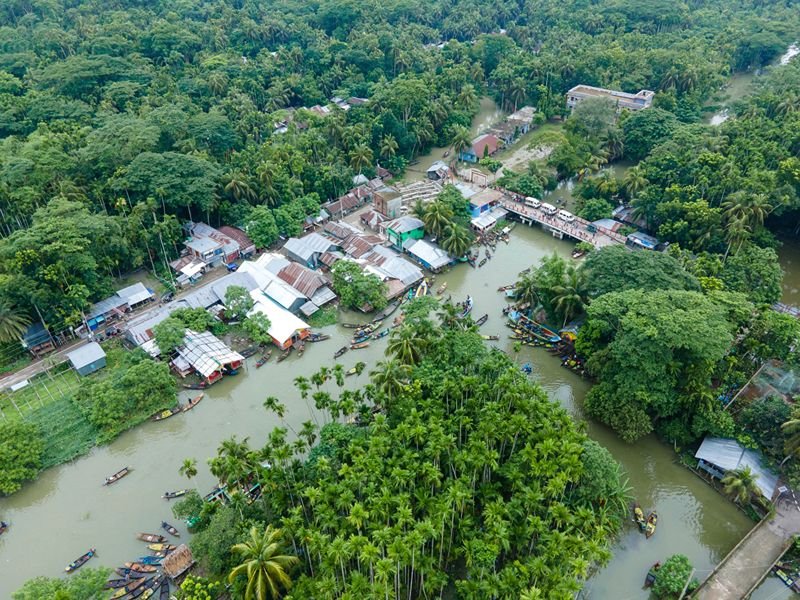
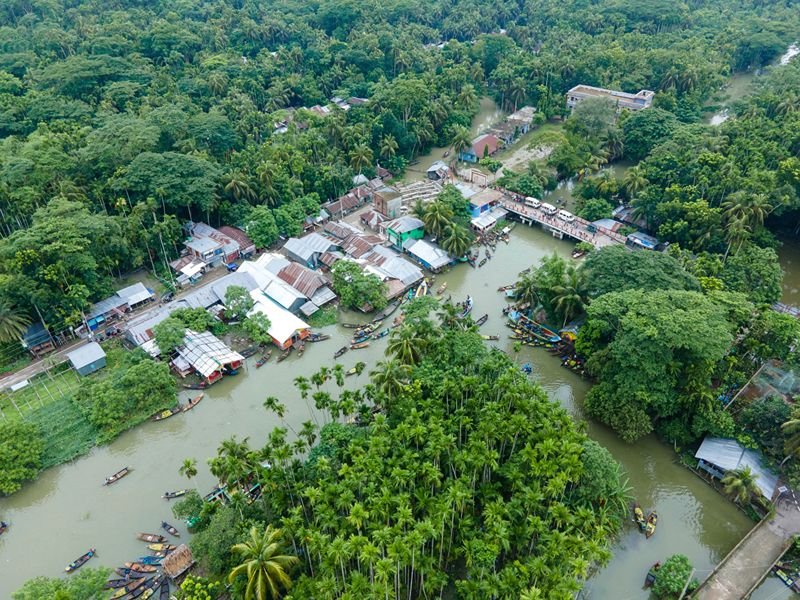
The waterways of Pirojpur, Jhalakathi, and Barishal create one of Bangladesh's most distinctive agricultural landscapes. Farmers here have learned to work with seasonal water rather than treating it simply as an obstacle.
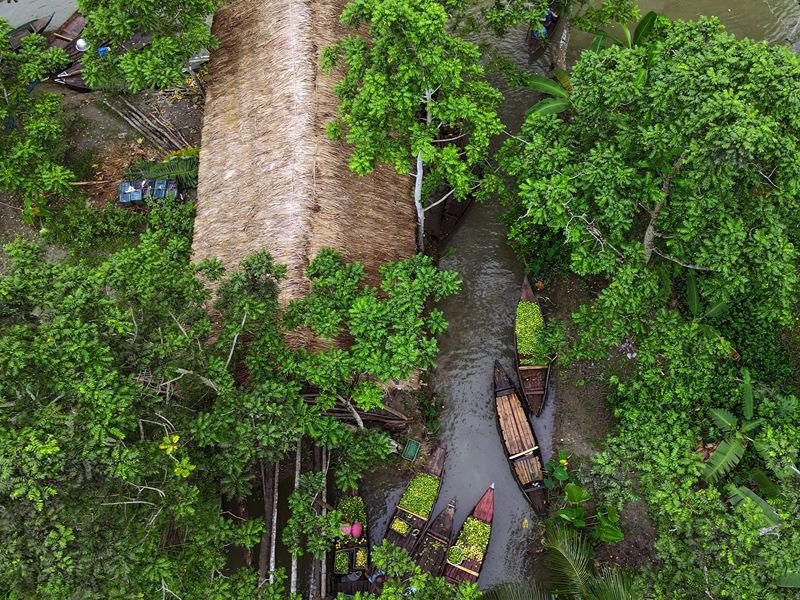
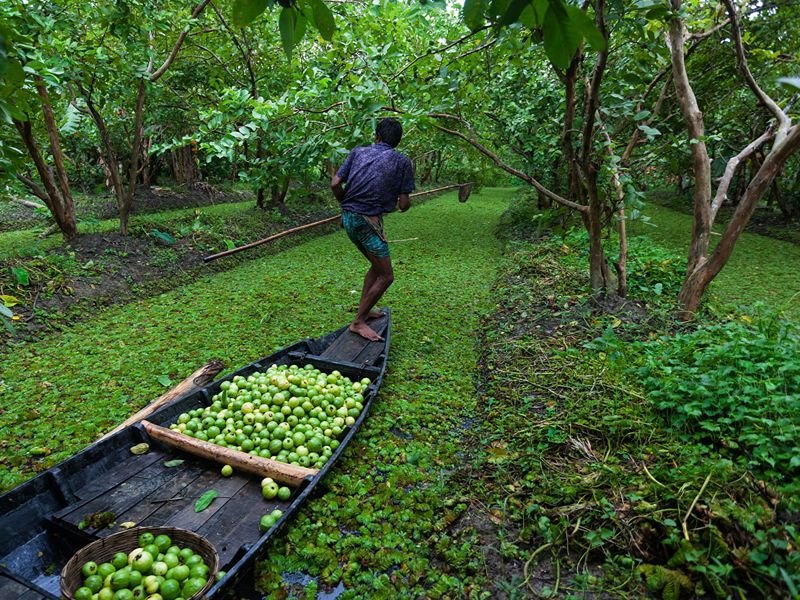
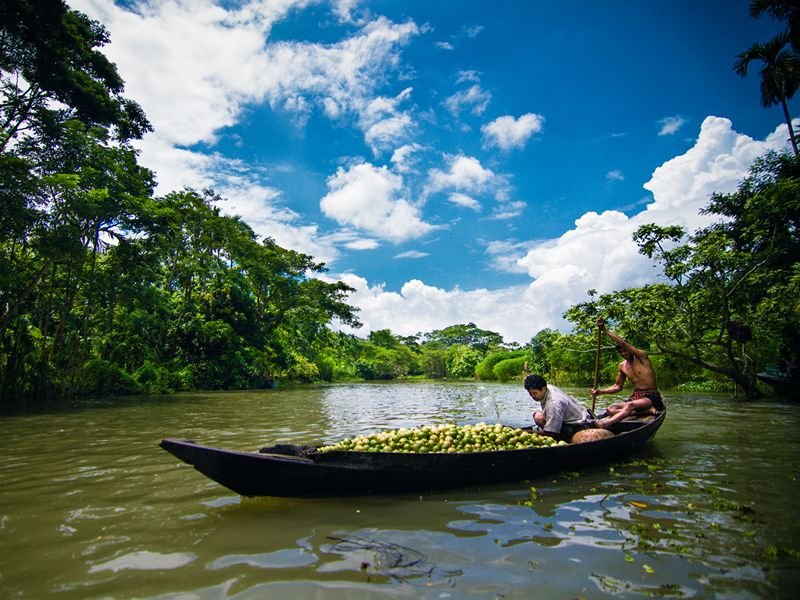
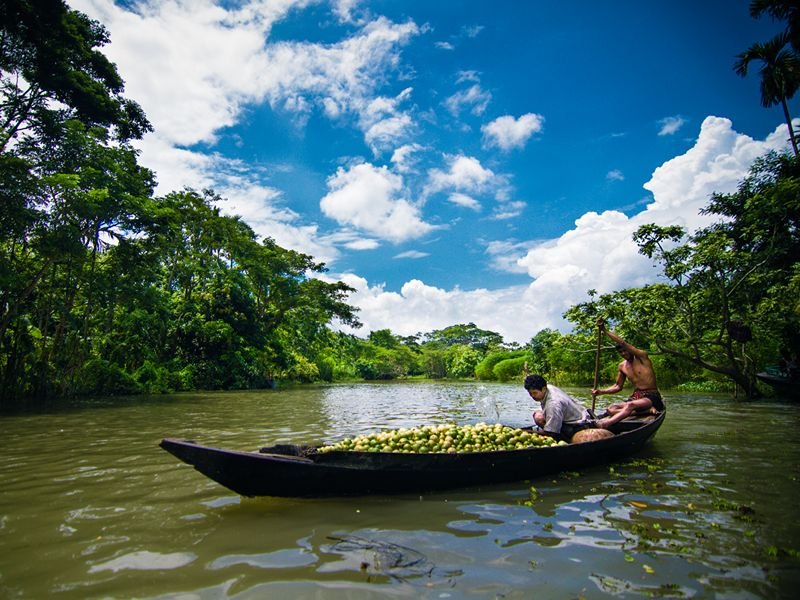
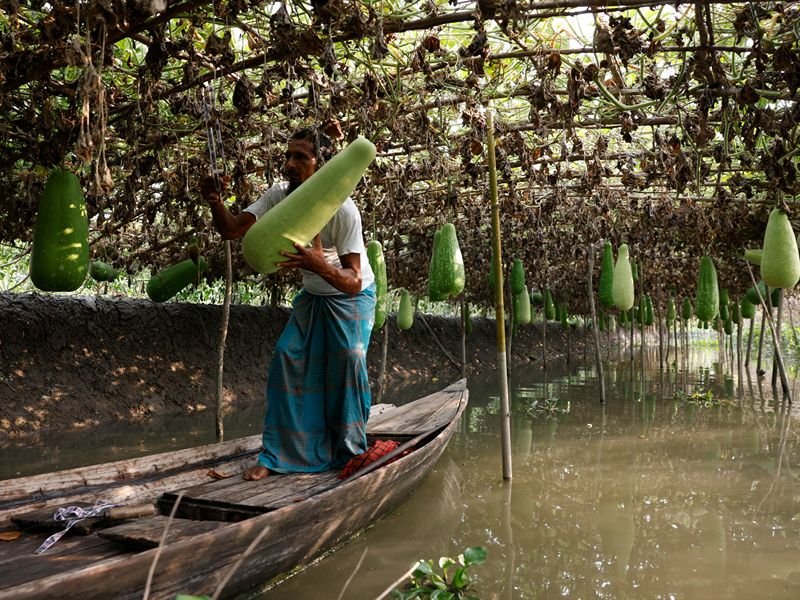
Two different farming traditions define the experience. The first centers on guava orchards. In Nesarabad and neighboring parts of Jhalakathi, farmers cultivate guava on low-lying managed land divided by narrow canals. The orchards themselves do not float. Boats make it easier for farmers to move through the landscape, collect fruit, transport produce, and reach seasonal markets.
Guava cultivation in this part of Pirojpur dates back at least 150 years according to recent local reporting. Farmers adapted the traditional Sarjan method to the waterlogged environment, shaping raised growing areas with canals running between them. The system allows fruit trees to survive in land that experiences prolonged seasonal waterlogging.
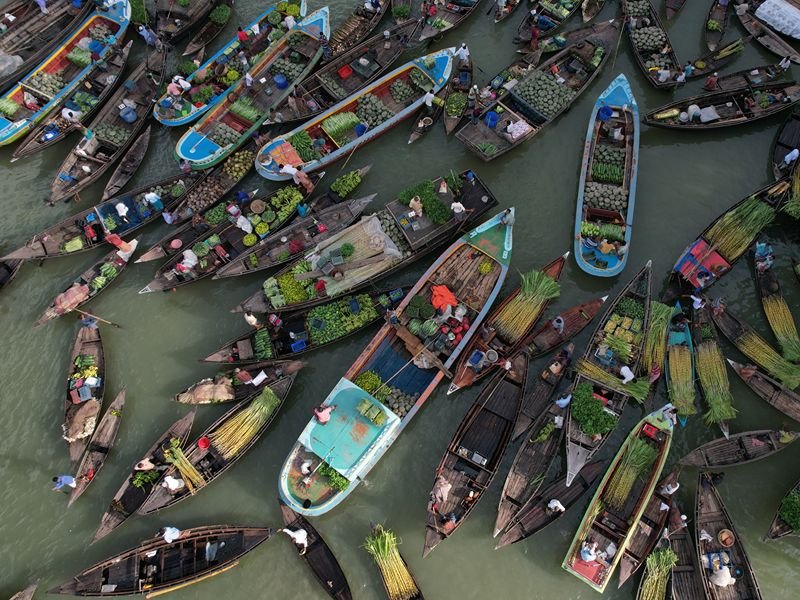
During harvest season, small boats move through the canals carrying baskets and piles of freshly picked guava. Farmers take the fruit to seasonal floating markets, where growers and traders conduct much of the morning business directly from boats.
Bhimruli has become one of Bangladesh's best-known floating fruit markets. The market remains a working agricultural trading point, however, so visitors share the waterways with farmers who are trying to move and sell perishable produce.
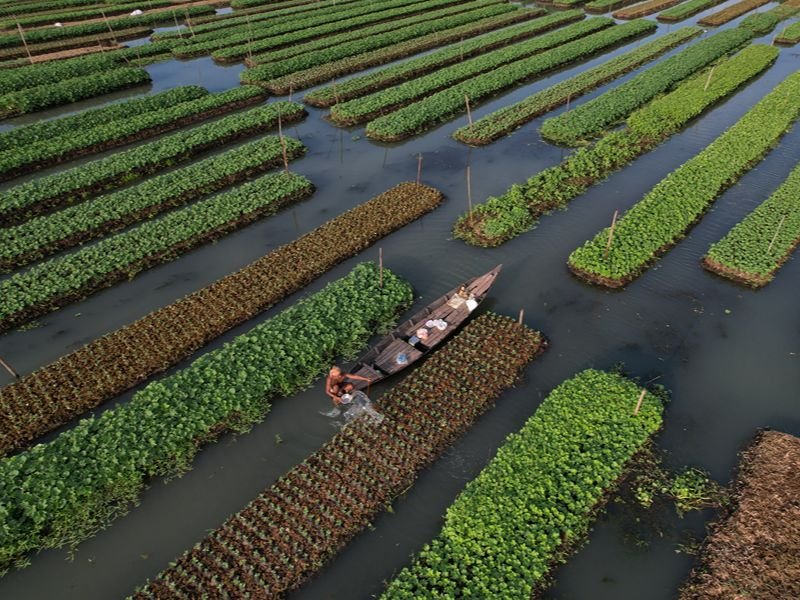
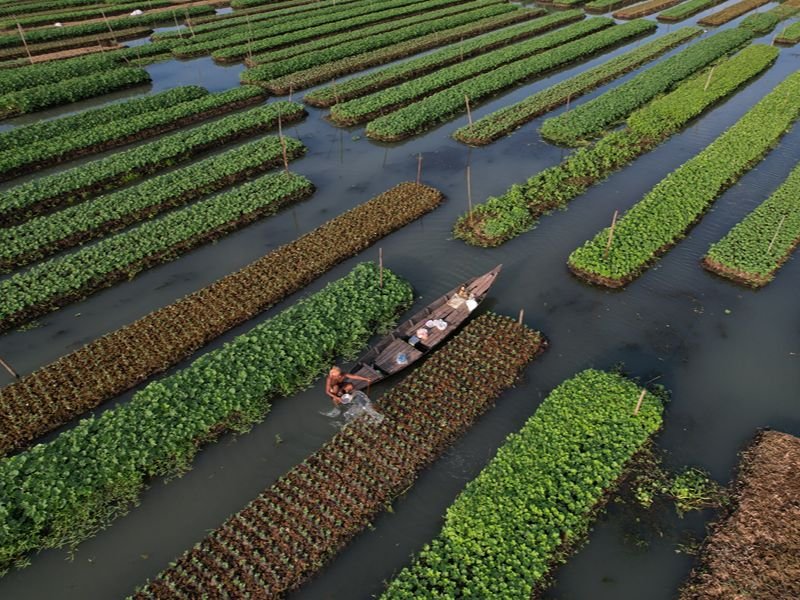
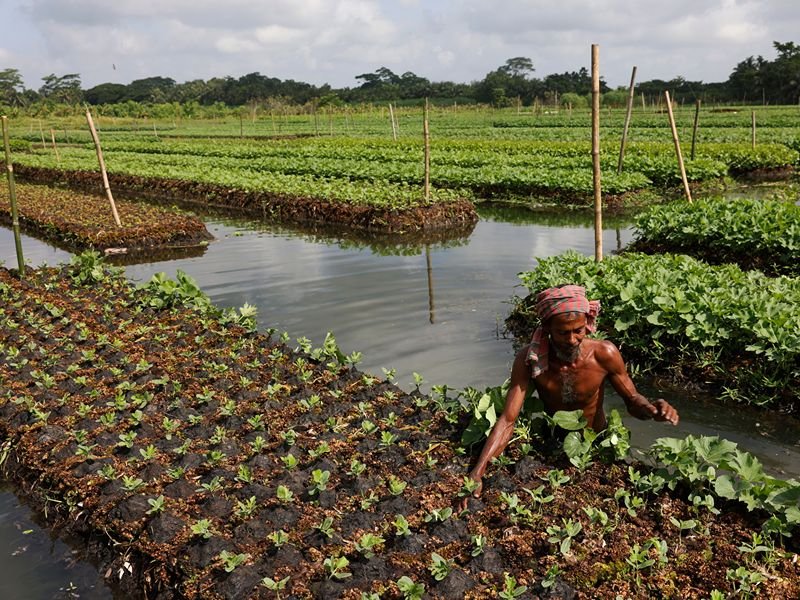
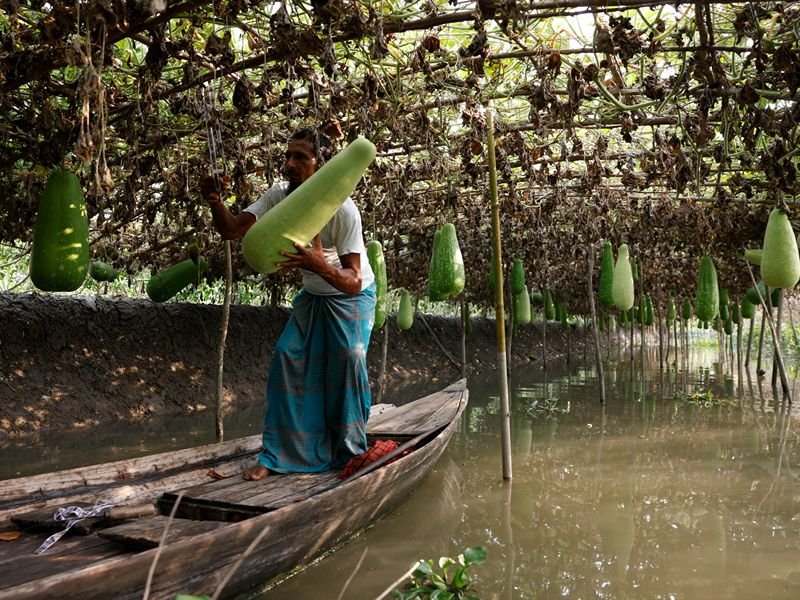
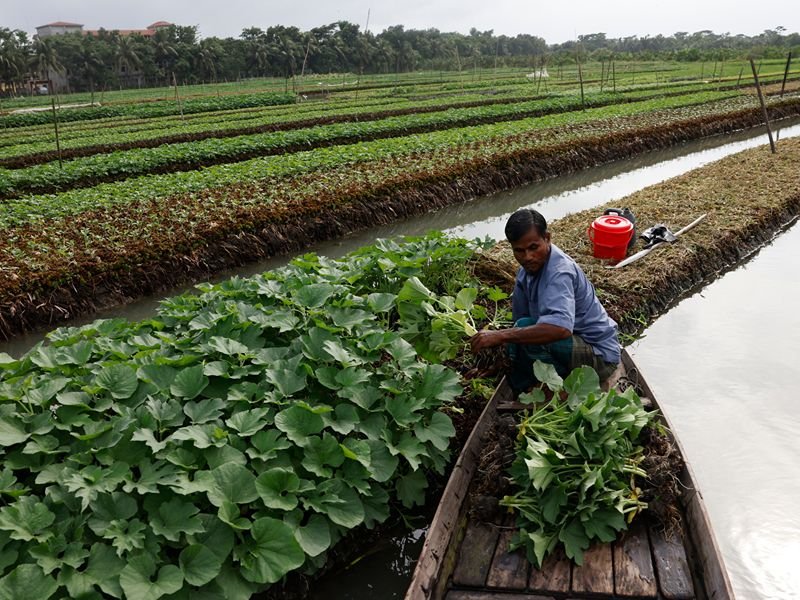
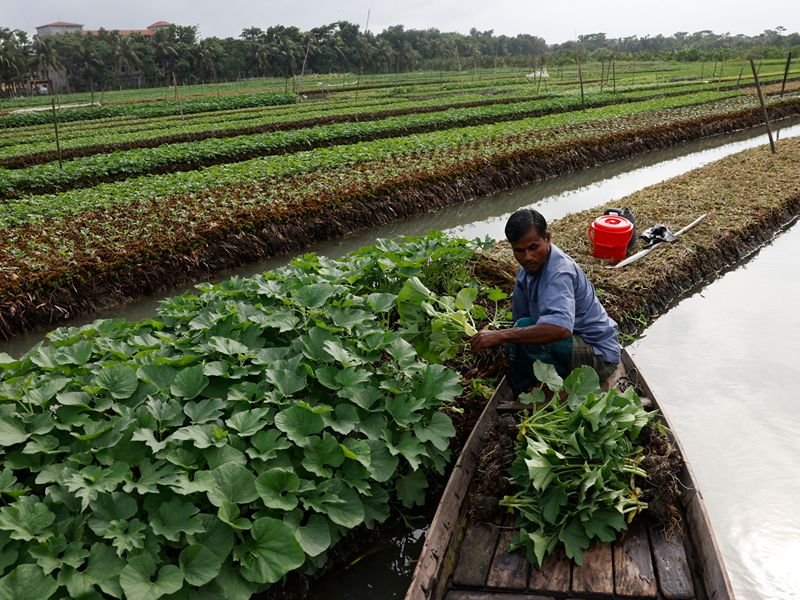
A second agricultural tradition nearby genuinely floats. Farmers in parts of Pirojpur, Barishal, and Gopalganj build cultivation beds called dhap from water hyacinth and other plant residues, often using bamboo as part of the structure. As the organic material breaks down, it creates a fertile growing surface that stays above the floodwater.
Farmers cultivate vegetables and spices such as okra, gourds, eggplant, cucumber, and amaranth on these beds. FAO recognizes Bangladesh's Floating Garden Agricultural Practices as a Globally Important Agricultural Heritage System and notes that communities in the region have practiced floating cultivation for roughly two centuries.
Together, the canal-side orchards and floating gardens show two different forms of adaptation to southern Bangladesh's wetland environment.
Immersive Experience
No 360° Videos available
Destination Gallery
Traditional Pond Fishing and Aquaculture
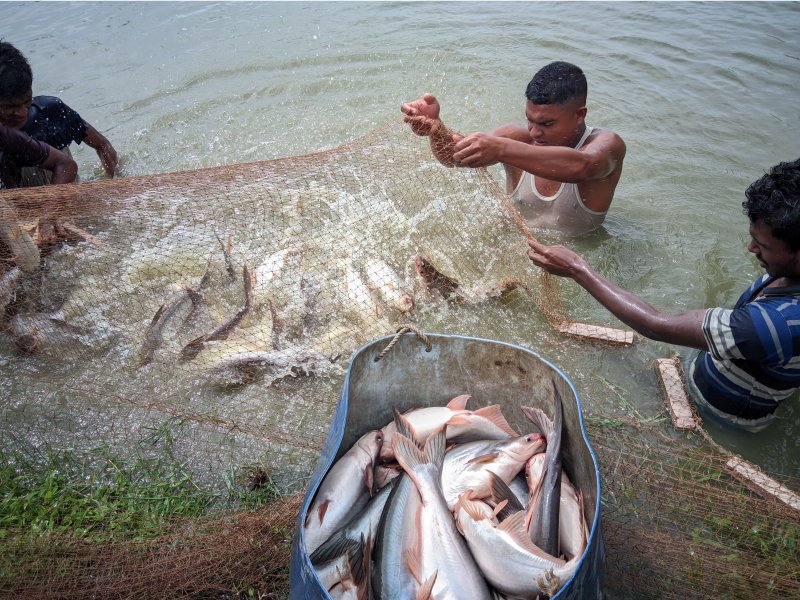
Rural fish culture, traditional nets, and the harvest of village waters
Explore More