

The Sundarbans: World's Largest Mangrove Forest
Enter a tidal wilderness where mangrove islands, restless rivers and Bengal tiger country meet.
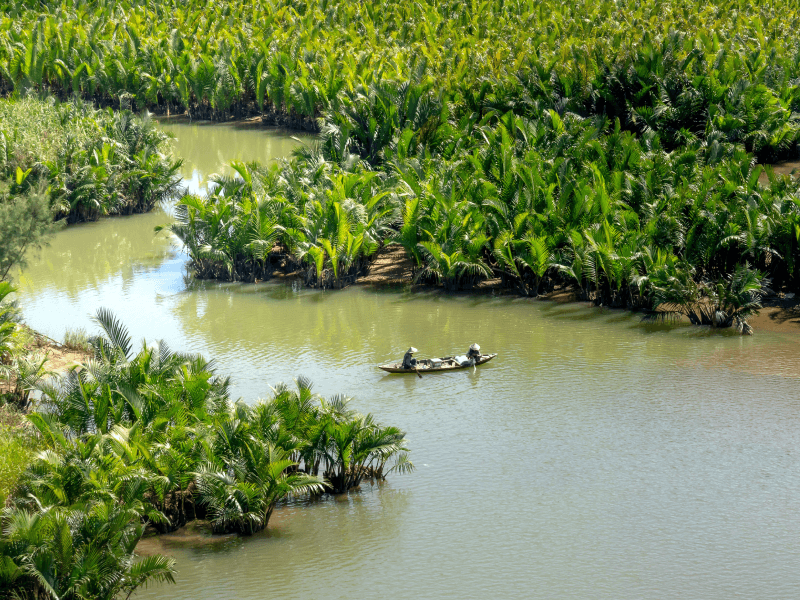
Sail beyond the last road and into the wild delta
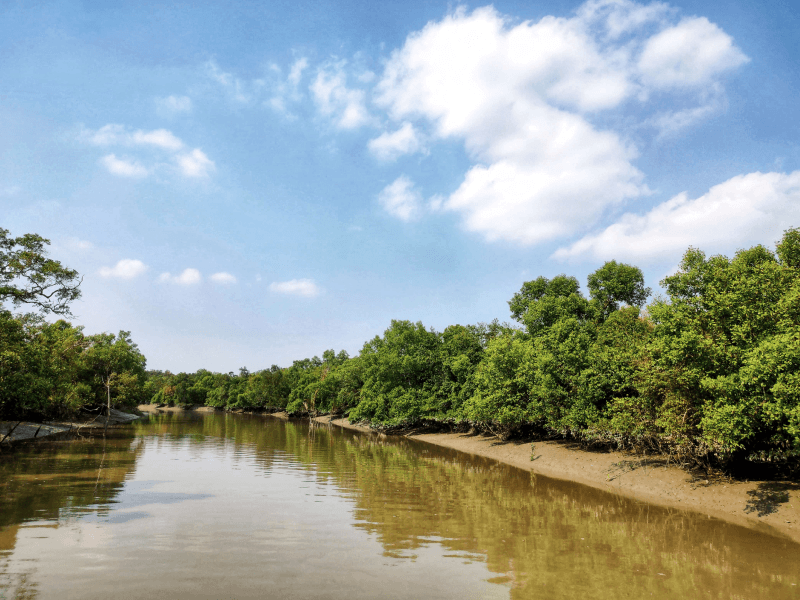
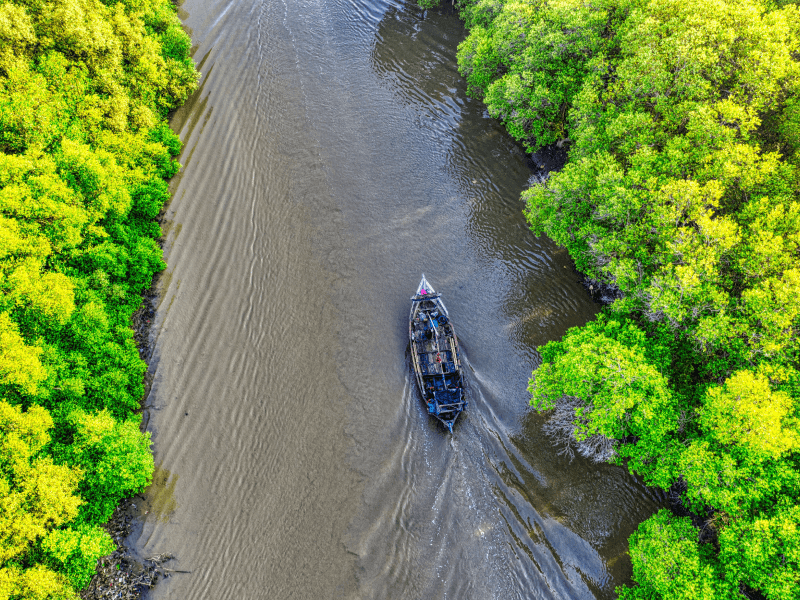
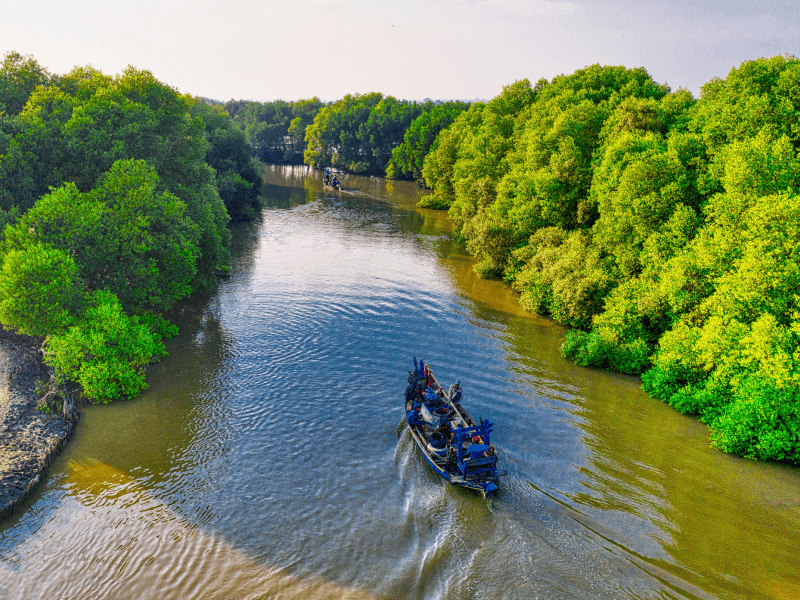
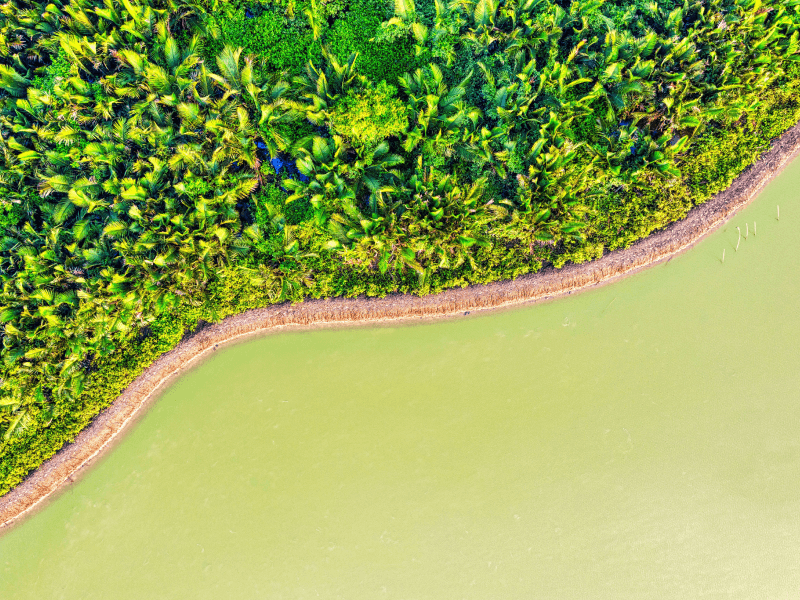
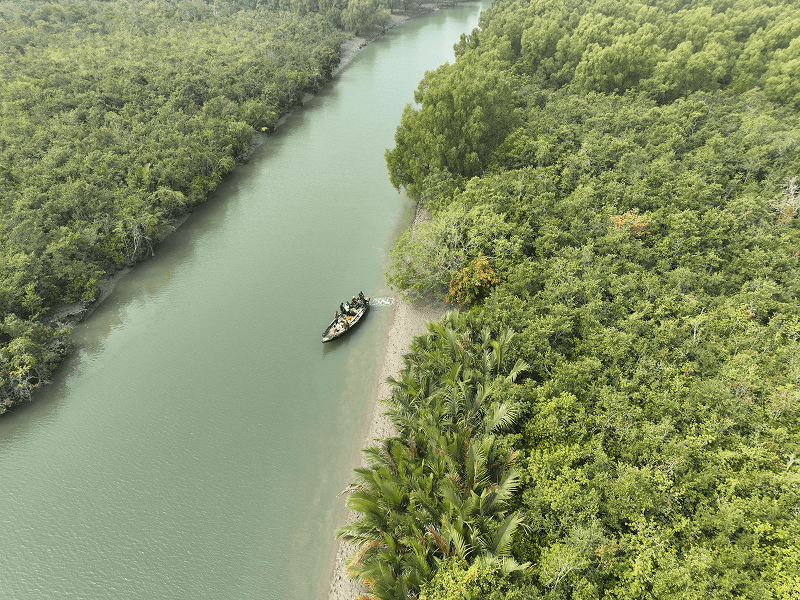
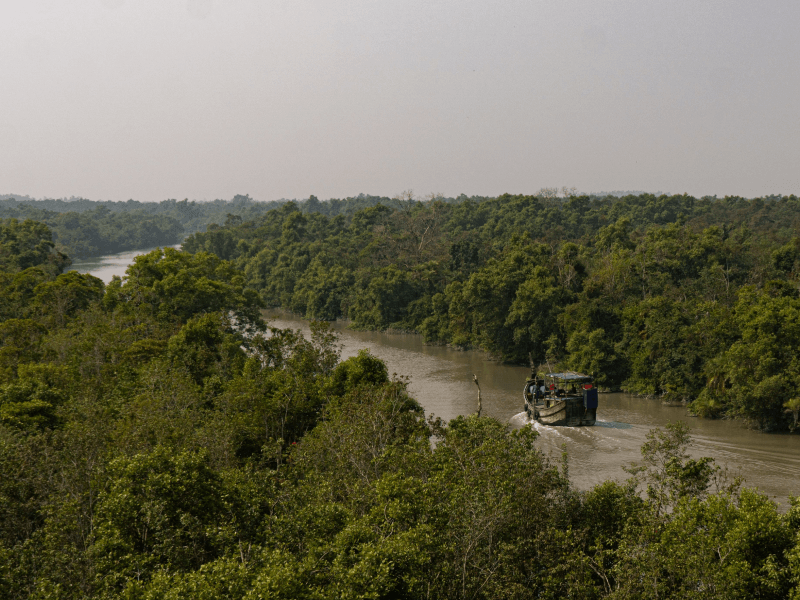
The Sundarbans begins where solid ground breaks into a shifting maze of rivers, creeks, mudflats and mangrove islands. Shared by Bangladesh and India, this vast delta forest includes a 140,000-hectare UNESCO World Heritage property on the Bangladeshi side. Tides redraw its edges twice a day, salt and fresh water mix across the estuary, and every boat journey feels like an expedition into a living landscape. Sundari, gewa, goran and other mangrove plants hold the muddy banks together while supporting fish, crustaceans, birds and mammals.
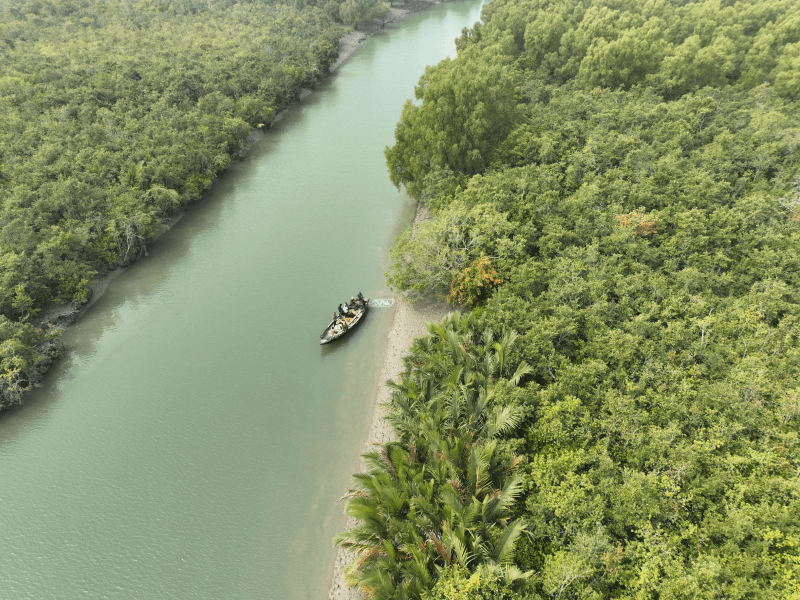
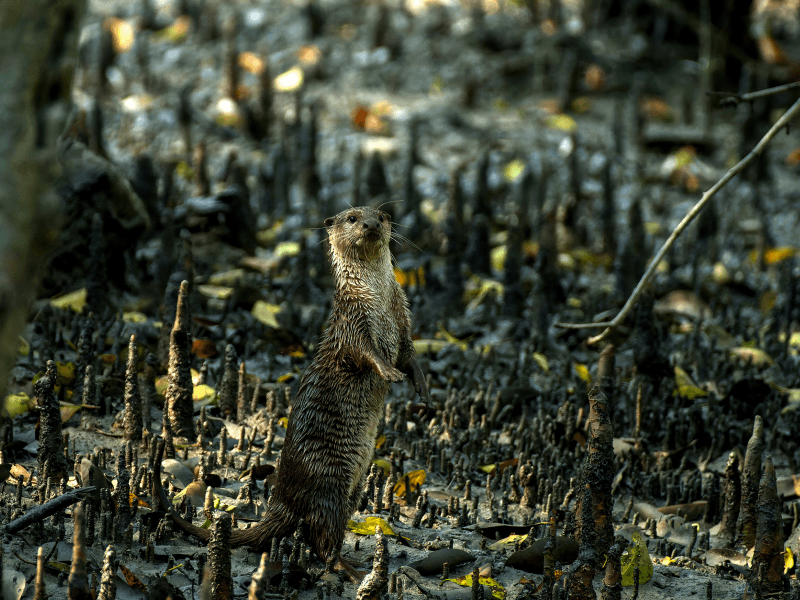
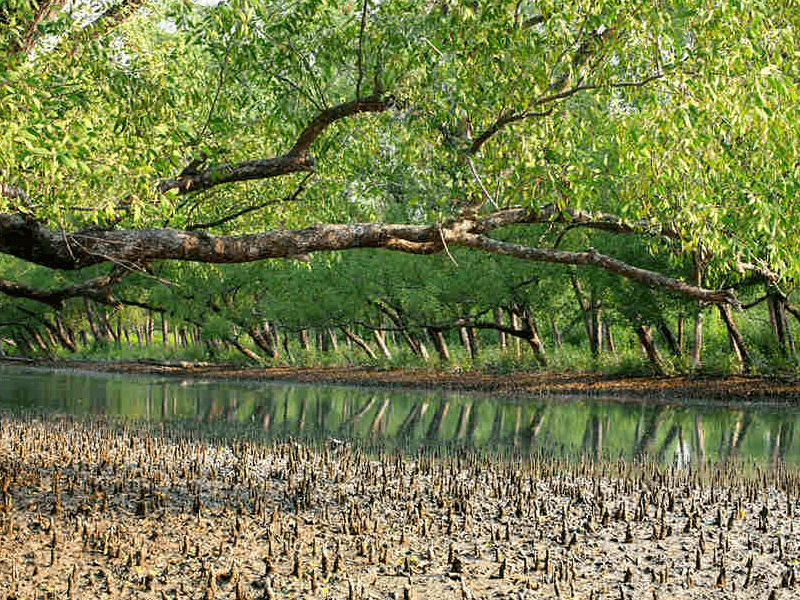
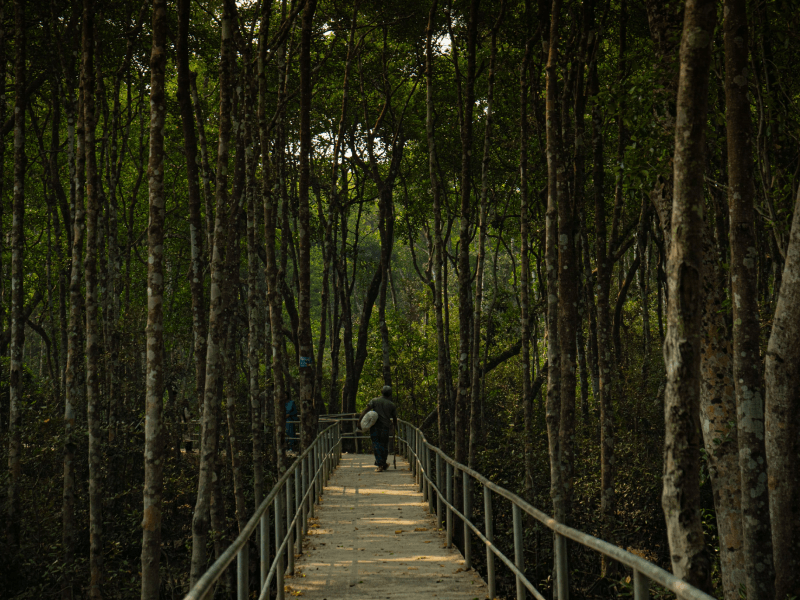
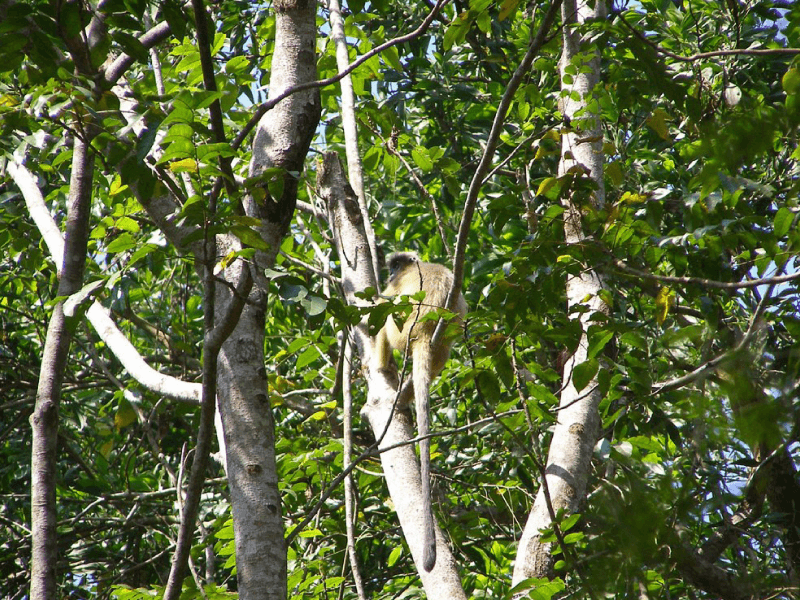
For travellers, the adventure unfolds from the deck of an authorised vessel. Narrow channels reveal mudskippers, kingfishers and macaques; broader rivers may offer fleeting views of Ganges or Irrawaddy dolphins. Watchtowers, forest stations and approved landing points such as Karamjal or Kochikhali provide carefully managed access. The Royal Bengal tiger is present, but it is secretive and a sighting must never be expected. The real reward is the forest itself: breathing roots exposed at low tide, sudden rain over a silver river, and nights filled with wind, water and distant wildlife calls.
This is not a place for independent wandering. Entry permits, registered vessels, forest guides and current safety directions are essential. Visitors should remain with their group, keep noise low, take all waste back, avoid feeding wildlife and never enter water or leave an approved trail. The annual June-to-August closure protects breeding wildlife and fish; as of August 2026, tourism is scheduled to resume on 1 September, subject to official confirmation.
A Sundarbans journey is slow travel at its most dramatic. Allow several days if possible, choose an operator that follows Forest Department rules, and let the tide set the rhythm. Responsible travel keeps the encounter thrilling without turning a fragile sanctuary into a spectacle.
Carry curiosity instead of expectations: the finest memories often come from a changing tide, a guide's sharp observation and the silence of a creek that still belongs to wildlife.
Immersive Experience
No 360° Videos available
Destination Gallery
Lawachara National Park and Tropical Rainforests
Follow forest trails beneath a green canopy alive with gibbon calls, birds and bamboo shadows.
Explore More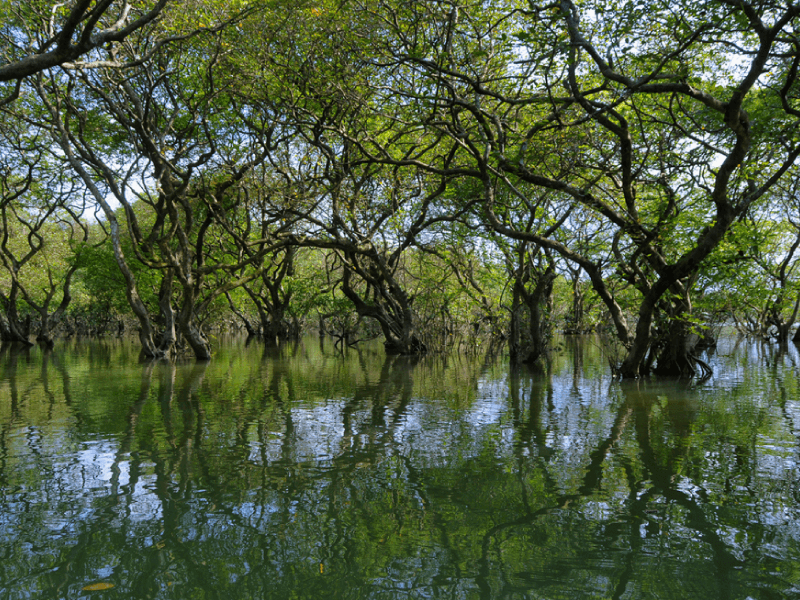
Ratargul Freshwater Swamp Forest
Paddle beneath flooded trees where a quiet forest rises straight from the water.
Explore More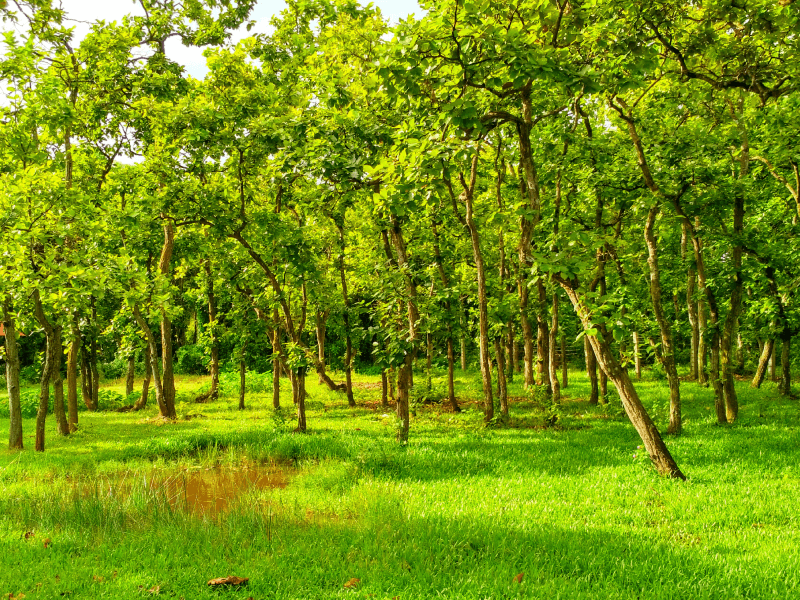
Ancient Sal Forests of Madhupur and Bhawal
Escape into sunlit sal woodland, red-earth trails and the rural heart of central Bangladesh.
Explore More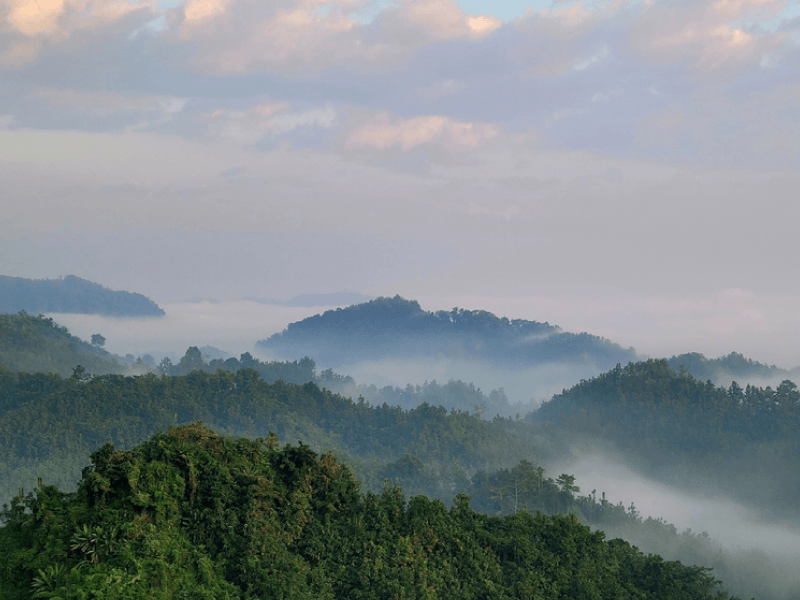
The Rugged Wilderness of Bandarban and the Hill Tracts
Climb into cloud-wrapped ridges, river valleys and community landscapes at Bangladesh's wild frontier.
Explore More