

Lawachara National Park and Tropical Rainforests
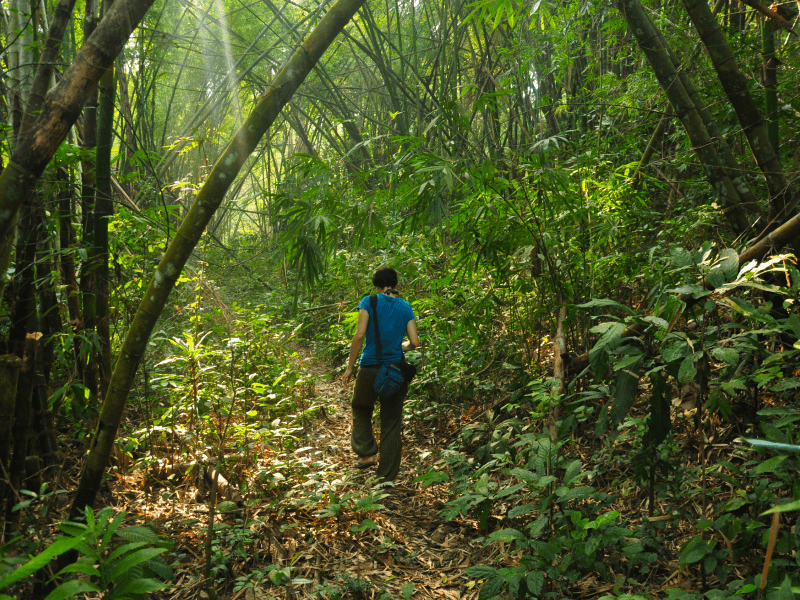
Follow forest trails beneath a green canopy alive with gibbon calls, birds and bamboo shadows.
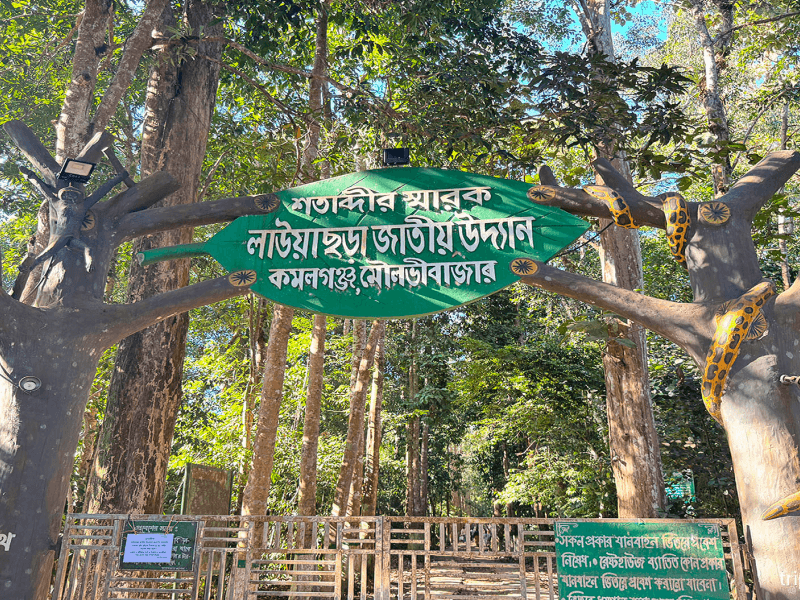
Step into the rainforest before the morning mist lifts.
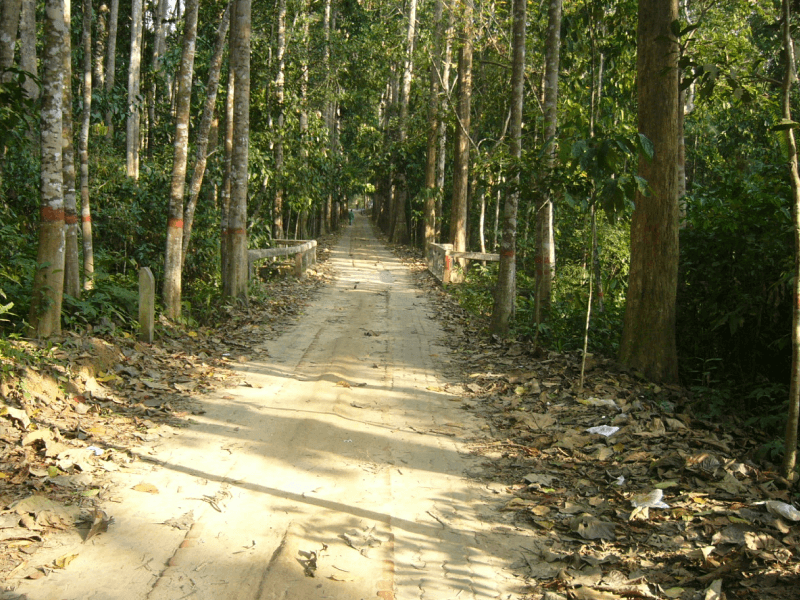
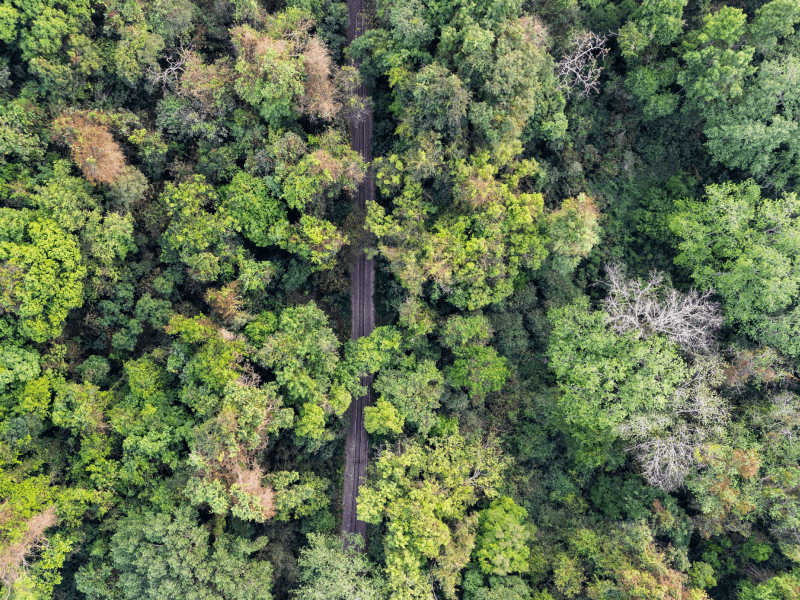
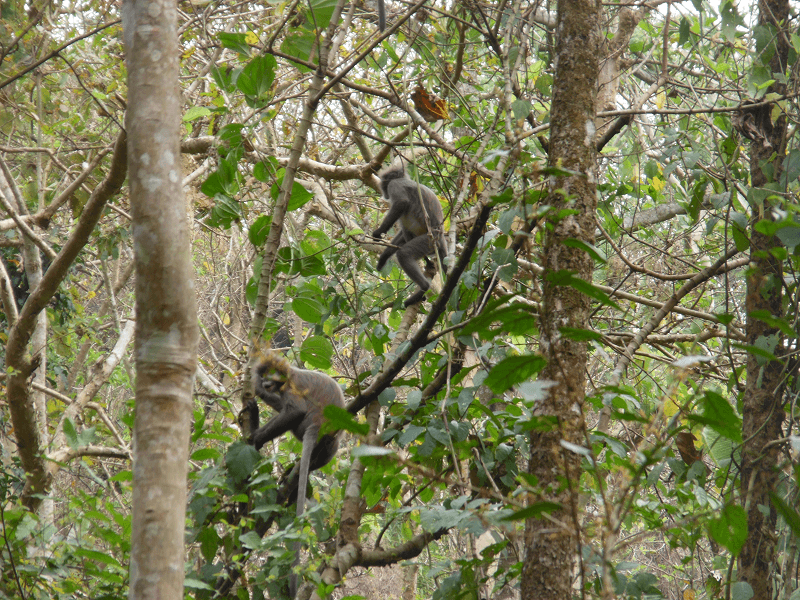
Lawachara National Park is a compact but remarkably rich forest adventure near Sreemangal in Moulvibazar. Covering about 1,250 hectares, the protected landscape holds semi-evergreen forest, bamboo groves, streams and plantations that have gradually blended into a layered green habitat. Tall trees close overhead, vines cross the trail, and shafts of light turn even a short walk into an expedition. The park is widely known as one of Bangladesh's most accessible places to experience tropical forest and hear the haunting calls of the western hoolock gibbon, the country's only ape.
Begin early, when the air is cooler and wildlife is most active. With a trained local eco-guide, travellers can learn to read movement in the canopy, distinguish bird calls and notice the smaller wonders that hurried visitors miss: butterflies over damp soil, lizards on sunlit trunks and fungi emerging after rain. A railway line passes through the forest, creating a striking scene but also demanding caution. Gibbon, macaque or bird sightings are never guaranteed; patience and quiet observation are part of the experience.
Lawachara is also connected to nearby communities and tea-country landscapes. Visits should respect local privacy, livelihoods and cultural customs. Ask before photographing people, buy crafts or refreshments directly where appropriate, and never treat a community as a display. Within the park, stay on approved trails, avoid playback calls, do not feed animals and never collect orchids, leaves or insects.
The forest changes with the weather. Dry-season walks are easier, while the monsoon makes every leaf brilliant and every path more slippery. Whether the journey lasts two hours or a full day, Lawachara rewards travellers who move slowly. It is an adventure of listening and looking rather than chasing—a close encounter with a rainforest that survives through careful protection and community stewardship.
Allow time beyond the trail for tea-country roads and local meals, but keep the forest visit focused. A slower schedule reduces crowding and makes every sound, track and canopy movement more vivid.
Immersive Experience
No 360° Videos available
Destination Gallery



The Sundarbans: World's Largest Mangrove Forest
Enter a tidal wilderness where mangrove islands, restless rivers and Bengal tiger country meet.
Explore More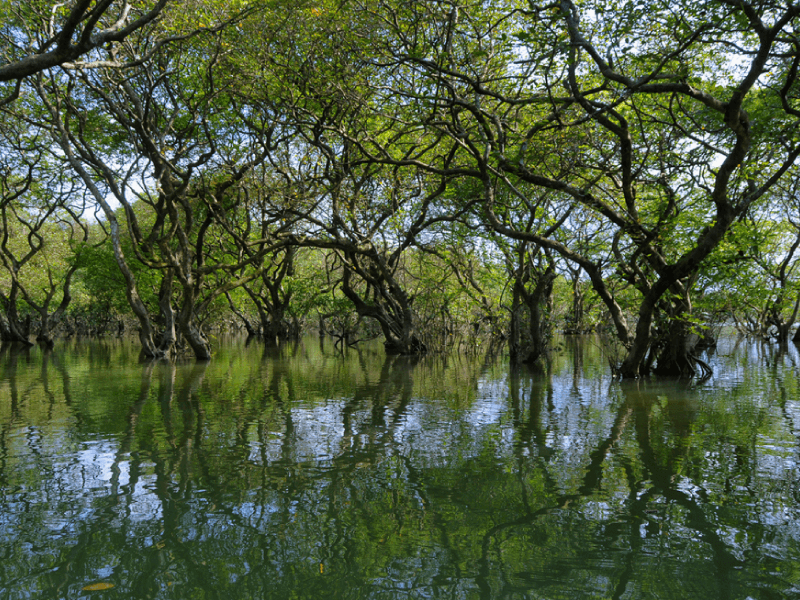
Ratargul Freshwater Swamp Forest
Paddle beneath flooded trees where a quiet forest rises straight from the water.
Explore More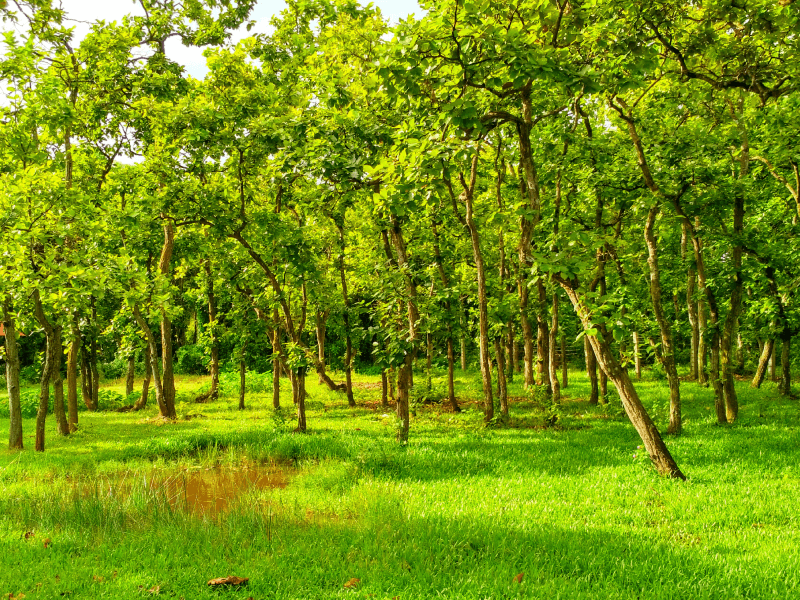
Ancient Sal Forests of Madhupur and Bhawal
Escape into sunlit sal woodland, red-earth trails and the rural heart of central Bangladesh.
Explore More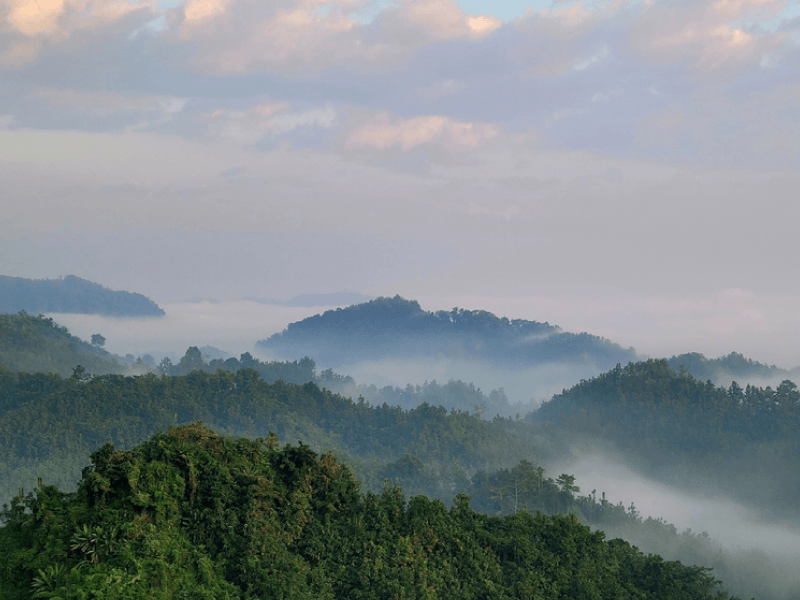
The Rugged Wilderness of Bandarban and the Hill Tracts
Climb into cloud-wrapped ridges, river valleys and community landscapes at Bangladesh's wild frontier.
Explore More