Sundarbans Tidal Channels and Mangrove Creeks
Wild aquatic wilderness of the world's largest mangrove forest
Cruising the Realm of the Royal Bengal Tiger.
Navigating Winding Estuaries, Mudflats, and Ancient Mangrove Canals.
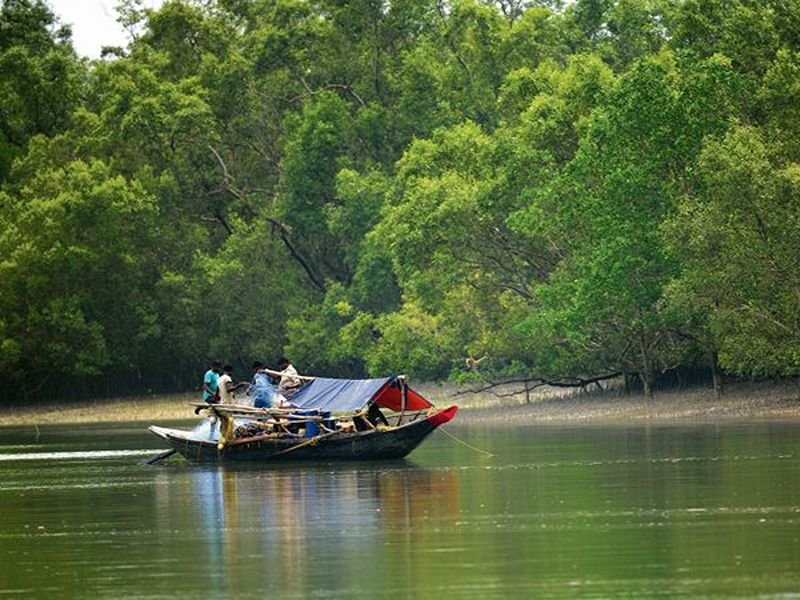
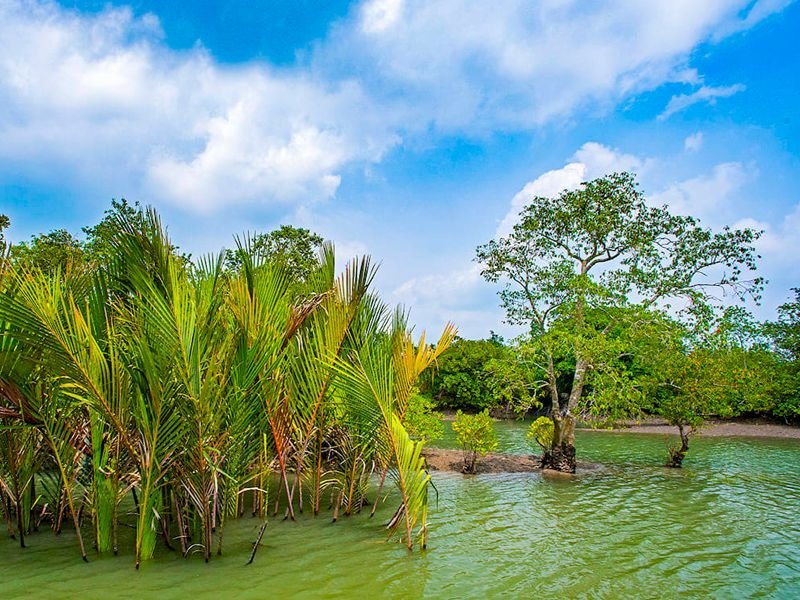
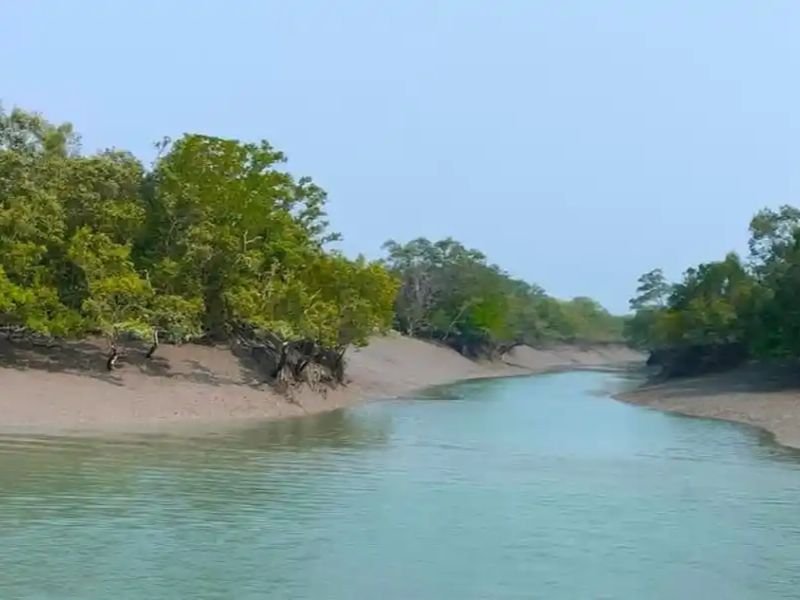
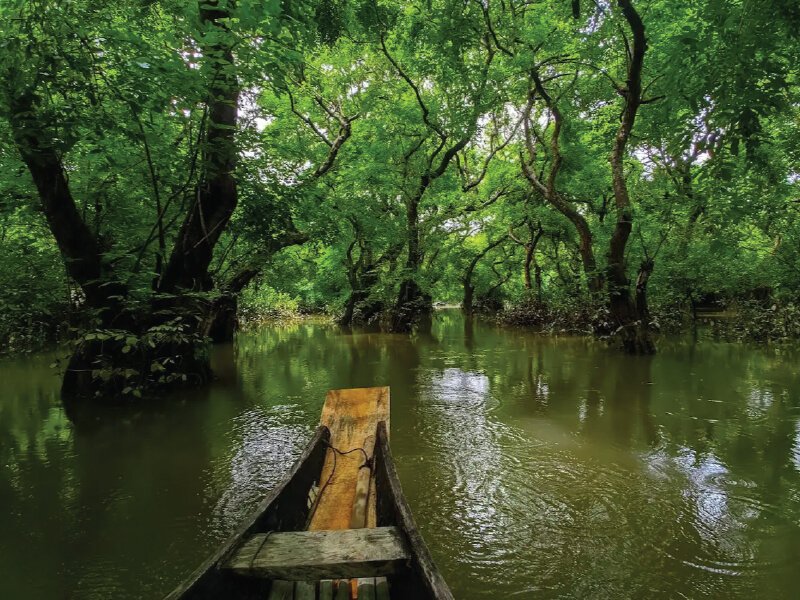
The Sundarbans, a UNESCO World Heritage site, represents the largest contiguous mangrove forest on Earth, straddling the coastal boundary of Bangladesh. This vast wilderness is framed by an intricate, labyrinthine network of tidal rivers, winding creeks, and expansive estuaries. Exploring this uncharted coastal frontier on specialized wooden tourist cruisers reveals an untouched realm where the wilderness reigns supreme and human presence recedes.
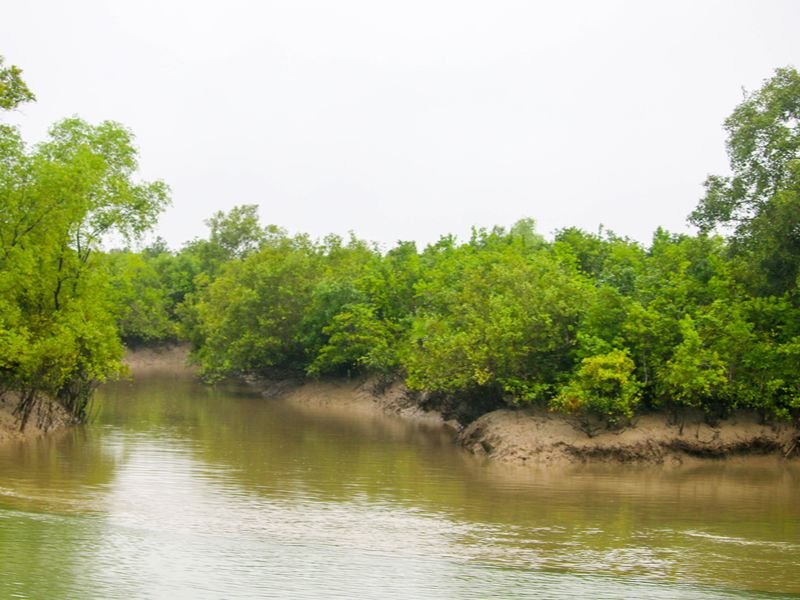
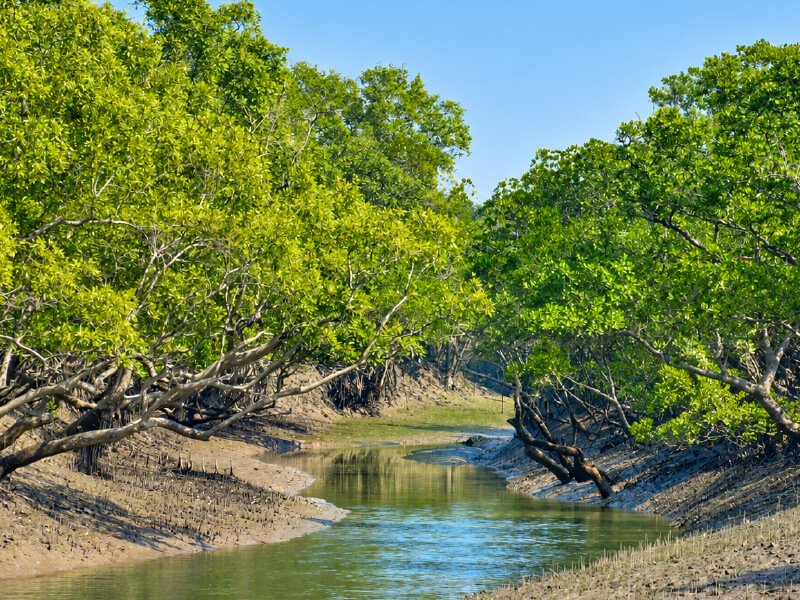
Cruising through the narrow mangrove creeks early in the morning offers an exhilarating wildlife tracking experience. As the tide recedes, smooth muddy banks emerge, exposing spotted deer grazing on Sundari leaves, saltwater crocodiles basking in the sunlight, and vibrant kingfishers diving for fish. The stillness of the morning air is often punctuated by the alarm calls of rhesus macaques or the distant, terrifying roar of the elusive Royal Bengal Tiger.
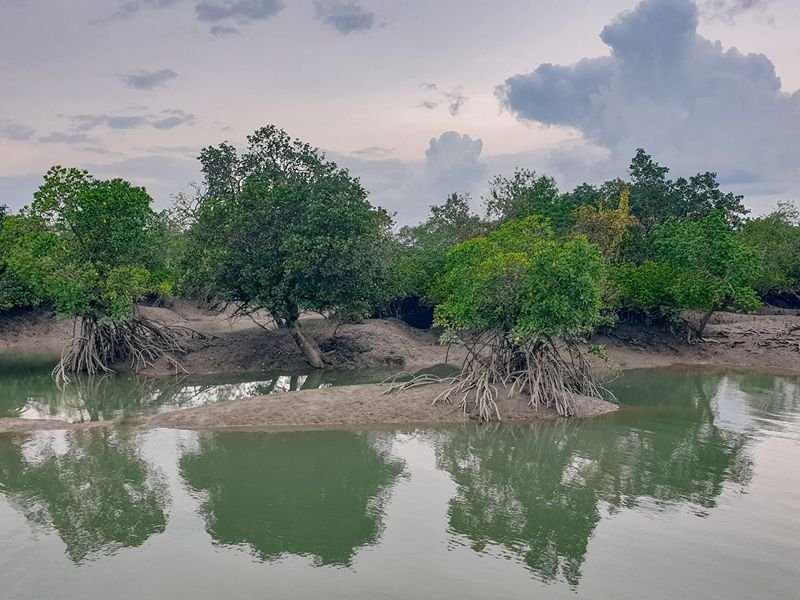
Landings at strategic forest stations like Karamjal, Katka, and Dublar Char allow visitors to walk along elevated wooden boardwalks deep into the heart of the jungle. Knowledgeable local forest guards accompany tourists, pointing out intricate pneumatic mangrove roots (pneumatophores), rare mudskippers, and tiger footprints embedded in fresh mud. The transition from wide, turbulent rivers into silent, shaded narrow channels creates an unforgettable sensation of adventure and discovery.
A voyage through the Sundarbans backwaters is an awe-inspiring encounter with nature in its rawest, most untamed form. The combination of pristine mangrove ecology, rich maritime biodiversity, and dramatic tidal fluctuations makes it a bucket-list expedition for wildlife enthusiasts worldwide. It is a profound reminder of the delicate ecological shield protecting the nation's southern shores.
Immersive Experience
No 360° Videos available
Destination Gallery