

S.M. Sultan and the Canvas of Rural Life
Monumental visions of labor, land, and rural strength
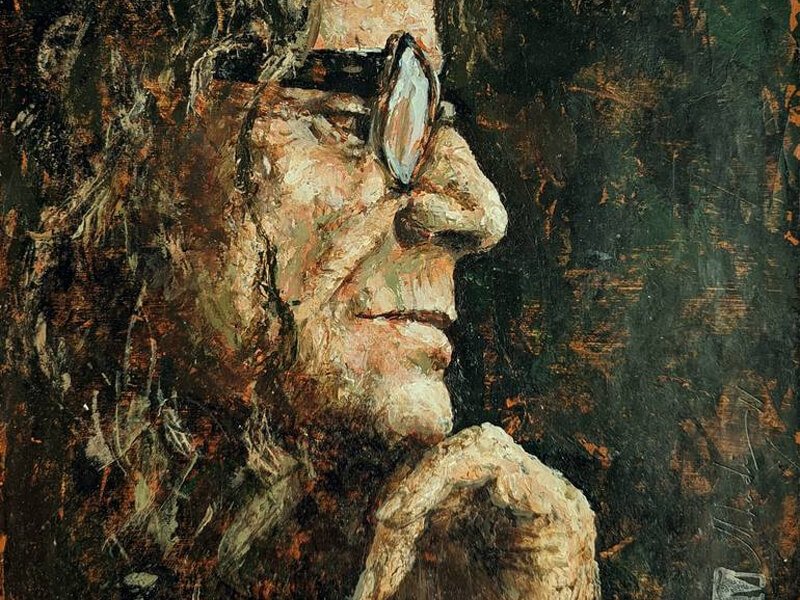
Strength of the Soil. Rural Bangladesh Reimagined on a Monumental Scale
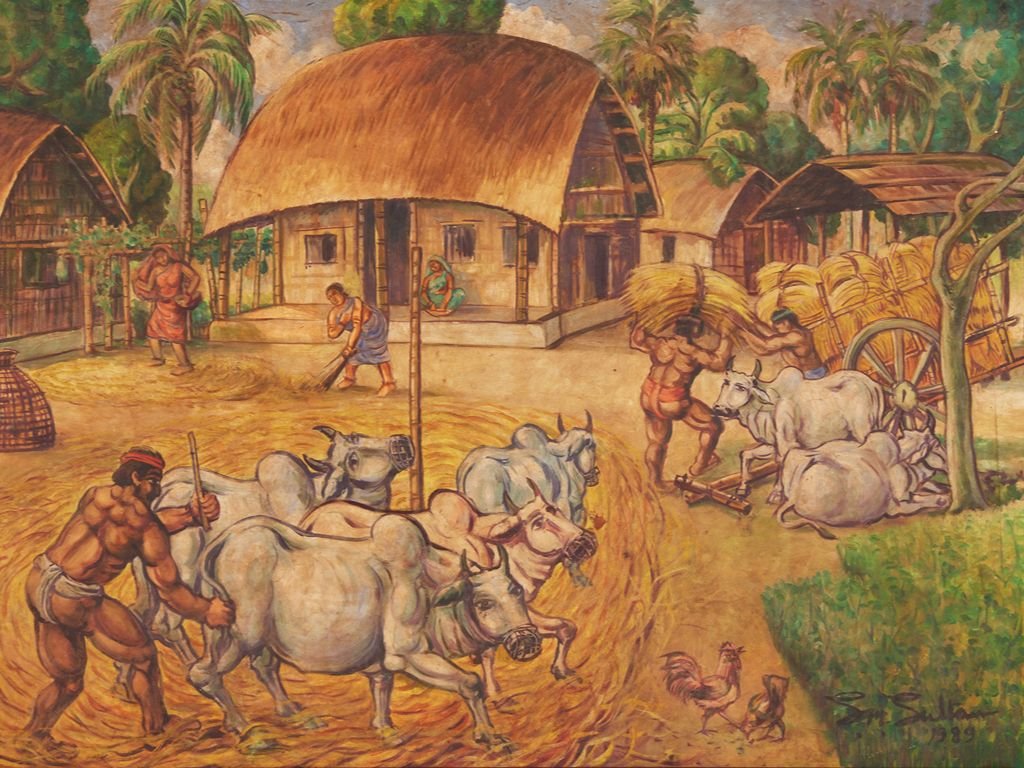
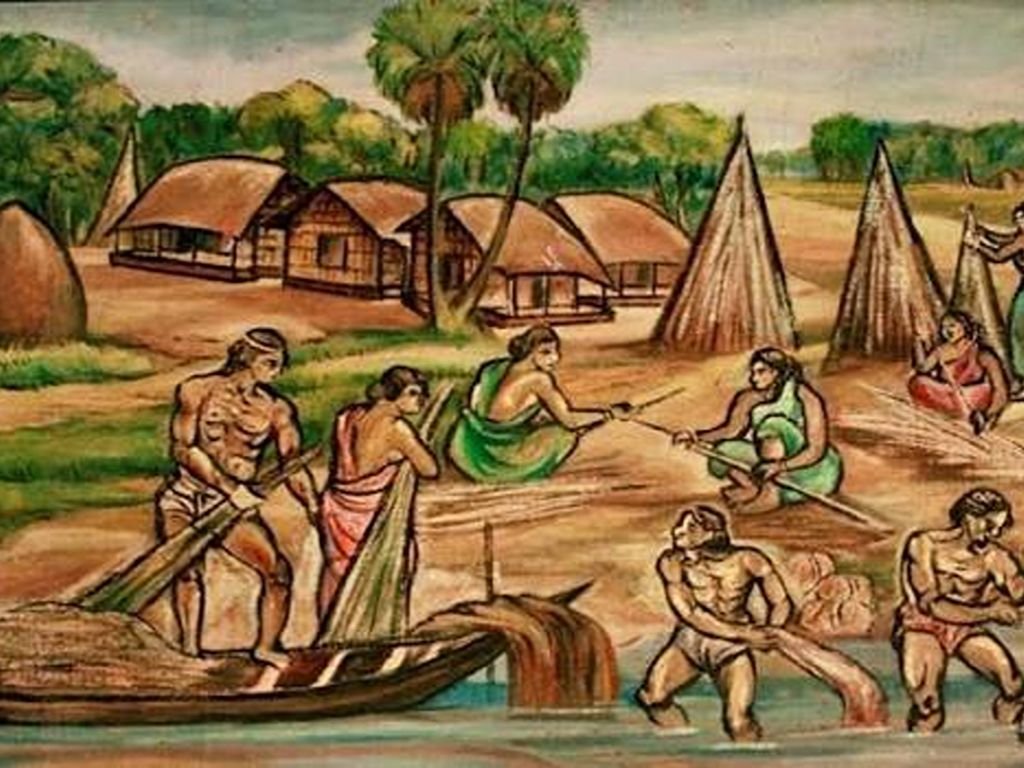
S.M. Sultan created one of the most immediately recognizable visions of rural life in modern Bangladeshi art. He centered farmers, fishermen, laborers, families, animals, fields, and rivers, but he did not paint rural people as passive figures trapped by hardship. Instead, he gave many of them extraordinary physical power.
His muscular farmers form the defining feature of his mature work. Their enlarged arms, shoulders, torsos, and legs do not attempt to reproduce ordinary anatomy. They symbolize strength, productive labor, endurance, and the possibility of a rural world in which the people who cultivate the land possess dignity and agency. Banglapedia describes the contrast between these powerful painted bodies and the physically exhausted reality of many actual farmers as central to Sultan's artistic vision.
Sultan's relationship with village life developed alongside an unusually independent career. He studied art in Kolkata but left formal education before completing the course. He traveled widely through South Asia, spent time in Pakistan, visited the United States, and exhibited abroad before returning to Narail, where he eventually made rural life the center of both his art and daily existence.
His international career should not be reduced to the idea that he simply rejected the art world. Bengal Foundation records that Sultan participated in a 1956 London exhibition at Victoria Embankment Gardens where his work appeared alongside works by artists including Pablo Picasso, Salvador Dalí, Georges Braque, and Paul Klee. His first major exhibition in Dhaka came much later, in 1976.
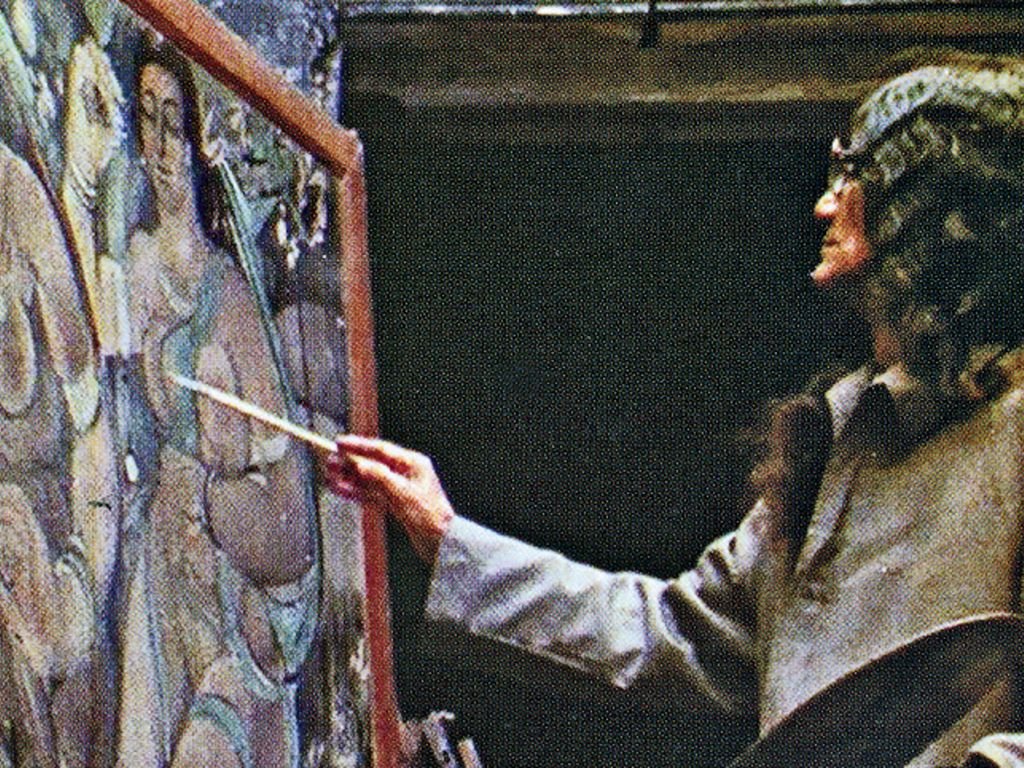
Sultan also experimented with unconventional materials. A major conservation and research project led by Bengal Foundation documents his use of jute and hessian supports and pigments prepared from crushed vegetables, roots, and other organic materials. These choices created distinctive surfaces but have also presented serious conservation challenges as the works age.
Children's art education formed another important part of his legacy in Narail. He created spaces where children could learn art and connect with the natural world. Shishu Swargo continues to preserve this educational association. Sultan also encouraged experiences linked to the Chitra River, which remained central to his sense of place.
Narail continues to celebrate his memory through art programs and the S.M. Sultan Boat Race on the Chitra River. Organizers hold the race annually, but its exact date changes, so visitors should confirm the schedule before traveling.
Immersive Experience
No 360° Videos available
Destination Gallery
Shilpacharya Zainul Abedin and Modern Art
A pioneering force in Bangladesh's modern visual-art movement
Explore More