

Shilpacharya Zainul Abedin and Modern Art
A pioneering force in Bangladesh's modern visual-art movement
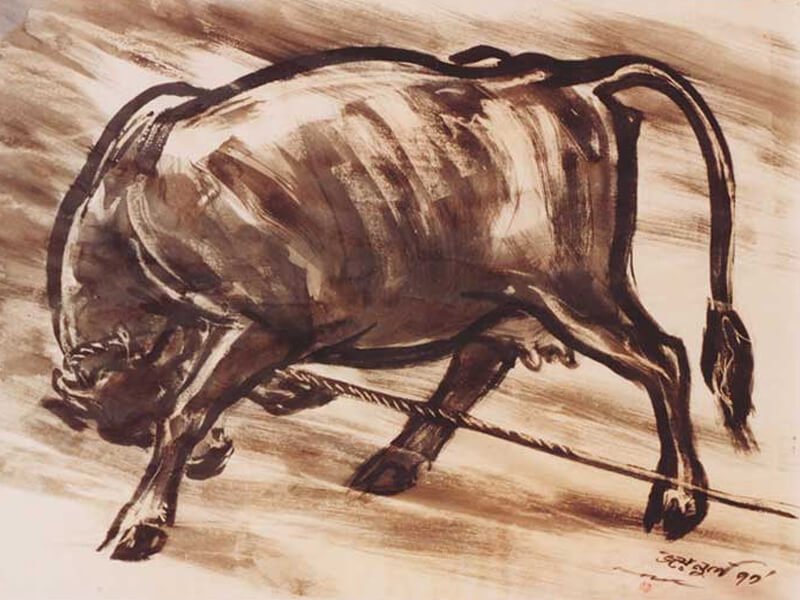
Master of the Brush. Art Shaped by Struggle, Humanity, and the Land
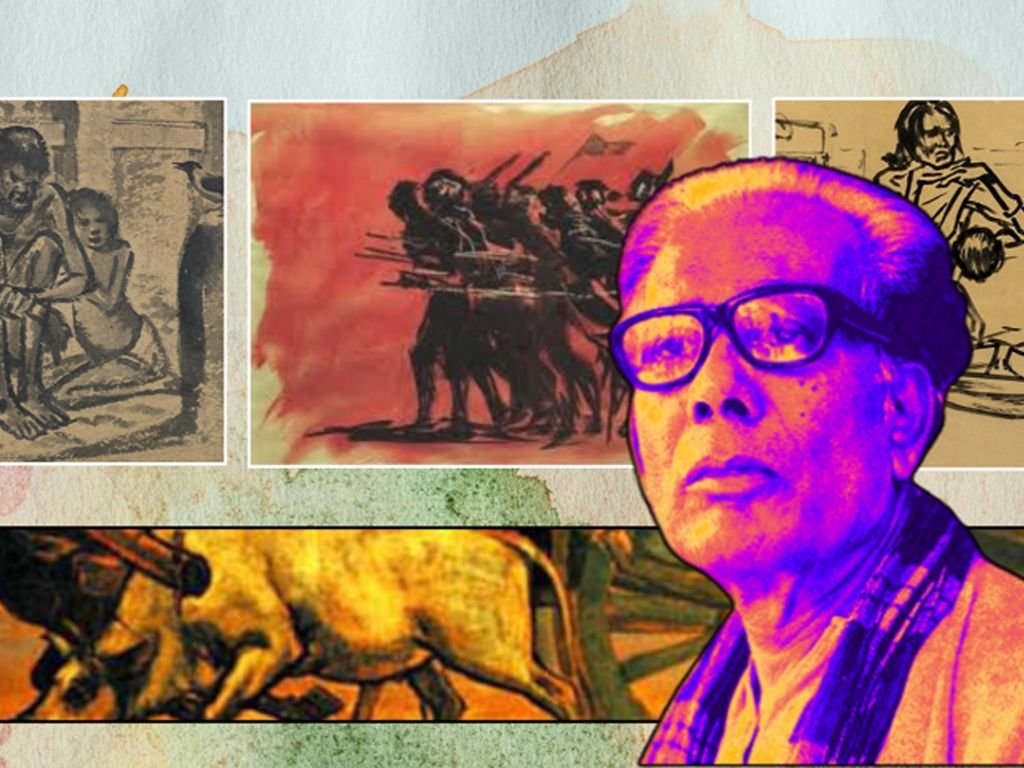
Zainul Abedin stands among the central figures in the development of modern art and formal art education in Bangladesh. Artist, teacher, organizer, and cultural activist, he combined close observation of ordinary people with a strong commitment to social reality and the artistic traditions of Bengal.
His 1943 Bengal Famine sketches established his reputation across the subcontinent. Abedin used Chinese ink and brush on inexpensive packing paper to record the suffering he witnessed during the famine. The drawings use economical lines and dramatic black strokes to portray hunger, displacement, exhaustion, and human vulnerability without decorative excess.
After the Partition of 1947, Abedin moved to Dhaka. In 1948, he and several colleagues established the Government Institute of Arts and Crafts, the institution that eventually developed into the Faculty of Fine Art at the University of Dhaka. His role as founding principal helped establish a professional base for modern art education in what was then East Pakistan.
Abedin continued to connect art with major moments in Bengali history. In 1969, he created the 65-foot scroll Nabanna using Chinese ink, watercolor, and wax. Banglapedia links the work directly to the 1969 mass movement while also noting its powerful representation of rural life. After the devastating cyclone of 1970, he created the approximately 30-foot Manpura scroll to commemorate its victims.
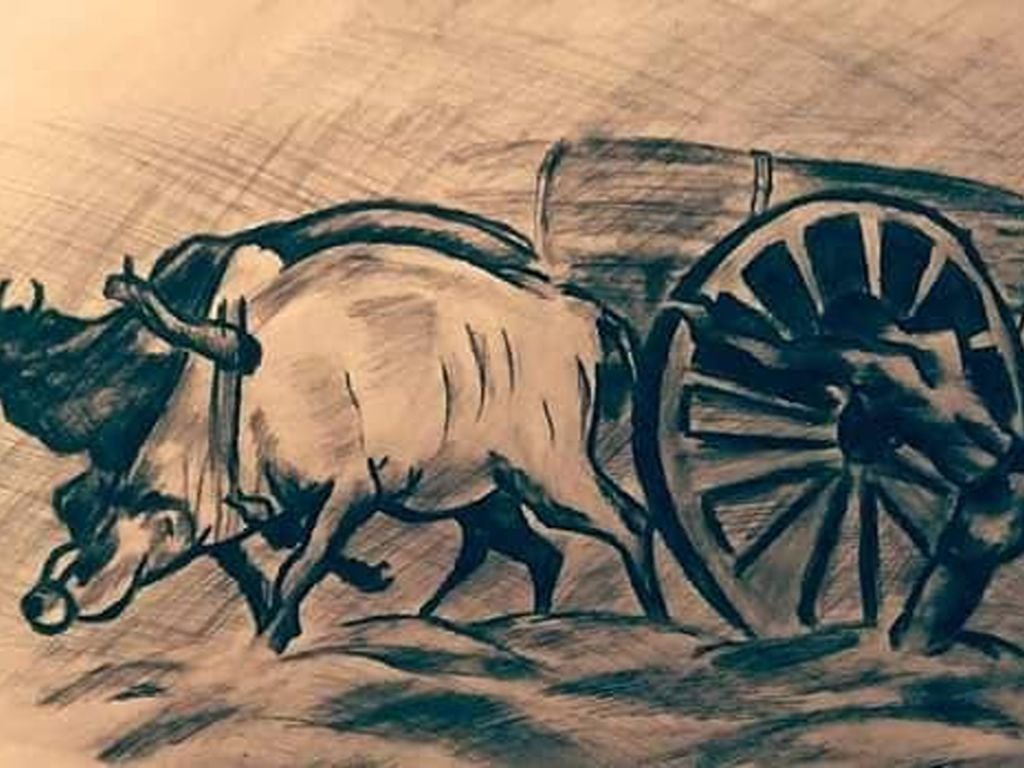
Another celebrated composition, commonly known as The Struggle or Sangram, shows people and bullocks fighting to free a cart from deep mud. Published sources identify several versions in different media and disagree on their exact dates. Recent archival research has traced a version of the composition to the 1950s, while later cataloged versions also exist. For that reason, a responsible brochure should avoid attaching one simple date to the title.
Abedin also worked to protect folk heritage. In 1975, he helped establish a folk-art museum at Sonargaon and a gallery in Mymensingh devoted to his work. The Shilpacharya Zainul Abedin Sangrahashala in Mymensingh now operates under the Bangladesh National Museum system and remains an important destination for studying his legacy.
Immersive Experience
No 360° Videos available
Destination Gallery
S.M. Sultan and the Canvas of Rural Life
Monumental visions of labor, land, and rural strength
Explore More