

Shahbagh Flower Market & Kawran Bazar
Flowers before dawn and the nighttime logistics of a megacity
Petals and Produce. Meet Dhaka Before the Rest of the City Wakes.
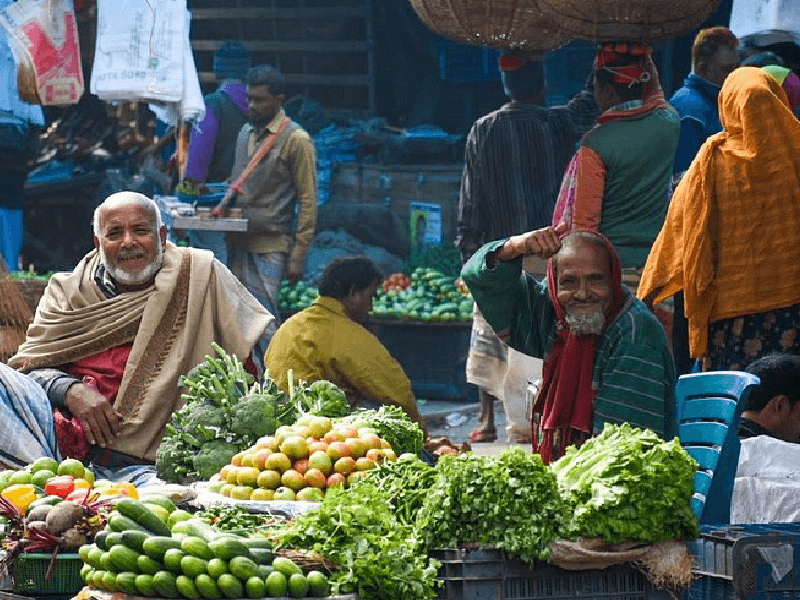
Shahbagh and Kawran Bazar reveal two very different sides of Dhaka's urban economy. One deals in flowers for celebration, mourning, hospitality, and decoration. The other moves vegetables, fish, fruit, rice, groceries, and other food through one of the capital's most important wholesale networks.
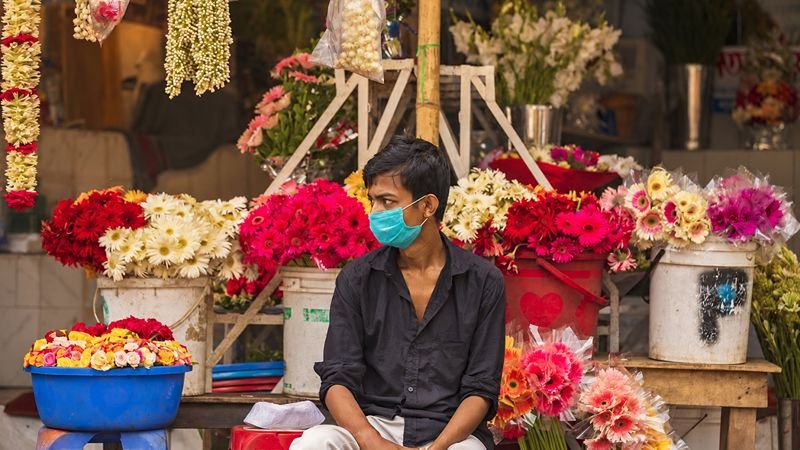
Shahbagh's flower trade starts long before ordinary office hours. Recent reporting shows farmers and vendors beginning to arrive between roughly 2:00 and 3:00 AM during busy periods. Roses, tuberoses, marigolds, gerberas, chrysanthemums, gladiolus, and other flowers fill the market as traders prepare for the day.
The market combines wholesale and retail activity. The wholesale section works mainly from the predawn hours into the morning, while retail flower shops can remain open much longer. A 2025 report documented farmers selling directly to traders at the wholesale market before sunrise.
The demand changes dramatically around Pahela Falgun, Valentine's Day, International Mother Language Day, weddings, religious occasions, and national commemorations. Bangladesh's major flower-growing districts, including Jashore, supply large volumes to Dhaka during peak periods.
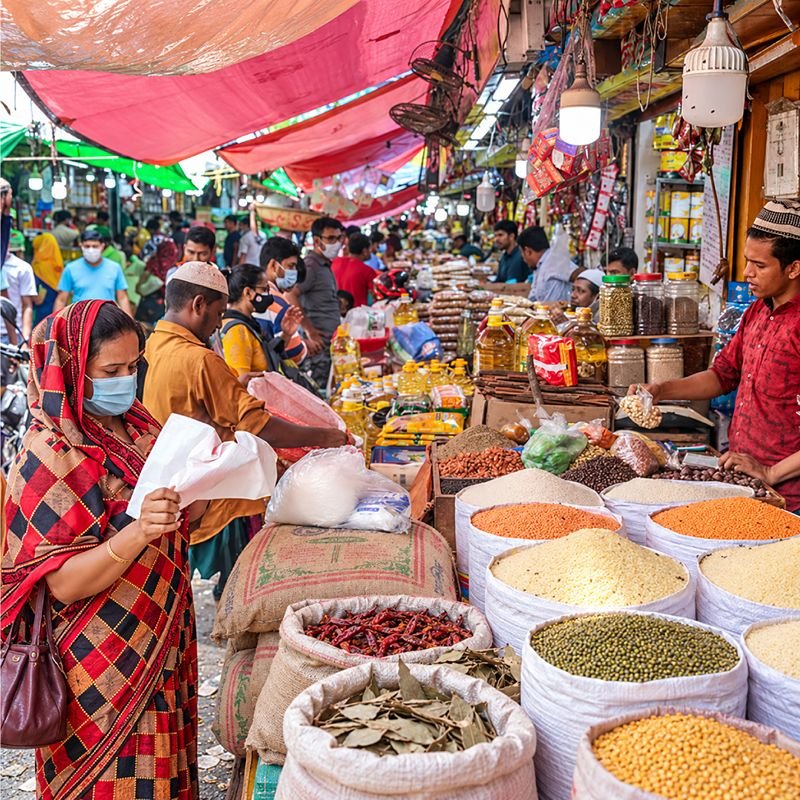
Kawran Bazar comes alive on a different scale. Banglapedia describes separate wholesale sections for fish, vegetables, rice, and other goods, with produce arriving from across Bangladesh. Hundreds of trucks have historically delivered goods during the night.
The market remains intensely active in 2026. Recent reporting describes trucks packed into narrow lanes at night while traders negotiate prices and thousands of workers known as Mintis carry goods in large bamboo baskets.
Authorities have pursued plans to relocate wholesale operations because of congestion and unsafe buildings. Relocation efforts began moving some functions in 2024, but current 2026 reporting shows that Kawran Bazar continues to operate as a major food market.
These are working markets, not staged attractions. The best experience comes from watching without interfering with buyers, sellers, porters, trucks, and the constant movement of goods.
Immersive Experience
No 360° Videos available
Destination Gallery
A Culinary Journey Through Old Dhaka
Centuries of Dhakaite food traditions, Mughal influence, and street-side flavor
Explore More