

A Culinary Journey Through Old Dhaka
Centuries of Dhakaite food traditions, Mughal influence, and street-side flavor
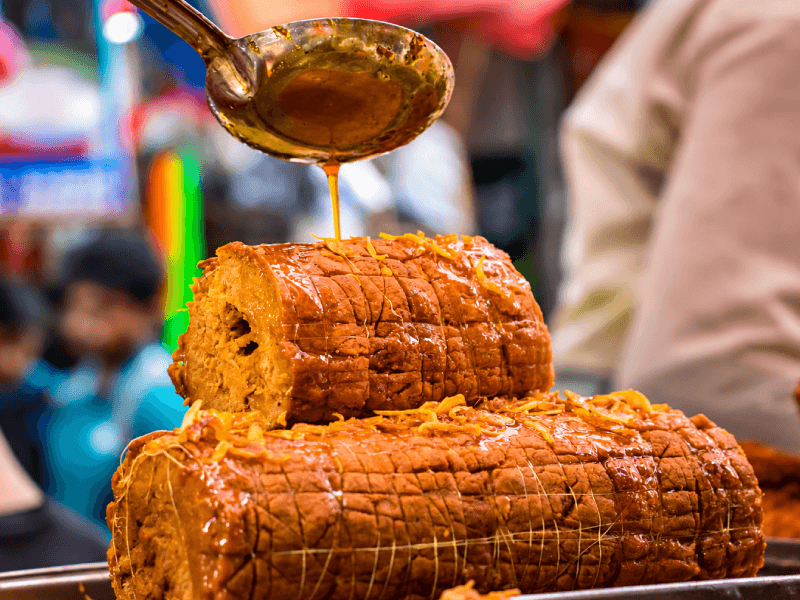
The Spice Labyrinth. Taste the Food Heritage of Old Dhaka.
Old Dhaka turns eating into an exploration of history. Its crowded lanes, old markets, bakeries, restaurants, and seasonal food stalls carry a culinary identity shaped by Mughal court culture, wider Persianate influences, regional South Asian traditions, and generations of local adaptation.
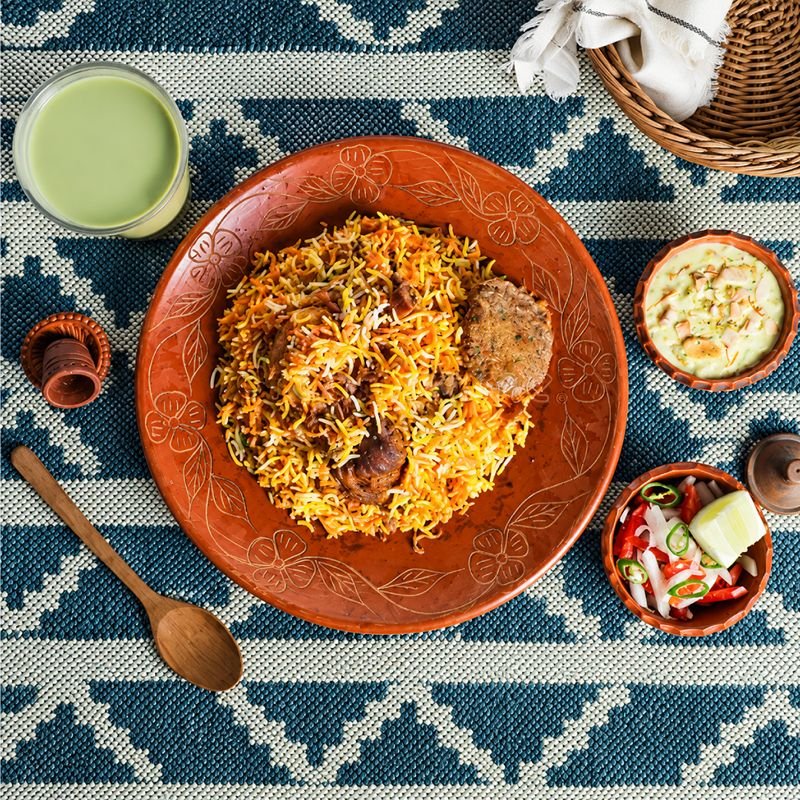
Rice and meat dishes sit at the heart of this tradition. Haji Biryani in Nazira Bazar has become one of Old Dhaka's best-known names. A documented account of its preparation describes small-grain Kataribhog rice, meat from castrated goat, mustard oil, and a closely guarded mixture of spices. The restaurant traditionally packs takeaway portions in dried jackfruit leaves, a detail that has become closely associated with the dish.
Old Dhaka offers much more than biryani. Kebabs, roast meats, morog polao, borhani, breads, sweets, and rich curries reflect a long-established preference for aromatic and celebratory food. Different neighborhoods have developed their own reputations, including Nazira Bazar, Chawkbazar, Narinda, Lalbagh, Laxmibazar, and Dhoopkhola.
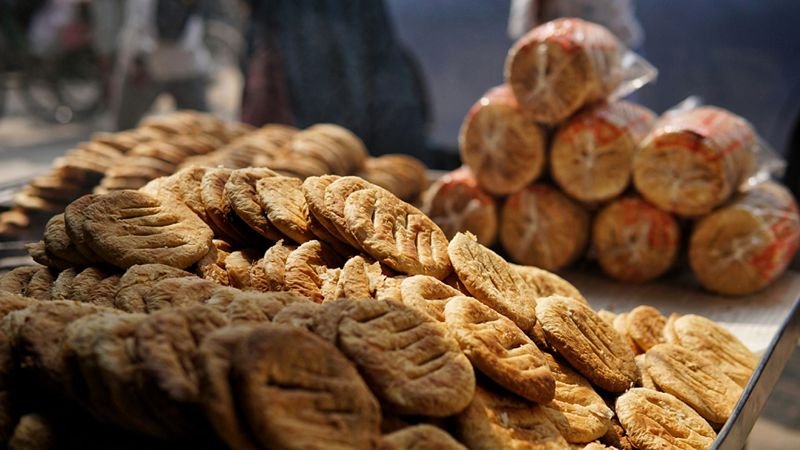
Bakarkhani remains one of the area's most recognizable breads. Banglapedia traces the crisp, round bread to Mughal-era Dhaka and notes older connections with Afghanistan or regions farther west. Bakers repeatedly stretch and fold the dough before baking it. Historic Dhaka residents ate different forms of Bakarkhani with korma, kebabs, sweets, and other dishes.
Ramadan brings Old Dhaka's food culture into especially sharp focus. Chawkbazar hosts a famous iftar market with a documented history of more than a century. Hundreds of seasonal stalls can fill the area with kebabs, roasts, cutlets, borhani, sweets, and other dishes before sunset. One of the best-known items is Boro Baper Polay Khay, a rich mixture whose modern versions can include chickpeas, minced meat, potatoes, flattened rice, eggs, chicken, spices, and other ingredients.
A food walk through Old Dhaka works best when visitors treat the neighborhood as a living community rather than an outdoor food court. The experience comes from the combination of old recipes, family businesses, local markets, crowded streets, and the social rituals of eating together.
Immersive Experience
No 360° Videos available
Destination Gallery
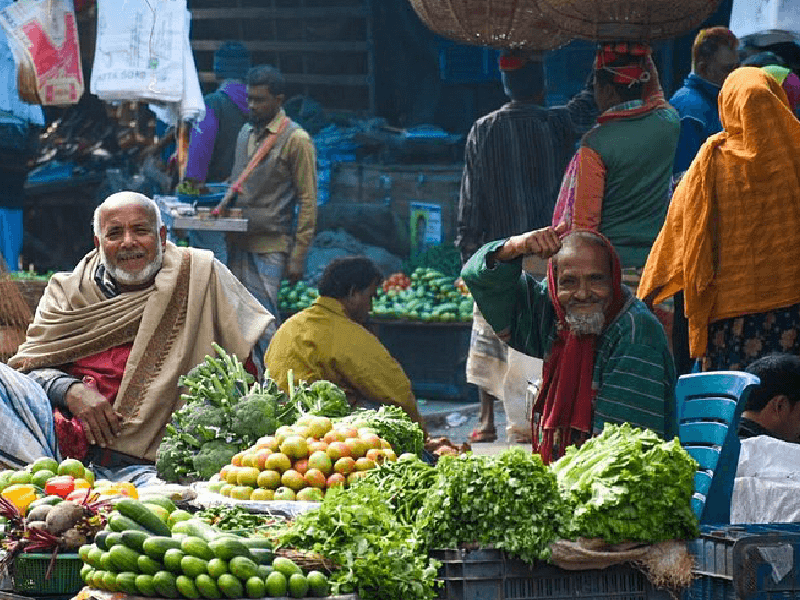
Shahbagh Flower Market & Kawran Bazar
Flowers before dawn and the nighttime logistics of a megacity
Explore More