
Rangpur Shataranji
Bold geometric weaving from northern Bangladesh
Woven Colors of Rangpur. Handcrafted Geometry with a Historic Soul.
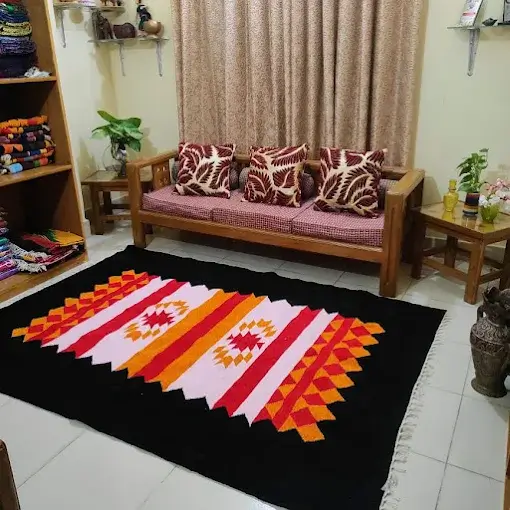
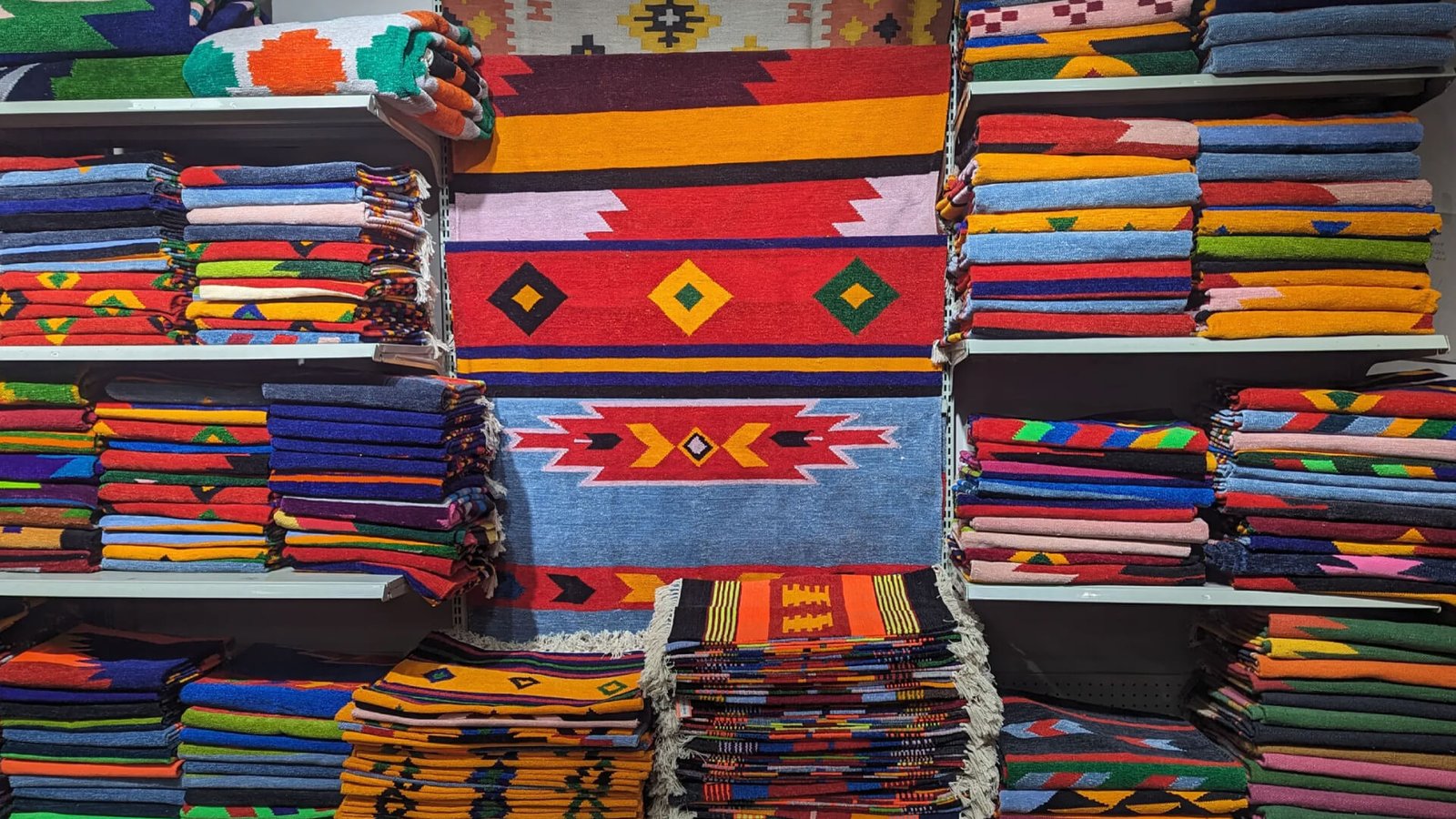
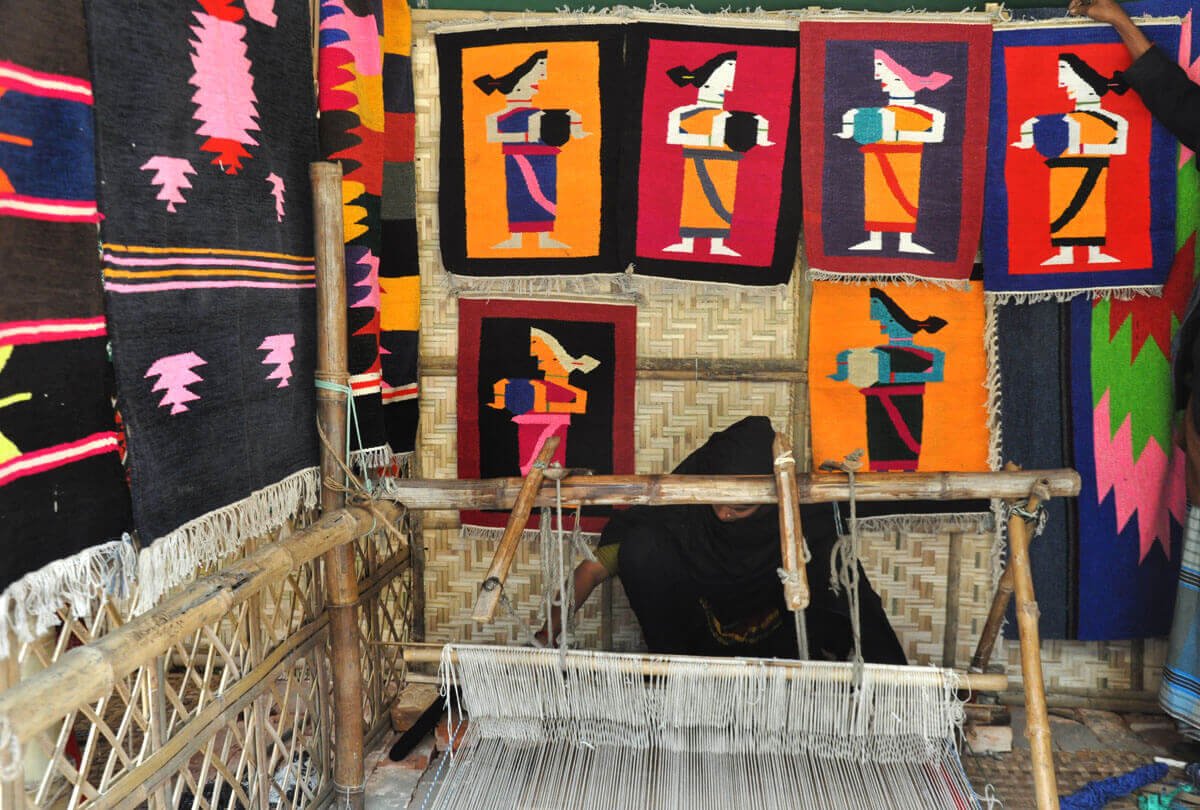
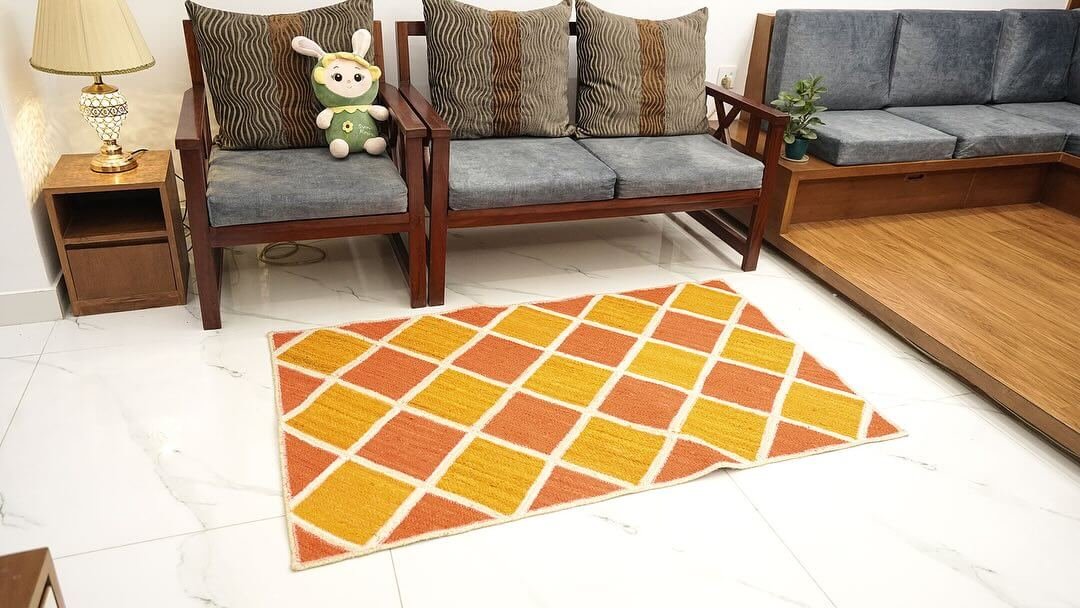
Rangpur Shataranji represents one of northern Bangladesh's most distinctive weaving traditions. Artisans create the durable textile largely by hand and transform yarn into rugs, floor coverings, placemats, runners, carpets, and decorative pieces.
Local tradition gives Shataranji a very long history, but documentary evidence provides a firmer historical foundation from the nineteenth century onward. Historical records connect the craft strongly with the area later known as Nisbetganj in Rangpur.
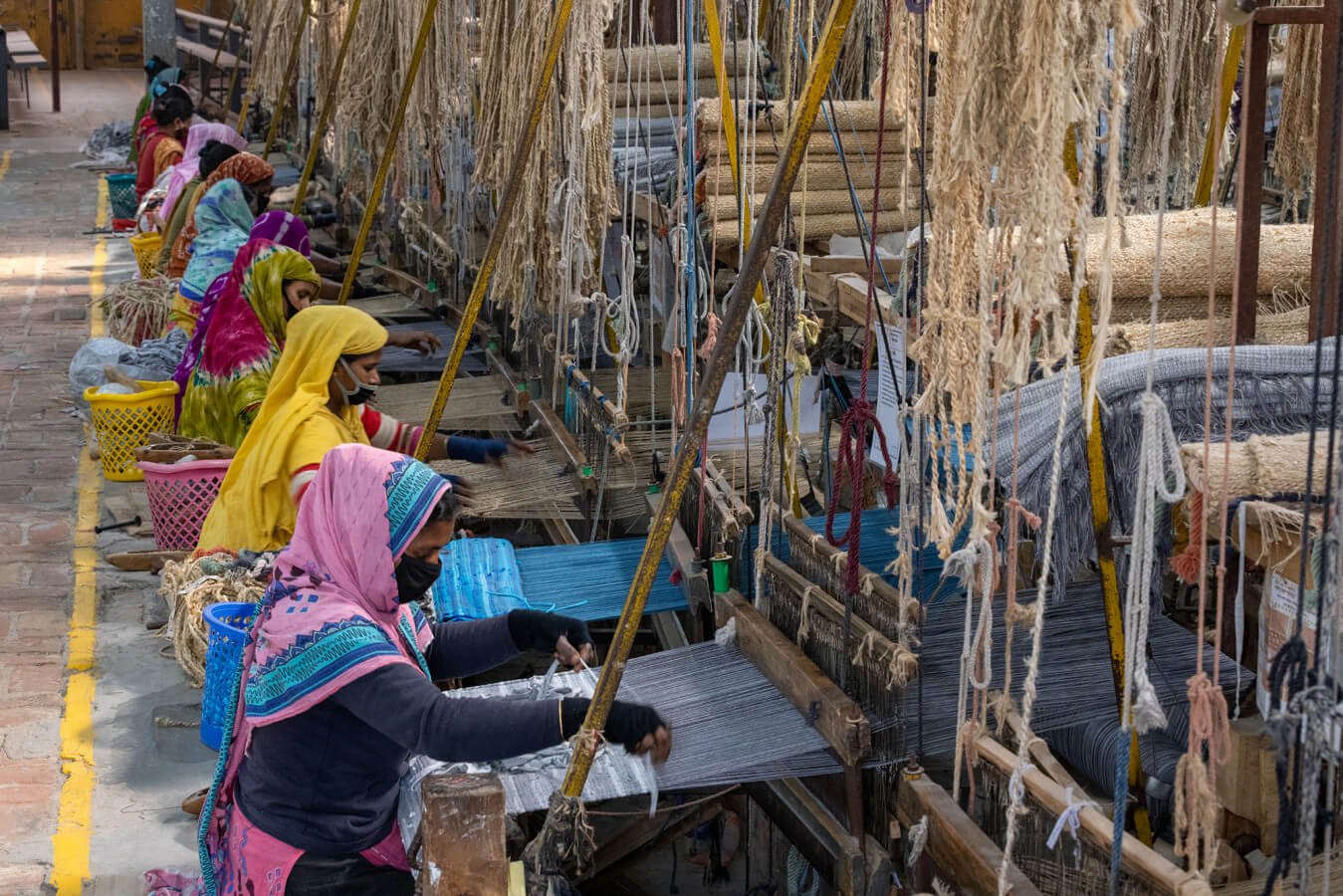
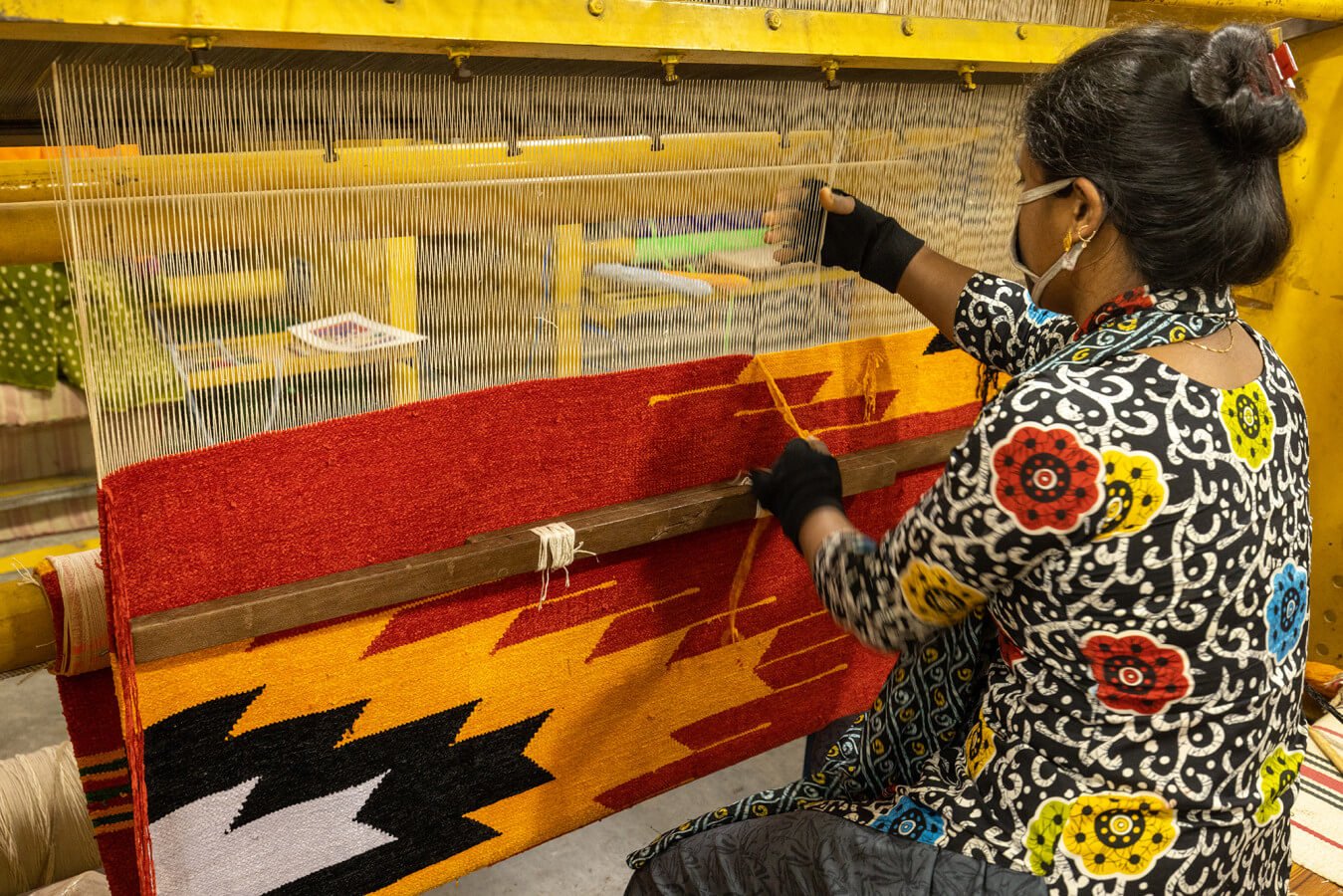
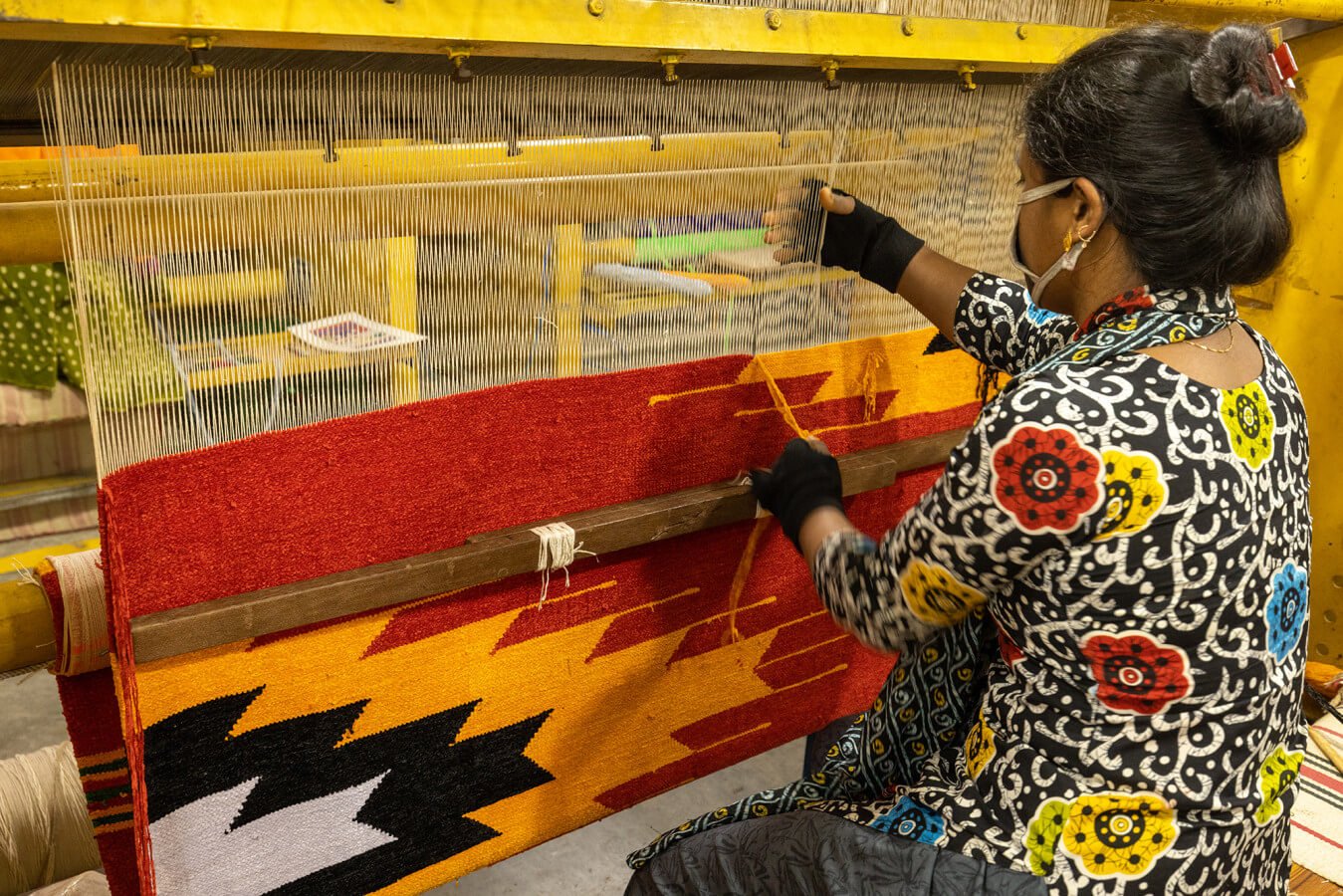
Artisans weave Shataranji using simple equipment. Traditional production involves working close to the ground with bamboo and rope arrangements rather than relying on complex mechanized looms. The technique allows weavers to build bold stripes, repeated geometric shapes, and strong color combinations.
Contemporary producers use several types of yarn and fibers, including cotton, jute, wool, recycled yarn, and textile waste depending on the product and workshop.
Women play a major role in the industry. Large numbers of women have worked in factories, household production, and training programs connected with Shataranji, making the craft an important source of income in the region.
The industry has experienced periods of expansion as well as serious challenges from rising material costs, changing demand, and competition from machine-made products.
Bangladesh recognized Rangpur Shataranji as a Geographical Indication product in June 2021. The recognition strengthened the regional identity of a craft that had already developed markets beyond Bangladesh.
Nisbetganj remains an important historical center of the tradition, while modern producers continue to adapt Shataranji into new forms for contemporary interiors.
Immersive Experience
No 360° Videos available
Destination Gallery