Nakshi Kantha
Embroidered quilts of memory, imagination, and rural life
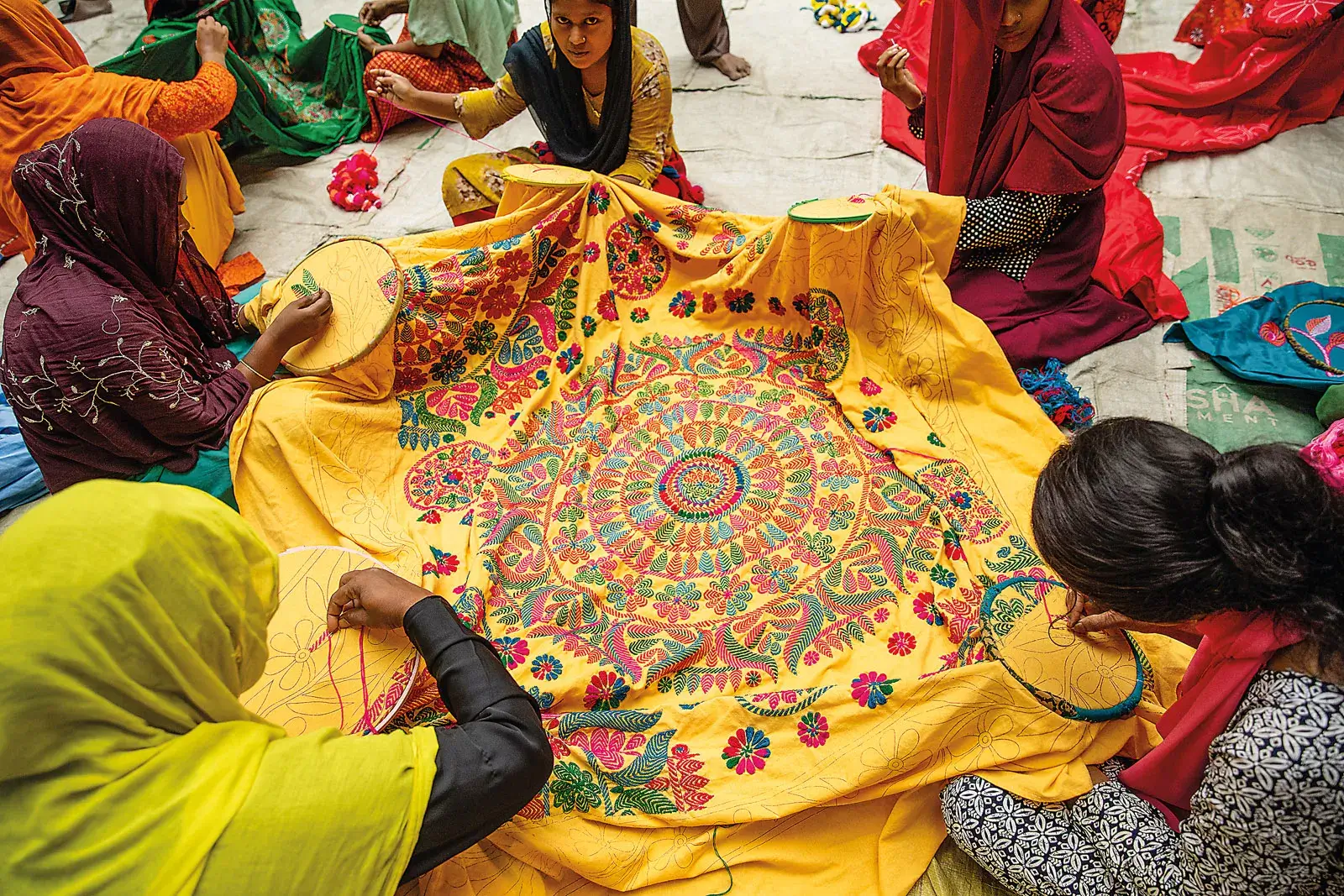
Stories Stitched in Thread. A Living Expression of Bengali Textile Art.
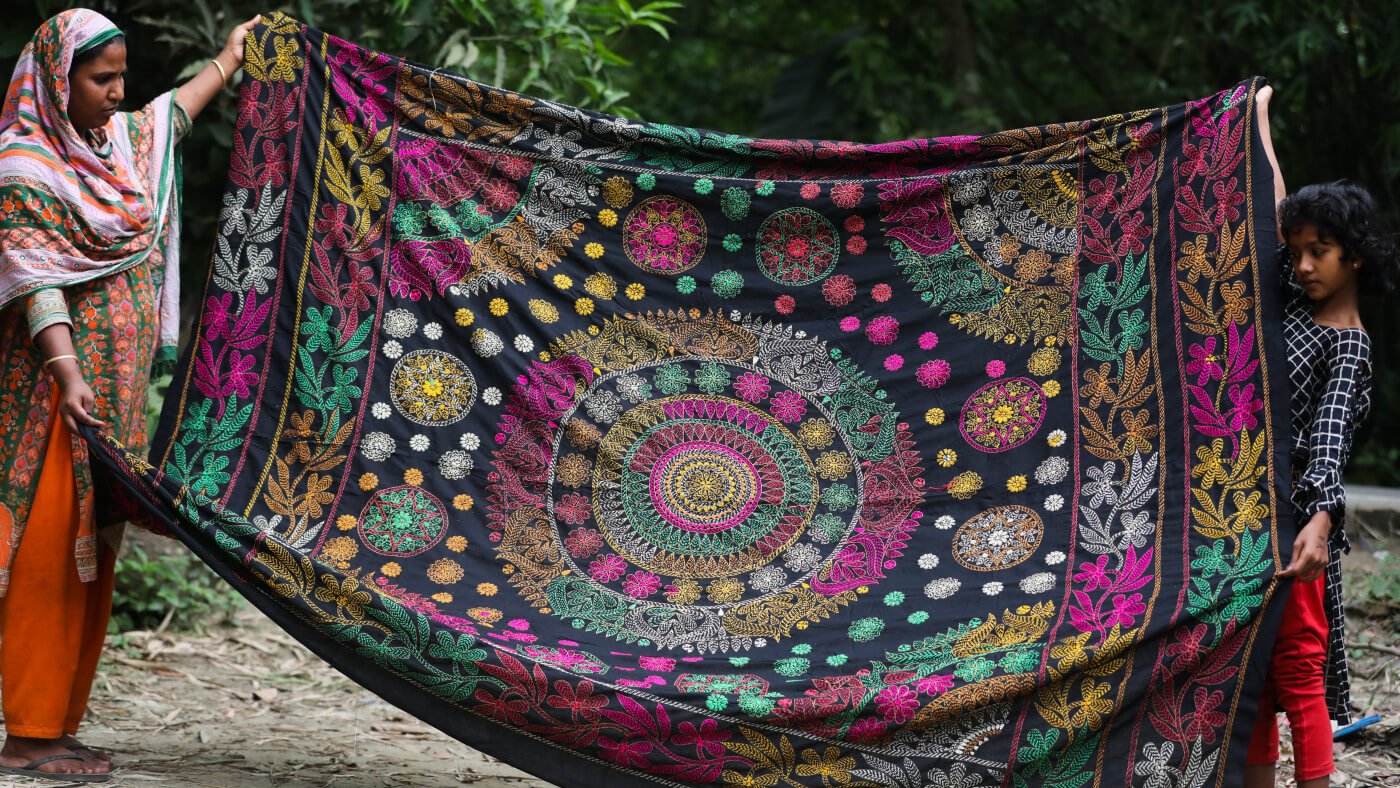
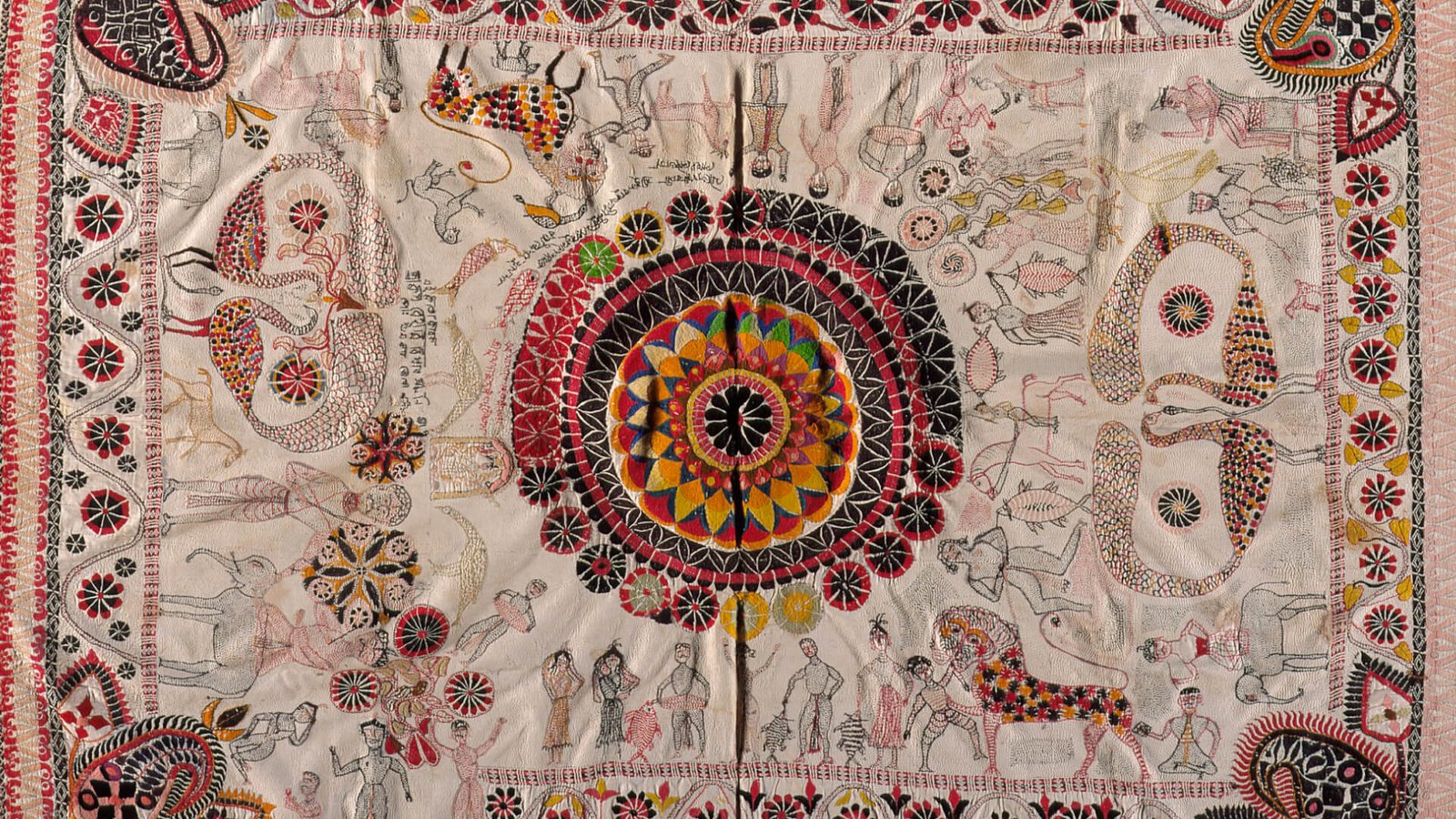
Nakshi Kantha transforms simple layers of old cloth into one of Bangladesh's most recognizable forms of embroidered textile art. Rural women developed the tradition through household necessity, creative expression, and generations of accumulated stitching knowledge.
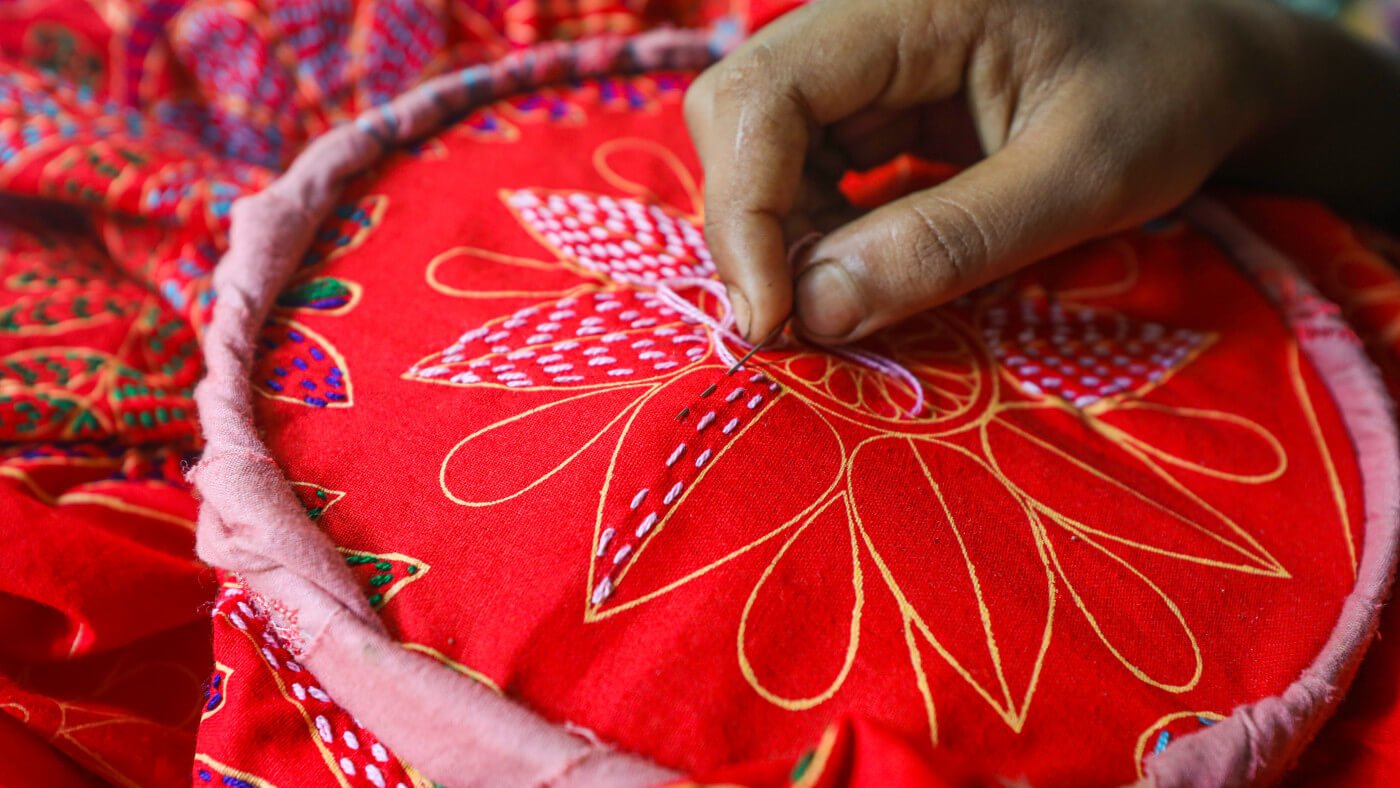
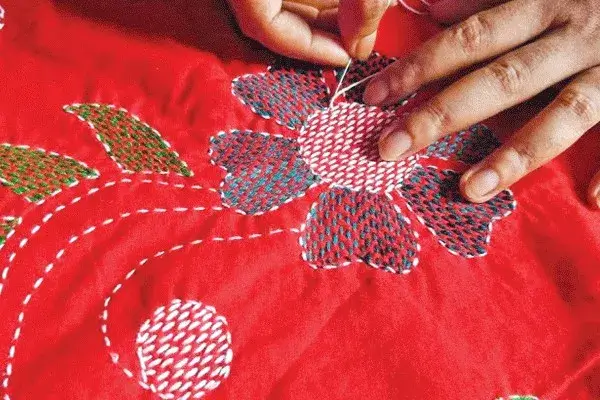
Traditionally, makers place several layers of worn sarees, dhotis, lungis, or other soft cotton fabrics together. They secure the layers with running stitches, which often create the gently rippled surface associated with kantha work.
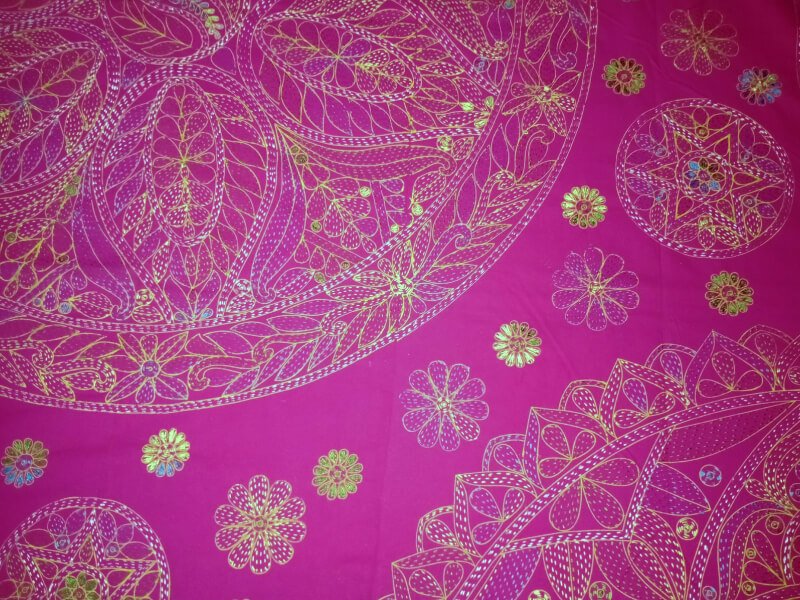
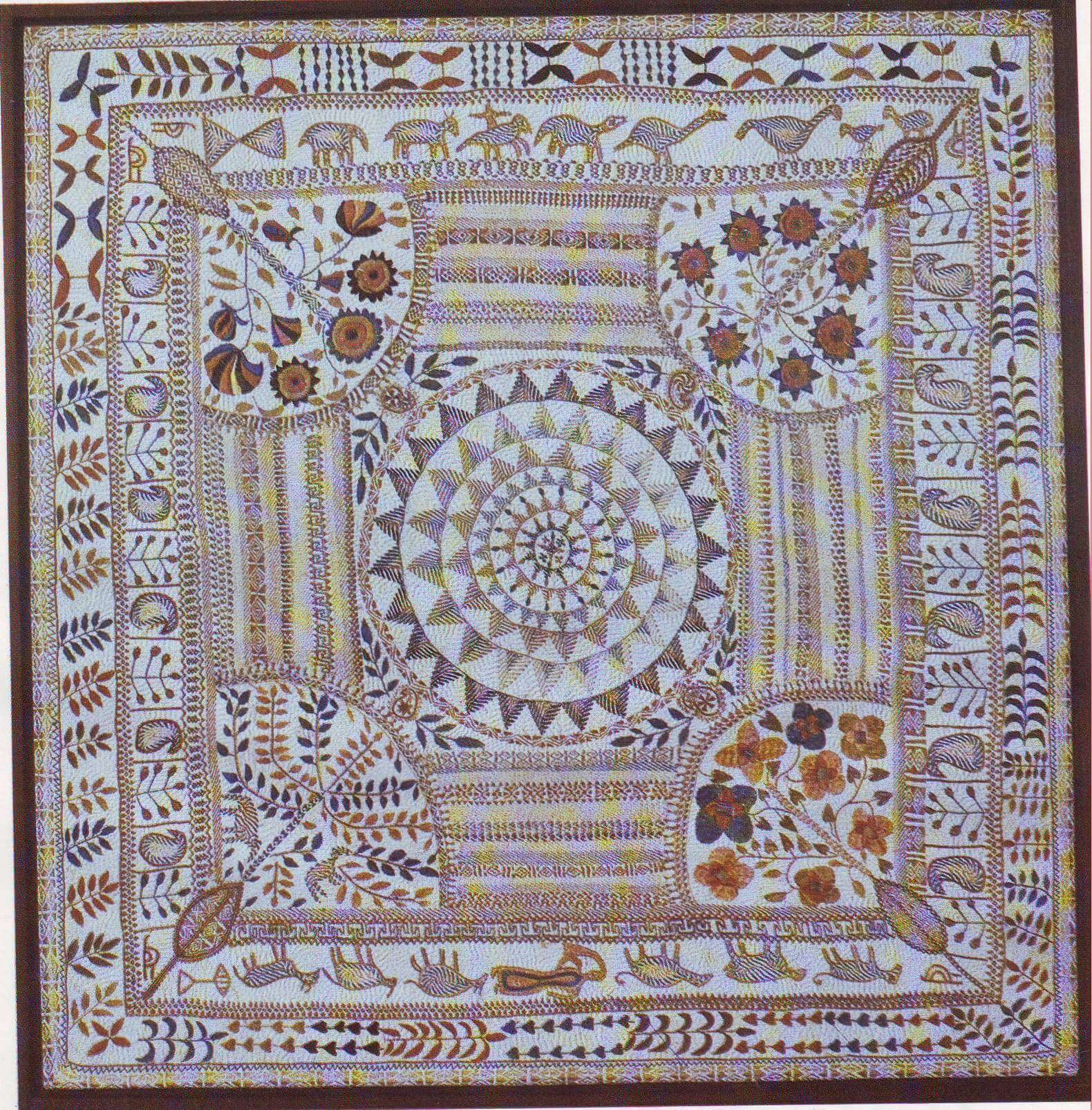
Women historically reused colored thread taken from the borders of old garments. They used simple stitches in increasingly complex arrangements to create floral patterns, geometric borders, animals, birds, household objects, boats, religious symbols, and scenes from everyday life.
Not every kantha tells a complete story. Many pieces serve primarily as functional quilts with simple stitching. More elaborate examples, however, can communicate memories, blessings, personal wishes, mythology, village scenes, and social life.
The tradition developed across several areas of Bengal and Bangladesh. Historic examples come from regions including Faridpur, Jessore, and Rajshahi, while Jamalpur has become one of Bangladesh's most important modern centers of commercial Nakshi Kantha production.
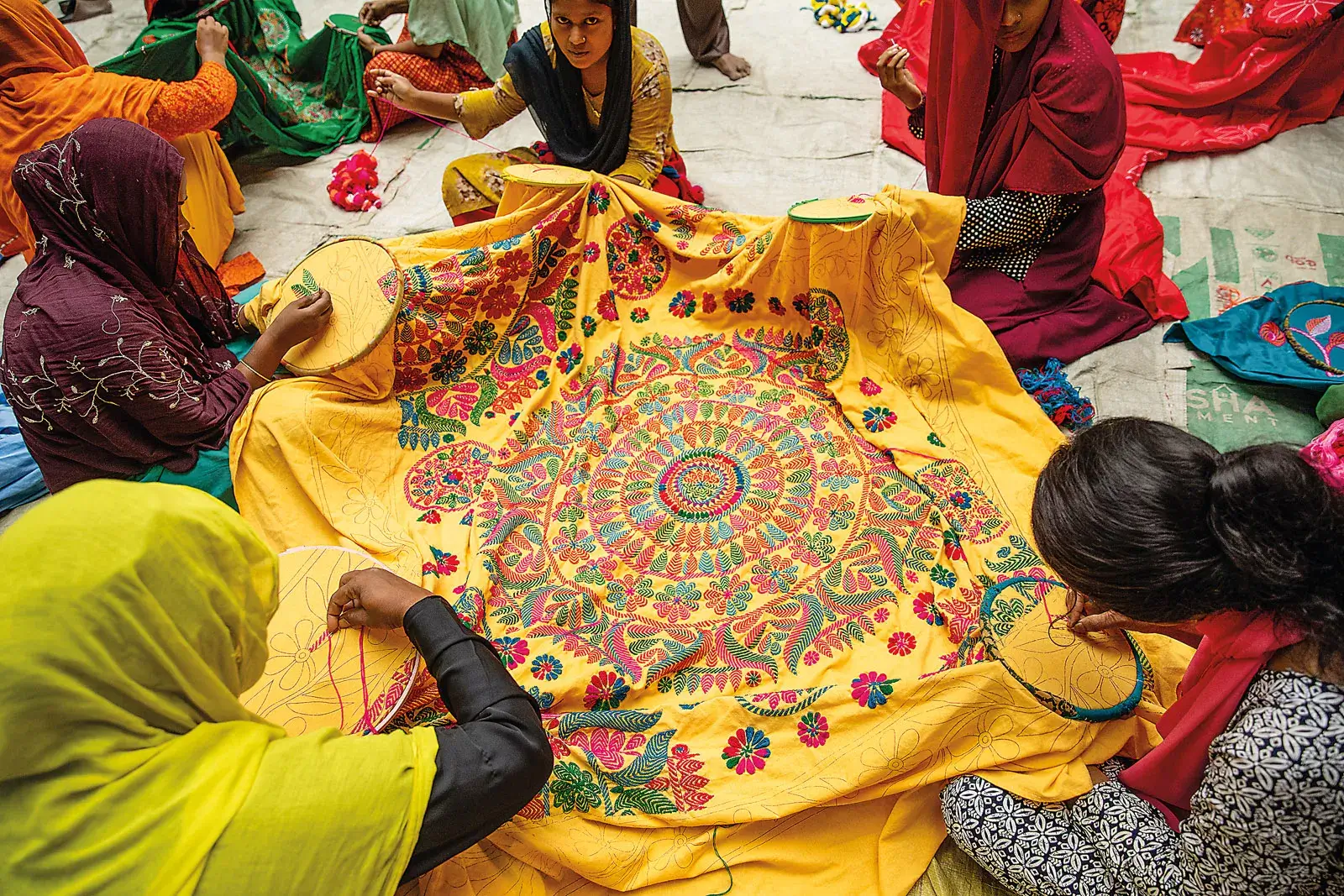
Women continue to drive the Jamalpur industry. Home-based artisans and cottage-industry networks now produce quilts, bedcovers, wall pieces, clothing, bags, and fashion accessories.
Jamalpur Nakshi Kantha received Geographical Indication status in February 2024. The GI recognition applies specifically to the Jamalpur product, while Nakshi Kantha itself remains a wider Bengali embroidery tradition.
Immersive Experience
No 360° Videos available
Destination Gallery