
Panta Ilish
Meet Bangla New Year through cool soaked rice and the silver blaze of Hilsa
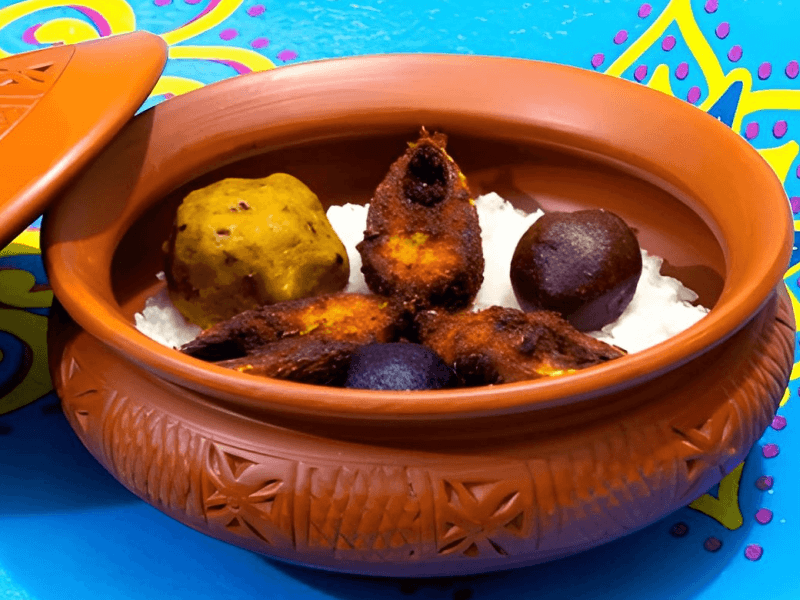
Begin the year with rice, river and fire.
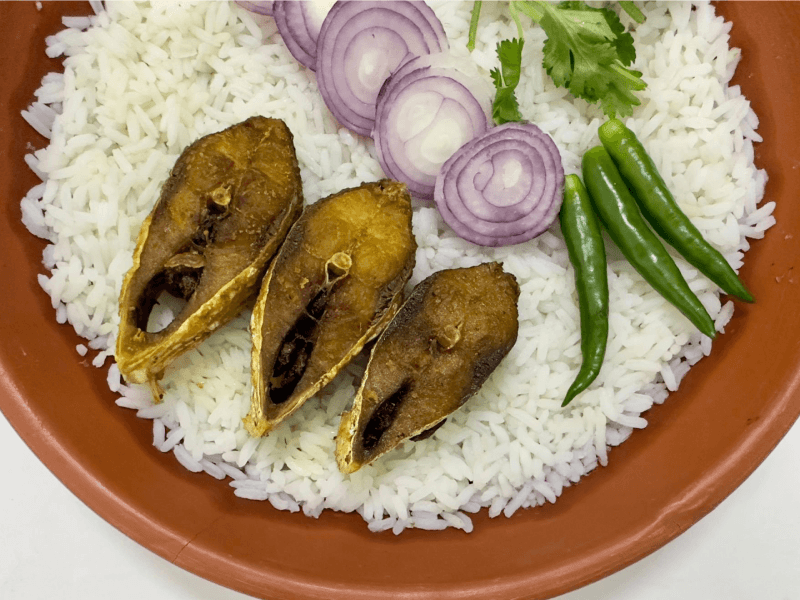
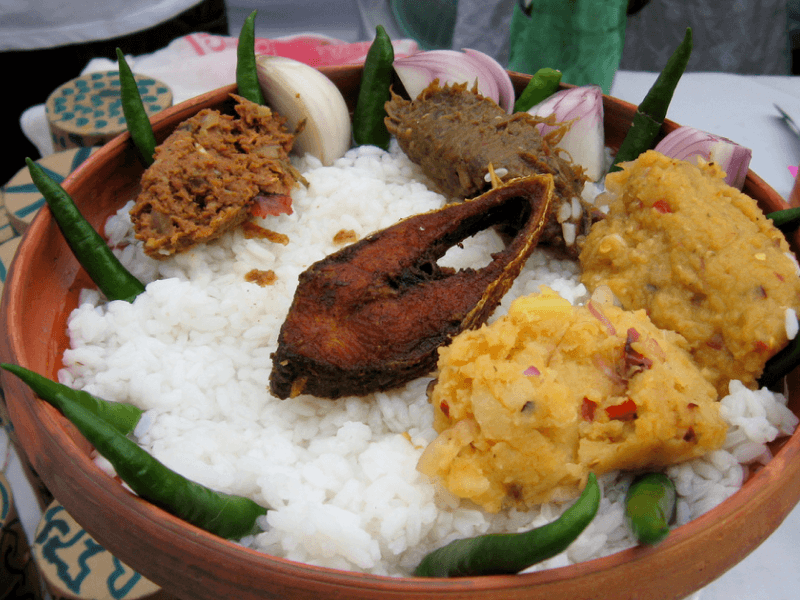
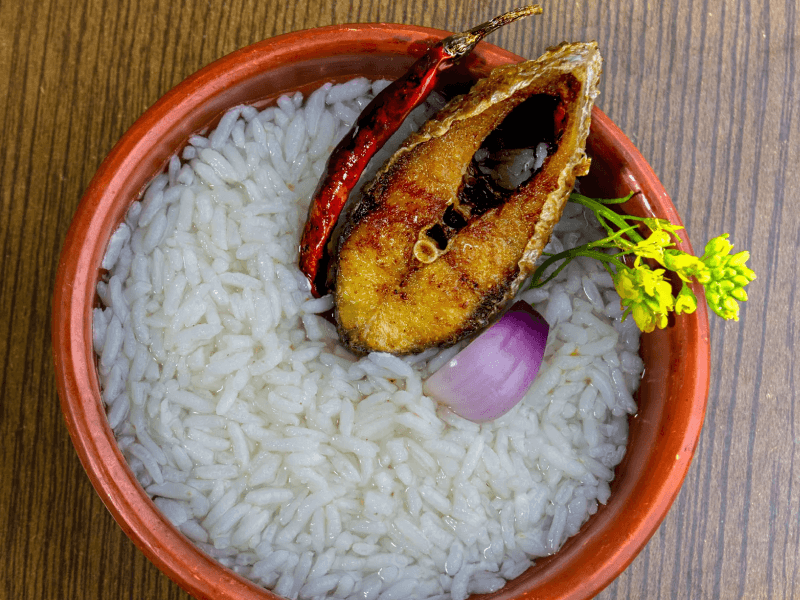
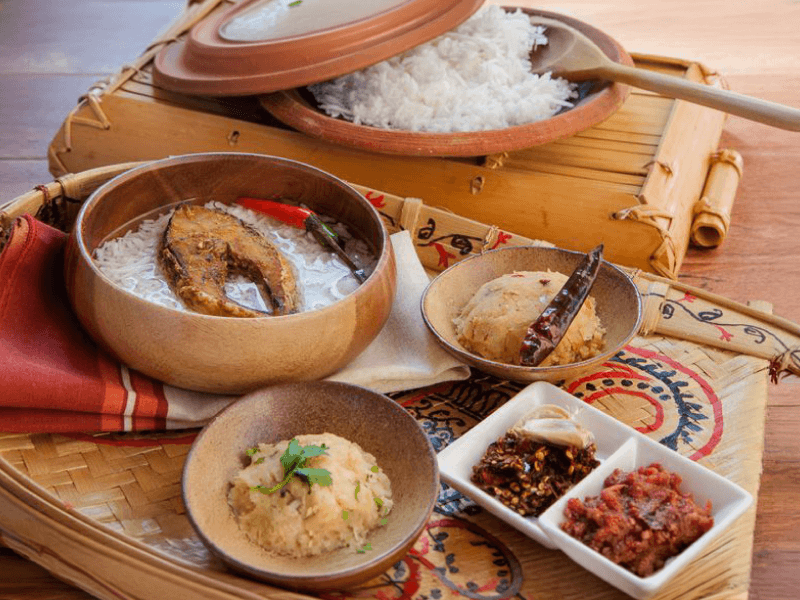
Panta ilish brings two powerful Bangladeshi food symbols onto one plate: panta bhat, cooked rice soaked in water and lightly fermented, and ilish, the country's national fish. The fish is commonly fried for this pairing and served with salt, chilli, onion, bhorta or other sides. Panta has deep roots in rural food habits as a practical breakfast, while hilsa carries immense cultural and economic importance and is registered as a Bangladeshi geographical indication product. Their combination has become a highly visible urban emblem of Pahela Baishakh, the Bangla New Year celebrated nationally on 14 April.
The history deserves honest handling. Scholars and cultural commentators have debated whether panta with fried hilsa represents an old universal New Year tradition or a more recent urban food trend. A responsible tourism page should therefore avoid claiming that every Bengali household has eaten this exact pair for centuries. What can be said confidently is that the combination is now widely recognised in contemporary New Year imagery, restaurant menus and public celebration, while panta itself and hilsa dishes each have older, broader histories.
Dhaka offers the most dramatic festive setting. On Pahela Baishakh, the city awakens early with music, processions, fairs and heavy crowds, and selected restaurants may serve themed breakfasts. The same conditions demand planning: heat can be severe, roads may be restricted and temporary stalls vary in hygiene. Reserve a reputable restaurant, carry safe drinking water and do not rely on an improvised street plate containing rice or fish held at unsafe temperatures.
Eat slowly and watch the contrasts. Cool, sour-edged rice meets rich, bony fish; raw chilli and onion cut through the oil. Hilsa contains many fine bones, so careful eating is essential. Outside New Year, availability is restaurant-dependent and should be confirmed. Panta ilish is most rewarding when approached neither as folklore carved in stone nor as a novelty, but as a living, debated expression of how Bangladesh connects food, season, river and cultural identity.
Immersive Experience
No 360° Videos available
Destination Gallery
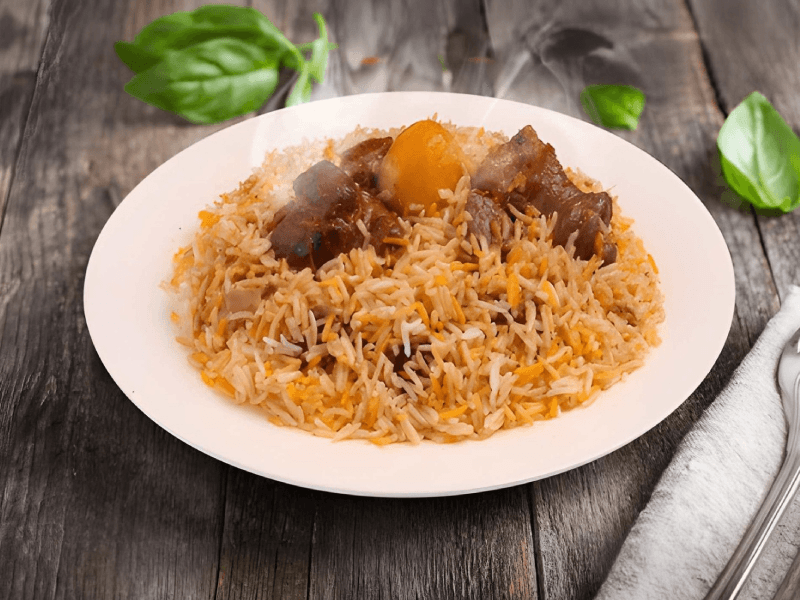
Kacchi Biryani
Lift the sealed lid on Old Dhaka's most commanding rice-and-mutton feast
Explore More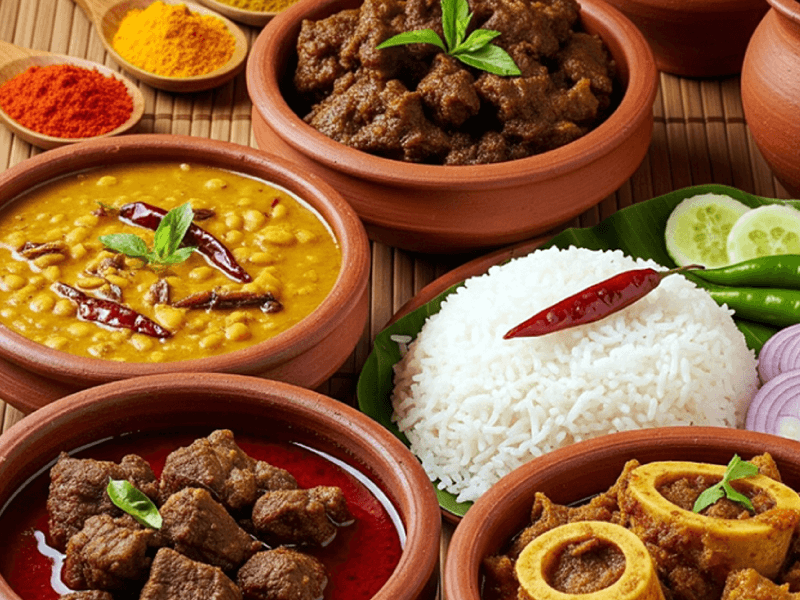
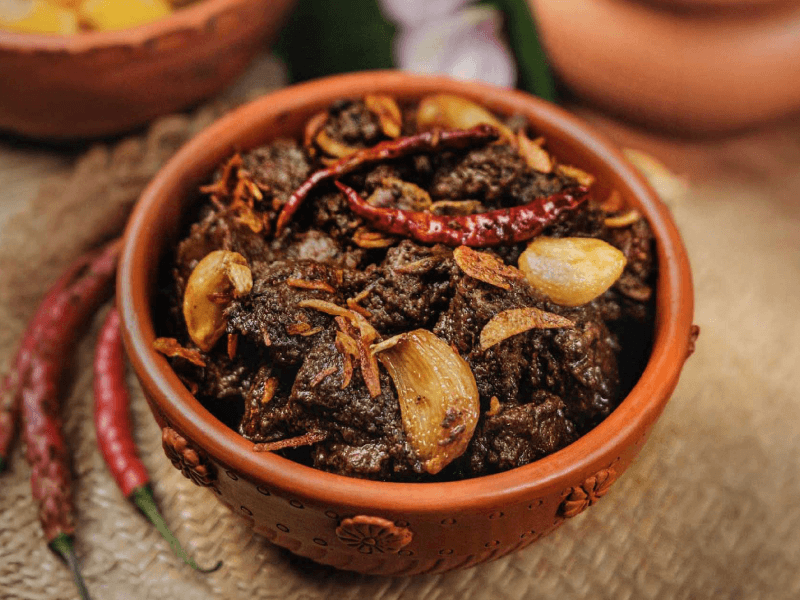
Kala Bhuna
Follow Chattogram's spice trail to beef cooked dark, fierce and deeply aromatic
Explore More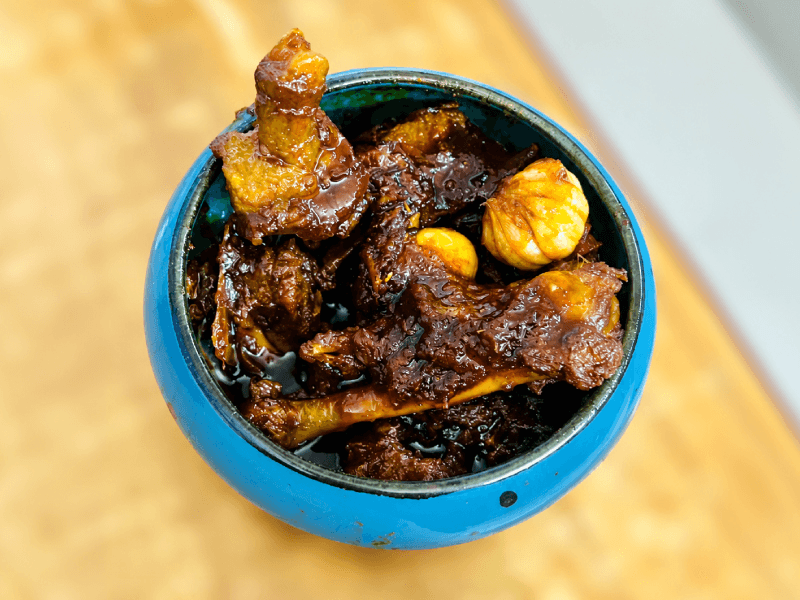
Chui-Jhal Meat Curry
Bite into Khulna's woody spice and feel the southern heat rise from the stem
Explore More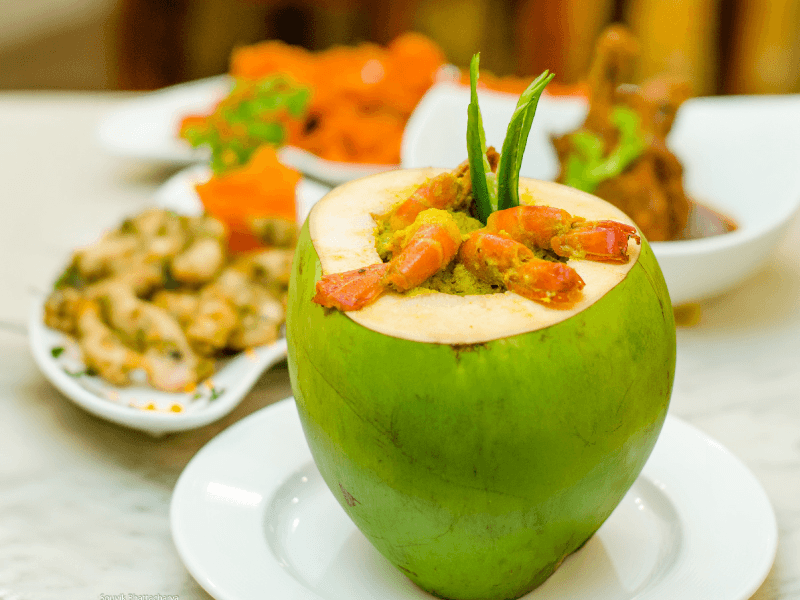
Chingri Malai Curry
Sail into a golden coconut gravy built around Bangladesh's prized shrimp
Explore More