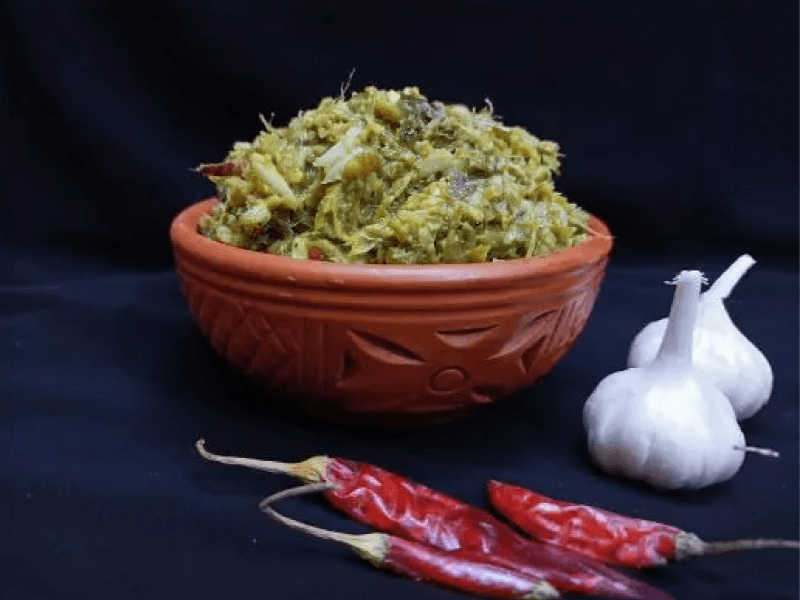
Chui-Jhal Meat Curry
Bite into Khulna's woody spice and feel the southern heat rise from the stem
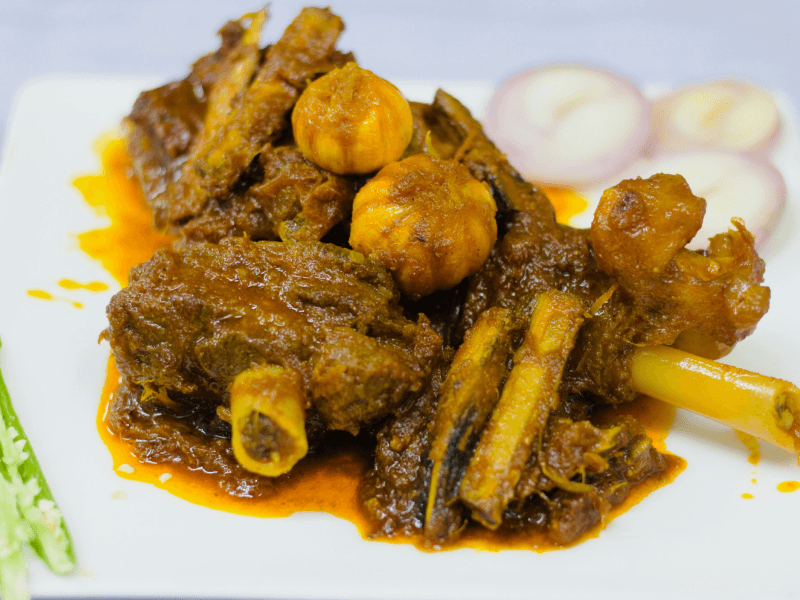
The fire is in the vine.
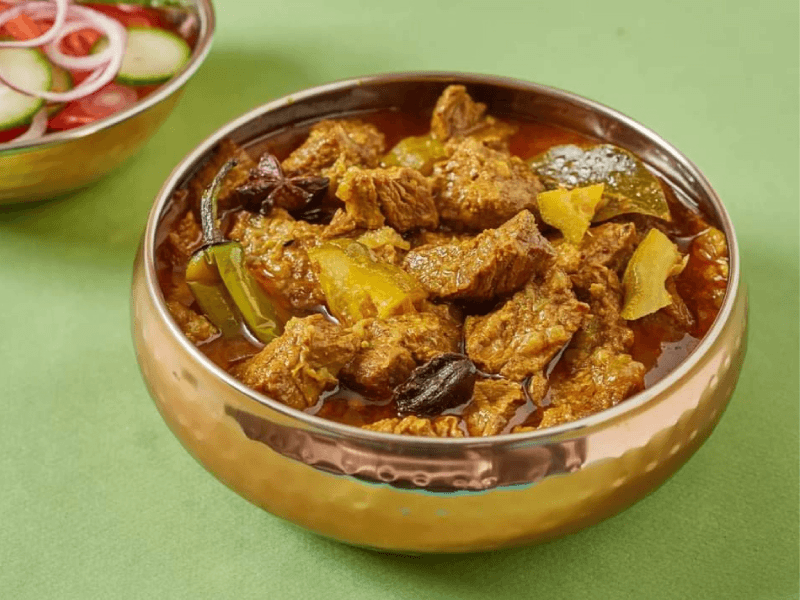
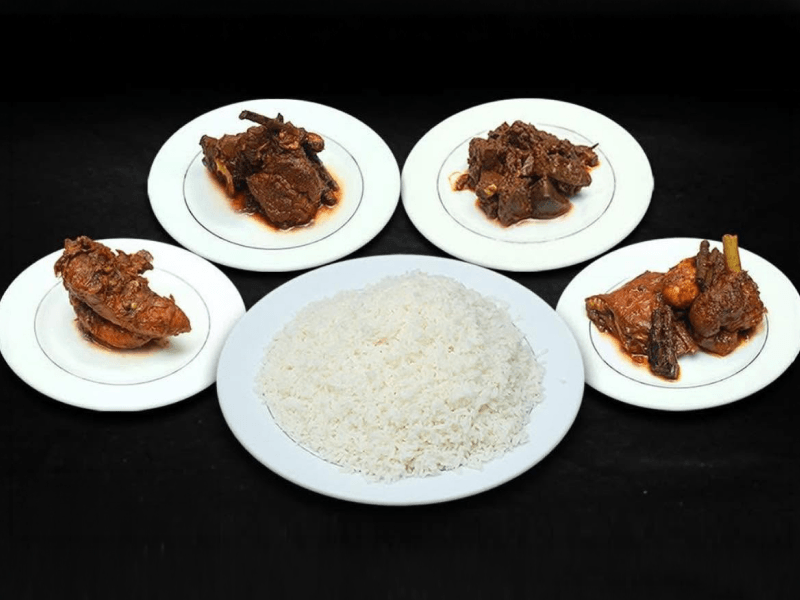
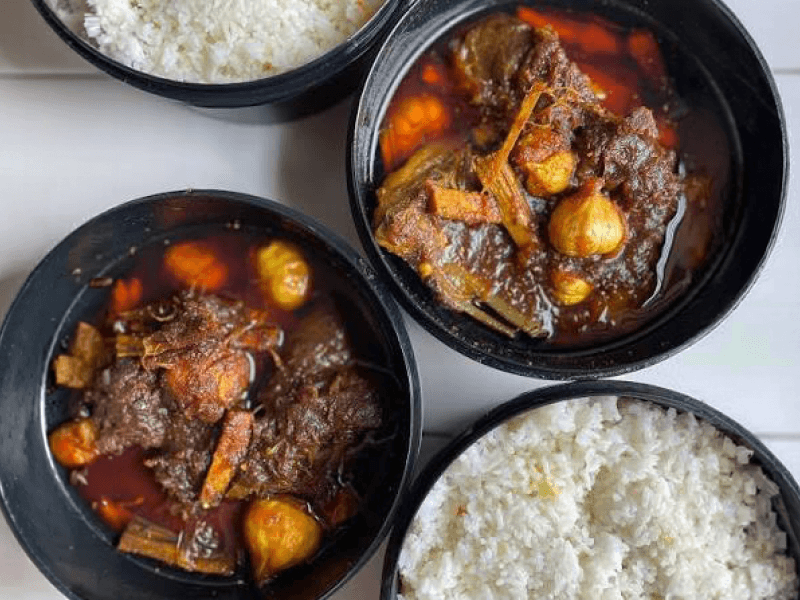
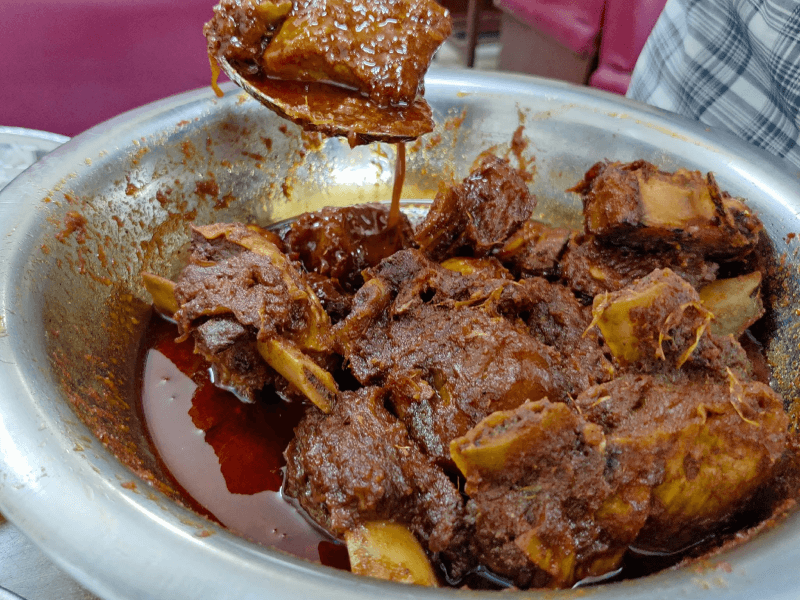
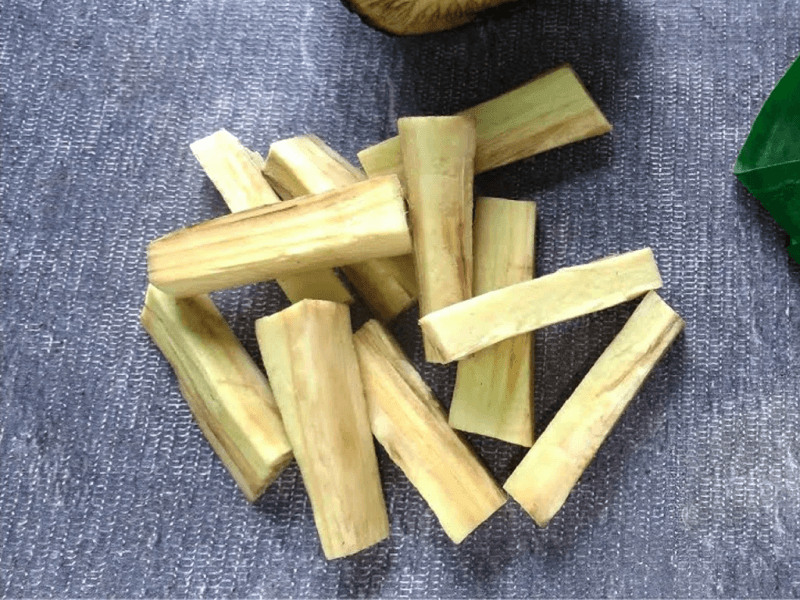
Chui-jhal meat curry carries a heat that does not come from chilli alone. Chui-jhal is a vine-like aromatic spice used widely in southern Bangladesh, especially across the Khulna region. Its roots, stems and tender tips can be cut into pieces and cooked with beef, mutton or duck. The stem softens as the curry cooks, releasing a pungent warmth into the meat and gravy; many diners also chew the cooked pieces for a stronger, more fibrous burst. It is a distinctive encounter, and first-time travellers should ask the server how the kitchen expects the chui to be eaten.
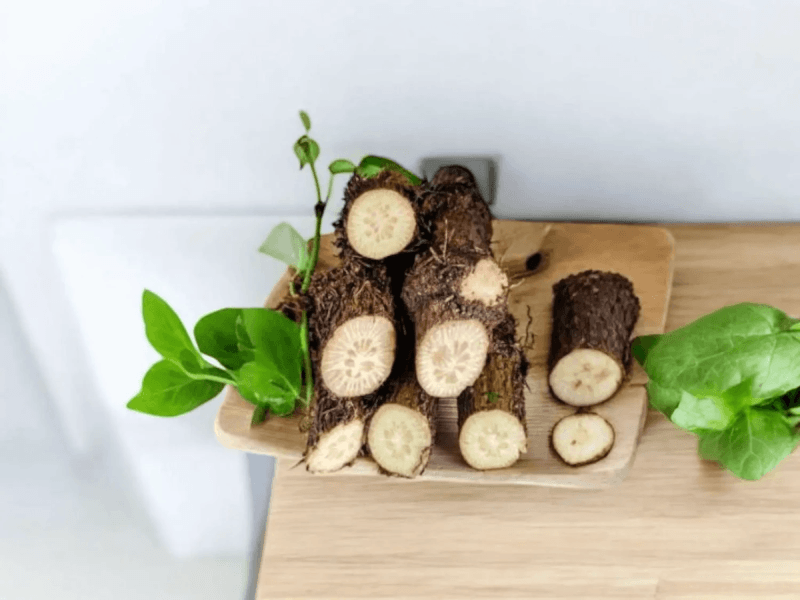
Khulna city is the most convenient tasting base, while cultivation and market traditions extend through Khulna, Satkhira, Bagerhat and Jashore. Local markets including Daulatpur, Rupsha, Boyra and Gallamari have been reported as chui-jhal trading points, but a market visit is not the same as a prepared meal. Begin in a reputable Khulna restaurant serving the dish, then add a market or producer visit only through a confirmed local guide. The raw ingredient's knotted stems make the regional connection visible before the curry brings it to life.
Recipes vary in meat, spice level, gravy and the size or maturity of the chui pieces. Beef is common, particularly around festive demand, but it is not the only valid preparation. Ask what meat is used, whether the dish contains bone and how intense the chui is that day. The heat can build slowly, so share a portion with rice and wait before ordering more. Dietary restrictions should be discussed clearly.
For travellers, this dish creates a direct route into southwestern food culture without inventing a tourist spectacle. Stay in Khulna, eat where locals create steady turnover, and buy raw chui only from an established market seller if transport and agricultural rules allow. A village visit should be invited and paid fairly. Chui-jhal curry is adventure through ingredient: woody, aromatic and unmistakably rooted in the south.
Immersive Experience
No 360° Videos available
Destination Gallery
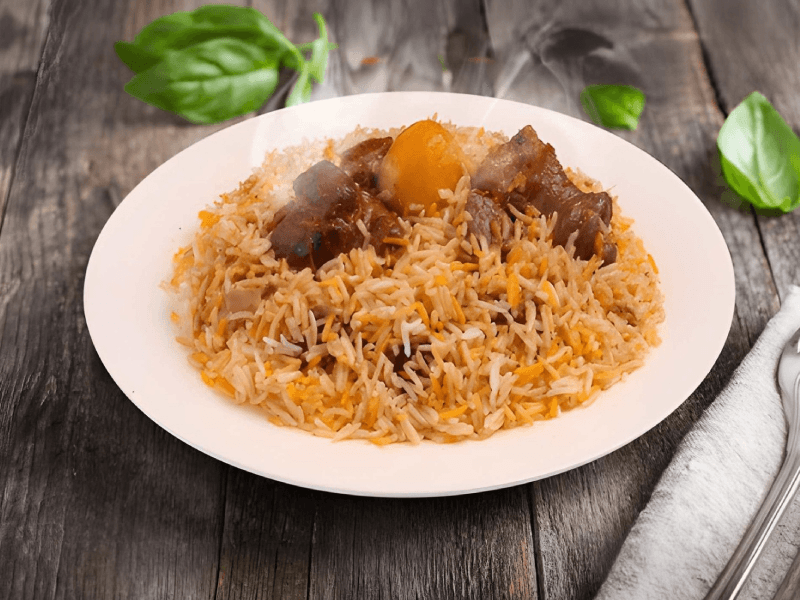
Kacchi Biryani
Lift the sealed lid on Old Dhaka's most commanding rice-and-mutton feast
Explore More
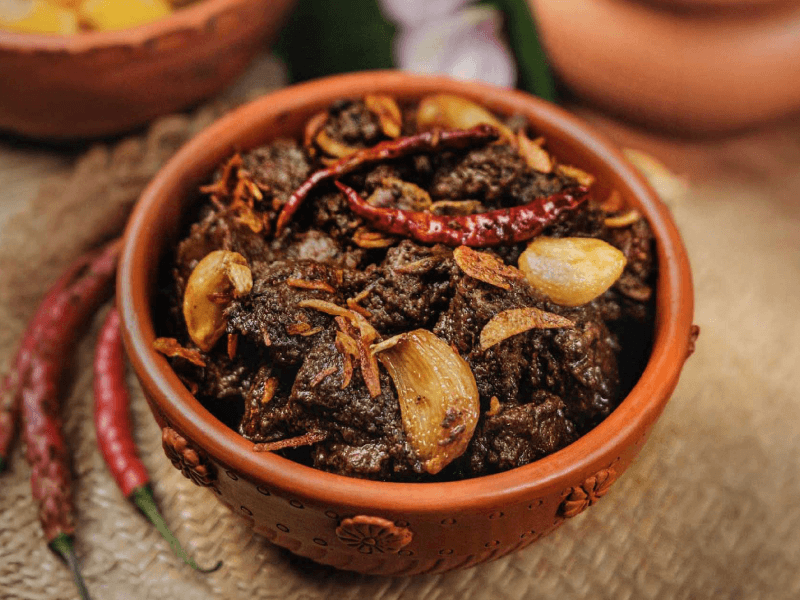
Kala Bhuna
Follow Chattogram's spice trail to beef cooked dark, fierce and deeply aromatic
Explore More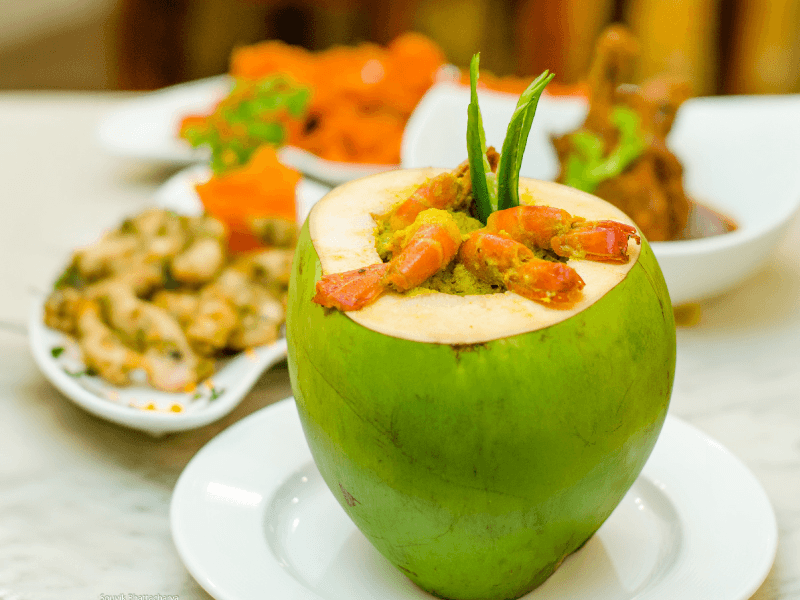
Chingri Malai Curry
Sail into a golden coconut gravy built around Bangladesh's prized shrimp
Explore More
Panta Ilish
Meet Bangla New Year through cool soaked rice and the silver blaze of Hilsa
Explore More