

Nijhum Dwip
Cross the Meghna for deer trails, winter birds and mangrove silence
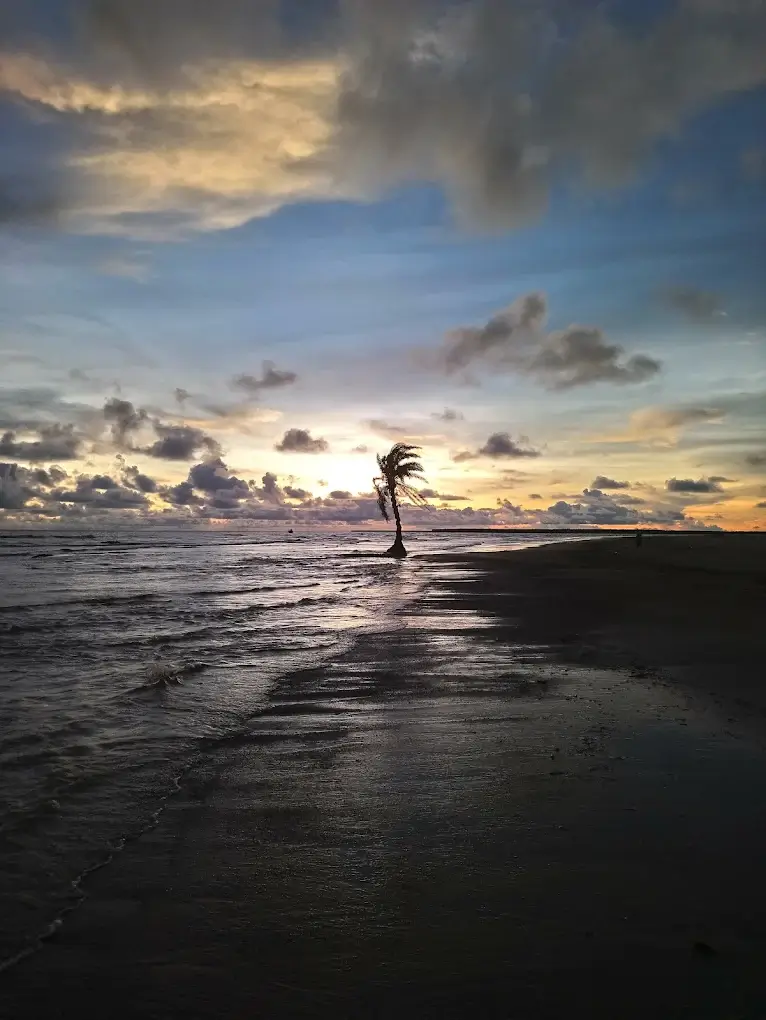
Take the long route south and wake inside one of Bangladesh’s quietest island wildernesses.
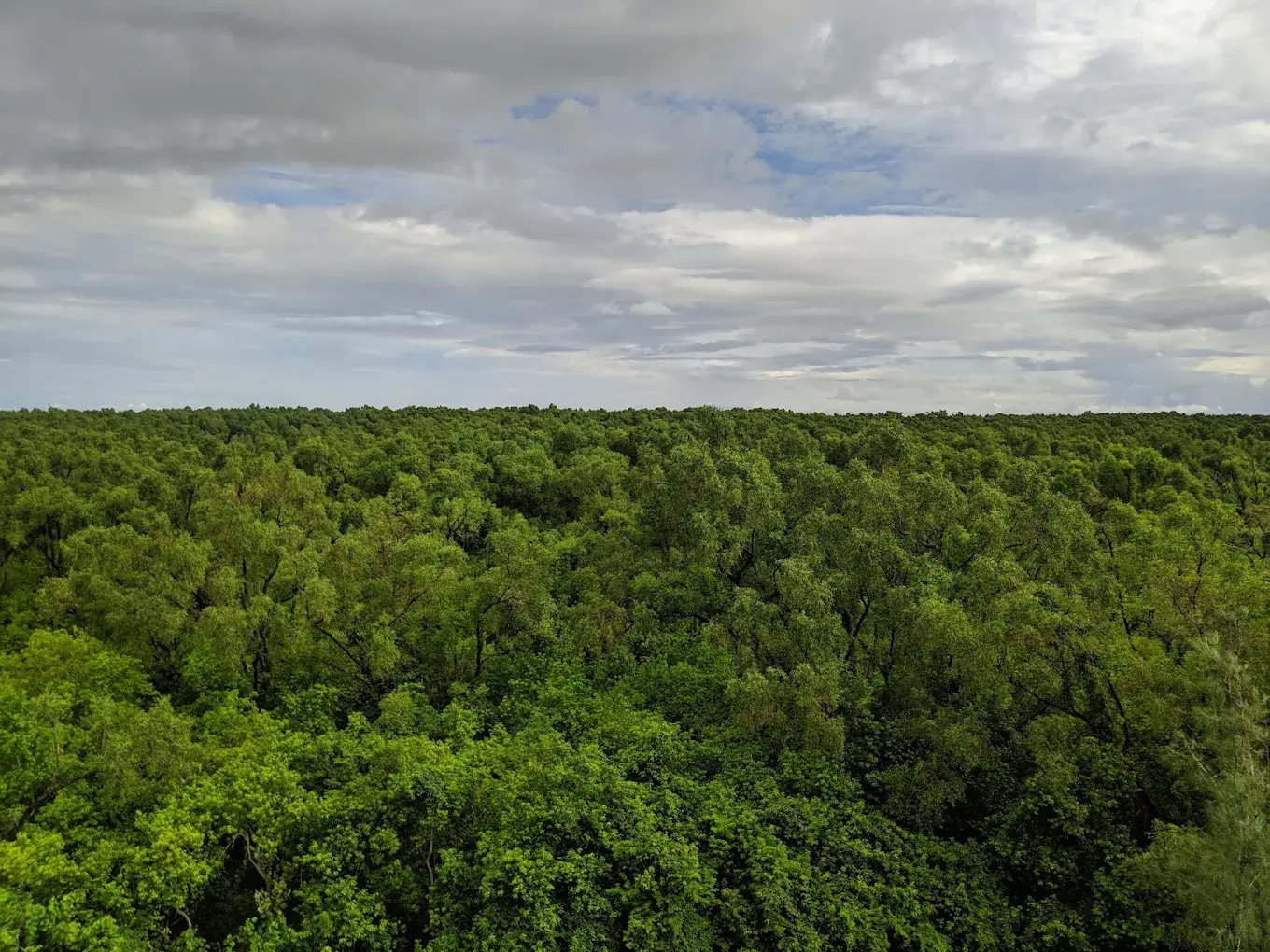
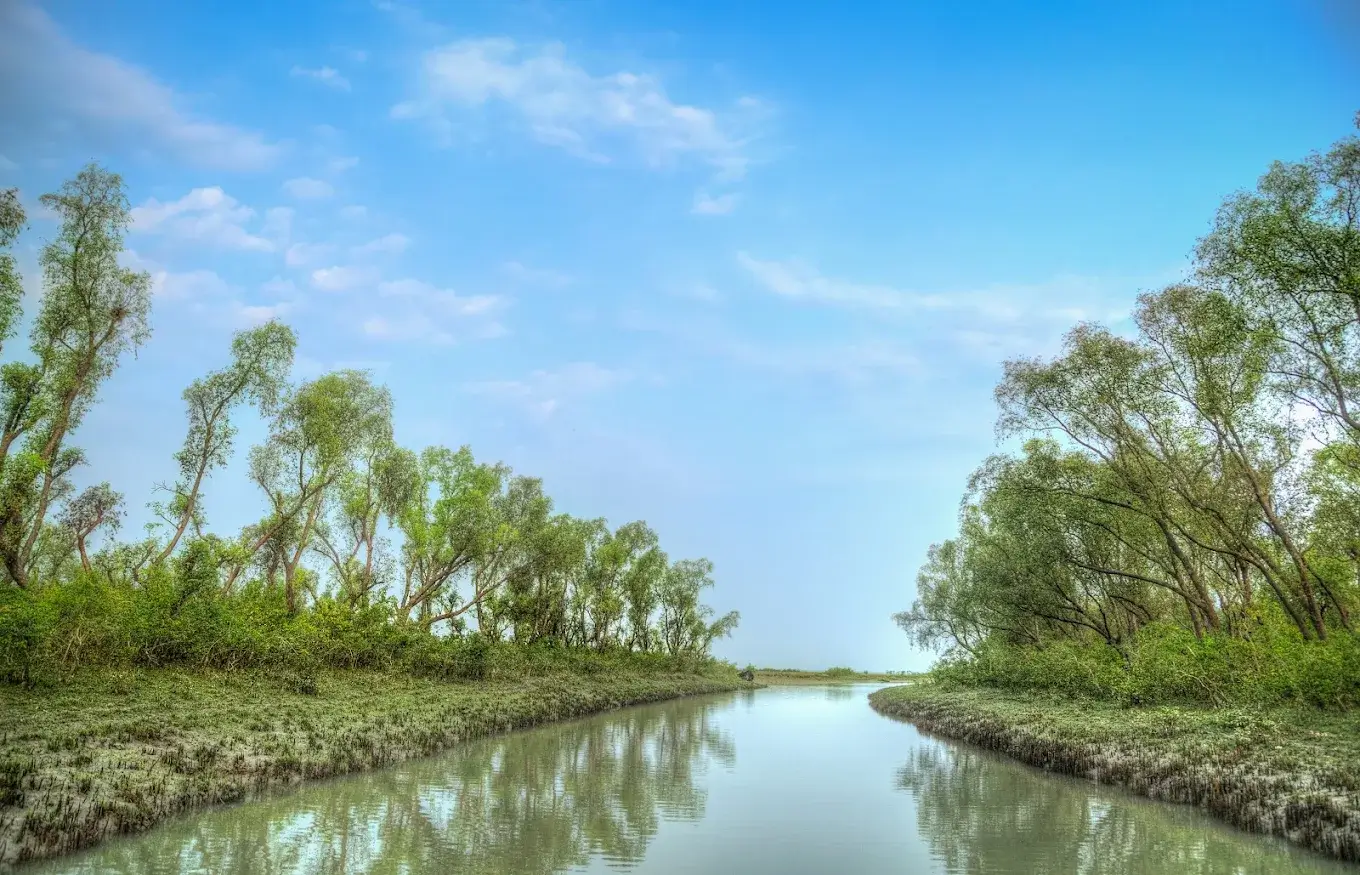
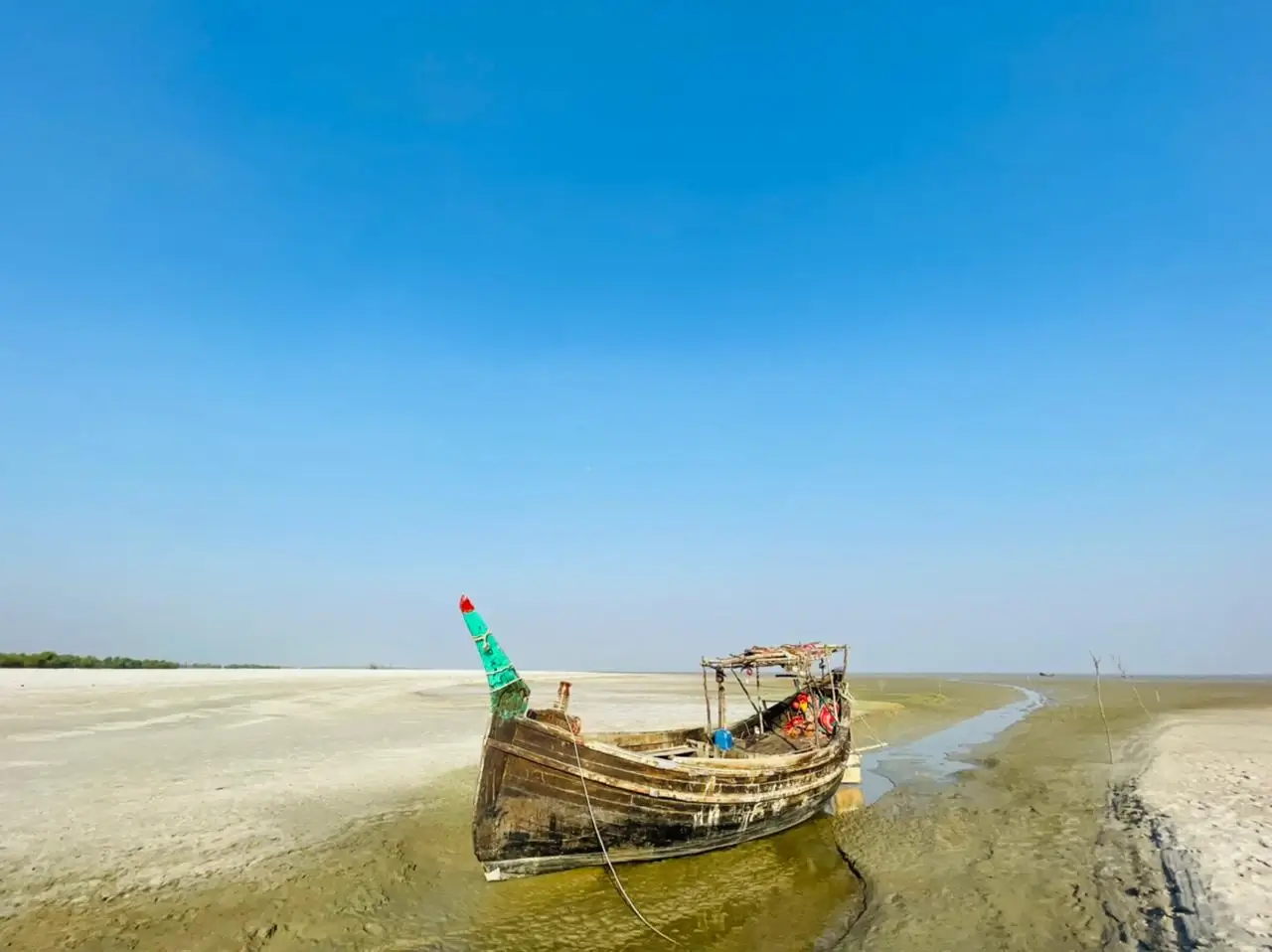
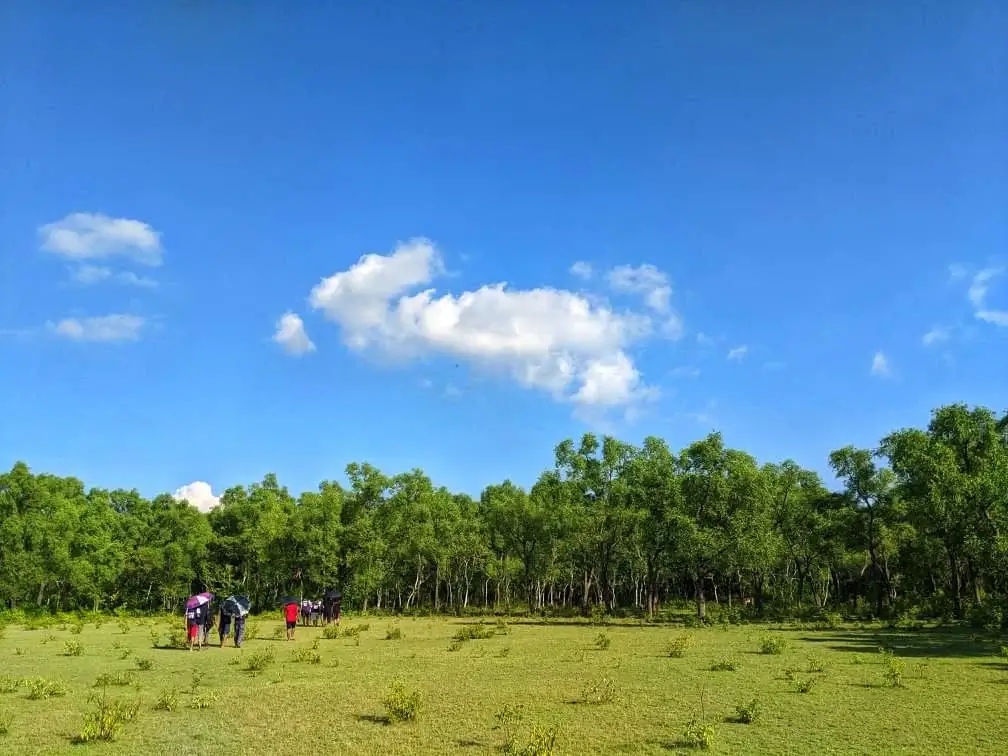
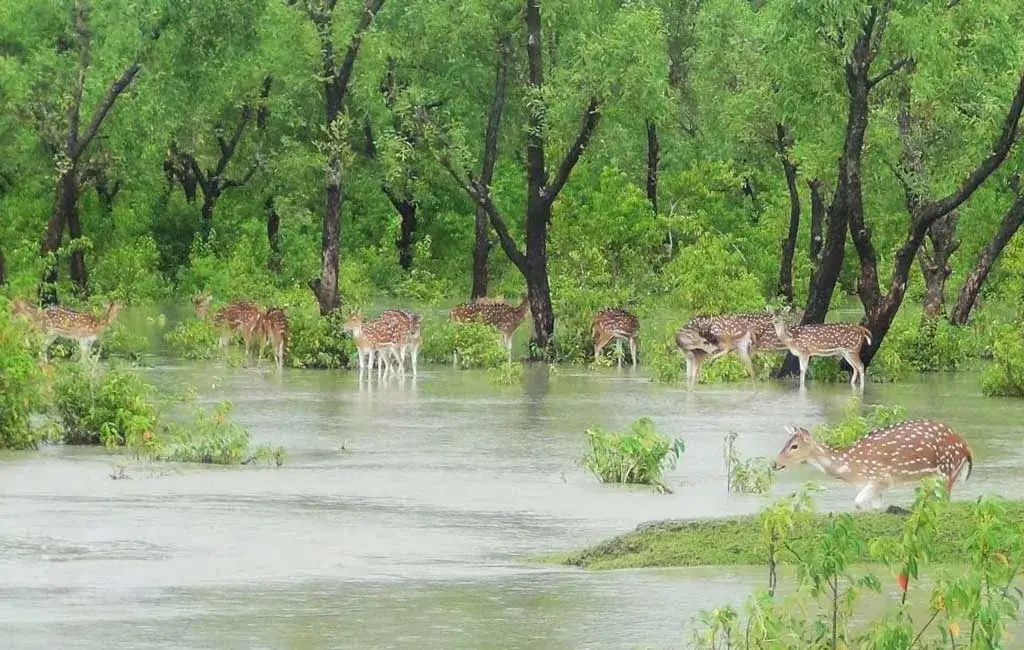
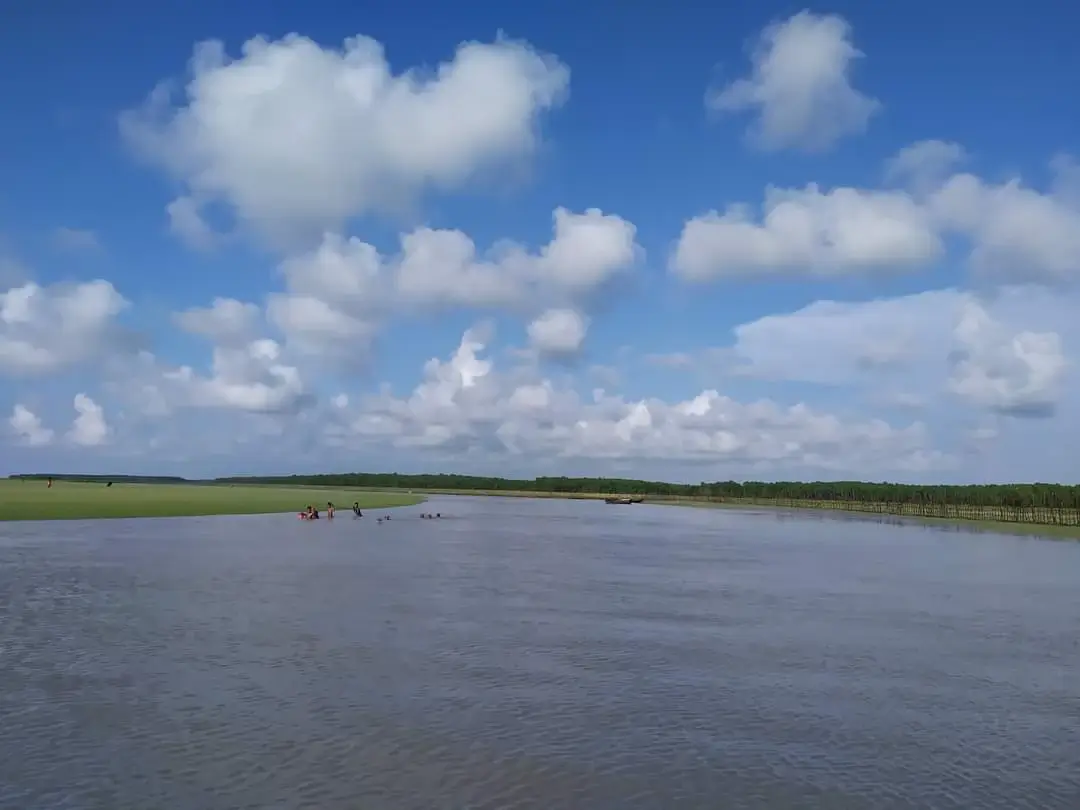
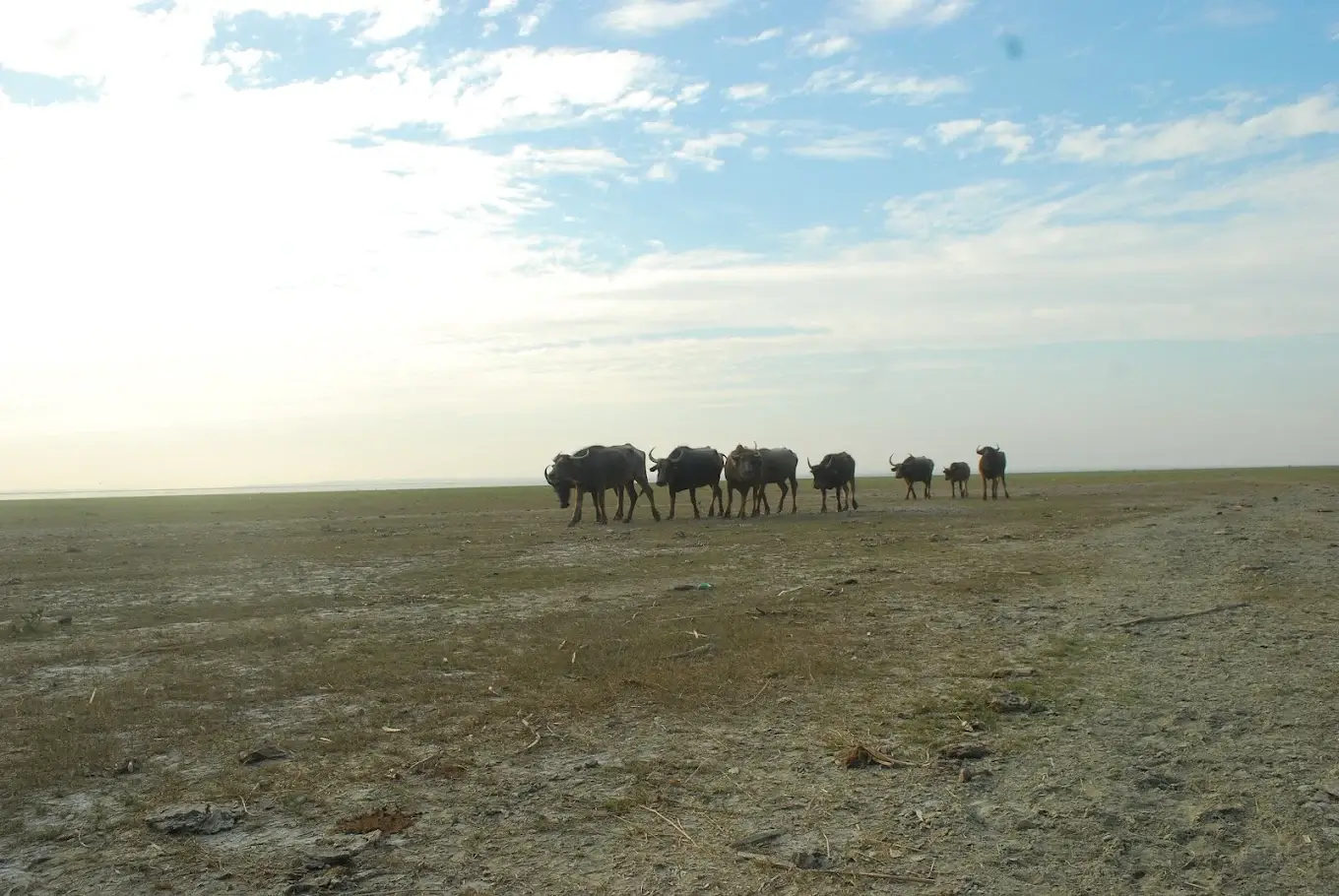
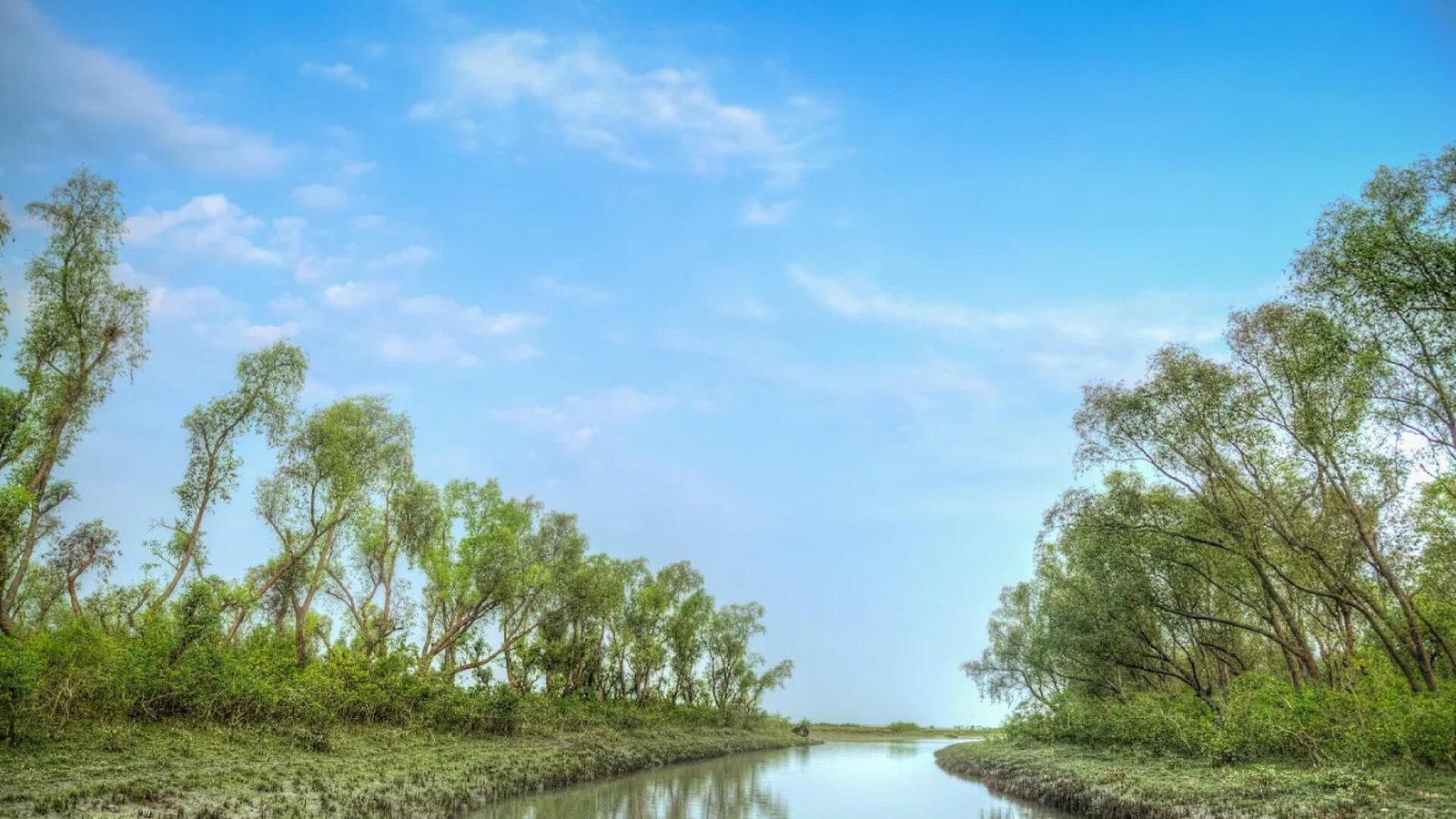
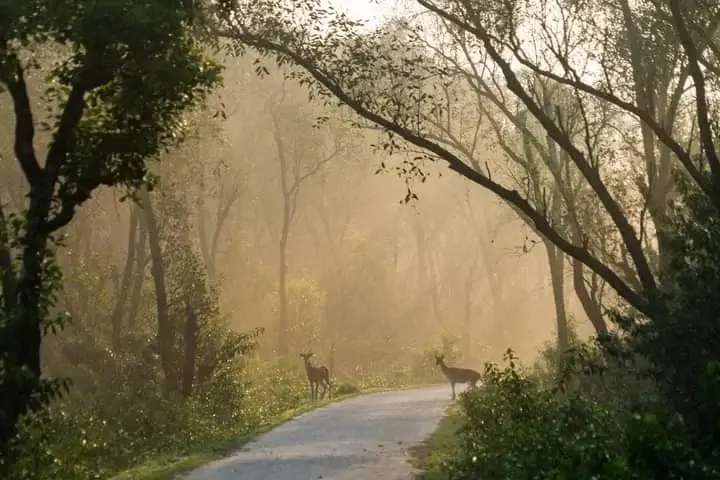
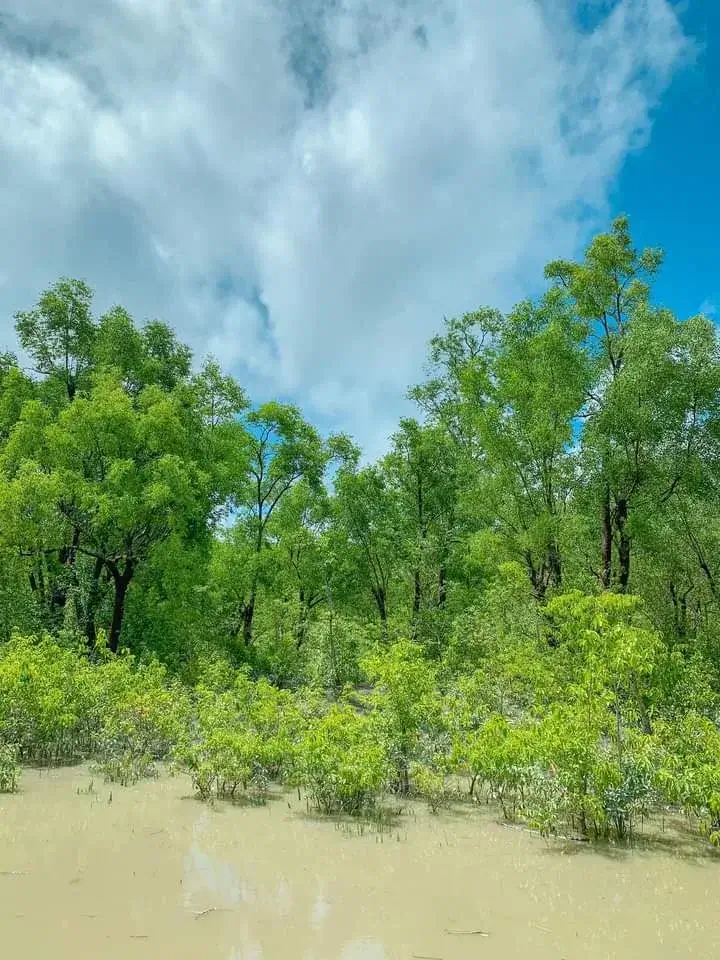
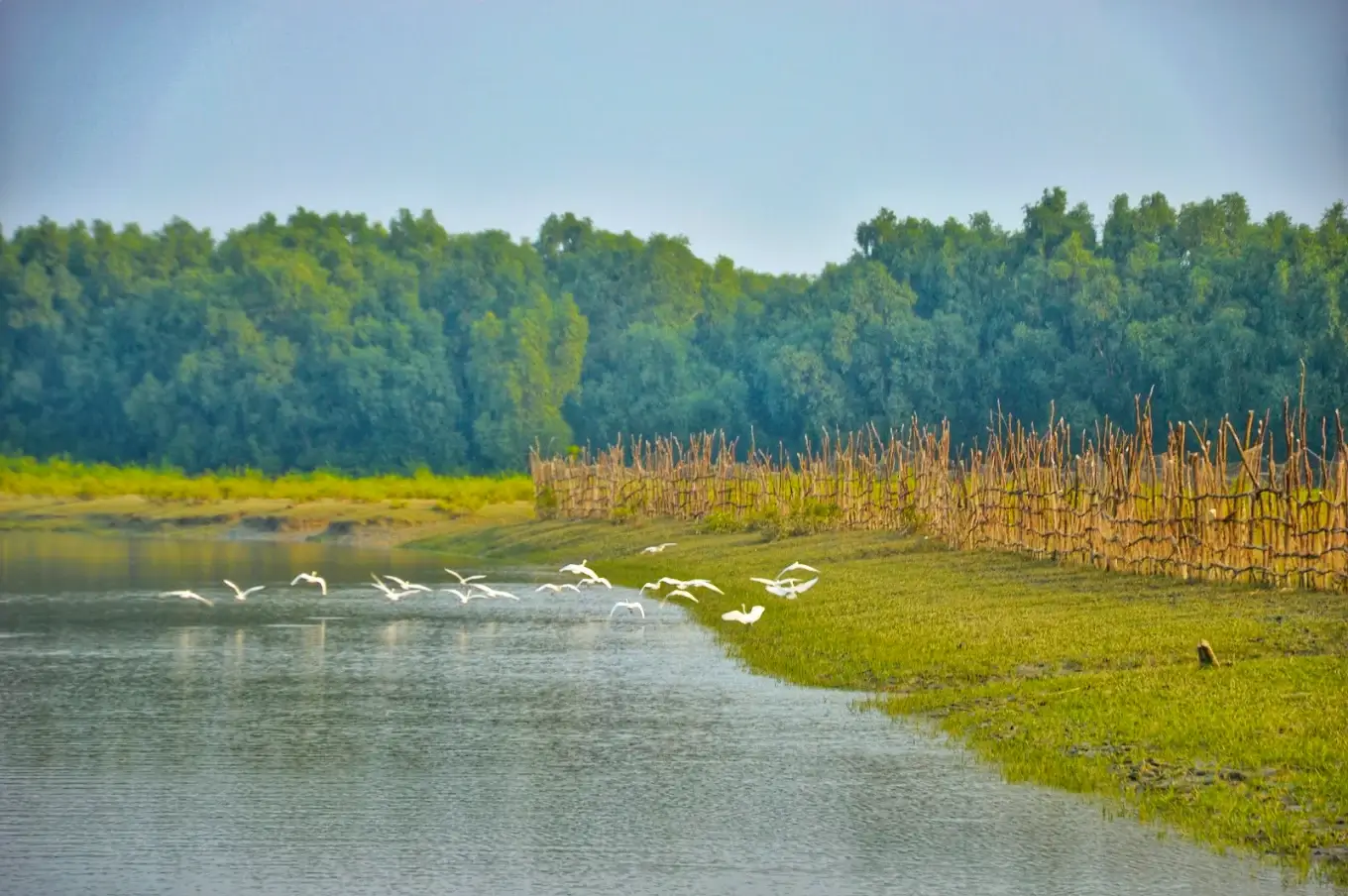
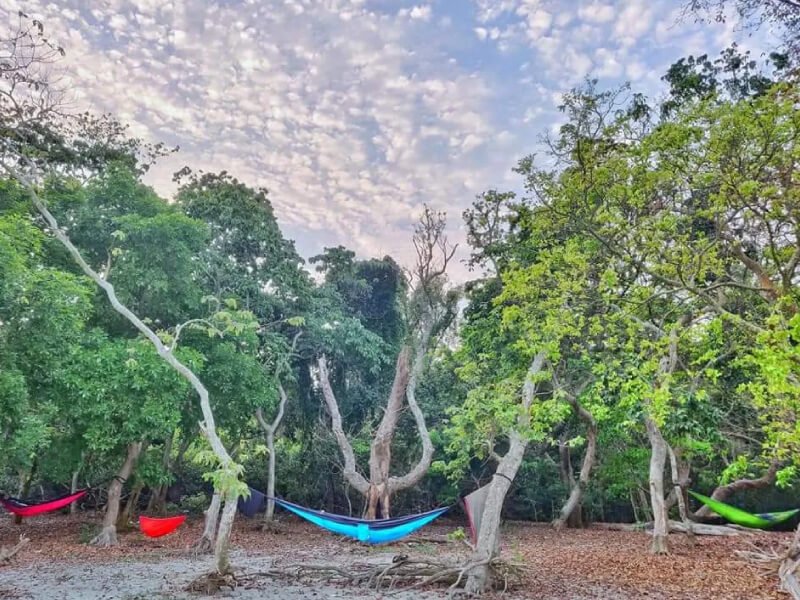
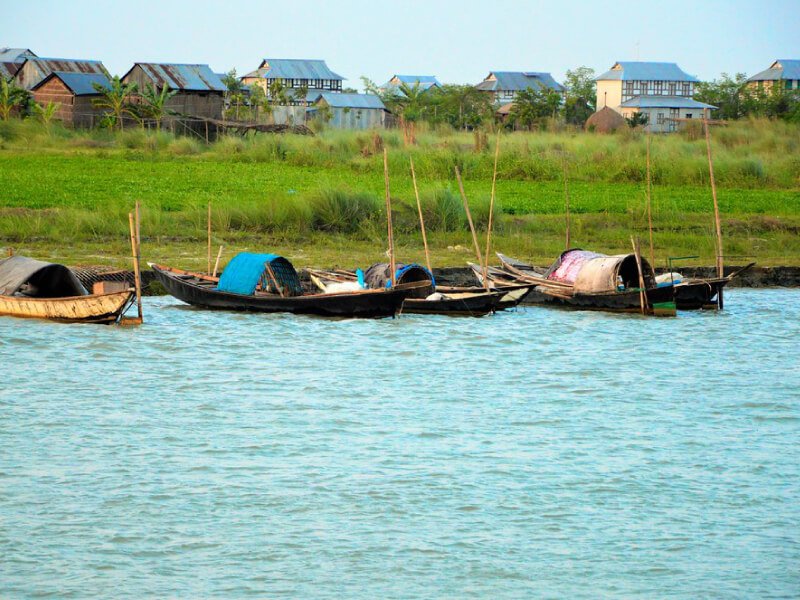
Accept the journey as part of Nijhum Dwip: road, vessel, island transport and a final channel crossing lead into keora forest, mudflats and winding tidal waterways. The island cluster belongs to Hatiya upazila and forms part of a national park declared in 2001 across the wider Jahajmara Range. Walk quietly for the possibility—not the promise—of spotted deer, and scan the winter flats for migratory birds. This is a living, low-lying delta, so tides and weather control movement. Use local guidance, keep distance from wildlife, carry back all waste and leave extra time for every connection.
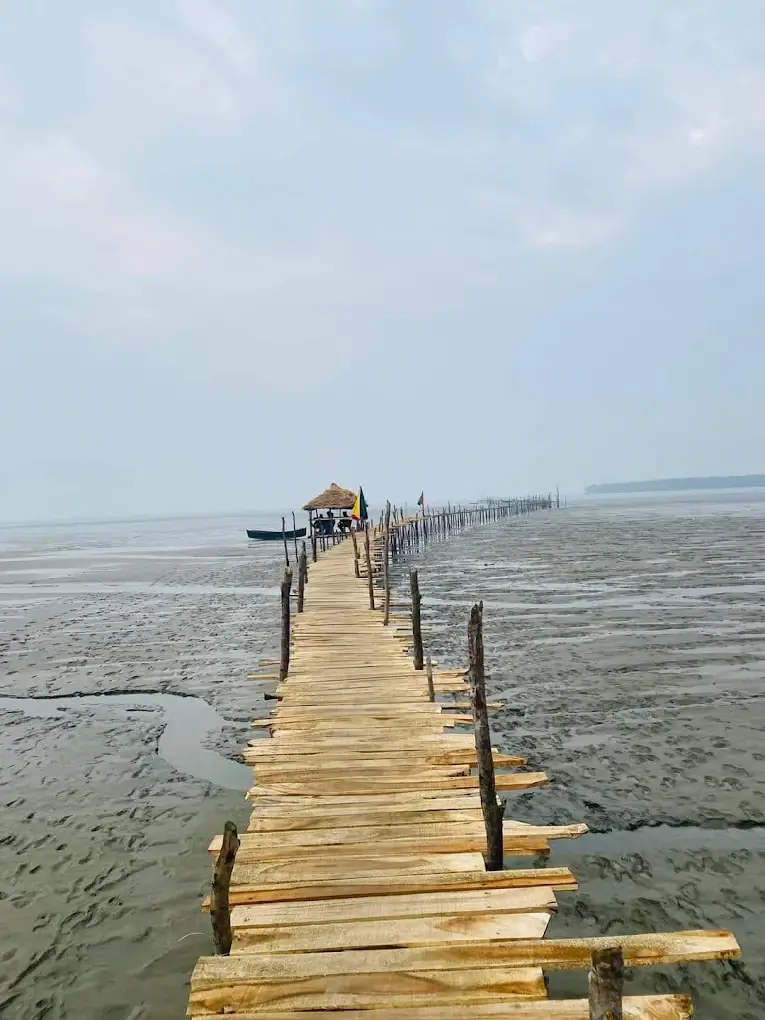
Nijhum Dwip is a chain of connections rather than a quick island transfer. The usual journey runs through Noakhali toward Chairman Ghat, crosses to Hatiya, continues by road toward Jahajmara and finishes with another local boat. Each stage depends on tide, weather and current transport operations. Confirm the full route before leaving the mainland and keep a spare day for delays.
Once across the final channel, slow down. Keora forest, mudflats and narrow waterways create the possibility of spotted-deer and bird sightings, especially in the cooler months, but wildlife is never guaranteed. A knowledgeable local guide can choose suitable hours and routes without disturbing animals. Walk quietly, remain at a distance, avoid flash photography and never feed deer. Low ground can flood, and mud can be deep, so stay on known paths and follow tide advice.
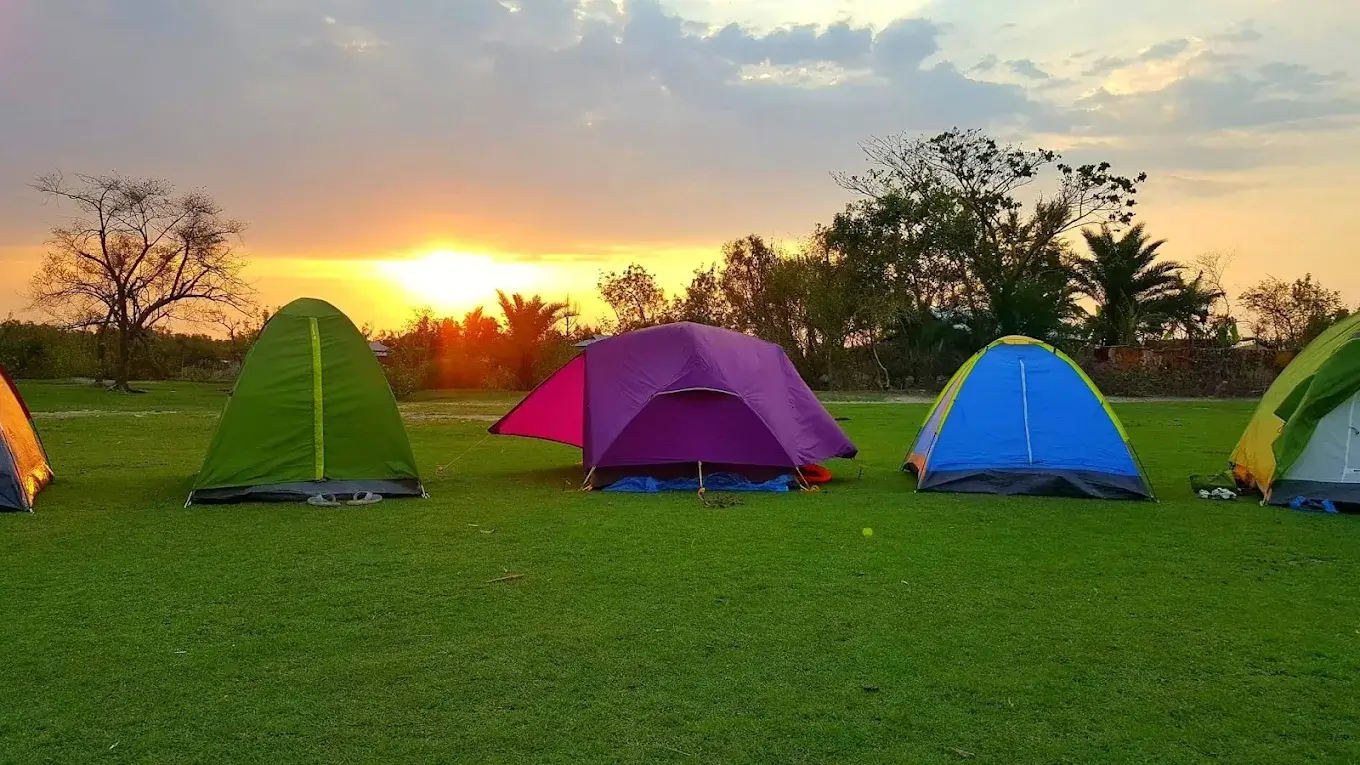
Bring cash, drinking water, power banks, medicine, a torch and protection against sun, rain and mosquitoes. Accommodation is simple and utilities may be limited; confirm the room before starting the final crossing. Do not rely on late-night transport or an improvised boat. The national-park landscape deserves the same care as the journey demands: keep plastic out, avoid loud music and do not remove plants, shells or wildlife material. Winter is attractive for migratory birds and cooler walking, though fog can disrupt vessels. Nijhum Dwip rewards travellers who accept uncertainty without becoming careless. The long route, mangrove silence and open estuary create the adventure; preparation ensures the island remains peaceful for communities, wildlife and the next visitor.
Immersive Experience
No 360° Videos available
Destination Gallery


St. Martin’s Island
Sail into Bangladesh’s coral frontier during its short, protected travel season
Explore More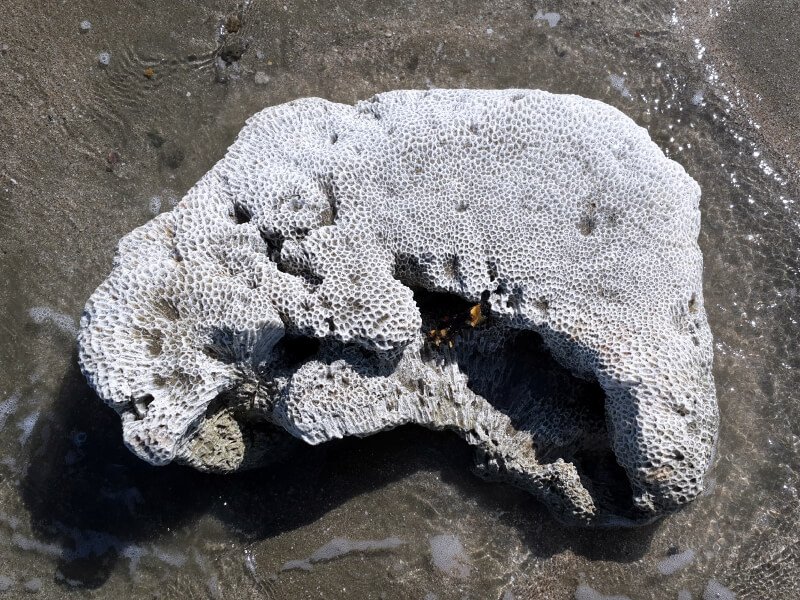
Chhera Dwip
A fragile reef frontier where the boldest choice is to respect the boundary
Explore More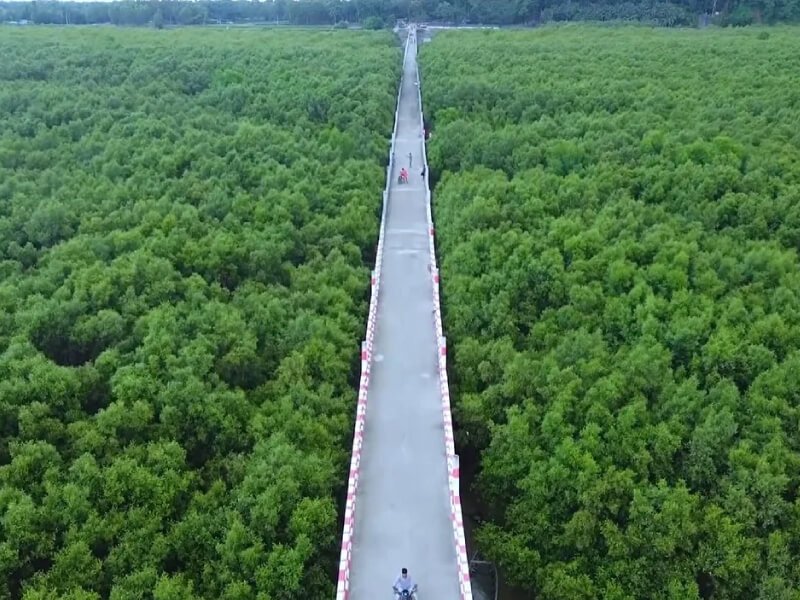
Maheshkhali Island
Cross the channel for hills, mangroves, salt fields and sacred heights
Explore More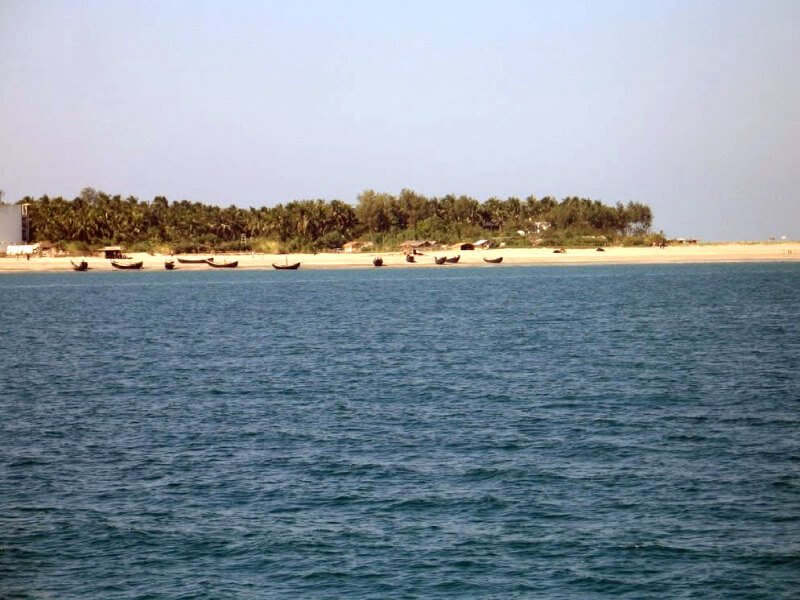
Kutubdia Island
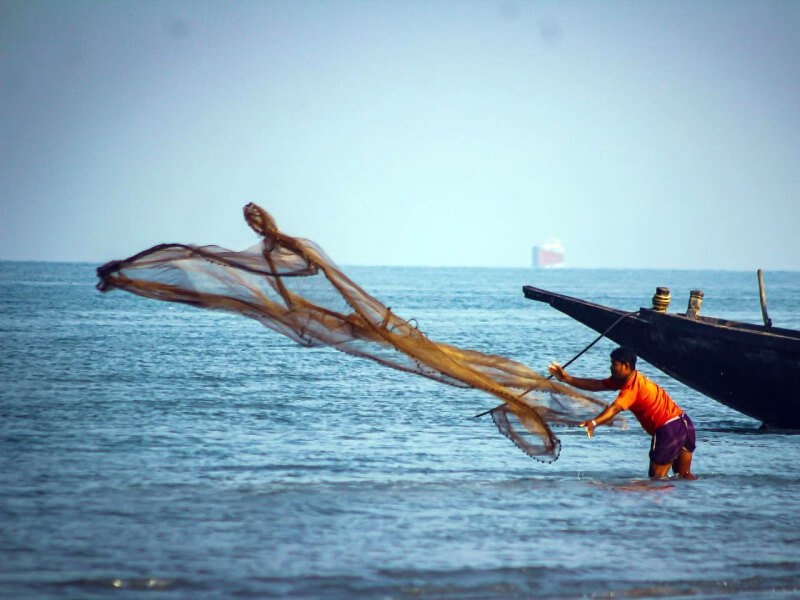
Cross the channel into an island of salt, fishing and lighthouse memory
Explore More
Monpura Island
Ride the Meghna into an island of forest roads, sea wind and double horizons
Explore More