

Kalai Roti
Cross the Barind landscape for a fire-baked bread with pulse-powered strength
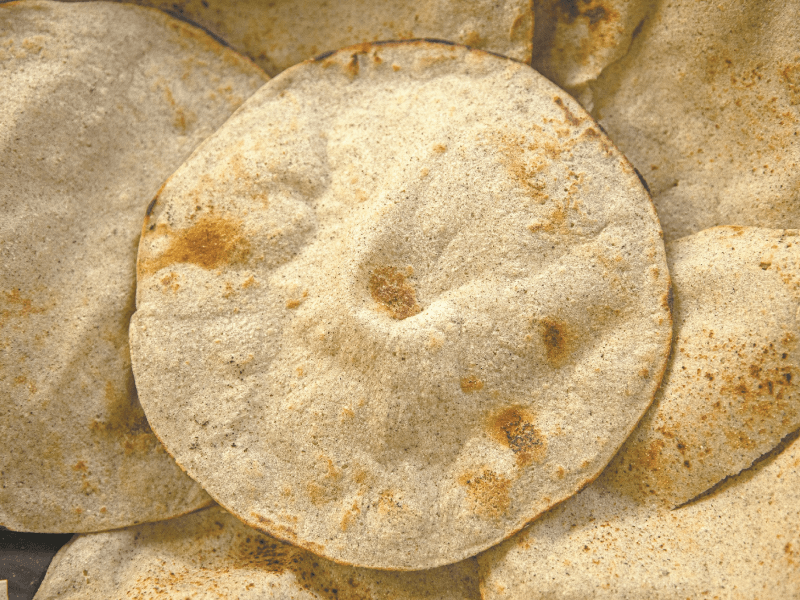
Taste the Barind plain from the clay stove.
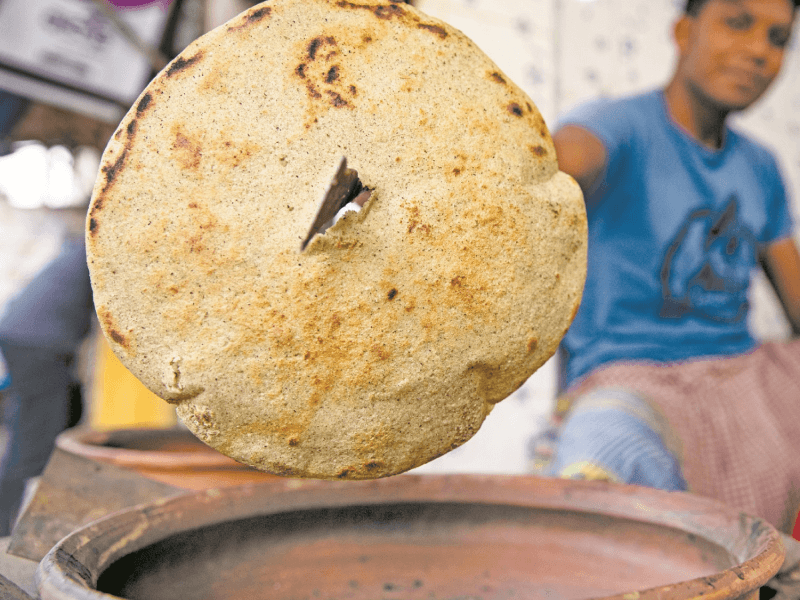
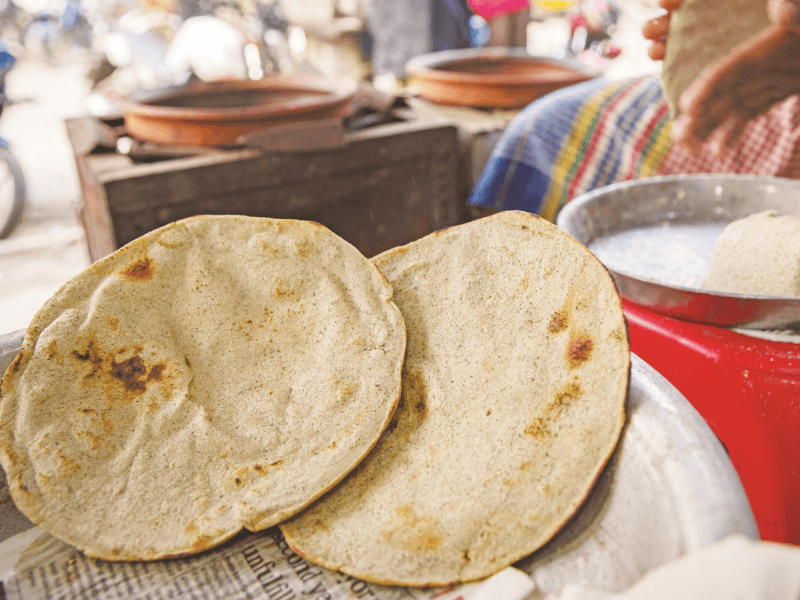
Kalai roti is a sturdy bread built for the appetite of Bangladesh's Barind country. It is strongly associated with Chapainawabganj and is commonly made from mashkalai, or black-gram pulse, combined with rice flour. The dough is shaped by hand into a thick round and cooked on a clay stove or hot surface. Its character is very different from a soft wheat roti: earthy pulse aroma, a substantial bite and charred edges that speak directly of heat. It is often eaten with mashed vegetables, chilli, onion, meat or other local accompaniments, and the combinations change by cook and season.
Chapainawabganj is the destination that gives the tasting its clearest landscape. The district lies within the Barind tract, a region of dry-season light, agricultural fields and celebrated mango culture. Kalai roti can be found year-round, while winter is especially popular for the hot bread and its hearty sides. Begin at a confirmed local restaurant or food shop in Chapainawabganj town. Ask when the next batch will be cooked; the bread is most expressive while hot, before its thick structure cools and firms.
A clay-stove demonstration in a village home could deepen the experience, but it is not a walk-in attraction. Arrange it through a trusted local host or guide, agree on payment and photography, and respect the household's time and privacy. Do not claim that every family uses one identical flour ratio or technique. Published descriptions establish the core ingredients and regional connection, but living recipes naturally vary.
Eat a small piece first, then test it against different accompaniments. The bread's earthy base can steady a fiery bhorta or carry the richness of meat without disappearing. Confirm any dairy, meat or allergen concerns with the cook. Kalai roti turns an apparently simple meal into a regional expedition: pulse and rice shaped by hand, held to the fire and served with the uncompromising warmth of northwestern Bangladesh.
Immersive Experience
No 360° Videos available
Destination Gallery
Bakarkhani
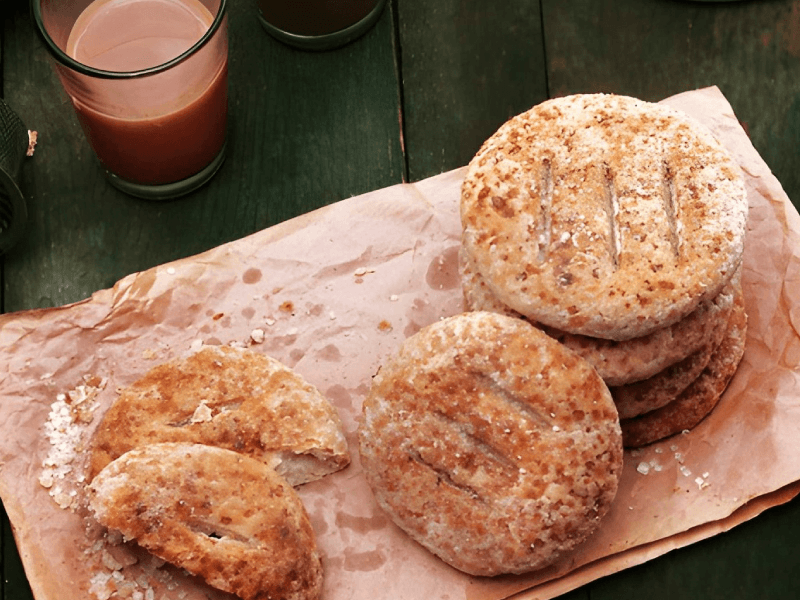
Follow the tandoor heat into Old Dhaka's lanes and break open a centuries-old crunch
Explore More