

Bakarkhani
Follow the tandoor heat into Old Dhaka's lanes and break open a centuries-old crunch
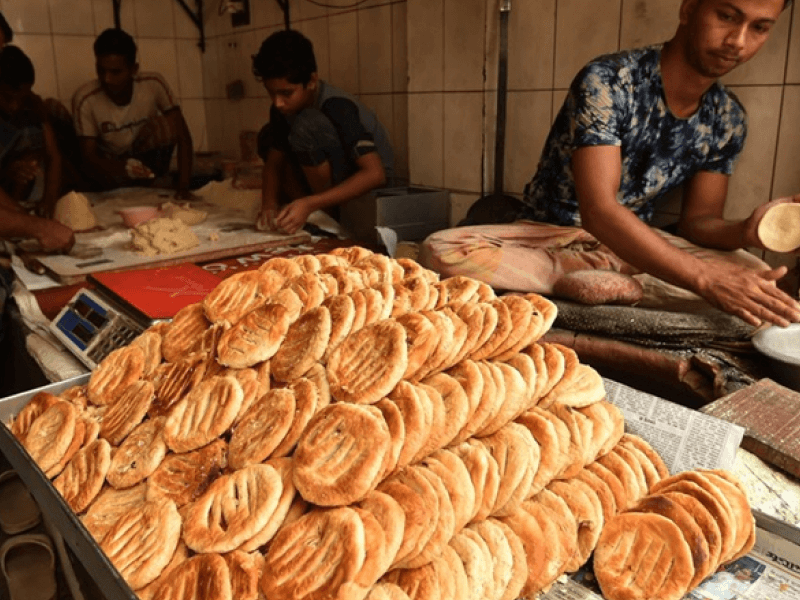
Old Dhaka begins with a crackle.
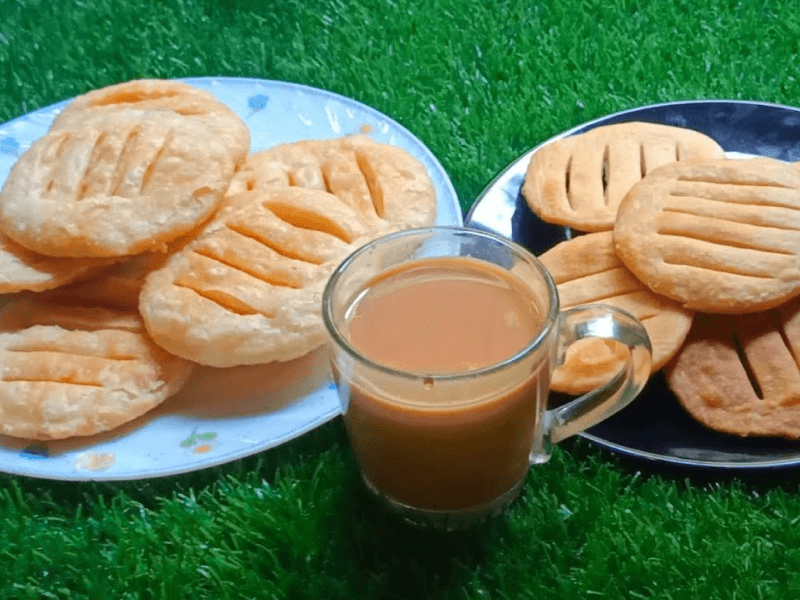
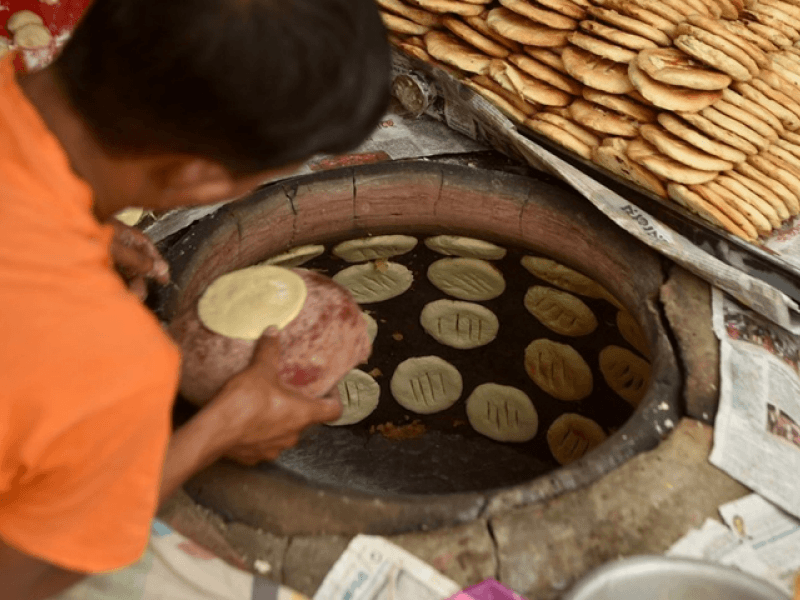
Bakarkhani is the bread that makes Old Dhaka audible. Fresh from a traditional oven, its layered surface breaks with a dry crackle before revealing a firm, rich crumb. Flour, fat and salt form the broad foundation, while preparation, thickness and finishing vary among bakers. Some versions are plain and savoury; others carry a touch of sweetness or seeds. The durable texture separates bakarkhani from soft everyday flatbreads and makes it easy to carry through a morning of exploring. It can be eaten by itself, dipped into tea or paired with meat dishes, depending on local habit and personal taste.
Banglapedia connects bakarkhani with Dhaka's Mughal-period food culture, and Bangladesh Tourism Board presents it as a distinctive Old Dhaka specialty. The strongest traveller experience therefore begins in the historic city, where bakers still work behind shopfronts in dense neighbourhood lanes. Visit early, when batches are more likely to be warm and the streets are beginning to move. A verified local guide can help identify an established bakery without turning a working kitchen into a performance. Ask permission before photographing ovens, bakers or customers, and never step behind a counter uninvited.
The bread is surrounded by romantic stories about its name and origin, but these accounts are not consistent enough to present as settled history. Let the documented culinary setting carry the story instead: a long-lived urban bread shaped by trade, courtly influence, neighbourhood demand and skilled handwork. Compare a plain piece with a richer or sweeter version and ask the bakery how it recommends eating each one. Ingredients may include wheat, dairy or seeds, so travellers with allergies should confirm the recipe.
Old Dhaka traffic and heat can be intense. Keep the route compact, carry safe drinking water and combine the tasting only with confirmed nearby heritage stops. Bakarkhani does not need elaborate plating. Break it while it is fresh, listen to the crust and taste the city through its simplest architecture—flour, fire, layers and time.
Immersive Experience
No 360° Videos available
Destination Gallery
Kalai Roti
Cross the Barind landscape for a fire-baked bread with pulse-powered strength
Explore More