

Banga Bazaar
Dhaka's legendary bargain market, rebuilding after loss.
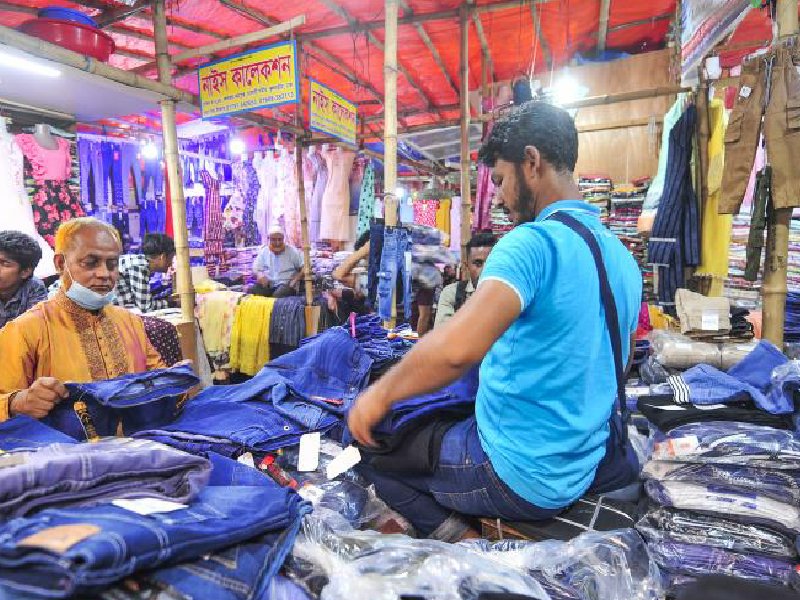
From hawker's market to garment giant, and back again An honest look at Bangabazar today.
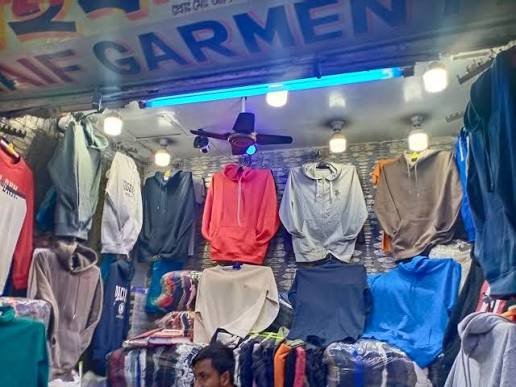
Bangabazar's story begins modestly, as a hawker's market near Dhaka's old railway station in 1965, and grew—through a 1975 municipal rebuild and a 1989 formal shopping complex—into Bangladesh's largest wholesale and retail market for readymade garments, drawing shoppers from across the country for export-surplus clothing at bargain prices. At its peak, the combined Bangabazar, Gulistan, Mahanagari, and Adarsha complexes held around 5,000 shops.
It's important to be direct about where things stand now: on 4 April 2023, a catastrophic fire—started by a cigarette or mosquito coil, according to official findings—destroyed nearly 6,000 shops in roughly 75 hours, causing an estimated $28.5 million in damage. This was not Bangabazar's first fire (a 1995 blaze had already destroyed 2,200 shops once before), but the 2023 fire has proven far harder to recover from: traders report sales down as much as 70%, many have scattered into makeshift stalls or shifted to Facebook-based sales, and as of the most recent reporting, Dhaka South City Corporation is still constructing a planned 10-storey "Bongobazar Wholesale City Shopping Complex" to eventually reunite the market. For now, Bangabazar remains a functioning but significantly diminished version of its former self.
Immersive Experience
No 360° Videos available
Destination Gallery
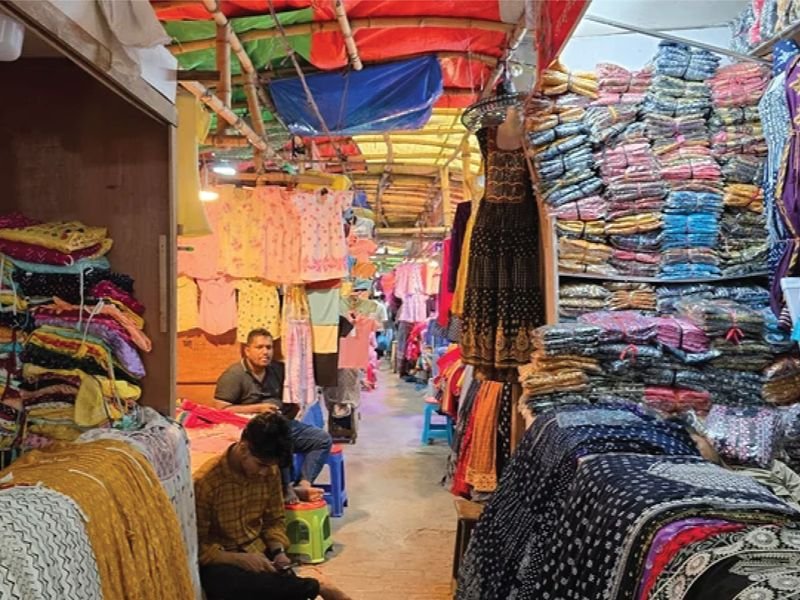
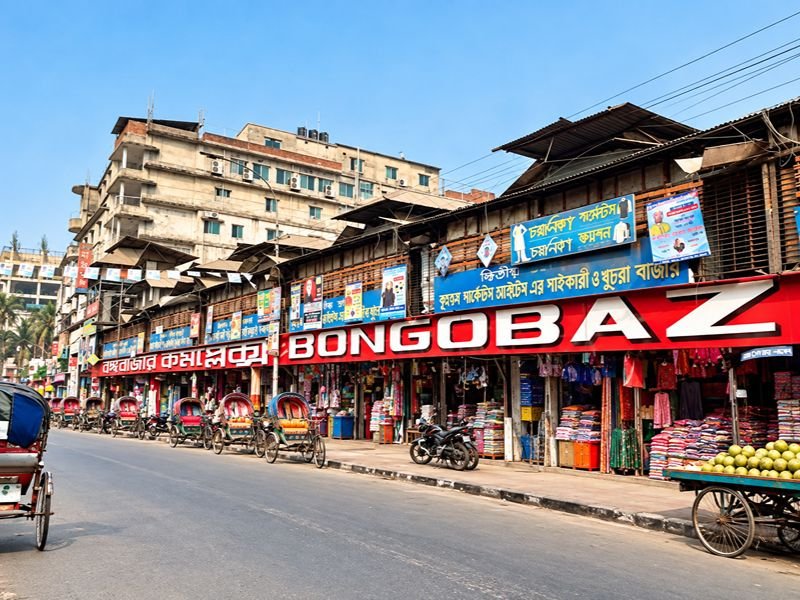
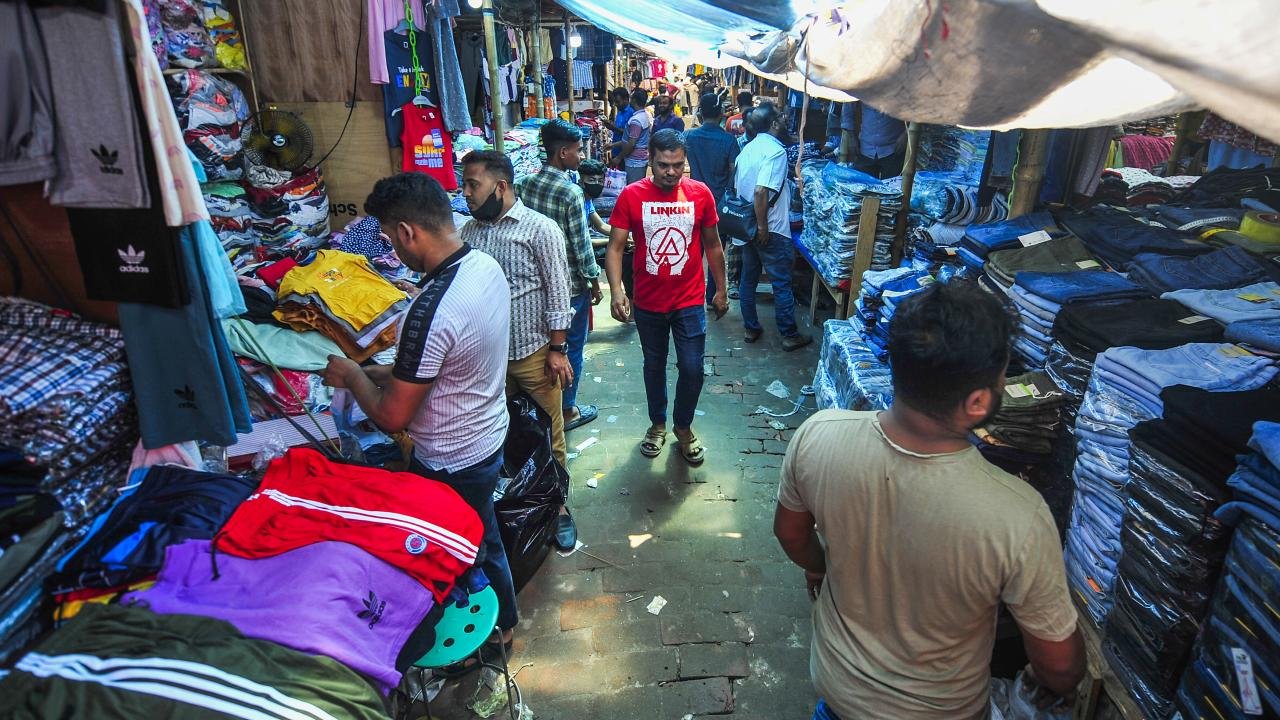
Traditional Boutique Street Markets
Dhaka's original shopping district, still going strong
Explore More