

Aarong and Artisanal Handicraft Boutiques
Bangladesh's craft economy, under one roof
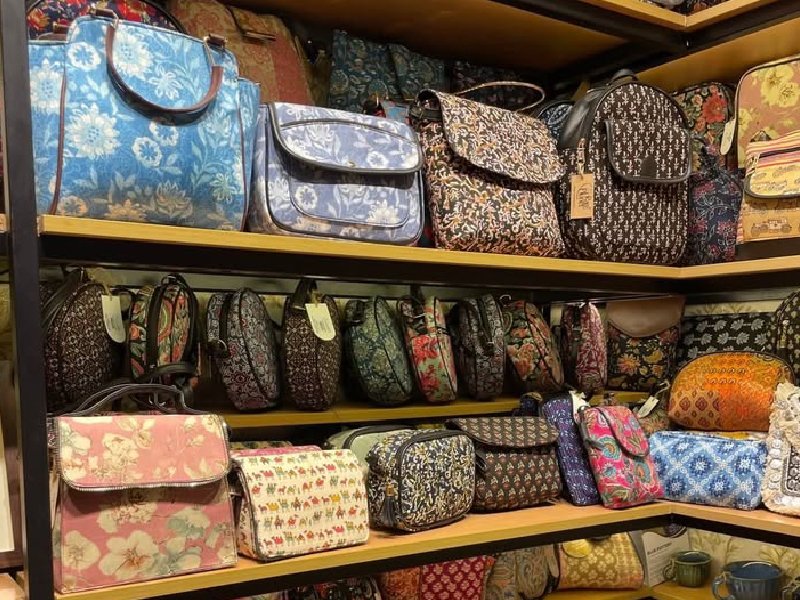
From a Manikganj sericulture project to the world's largest craft store Fair trade retail built to last.
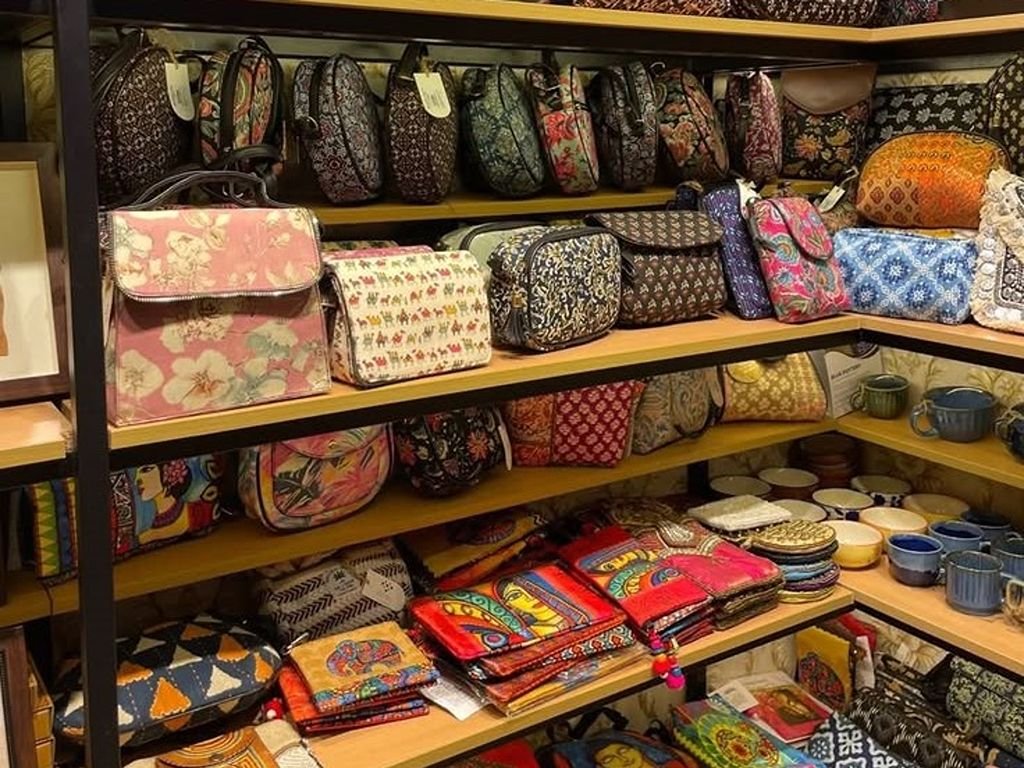
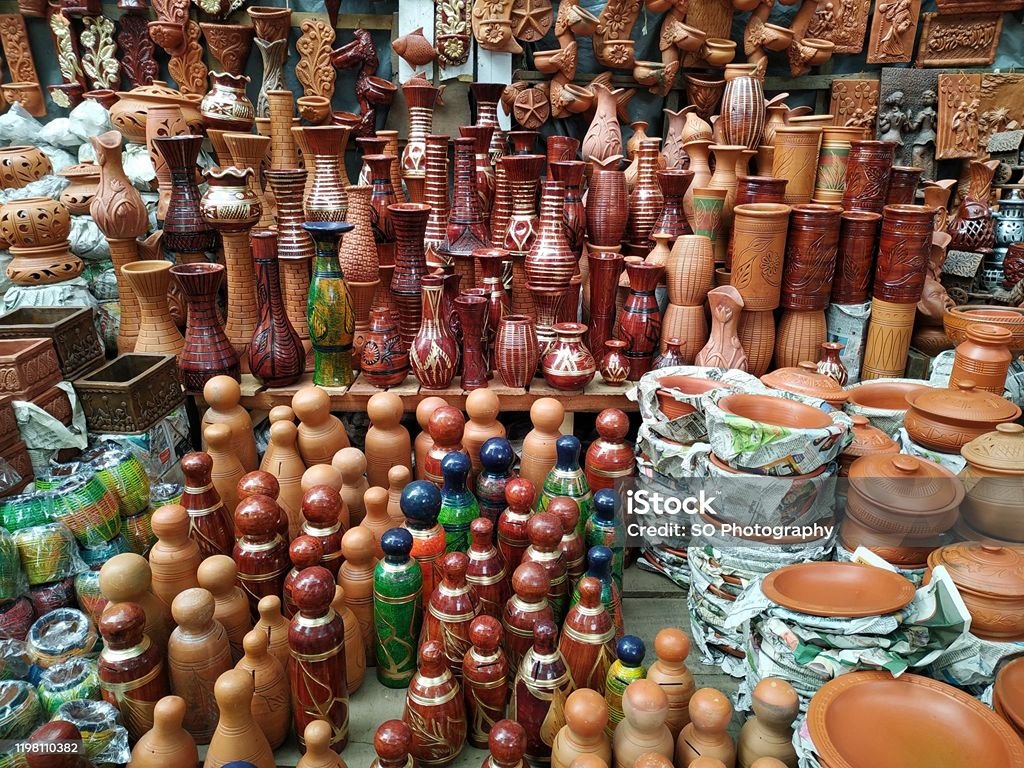
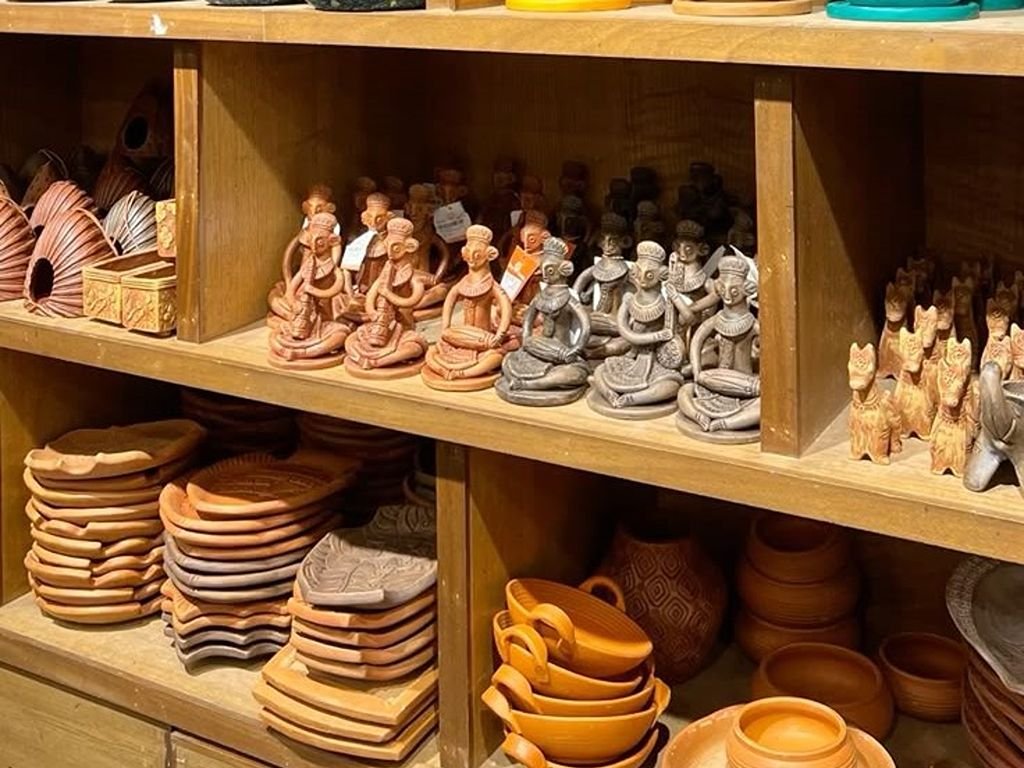
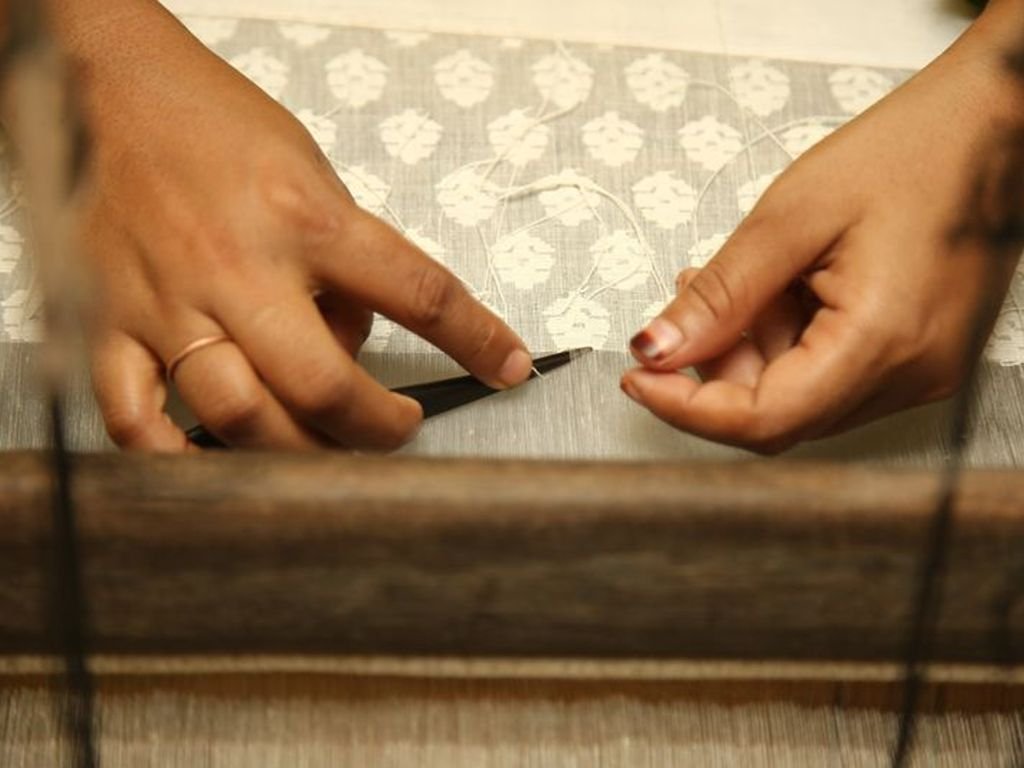
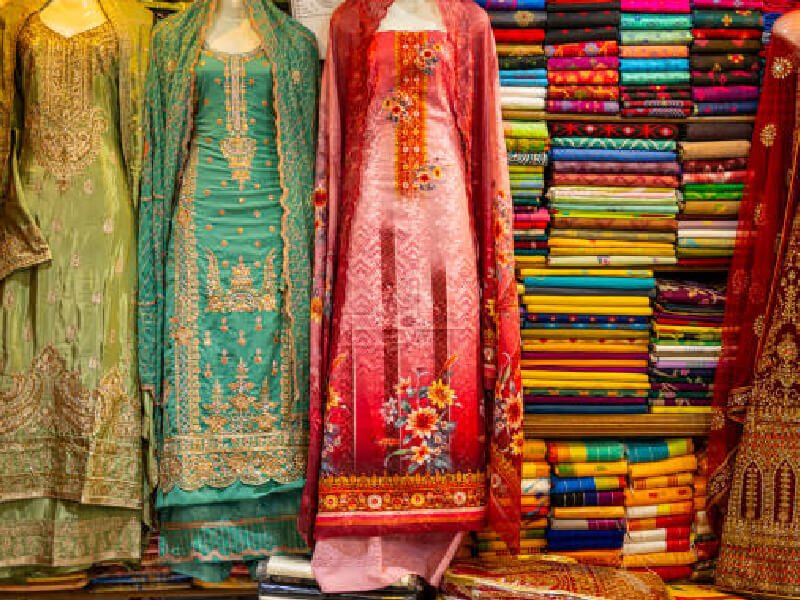
Aarong began in 1976 when BRAC started working with a small group of rural women producing crafts, only to find their sole buyers were a handful of scattered Dhaka retailers who took weeks or months to pay. BRAC's response was to build the market itself: Aarong (meaning "village fair" in Bangla) opened its first outlet in Shukrabad in 1978, and has since grown into Bangladesh's leading lifestyle retailer, now operating 33 stores nationwide and partnering with over 87,000 artisans—85% of them women—across textiles, jewellery, leatherwork, pottery, basketry, and woodcraft. At the heart of its supply chain sits the Ayesha Abed Foundation, which runs 15 production centres and over 800 sub-centres, providing artisans healthcare access, legal aid, and retirement benefits alongside their craft income.
In 2025, Aarong opened its flagship Dhanmondi store—billed as the world's largest craft store—a building whose sweeping, ribbon-like concrete facade was designed to evoke the motion of a weaving loom. Beyond Aarong, Bangladesh's artisanal boutique scene includes Aranya, known for its handloom textiles and natural dyes, and Jatra, known for pairing crafts with bold, socially conscious graphic design—together forming a retail ecosystem that has turned "buying handicrafts" into one of the country's most visible ways to support rural livelihoods directly.
Immersive Experience
No 360° Videos available
Destination Gallery
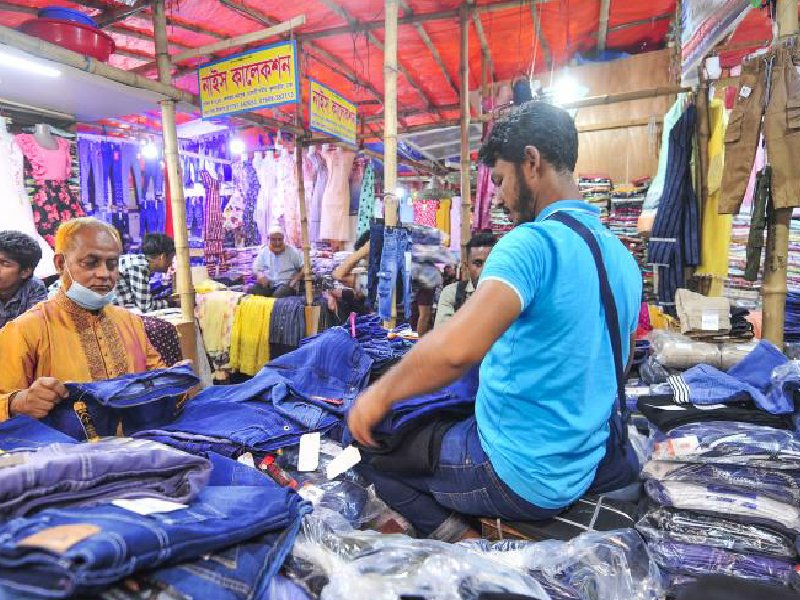
Traditional Boutique Street Markets
Dhaka's original shopping district, still going strong
Explore More