
Wari–Bateshwar Ruins
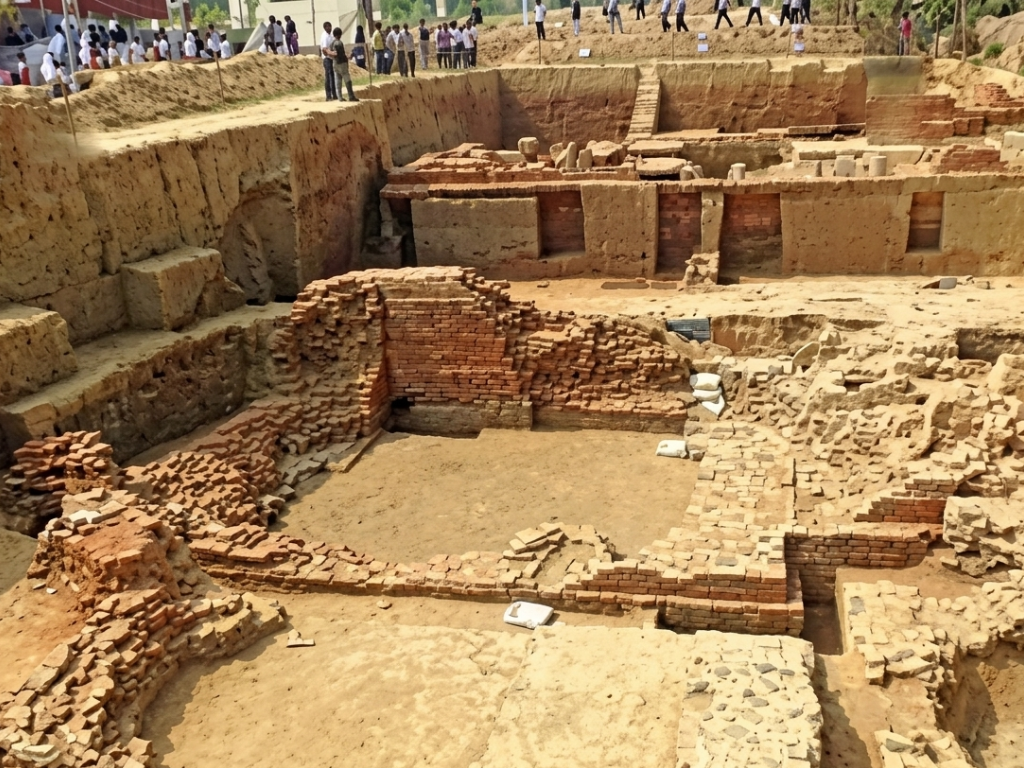
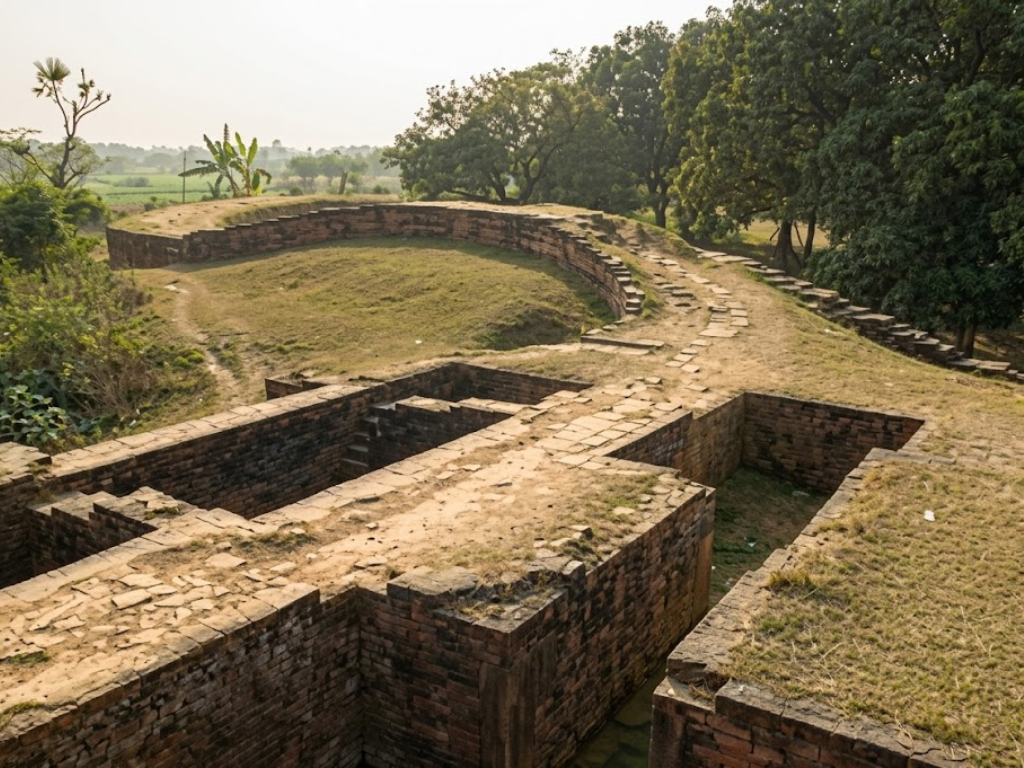
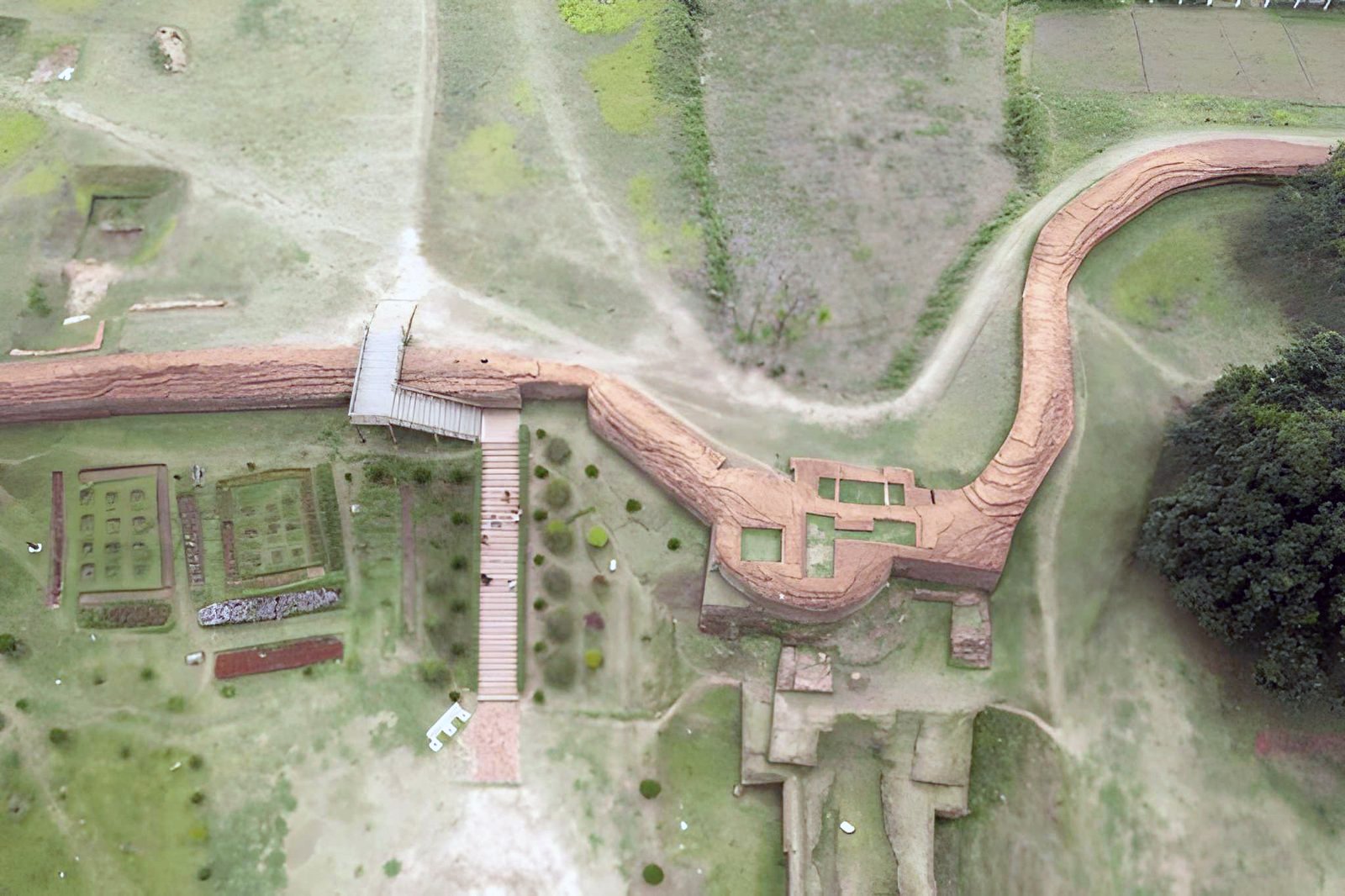
Excavations at Wari-Bateshwar have unearthed evidence of a sophisticated, planned urban center. Archaeologists have identified a massive mud rampart and a moat that once encircled a 600-by-600-meter area. The real treasure, however, lies in what was found within: a hoard of silver punch-marked coins dating to around 450 BCE, semi-precious stone beads from as far afield as Southeast Asia, and intricate terracotta figurines. These findings provide compelling evidence of a vibrant, long-distance trade network linking this part of Bengal with the Roman world and the kingdoms of the East. One of the most remarkable discoveries is the footprint of a 1,400-year-old Buddhist Lotus Temple, one of the earliest physical traces of Buddhism in the region. While the visual impact is subtle compared to a towering palace, the intellectual and historical significance of Wari-Bateshwar is immense. It is a pilgrimage site for anyone who wants to touch the very deep roots of Bengal's ancient, cosmopolitan past.
Immersive Experience
No 360° Videos available
Destination Gallery