
Victory Day
Stand at Savar on 16 December as remembrance and national pride fill Bangladesh with red and green
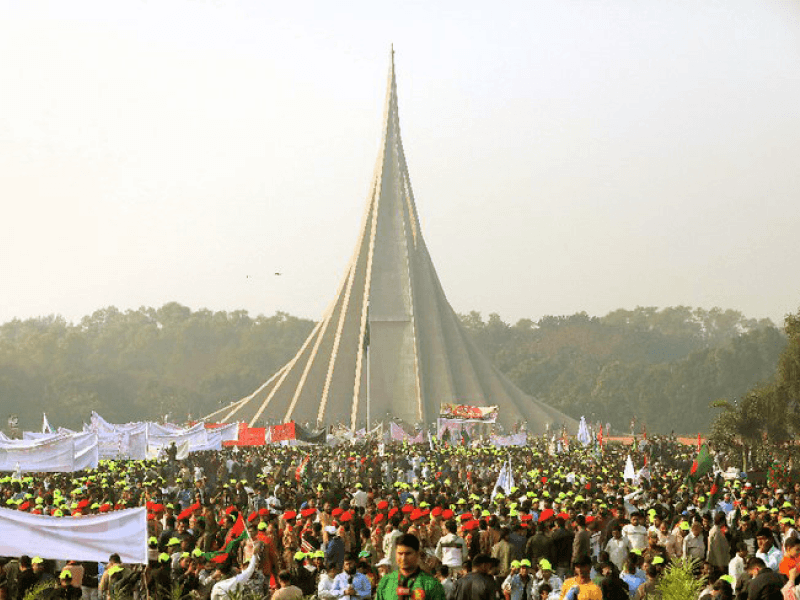
Begin at dawn with remembrance, then follow the country into a day of music and resolve.
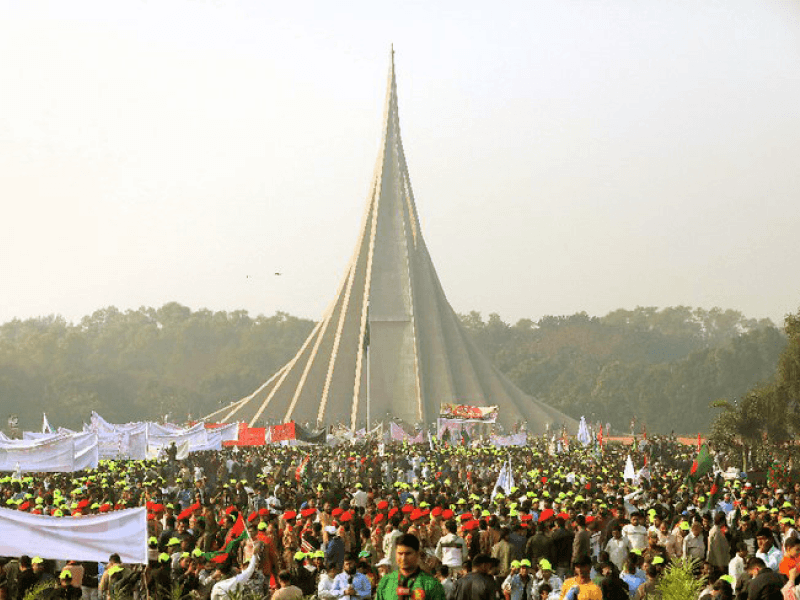
On the 16th of December, the crisp winter air of Bangladesh is charged with an overwhelming, deeply emotional sense of pride, remembrance, and unyielding triumph. Victory Day, or Bijoy Dibosh, commemorates the surrender on 16 December 1971 that ended the nine-month Liberation War. While many nations celebrate their independence with formal military precision, Victory Day in Bangladesh is an intensely personal, nationwide outpouring of emotion—a spectacular, living mosaic of gratitude and unbreakable national spirit that leaves a profound impact on every visitor.
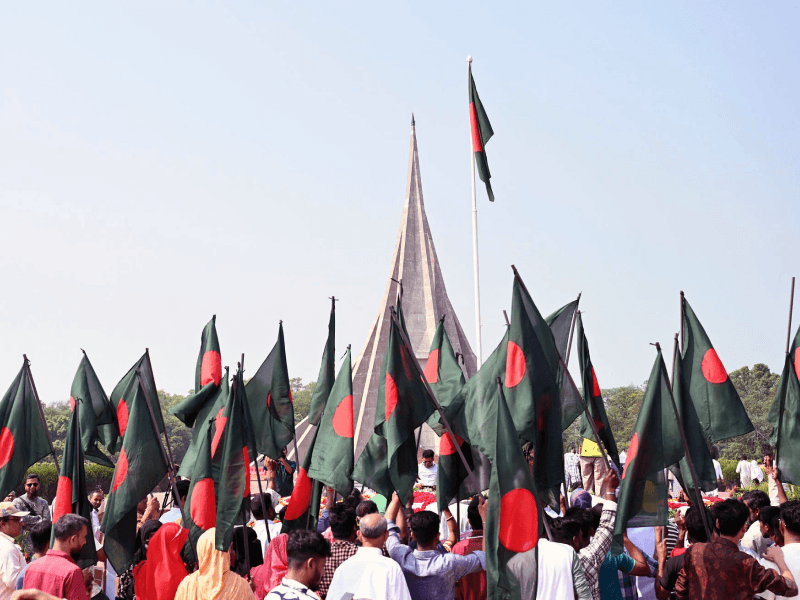
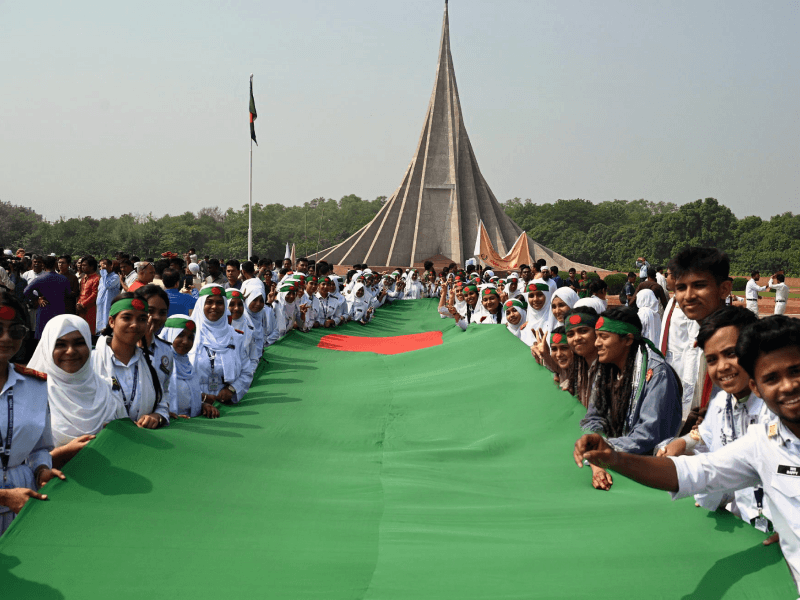
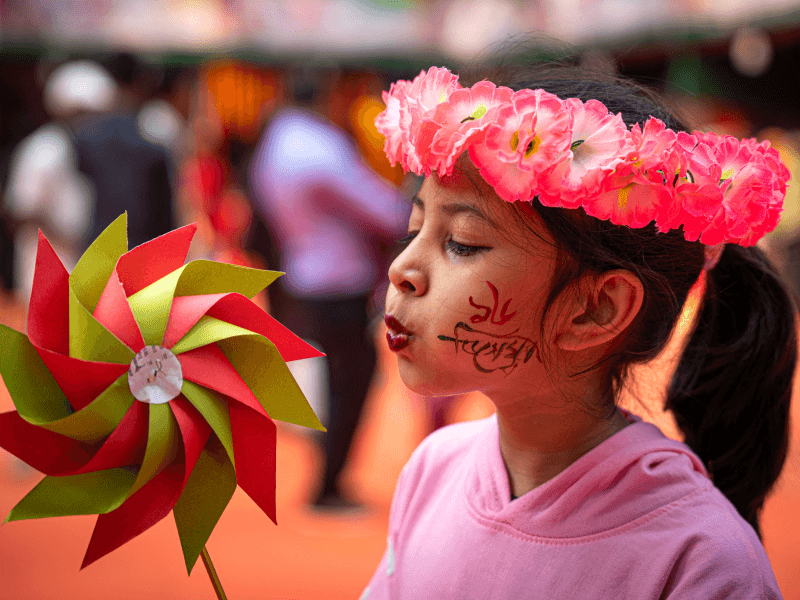
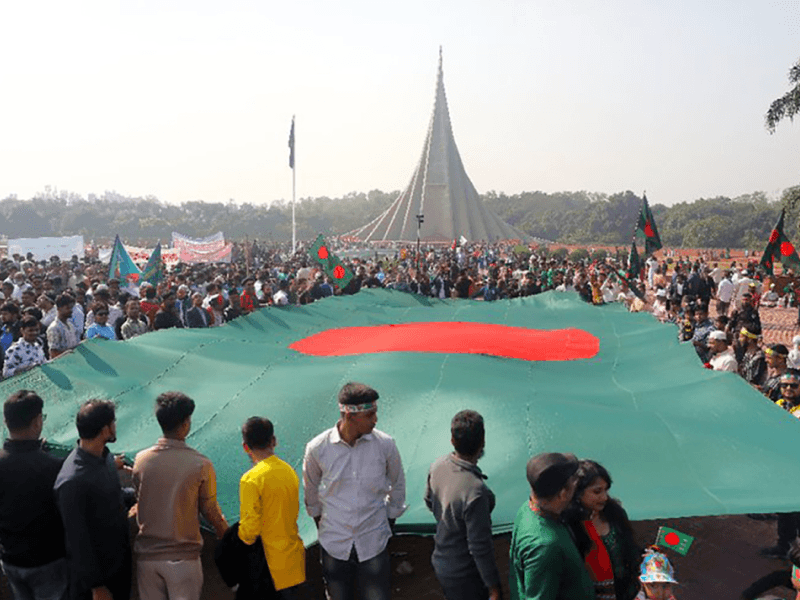
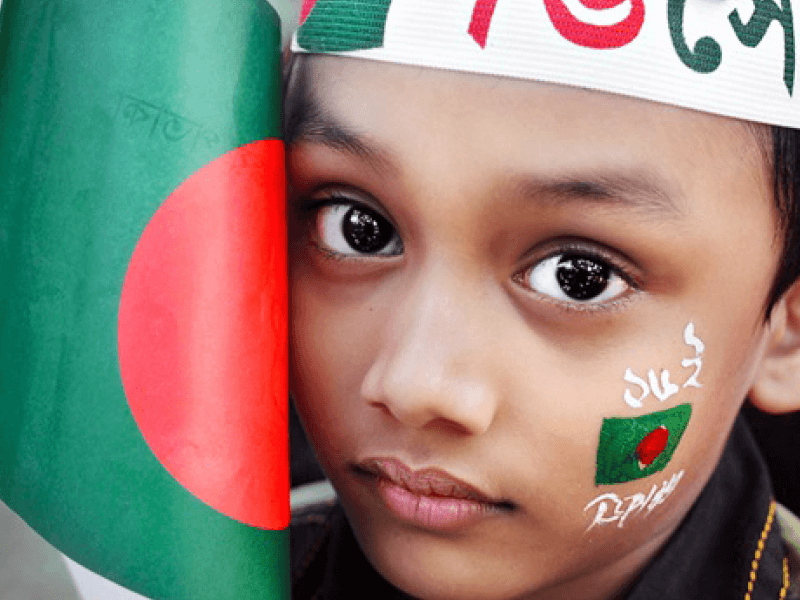
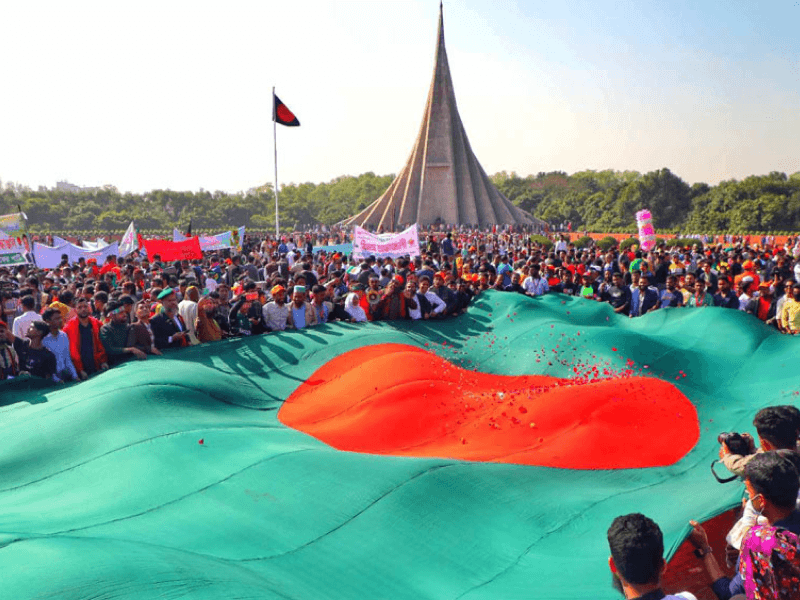
Across the capital and towns throughout the country, red and green become a visible language of remembrance and pride. Streets, buildings, and vehicles are adorned with flags, while men and women elegantly dress in vivid red and green panjabis and sarees. It is a stunning, unified aesthetic display of national identity.
The day is characterised by a magnificent blend of solemn respect and roaring celebration. The air continuously resonates with the playing of Gono Sangeet—passionate, soul-stirring patriotic songs that recount the struggles and the ultimate victory of the Bengali people. For an international traveller, Victory Day is not just a historical observance; it is a deeply moving experience of resilience. It is an invitation to witness the soul of a nation that fought fiercely for its language and freedom, standing today with immense pride, boundless hospitality, and an unbreakable gaze toward the future.
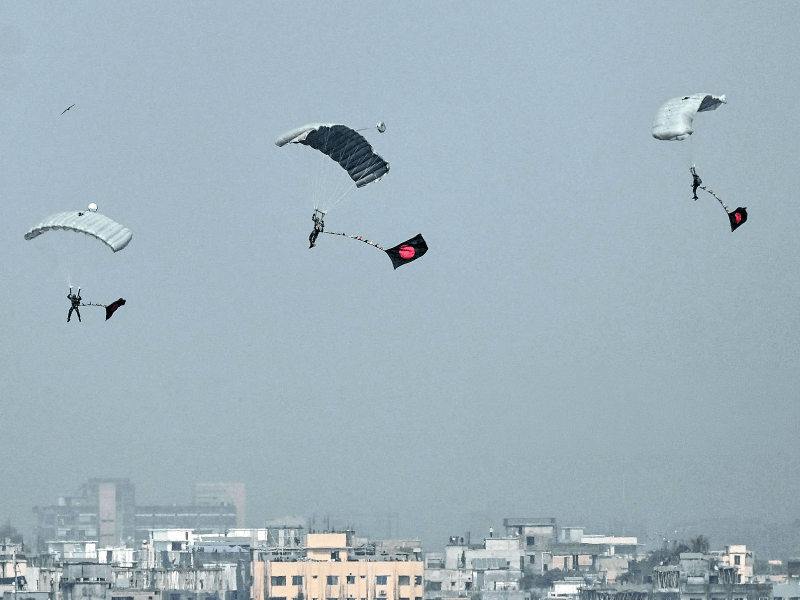
Victory Day is most powerful when remembrance comes before spectacle. At Savar, follow security screening, use the marked walking route and do not step on floral tributes, lawns or memorial structures. Official programmes, public access windows, parades and military displays vary by year, so publish only what the current government notice confirms. The site is extremely busy around official wreath-laying; later morning may be more practical for general visitors. Across Dhaka, expect flags, songs, exhibitions and altered traffic. Read the history before arrival and keep the camera secondary to the meaning of the place.
Immersive Experience
No 360° Videos available
Destination Gallery