Rivers of the Sundarbans
The tidal waterways of the world's largest mangrove forest
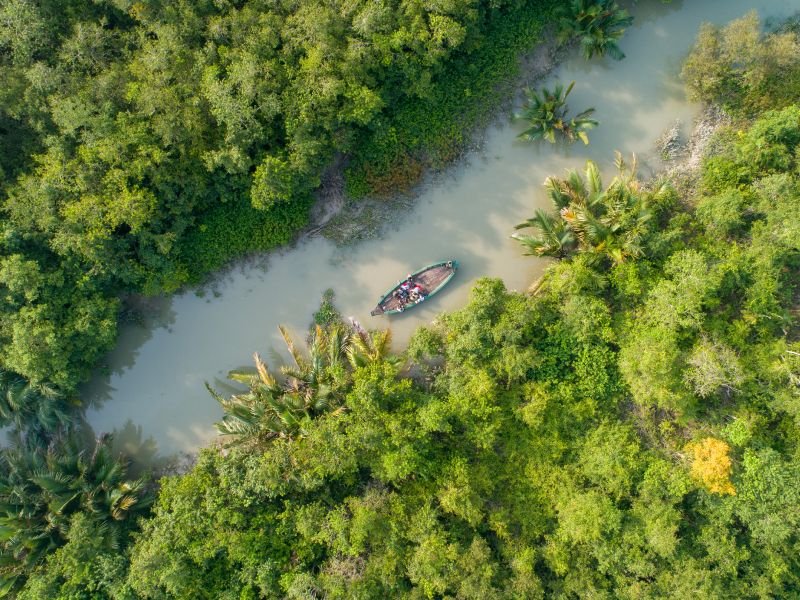
Tides of the Mangrove. Navigating the Forest's Lifeline.
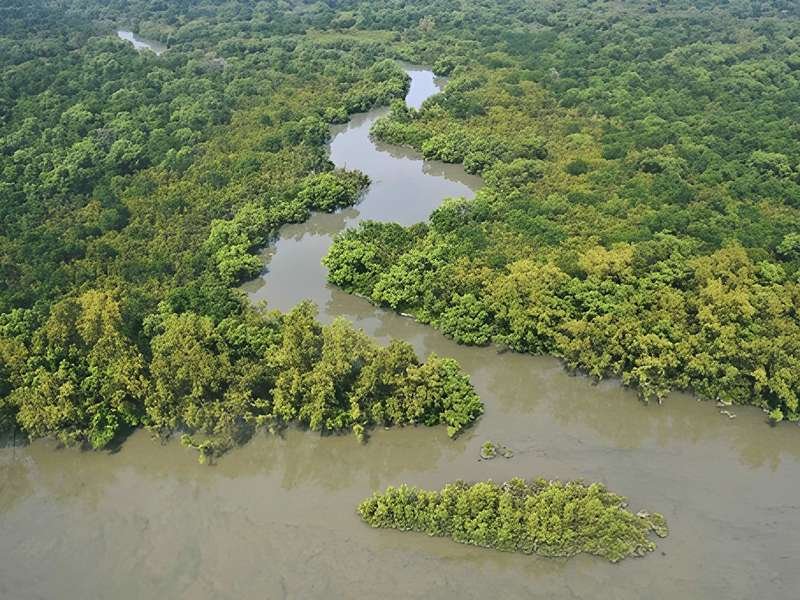
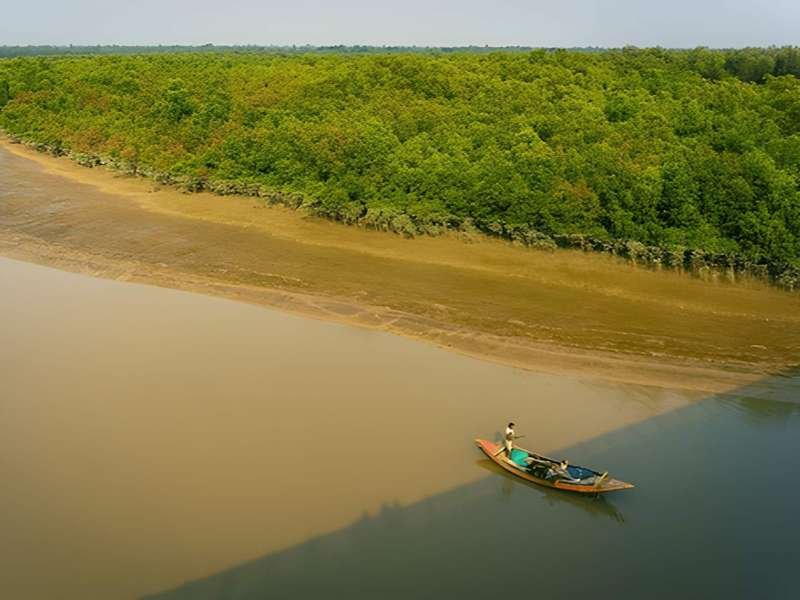
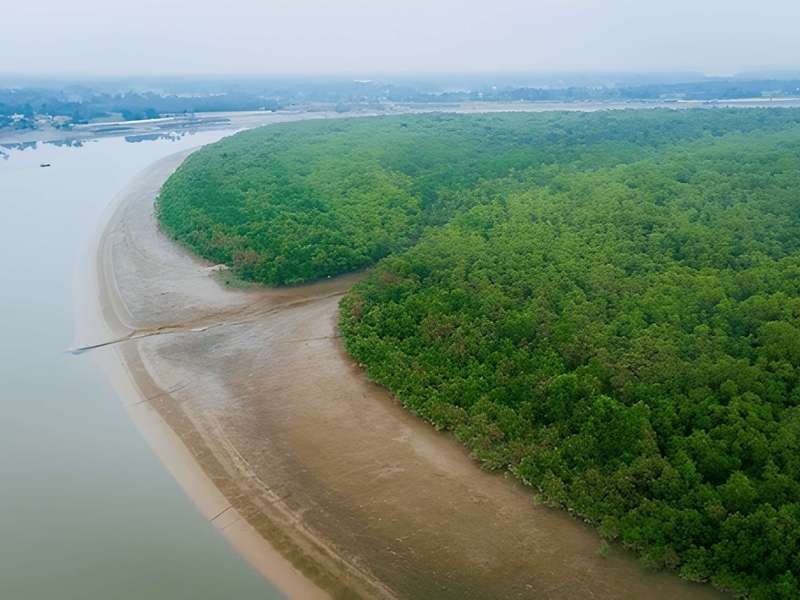
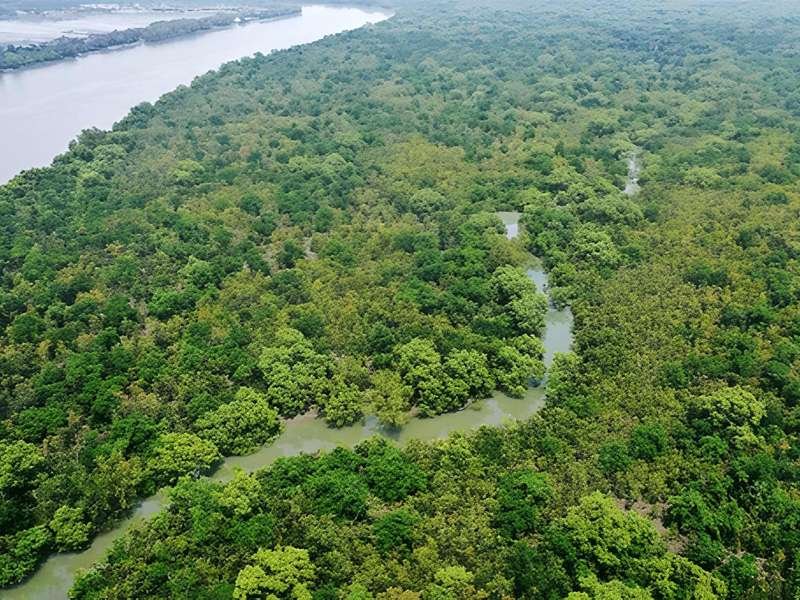
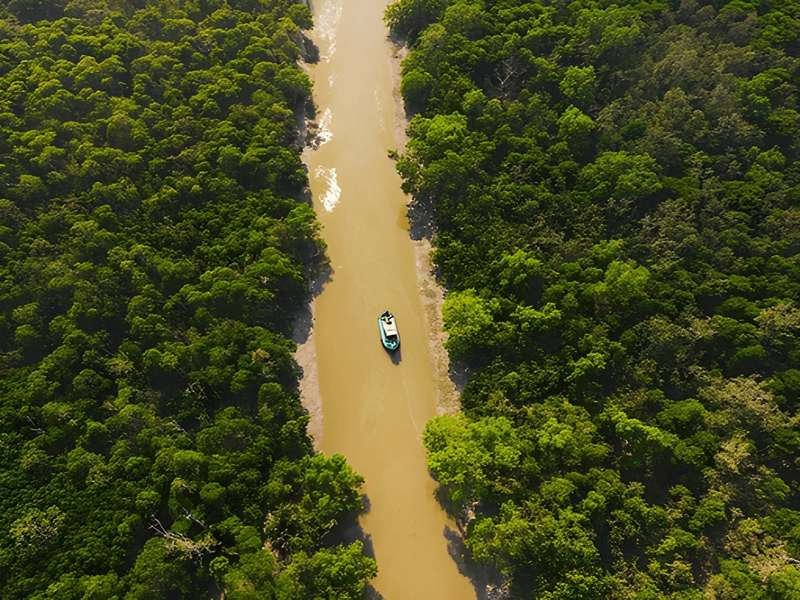
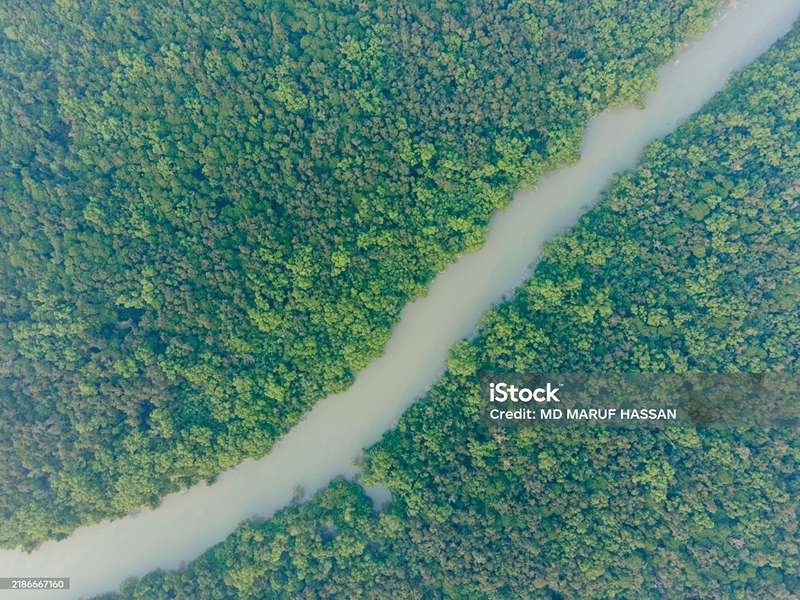
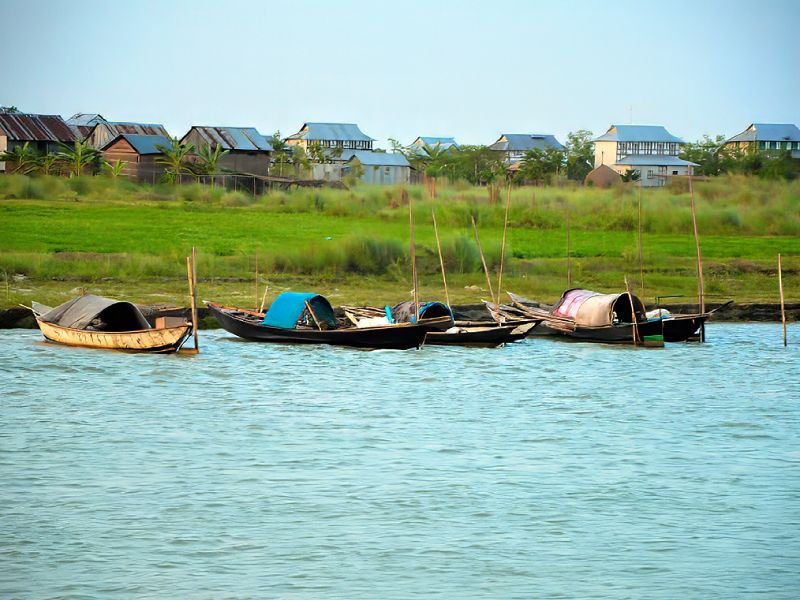
The Sundarbans, the largest contiguous mangrove forest on Earth, is entirely defined and sustained by a vast, complex network of tidal rivers. Rivers such as the Passur, Shibsa, Arpangasia, and Baleshwar act as the primary arteries of this wilderness, mixing freshwater from the delta with saltwater from the Bay of Bengal.
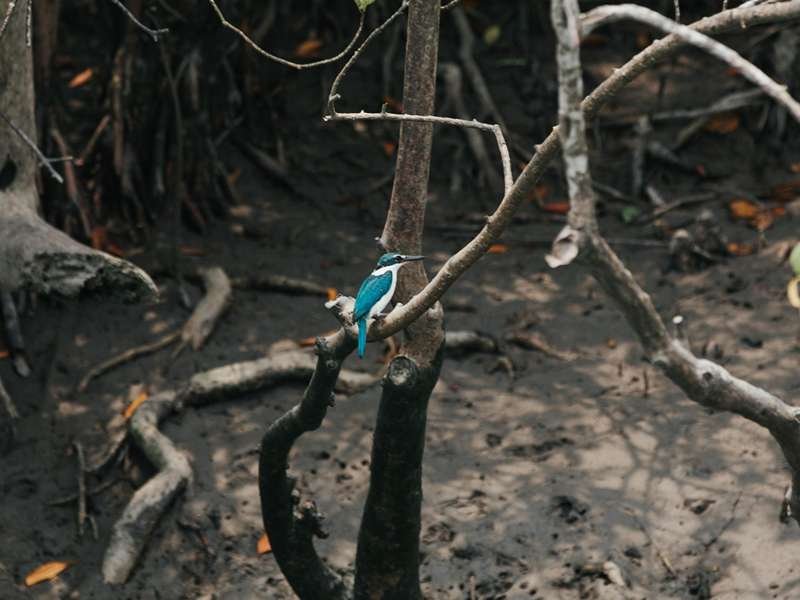
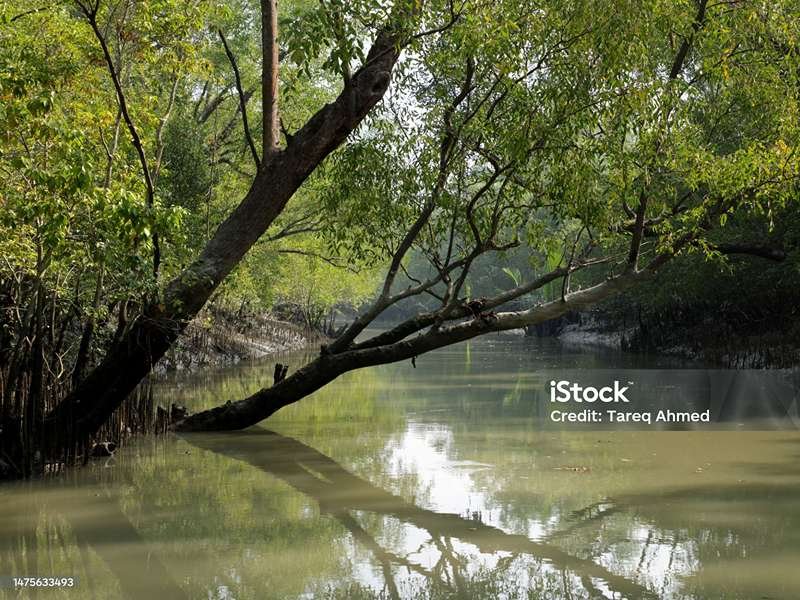
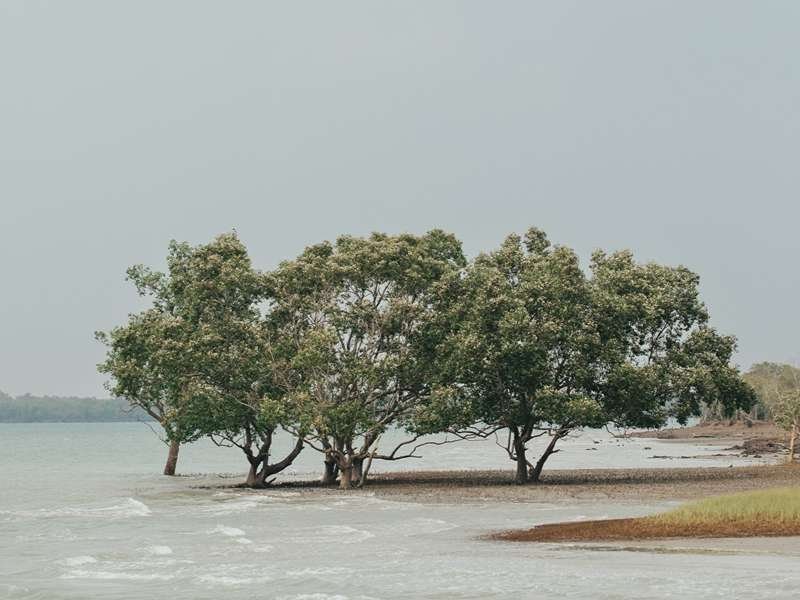
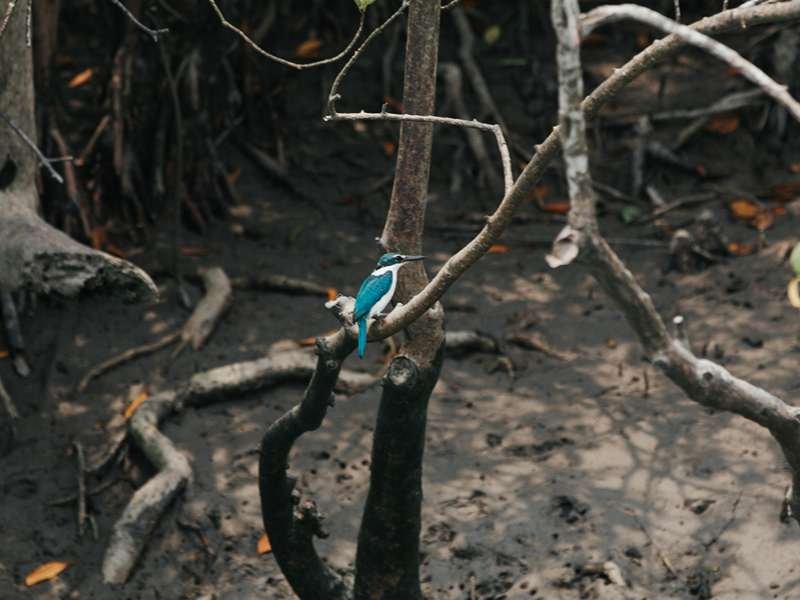
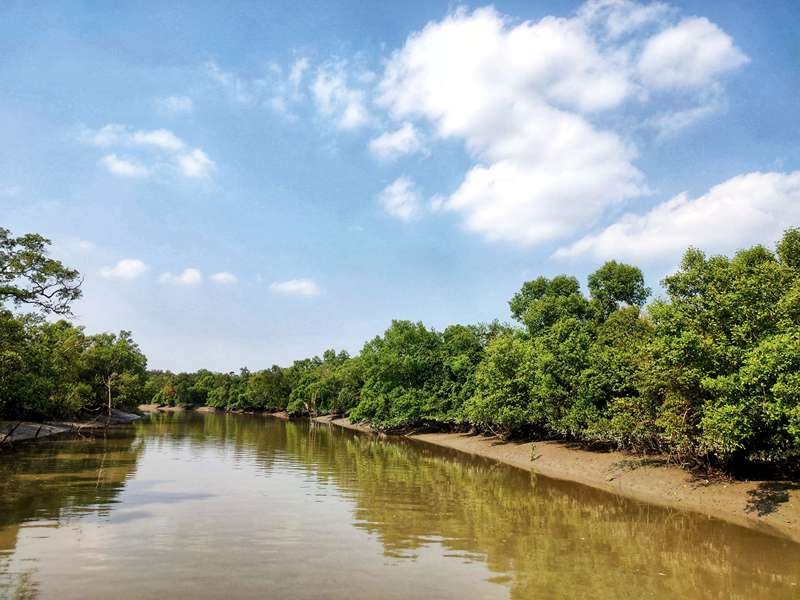
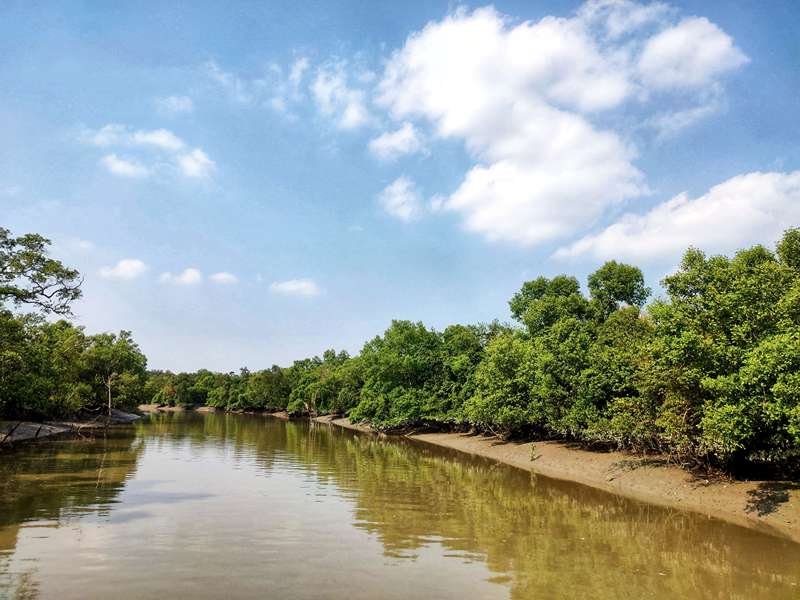
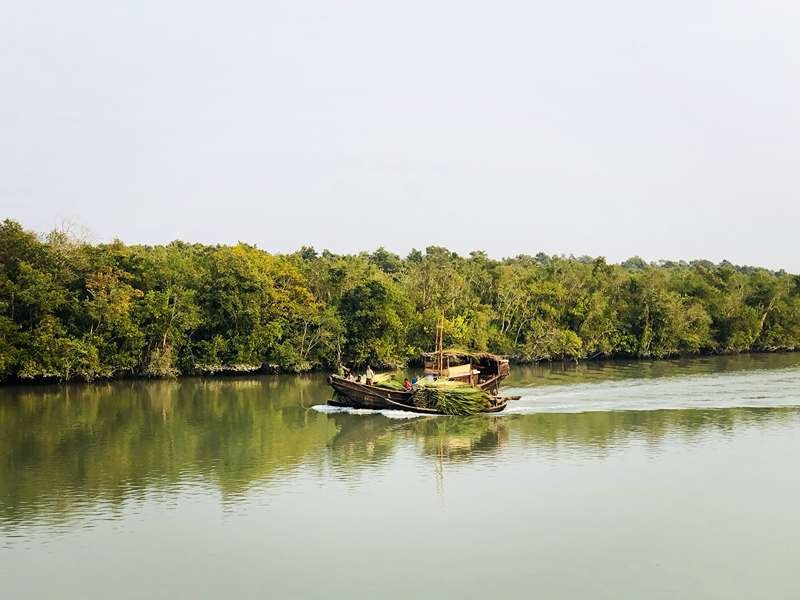
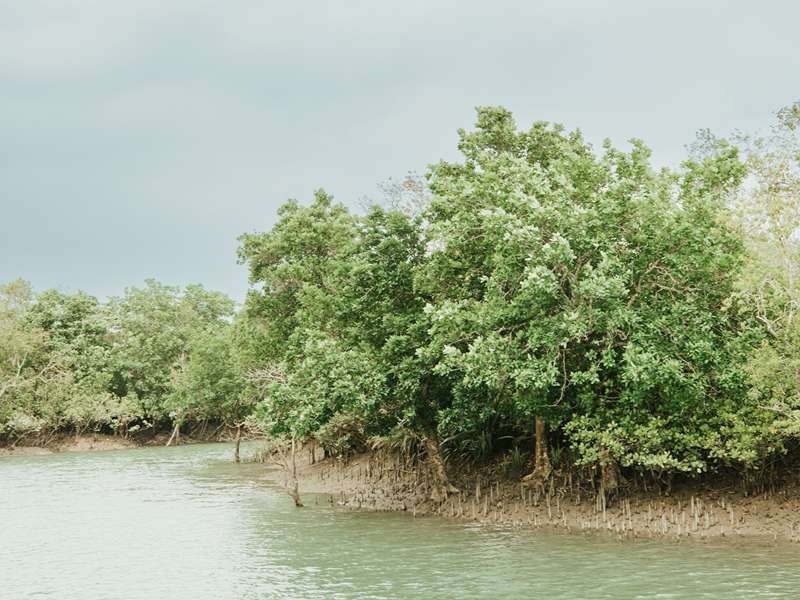
There are no roads in the Sundarbans; the rivers are the only way in and out. The tidal nature of these waterways means the landscape changes twice a day. During low tide, muddy banks are exposed, revealing the unique aerial roots (pneumatophores) of the mangrove trees and providing basking spots for saltwater crocodiles. High tide floods the forest floor, allowing boats to venture deeper into the narrow creeks.
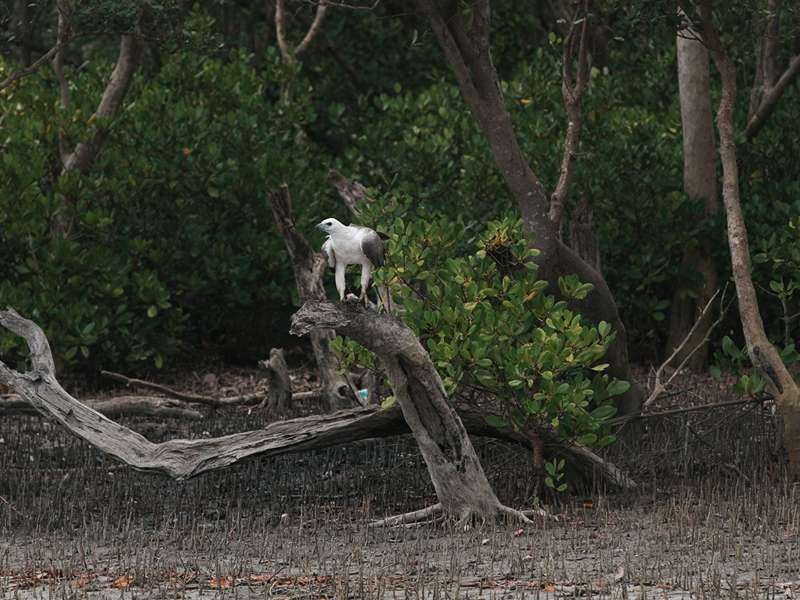
These rivers support a highly specialized ecosystem. They are home to the endangered Ganges river dolphin and the Irrawaddy dolphin. The muddy banks frequently show the fresh pugmarks of the Bengal Tiger, which is known to be an excellent swimmer in these tidal waters.
Cruising the rivers of the Sundarbans is a journey into an ancient, untamed world where the continuous flow of water dictates the survival of flora, fauna, and traditional honey gatherers and fishermen.
Immersive Experience
No 360° Videos available
Destination Gallery