Oranges in Jaintapur
Climb into Sylhet's citrus country where mist, hills and orchard research meet.
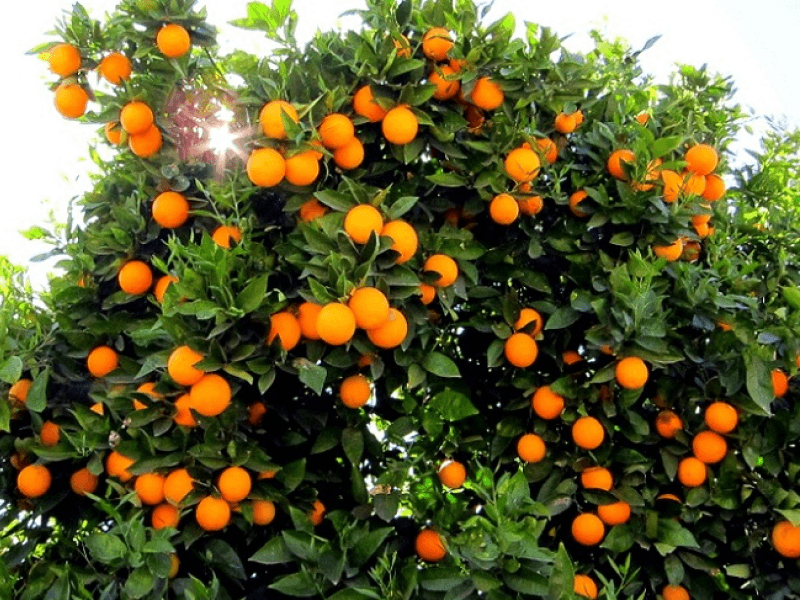
Taste the northeast through fruit grown on rain-soaked slopes.
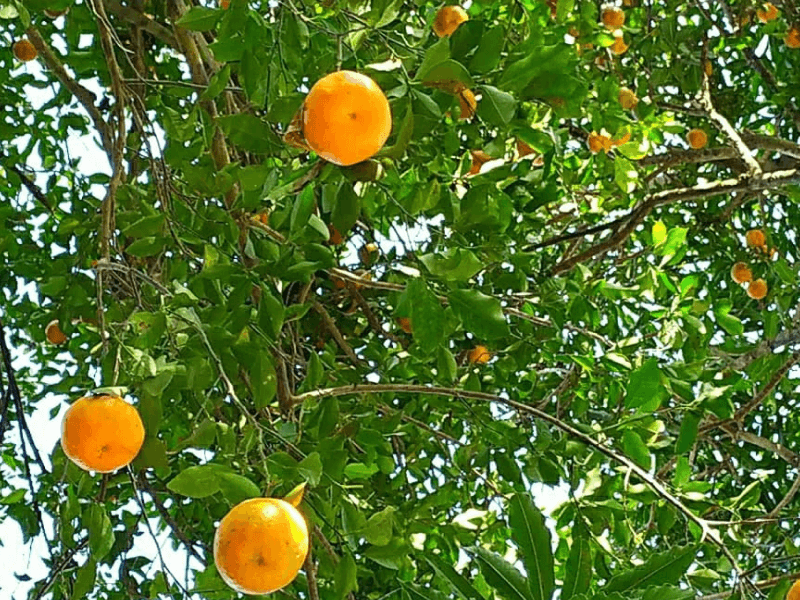
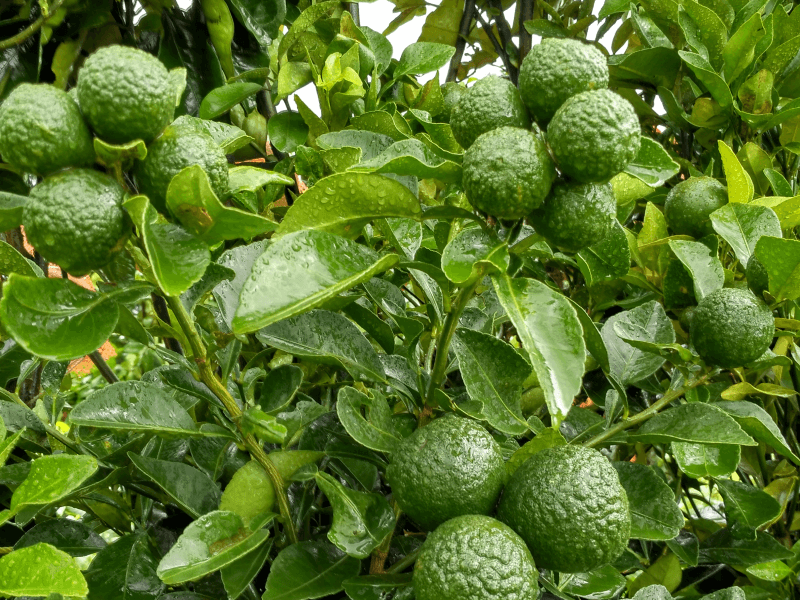
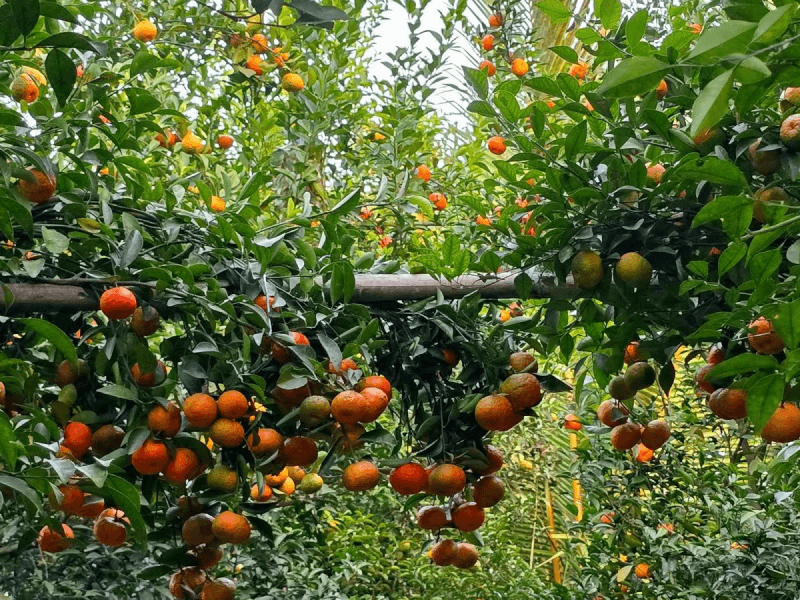
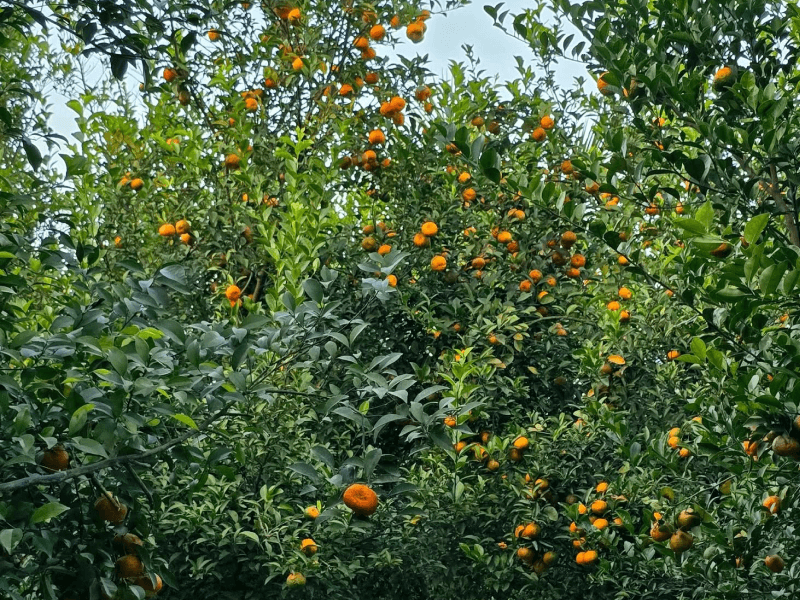
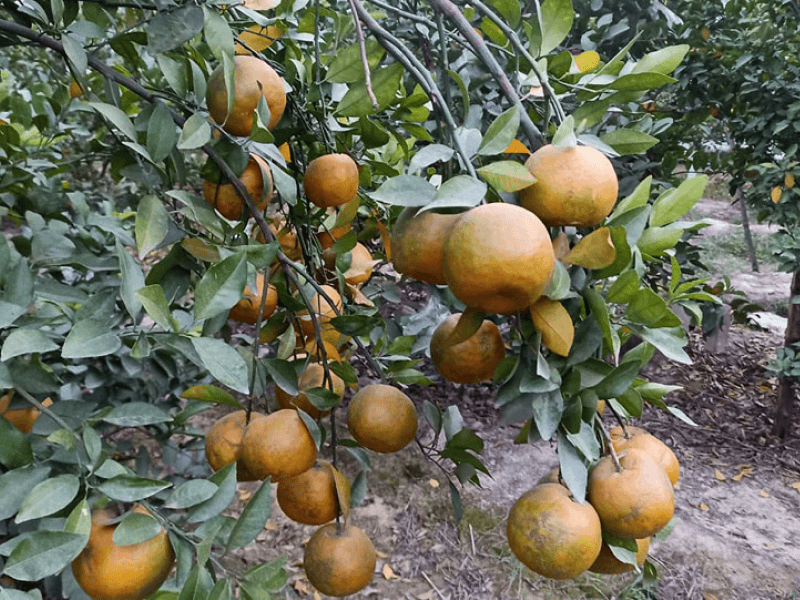
Jaintapur's rolling terrain and heavy rainfall give northeastern Bangladesh a distinctive citrus identity. The area hosts the Bangladesh Agricultural Research Institute's Citrus Research Station, where sweet-orange germplasm and BARI Malta-1 have been evaluated across multiple fruiting seasons. That evidence supports Jaintapur as a serious place to learn about citrus, but travellers should avoid claiming that every visible grove is a public attraction or that all local citrus is the same variety.
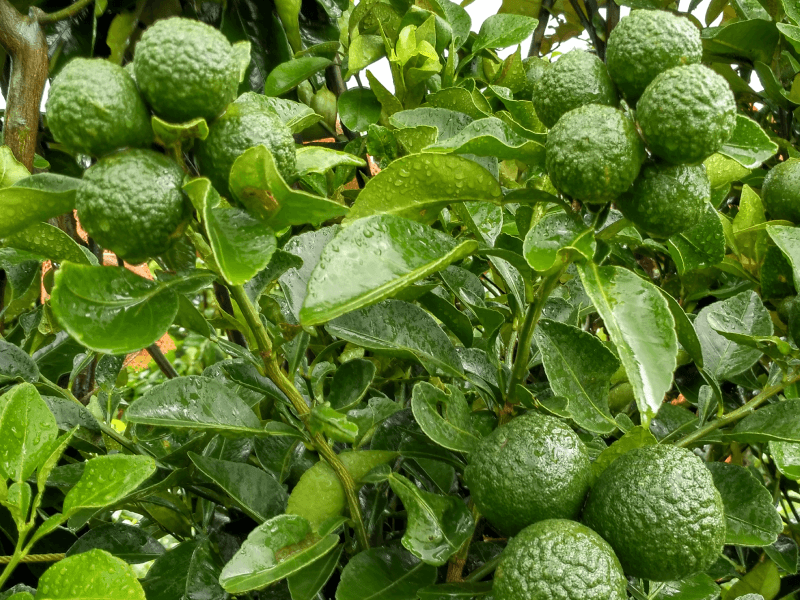
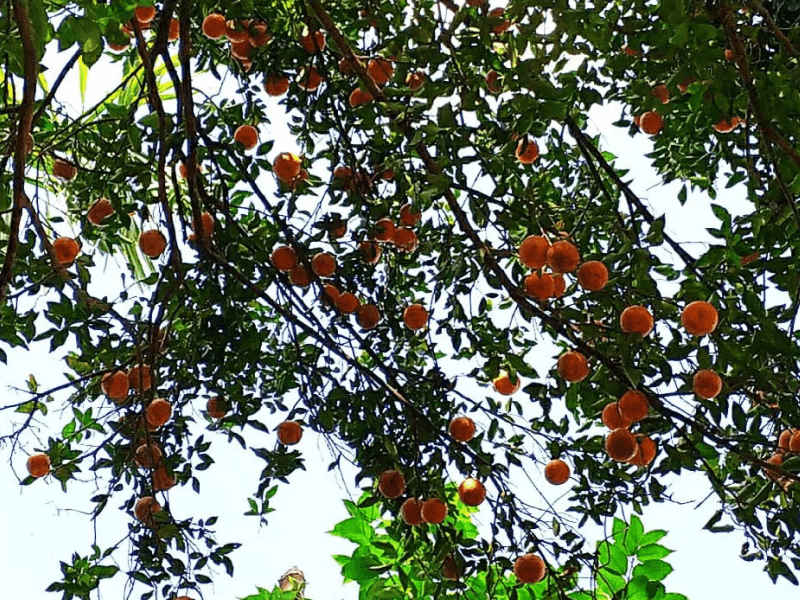
A rewarding journey combines a permitted orchard or grower visit with Jaintapur's broader hill-foot landscape. In the cooler fruiting season, glossy trees may carry orange or green-orange fruit depending on cultivar and maturity. Ask a farmer or qualified guide to identify what is being grown. “Malta,” sweet orange and other citrus names can be used loosely in markets, so accurate labelling is more valuable than dramatic claims about flavour or origin.
Orchard access must be arranged. Stay on directed paths, do not pick fruit, touch research material or enter the Citrus Research Station without formal permission. Buy from the grower or a recognised market, request consent before photography and pay fairly for any tasting or interpretation. Rain makes slopes and rural roads slippery; closed shoes and a flexible plan are essential.
November to February generally offers cooler travel and the strongest citrus context, but harvest timing varies. Sylhet city provides reliable rated hotels, while Jaintapur or nearby Jaflong offers simpler accommodation closer to the landscape. A local stay is valuable only when transport and standards are confirmed. The adventure comes from looking beyond imported fruit displays: following a wet northeastern road, meeting growers, learning how varieties are tested and tasting citrus within the climate that shaped it.
Combine the citrus visit with nearby scenery only after allowing enough time for the orchard. The fruit story deserves its own guide, questions and unhurried place in the journey.
Immersive Experience
No 360° Videos available
Destination Gallery