
Monsoon
When the delta remembers it is a delta
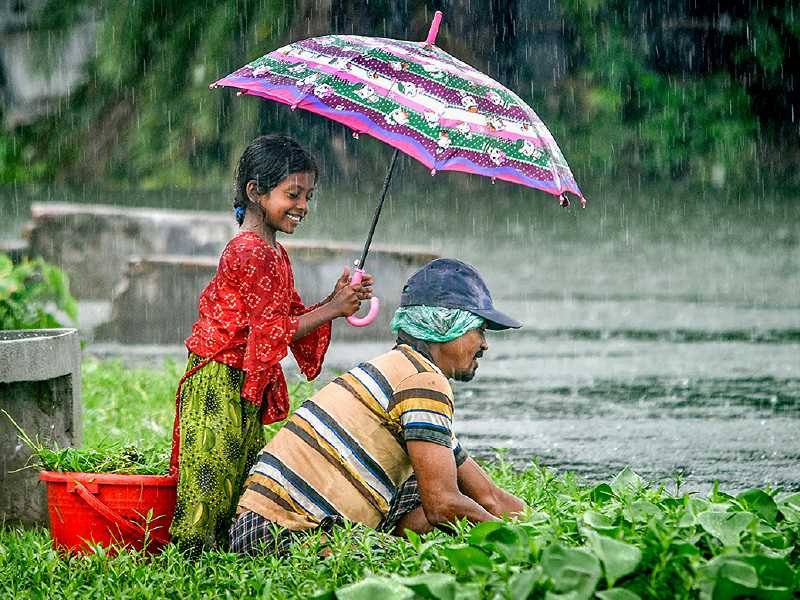
Rain-soaked and river-fed season that turns Bangladesh into water
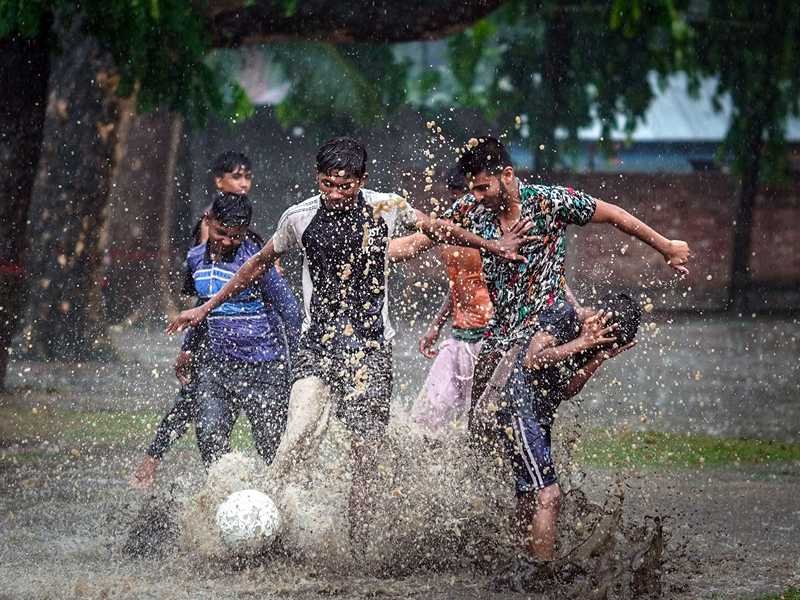
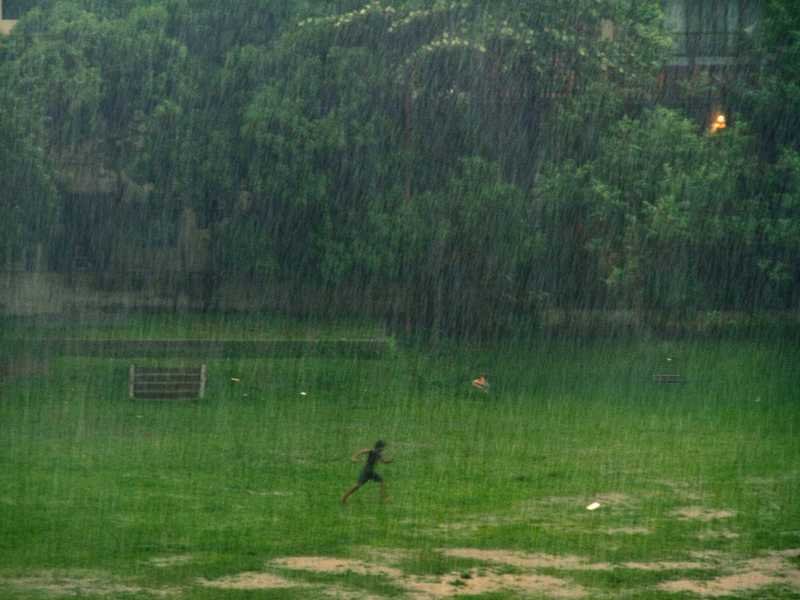
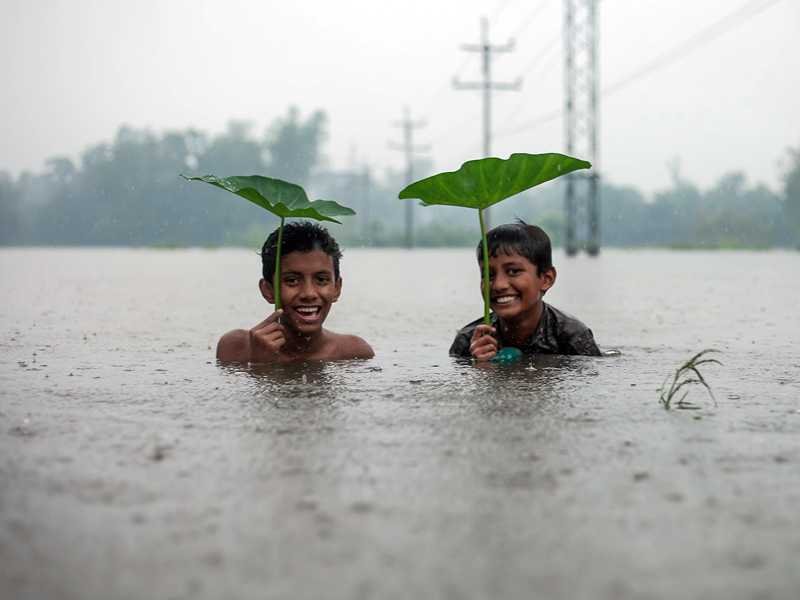
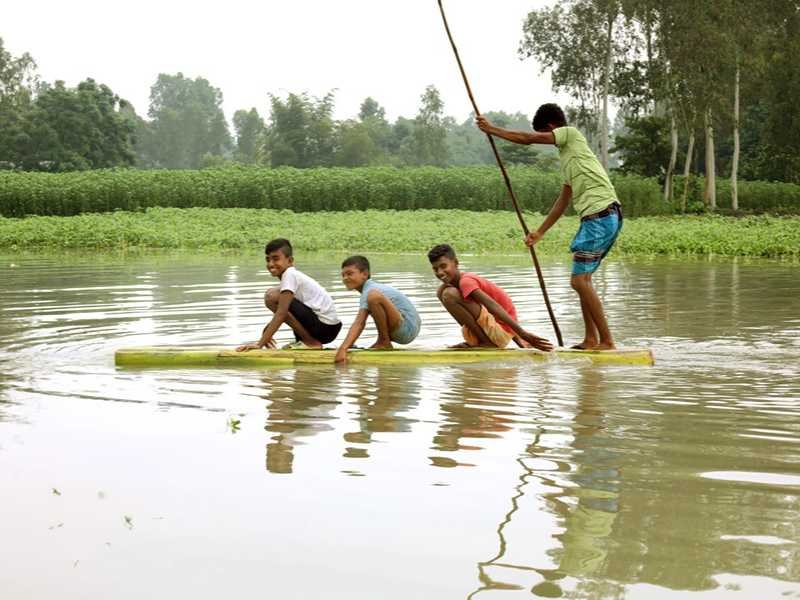
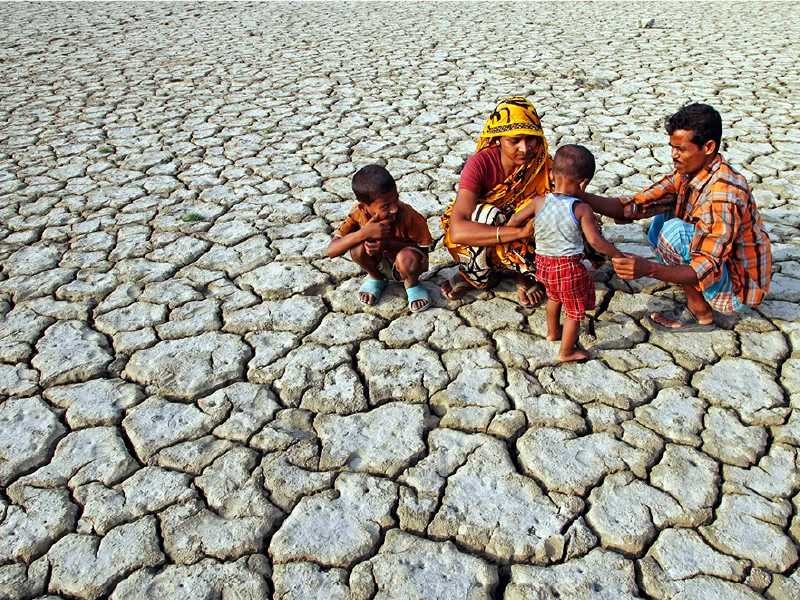
No season defines Bangladesh's identity as a river delta quite like Barsha. Classically held during Asadh and Shraban, mid June to mid August, but in reality lasting even longer, starting from the latter half of Baishakh to the early half of Kartik (mid May to late October), the monsoon season receives the southwest monsoon winds blowing from the Bay of Bengal bringing 70% to 85% of the total rainfall received by the whole country throughout the year, and rains pour in unceasingly for days together.
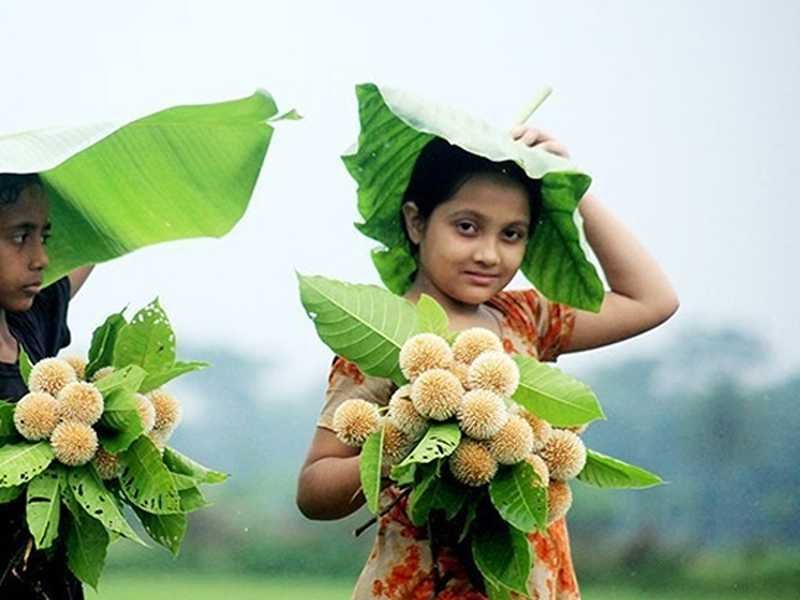
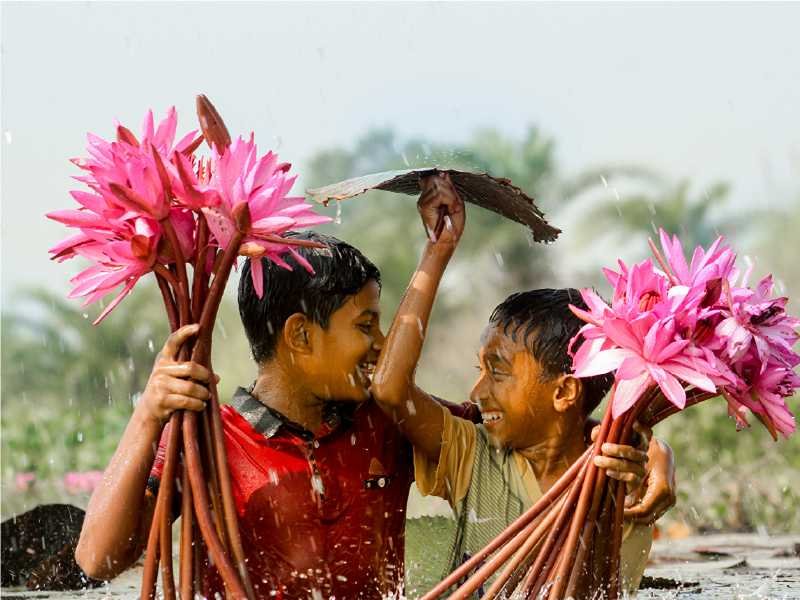
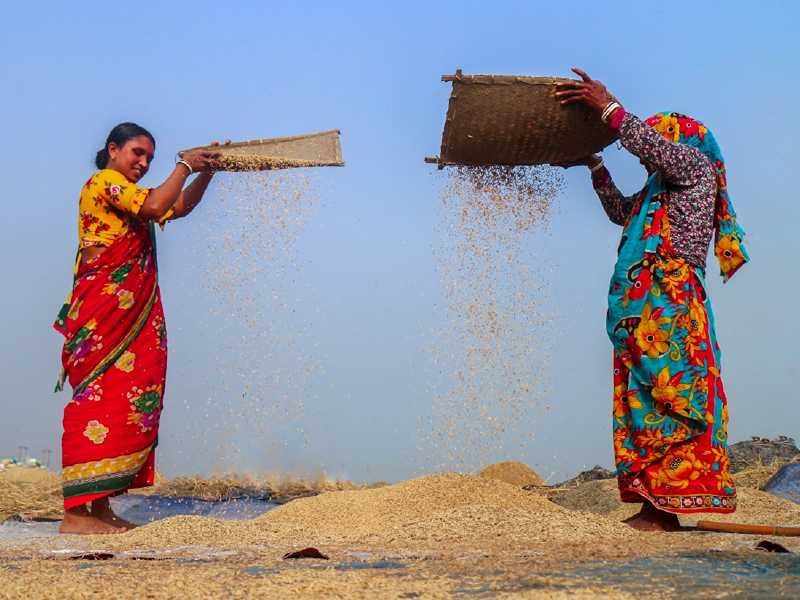
Farmers toil in the flood free and flood prone areas to prepare paddy seedbeds, while jute crops are reaped. The flooded area turns into a vast breeding ground for aquatic creatures, and hilsa, the favorite fish of Bangladesh, swarms through the river water. National flowers such as the lotus blossom in wetlands along with other flowers like keya, kadam, kamini, jui, and gandharaj amid pouring rains.
Immersive Experience
No 360° Videos available
Destination Gallery