Dhamrai Metal Craft
Lost-wax casting, brasswork, and bell-metal artistry
Sculpted by Fire and Hand. A Living Tradition of Bengali Metalwork.
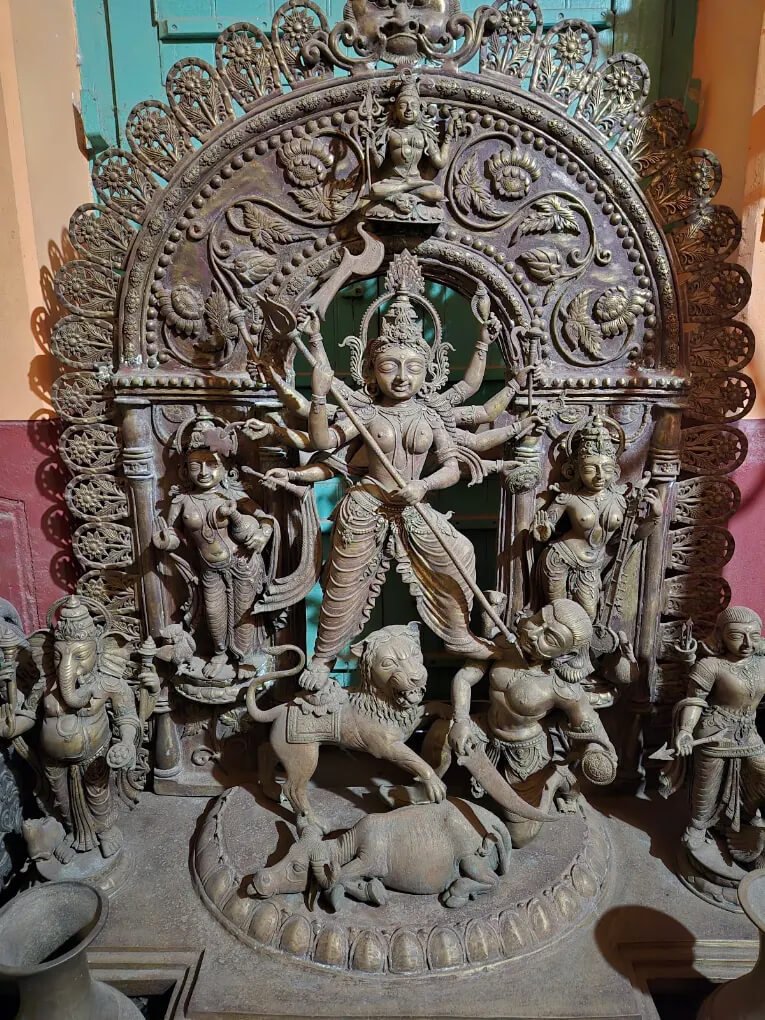
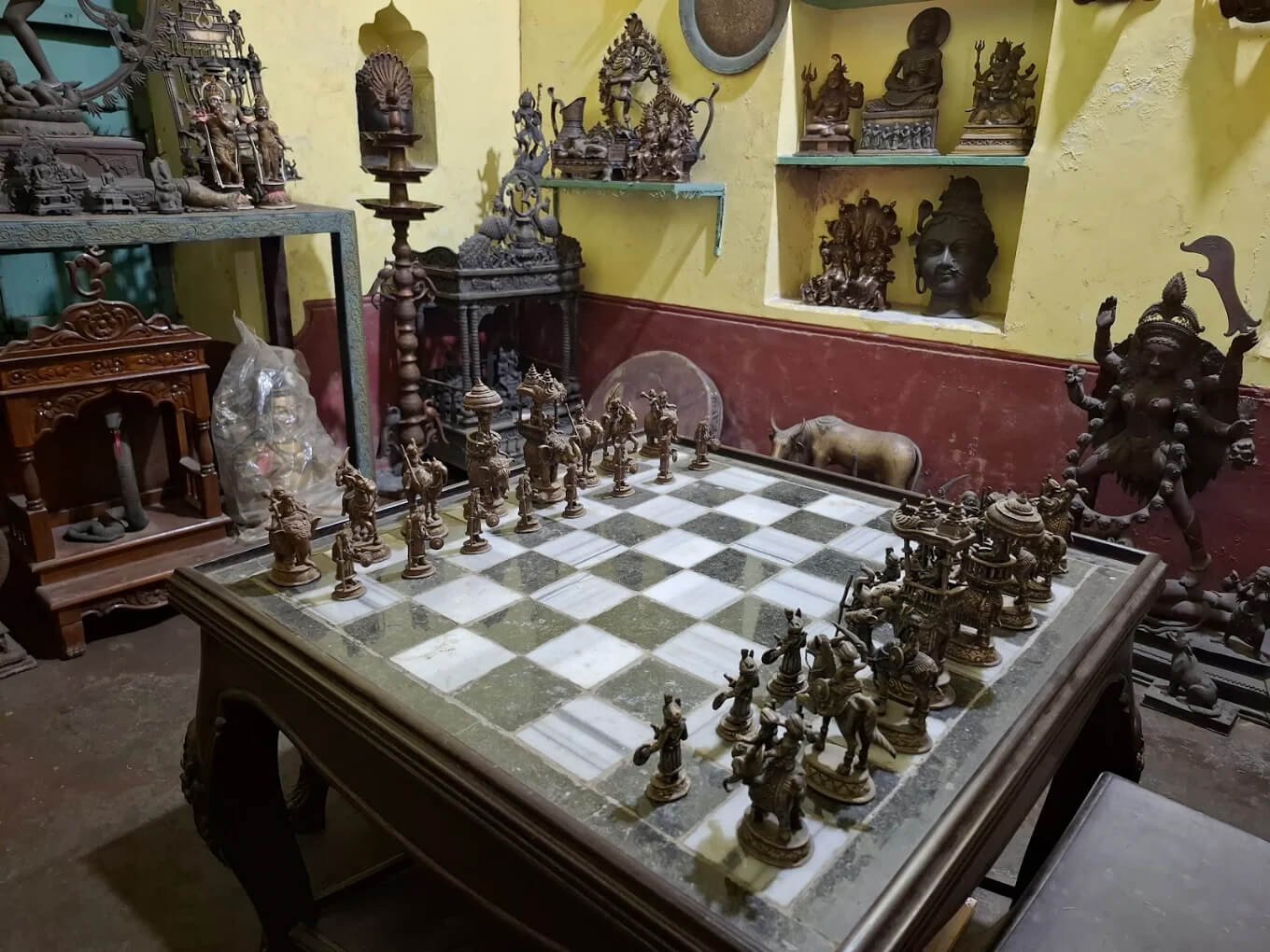
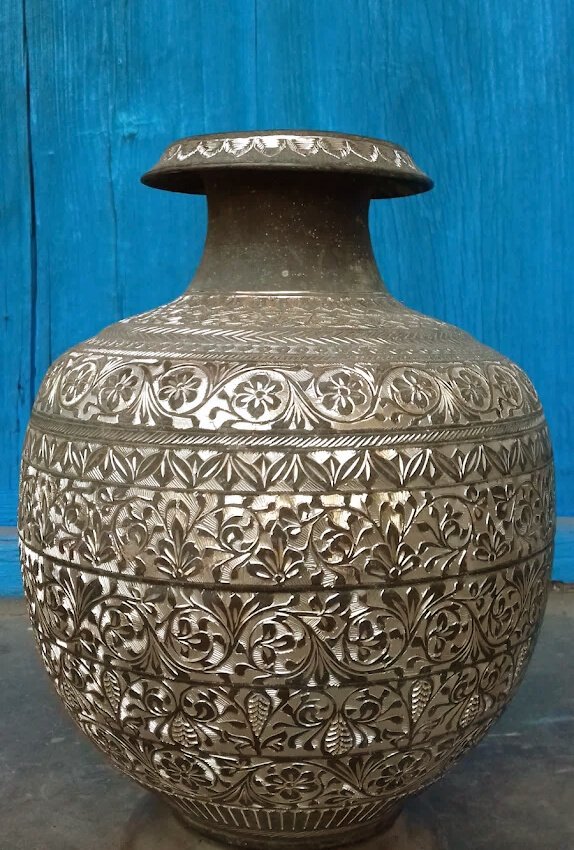
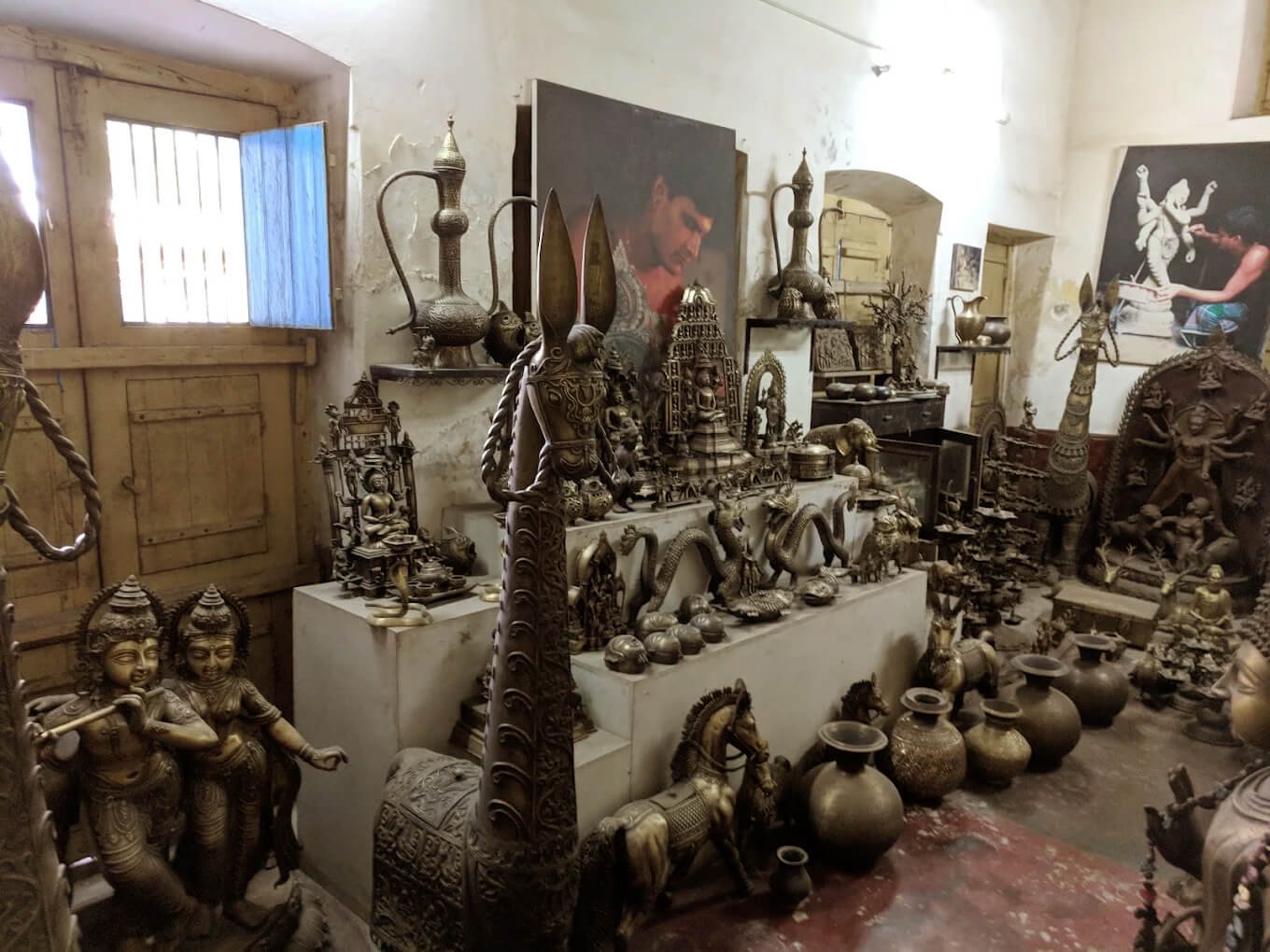
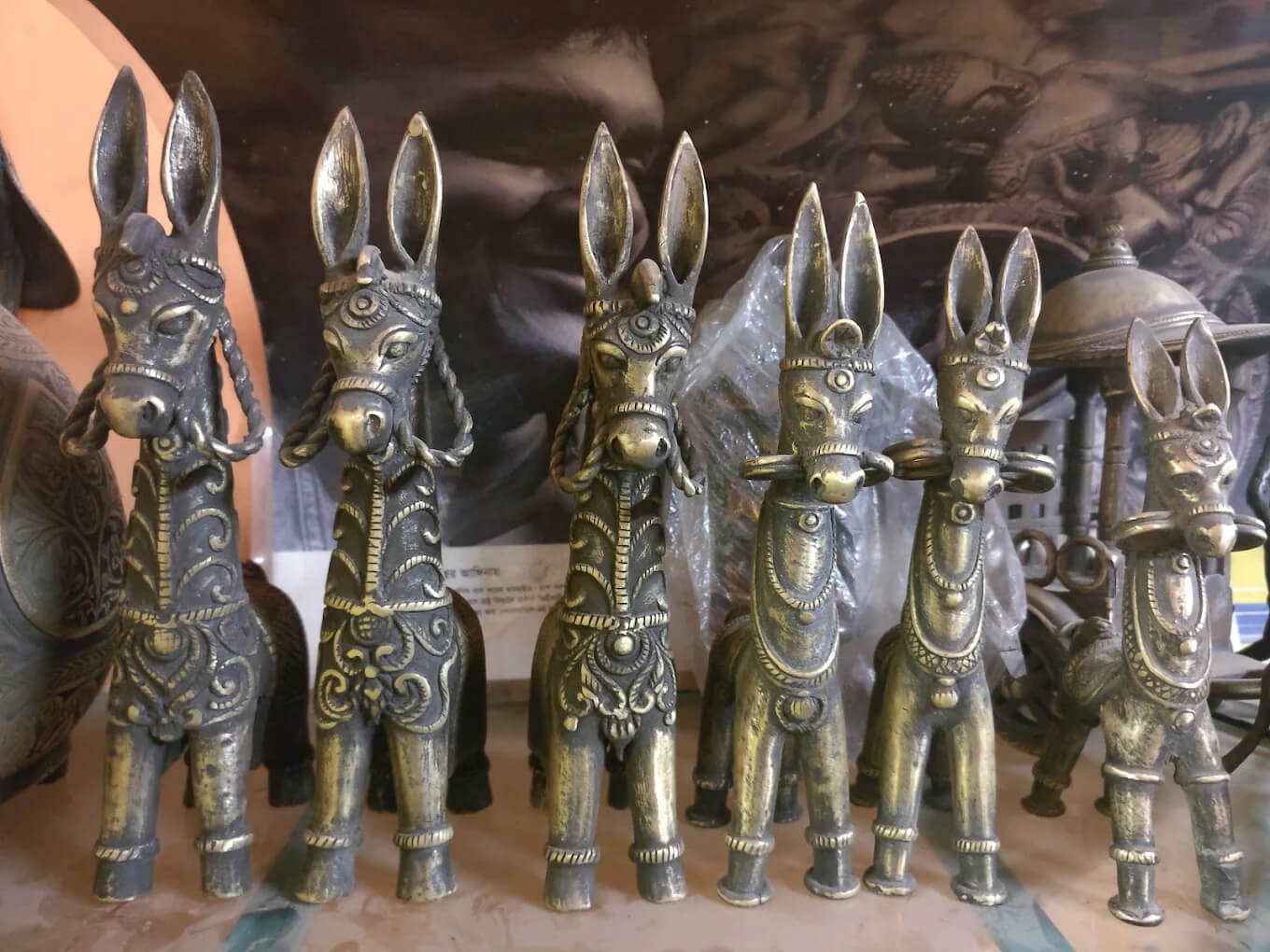
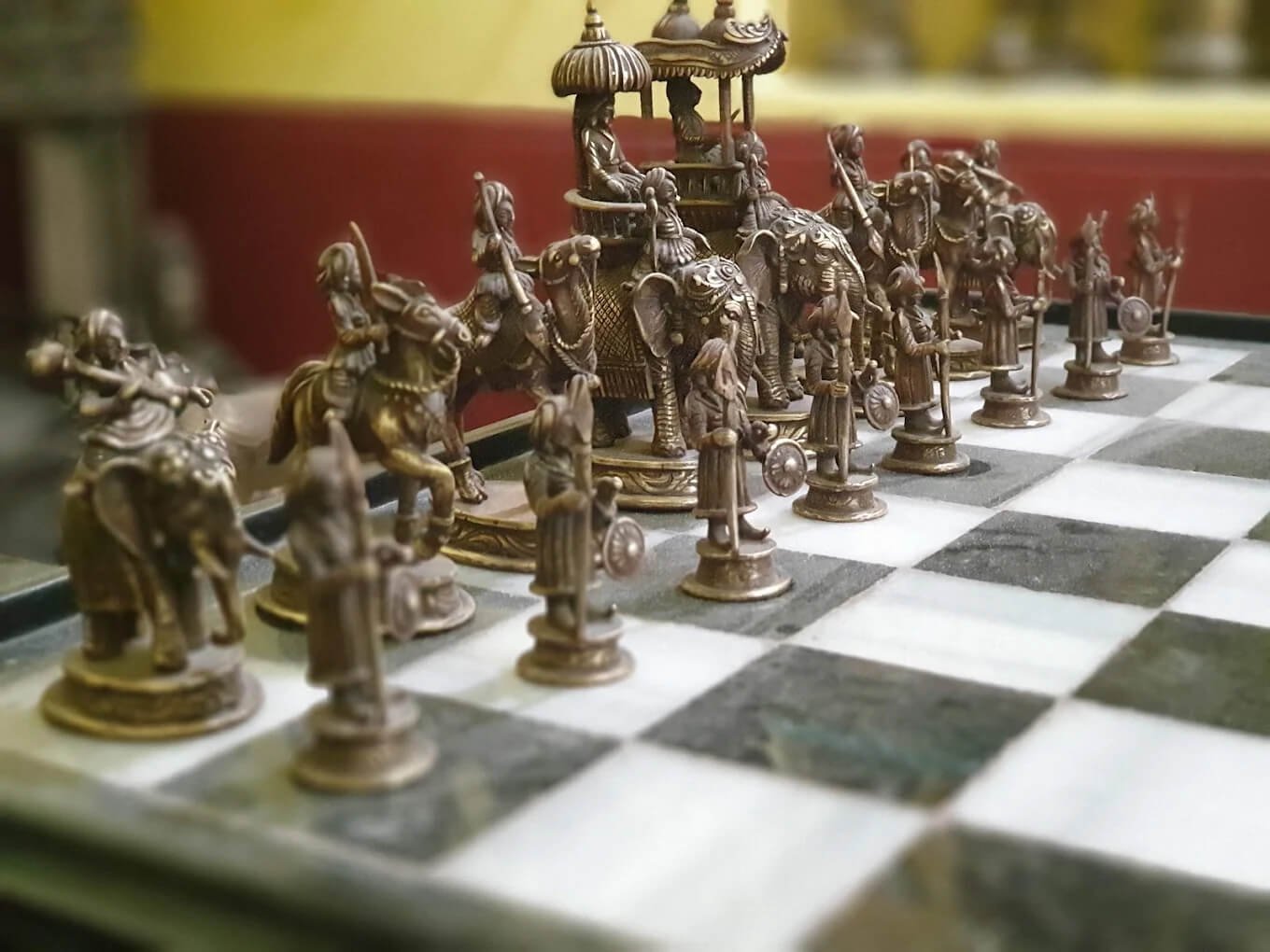
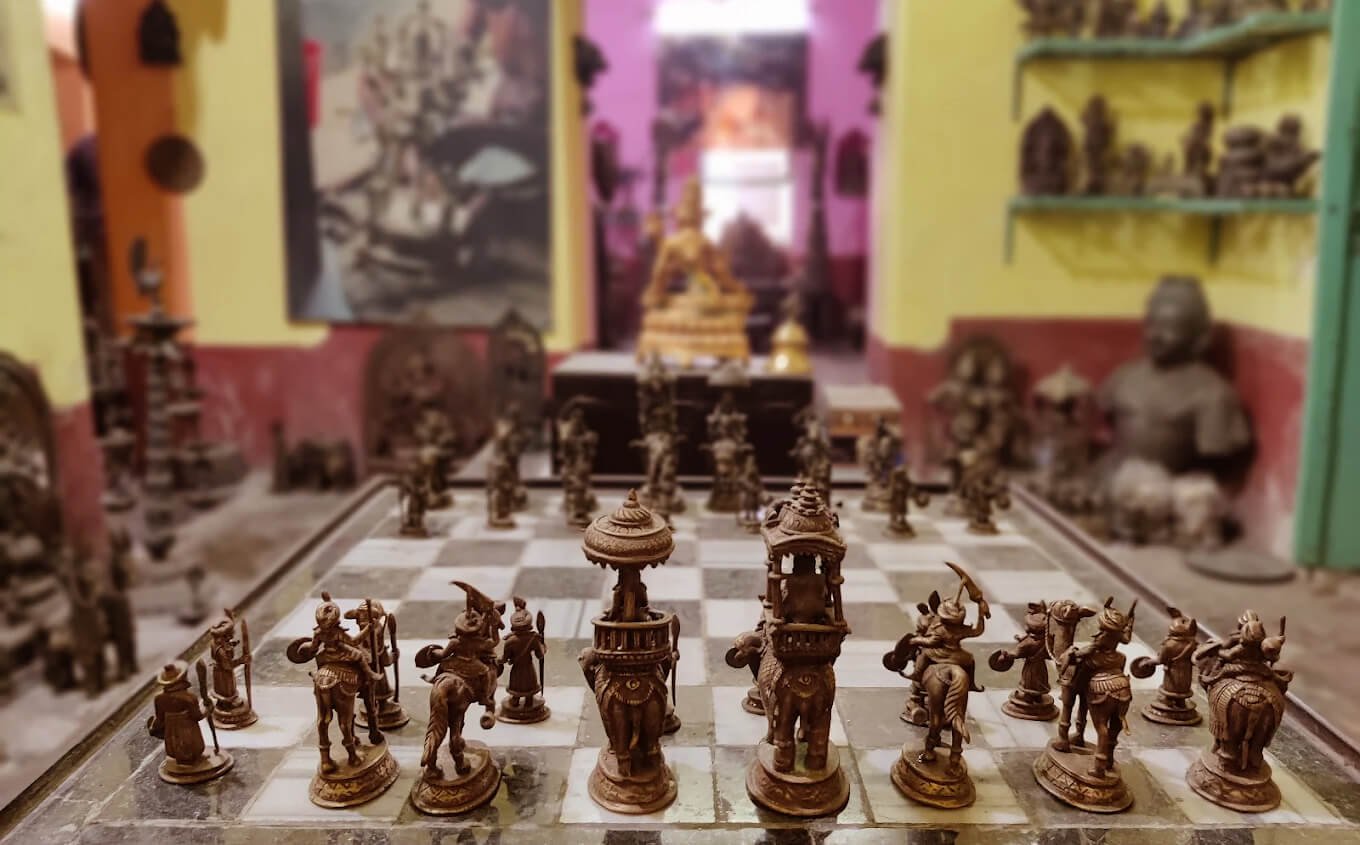
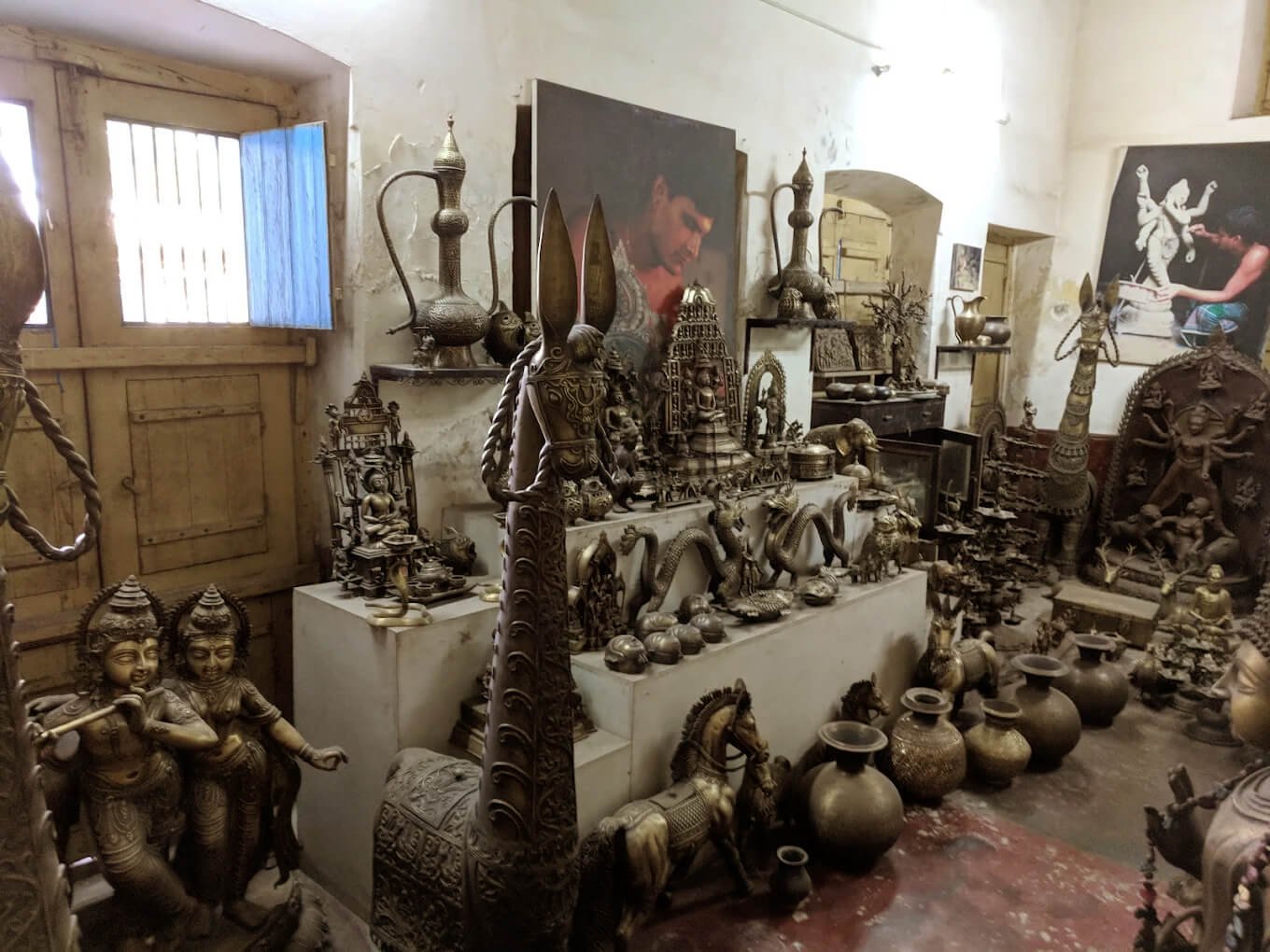
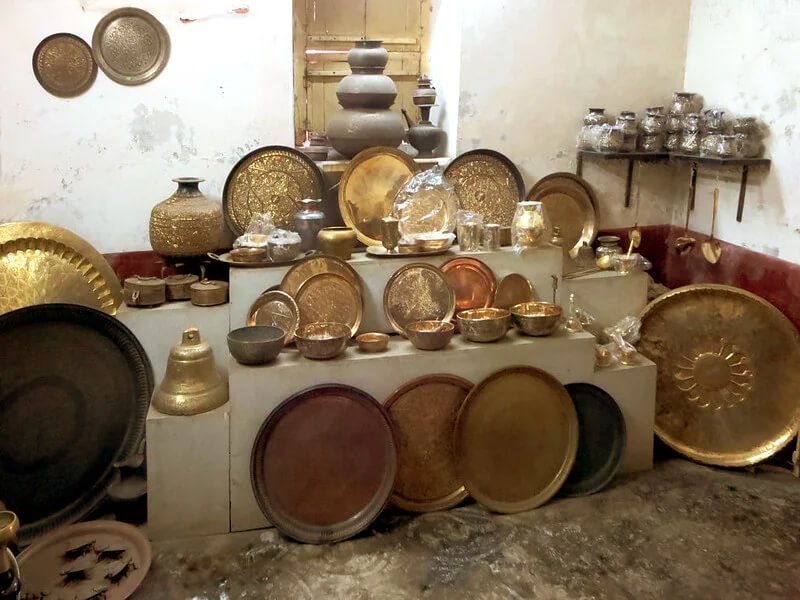
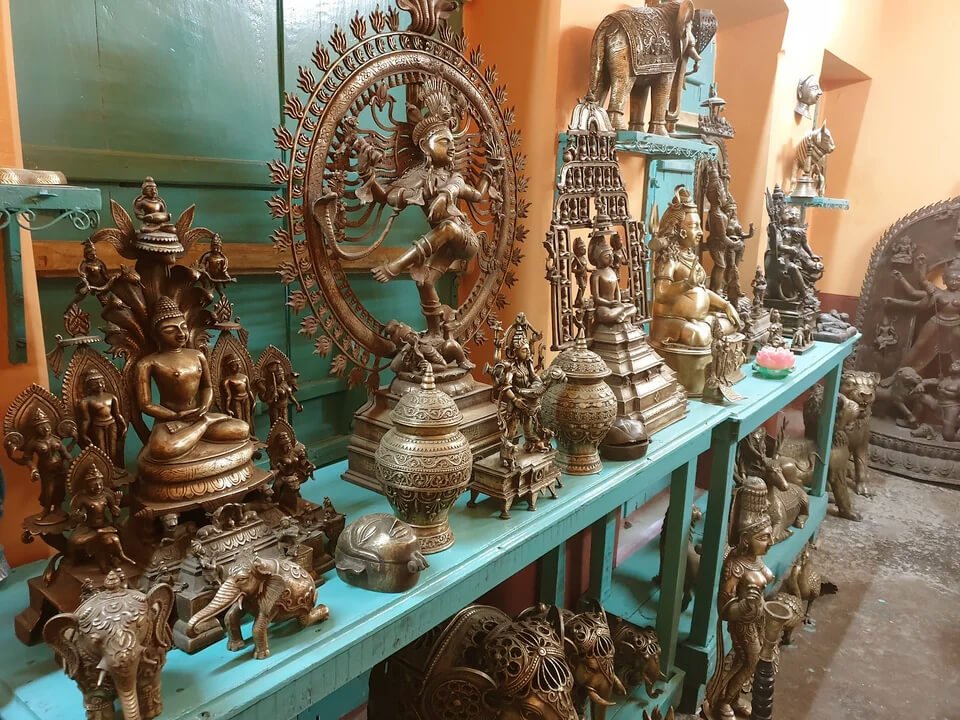
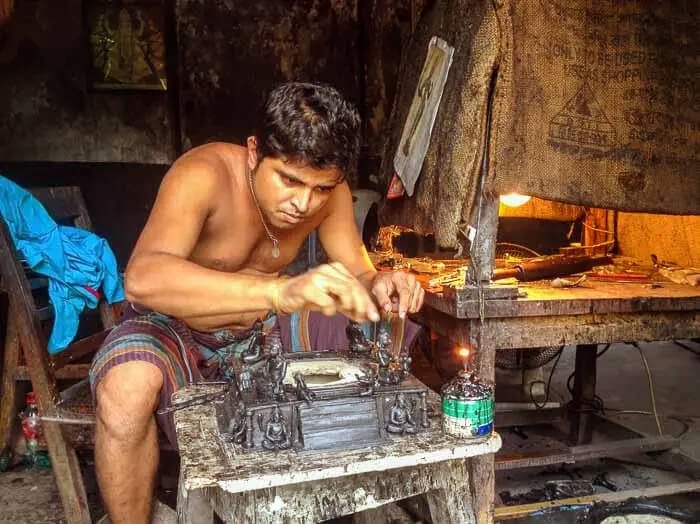
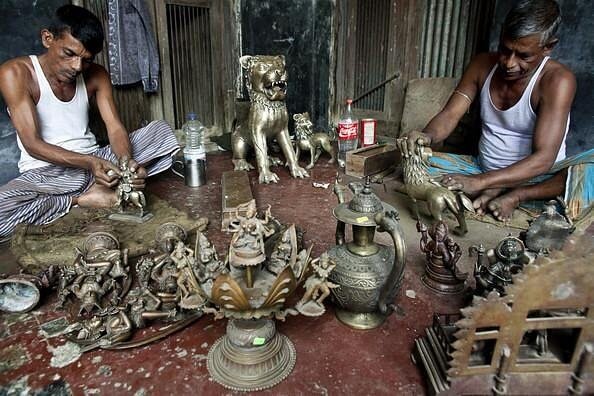
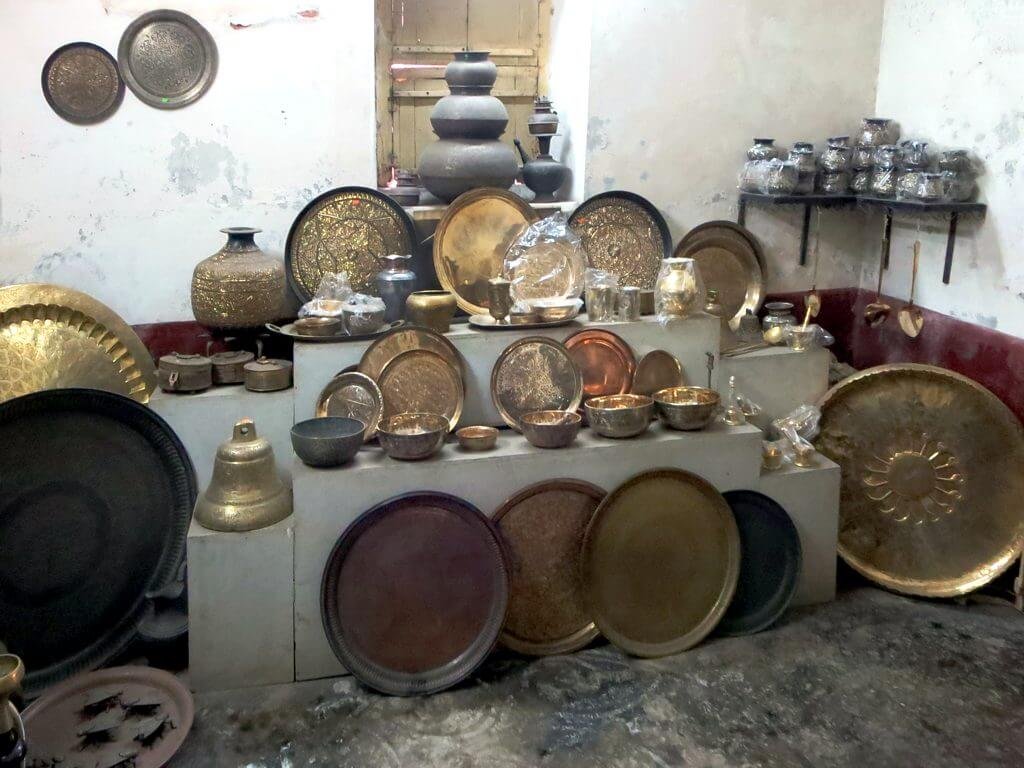
Dhamrai preserves one of Bangladesh's most important traditions of brass, bronze, and bell-metal craftsmanship. Generations of metalworkers have produced sculptures, ritual objects, utensils, bells, decorative pieces, and household items through highly skilled manual processes.
Artisans use several metalworking methods. Banglapedia documents casting, hammering, and related techniques in Bangladesh and specifically identifies Dhamrai as an important center of both open-mold and lost-wax casting.
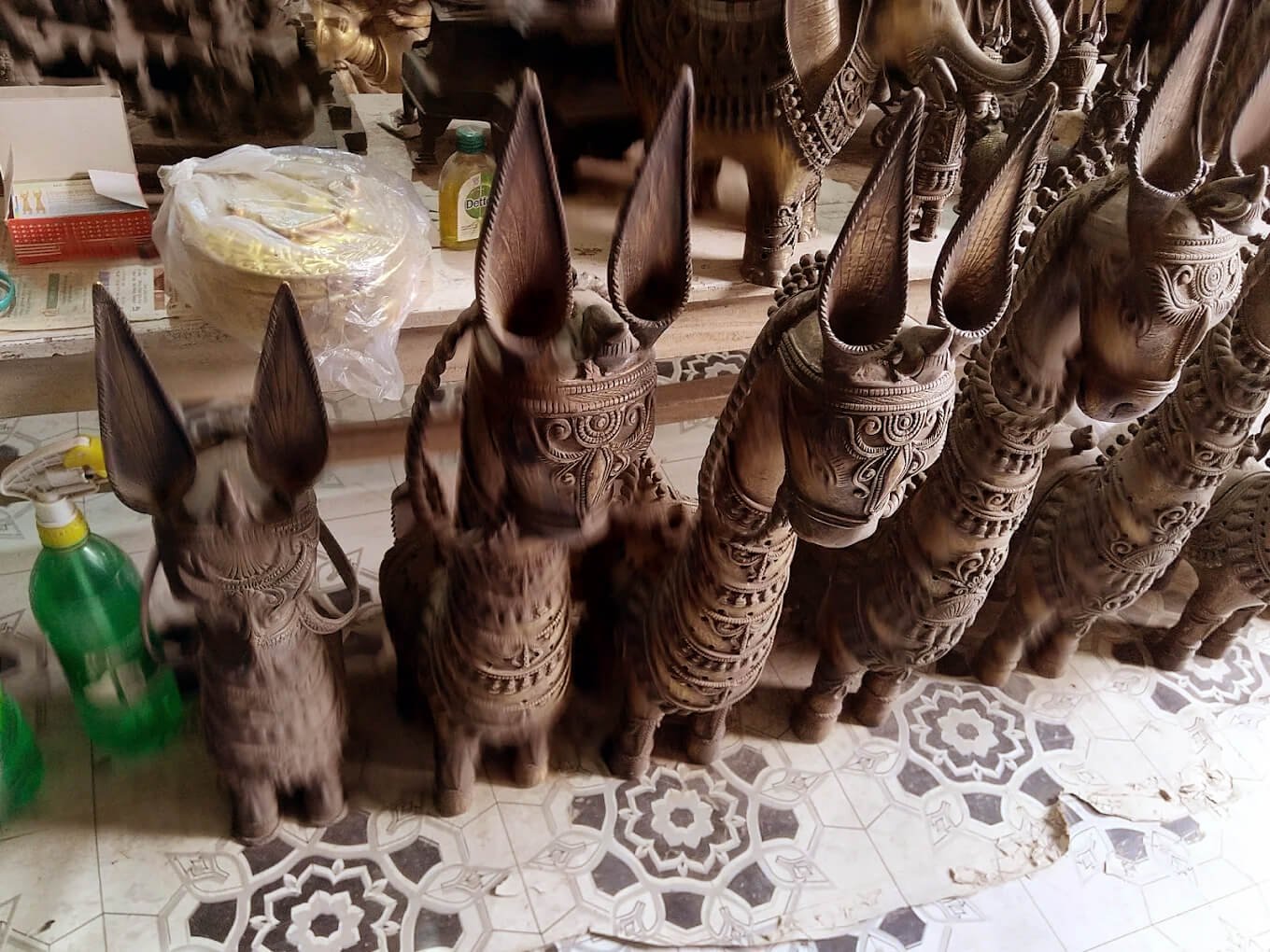
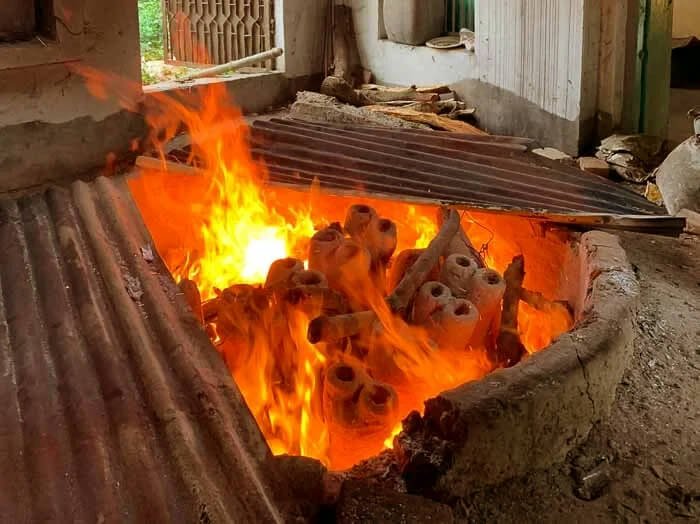
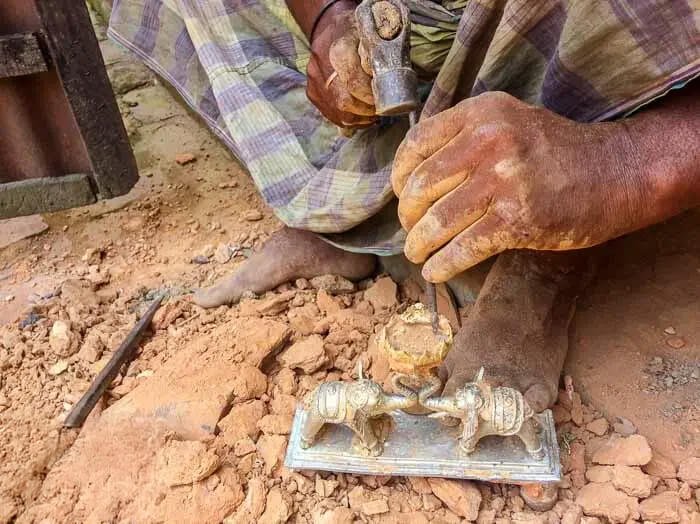
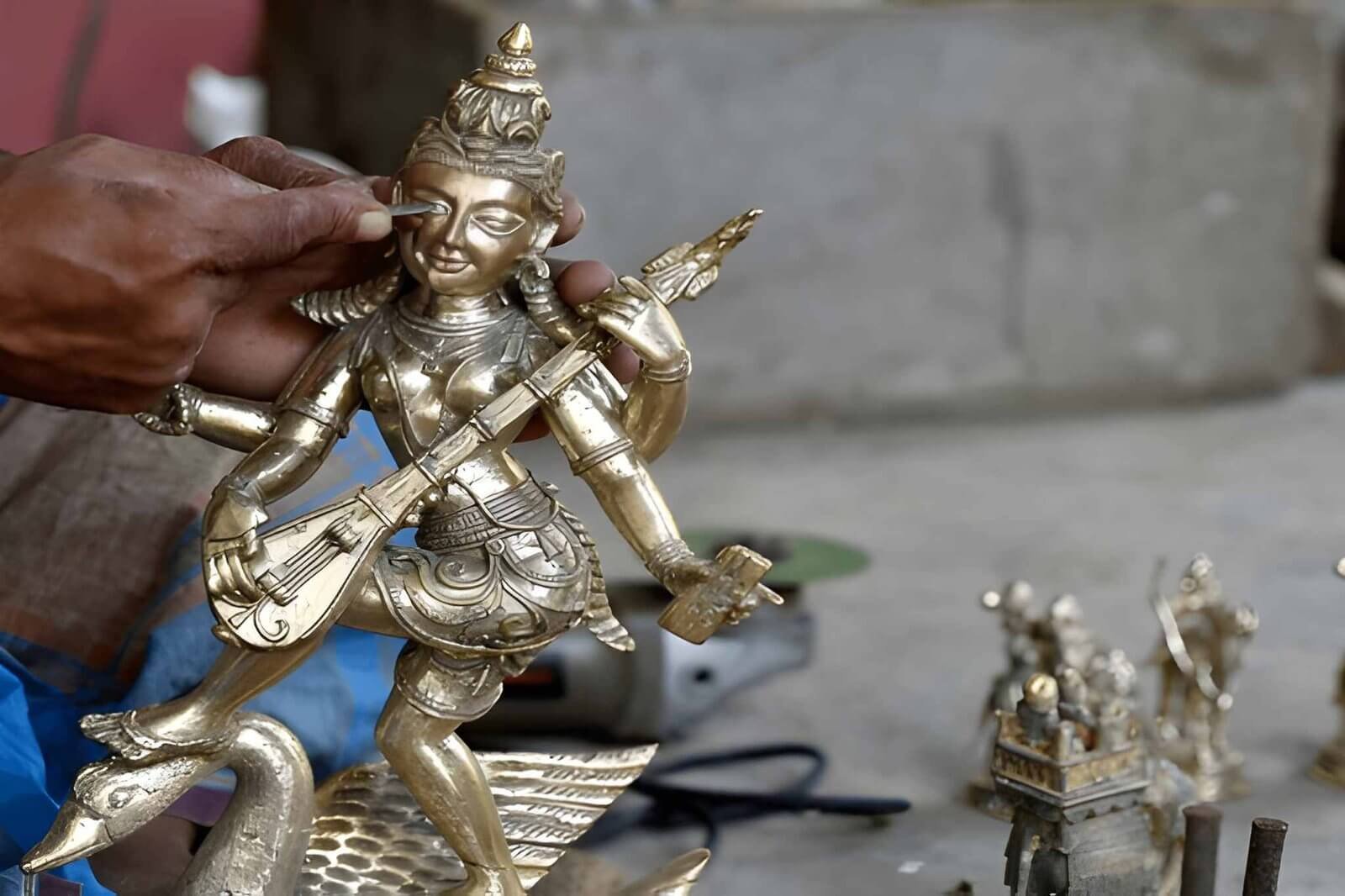
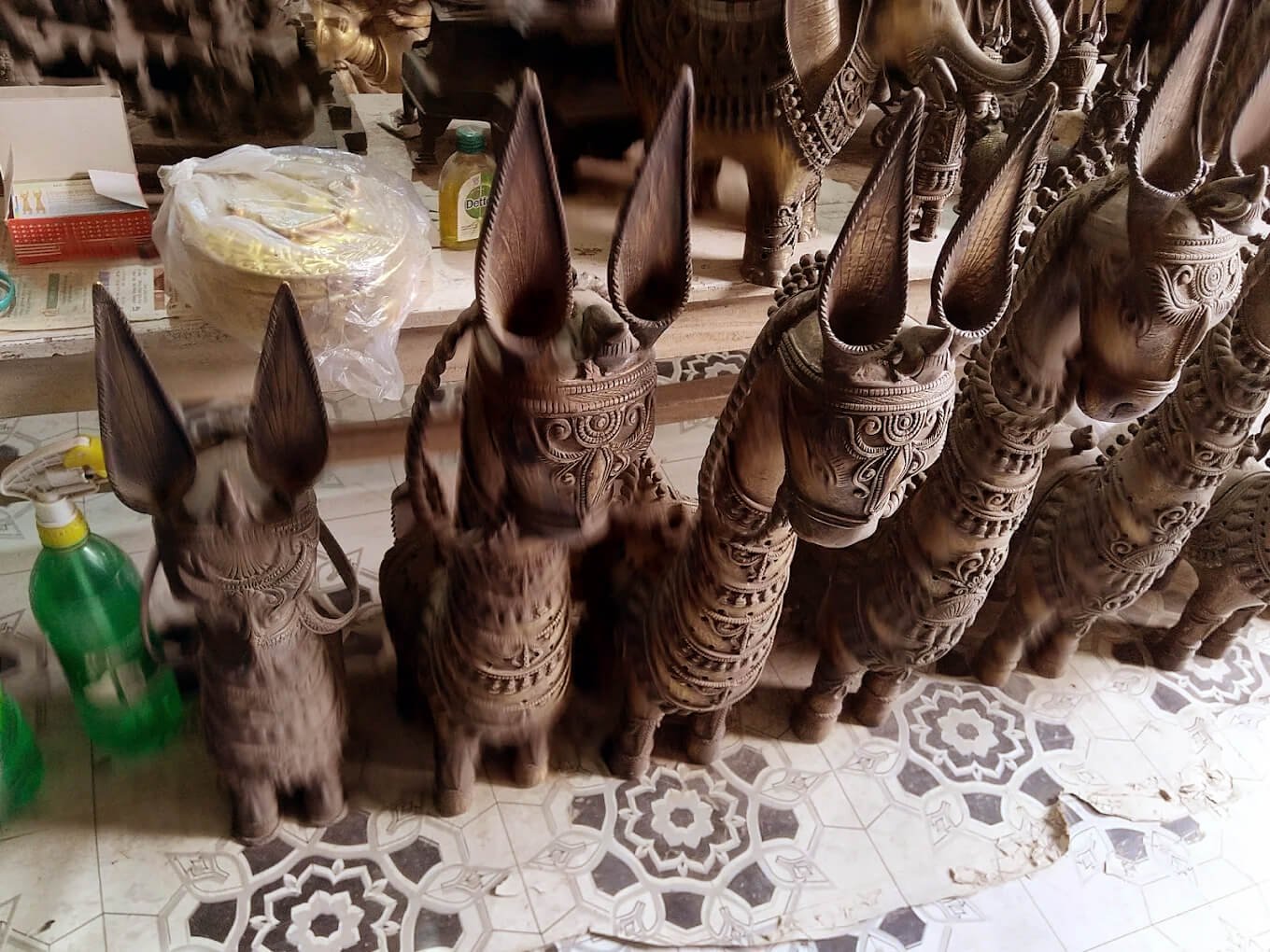
The lost-wax process allows an artisan to create highly detailed forms. The craftsperson first shapes the desired object in wax and covers it with carefully prepared clay. Heating the mold removes the wax and creates a hollow cavity. The artisan then pours molten metal into that space. After the metal cools, the craftsperson breaks the mold and finishes the object through polishing, chasing, engraving, or other surface work.
This process can produce religious figures, animals, lamps, decorative sculptures, and other complex objects. Metalworkers also use hammering and casting techniques to produce plates, bowls, cups, bells, cymbals, and ritual utensils.
Bengal has a much older tradition of bronze and metal sculpture, including important works from the Pala and Sena periods. Contemporary Dhamrai craftsmanship belongs to this wider cultural history, but evidence does not support claiming an uninterrupted workshop lineage directly from the Pala dynasty to the present.
Modern Dhamrai faces a serious challenge. The number of traditional workshops has fallen sharply, and recent reporting describes aging artisans, rising costs, shrinking demand, and fewer young people entering the profession.
The craft remains alive, but its future depends on whether the knowledge can continue to move from experienced artisans to another generation.
Immersive Experience
No 360° Videos available
Destination Gallery