

Cumilla Khadi
Handmade heritage, patient skill and a living design tradition from Cumilla.
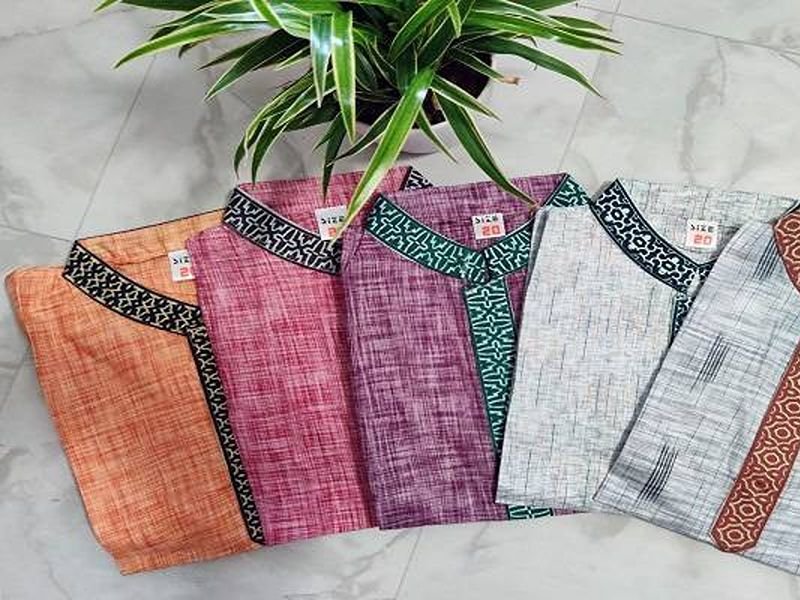
Follow the hands behind Cumilla Khadi and meet a craft that still moves to the rhythm of the loom.
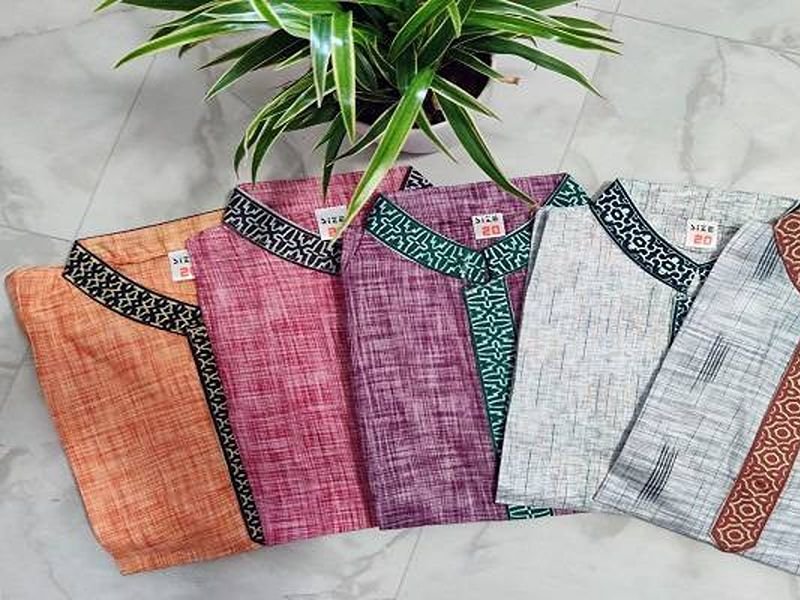
For decades, the district of Cumilla has been synonymous with a simple, honest style of textile production known as Khadi. During the early 20th century, amidst the nation’s struggle for independence, the Khadi movement emerged as a powerful way to promote self-reliance. Local leaders encouraged rural communities to spin their own cotton and weave their own cloth, reducing the reliance on imported industrial fabrics. Today, while it has evolved to fit modern tastes, the core philosophy remains unchanged. It is a humble, handmade fabric that honors the hard work of rural weavers and represents a deeply significant part of the region’s historical identity. The production of Khadi is a slow, manual process that prioritizes quality and ethics over mass-market speed.
It begins with raw cotton, which is cleaned and hand-spun into yarn using a traditional spinning wheel, or charkha. Once the yarn is prepared, weavers interlace the threads on hand-operated wooden looms. Because the entire process is done by hand, the resulting fabric has a slightly coarse, rustic texture that is impossible to replicate with factory machines. This natural texture allows the material to breathe exceptionally well, making it incredibly comfortable to wear, especially in the humid heat of the country. It is durable, gets softer with every wash, and is known for its skin-friendly, organic quality. In terms of design, modern Khadi has come a long way from the plain, off-white fabrics of the past.
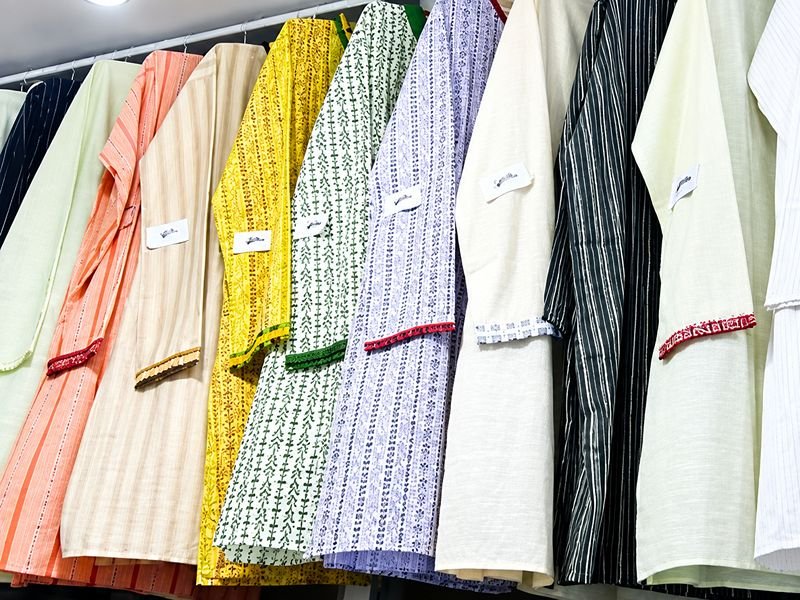
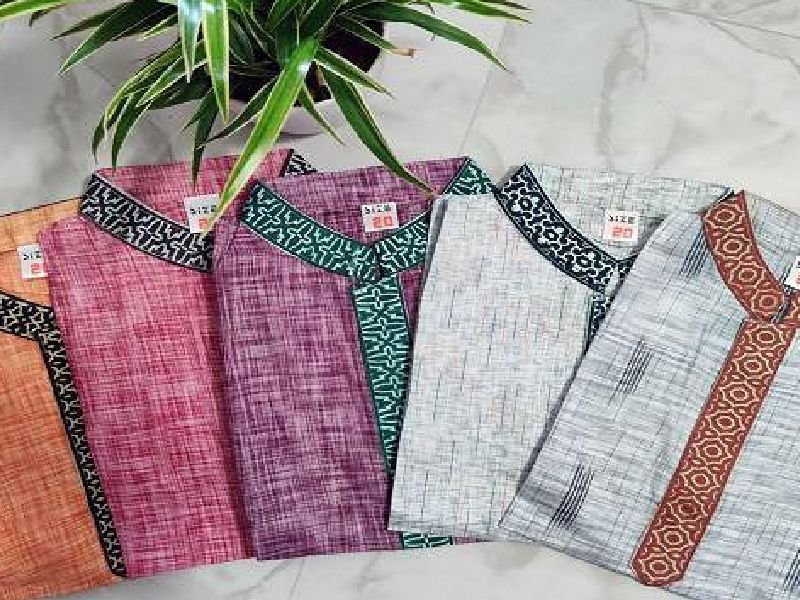
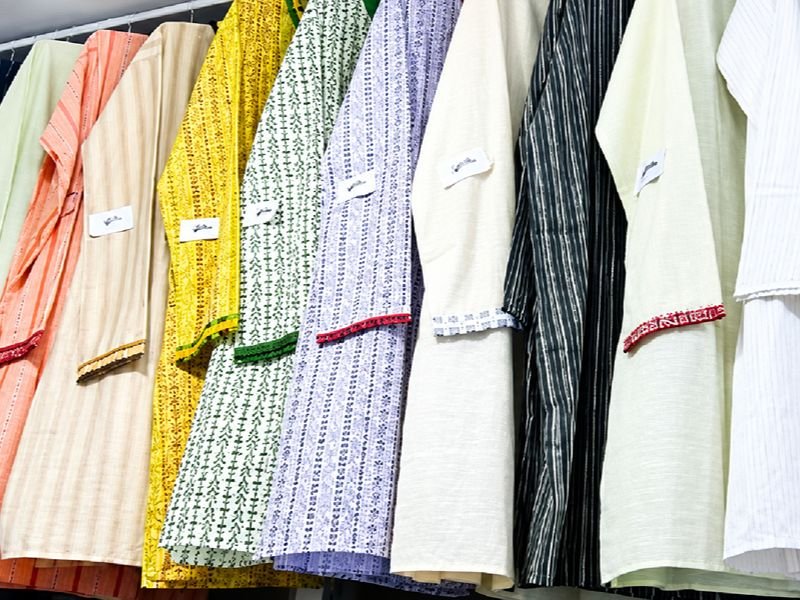
While the traditional unbleached look remains a popular classic, artisans now use natural vegetable dyes to create a wide spectrum of colors. The fabric is crafted into everyday clothing like comfortable panjabis, sarees, shirts, and shawls. Furthermore, many contemporary designers now incorporate intricate hand-embroidery or block prints onto the base, turning simple items into stylish, wearable art. Because it is produced locally in small batches, no two pieces are exactly the same, which gives every single garment its own individual character. Supporting the Khadi industry is more than just a fashion choice; it is a way to sustain the livelihoods of thousands of skilled rural artisans.
Immersive Experience
No 360° Videos available
Destination Gallery
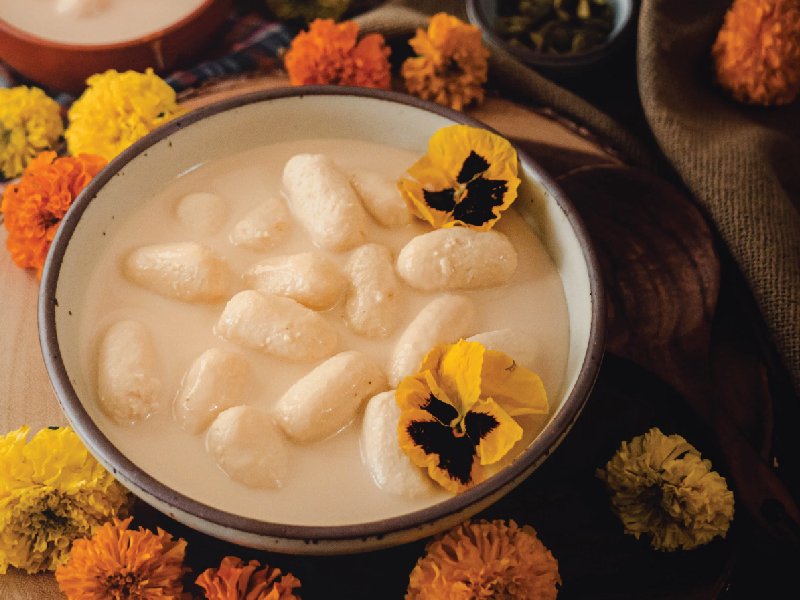
Cumilla Rosh Malai
A celebrated local taste shaped by skilled makers and the food culture of Cumilla.
Explore More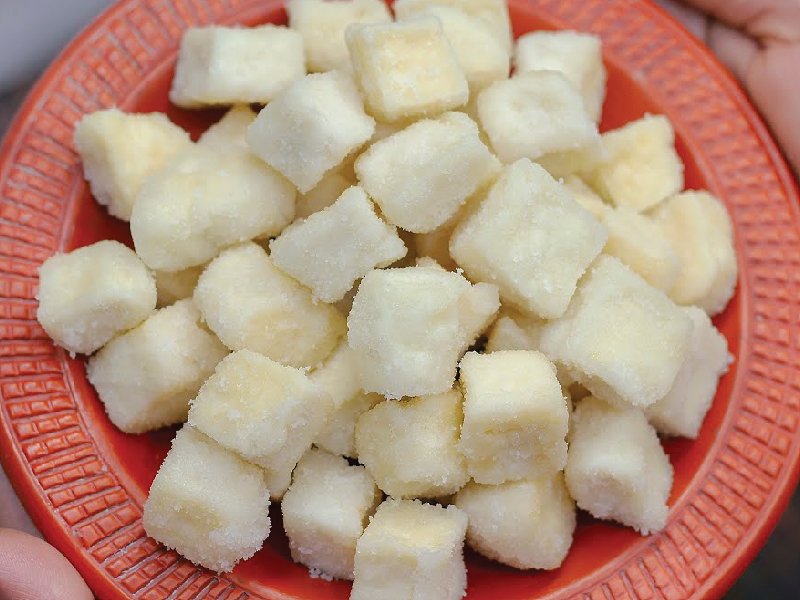
Brahmanbaria Chhanamukhi Mishti
A celebrated local taste shaped by skilled makers and the food culture of Brahmanbaria.
Explore More