Culture of Old Dhaka
A living museum of history and vibrant traditions
The Ancestral Heartbeat of the Capital.
Where Heritage, Culinary Magic, and Fierce Pride Collide.
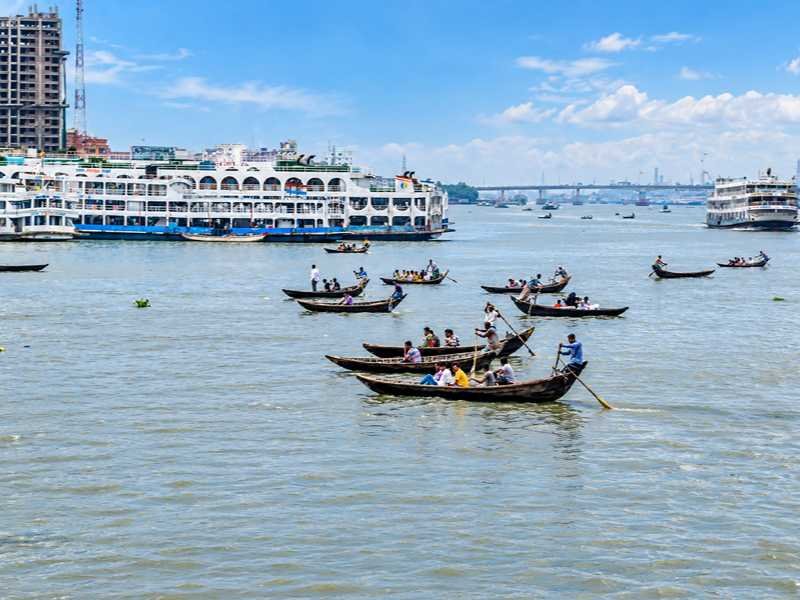
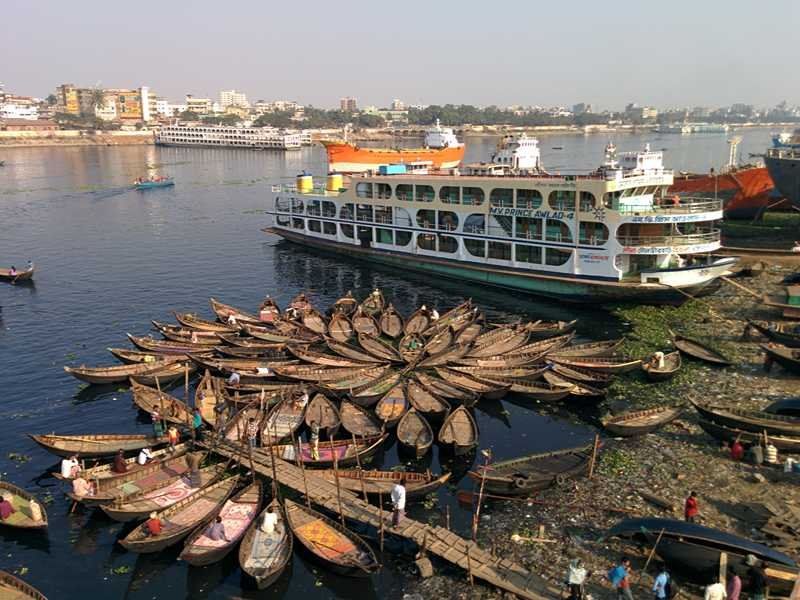
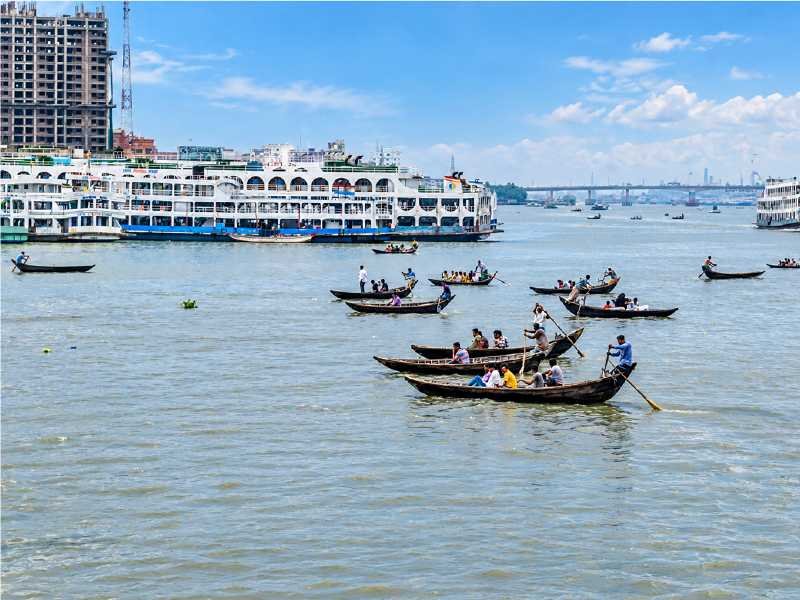
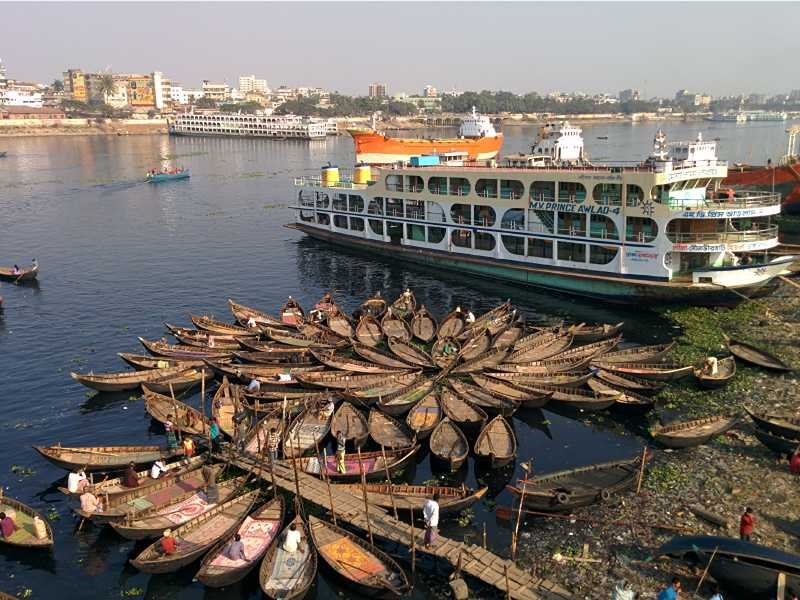
Old Dhaka stands as a living museum of history, culture, and vibrant traditions. This ancient part of the capital retains a distinct identity that starkly contrasts with the modern developments of the newer neighborhoods. The architecture tells stories of the Mughal and colonial eras. Intricately designed mosques, old mansions, and bustling market squares dominate the densely packed landscape. The narrow winding streets, known as golis, form a complex maze. These alleys pulse with chaotic but fascinating energy. Rickshaws, pedestrians, and hand-pulled carts constantly negotiate for space.
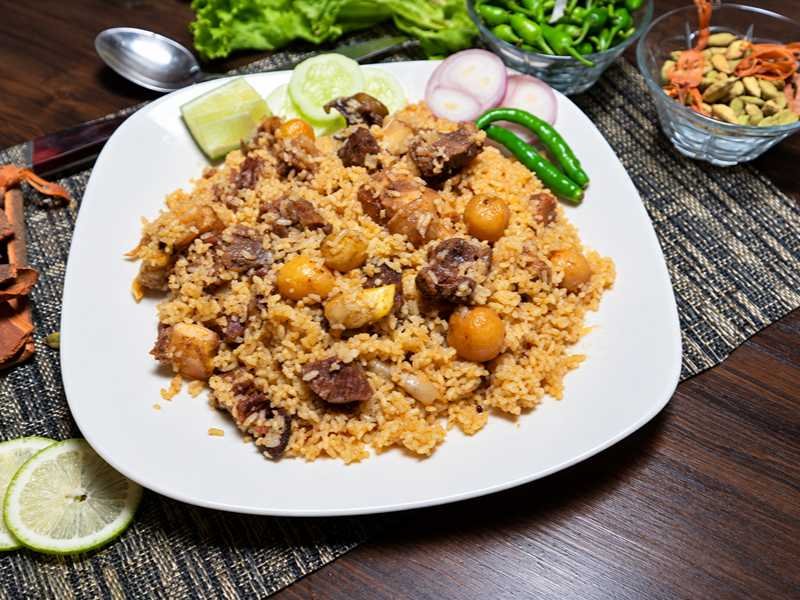
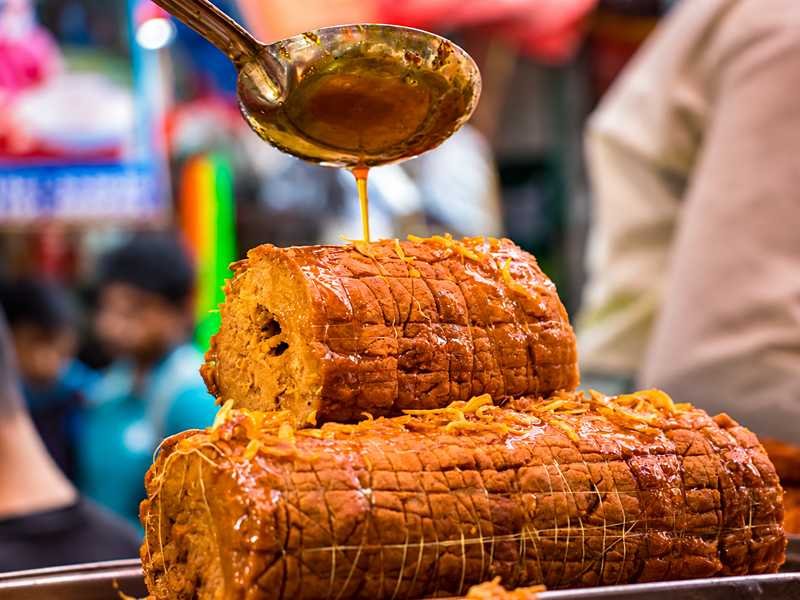
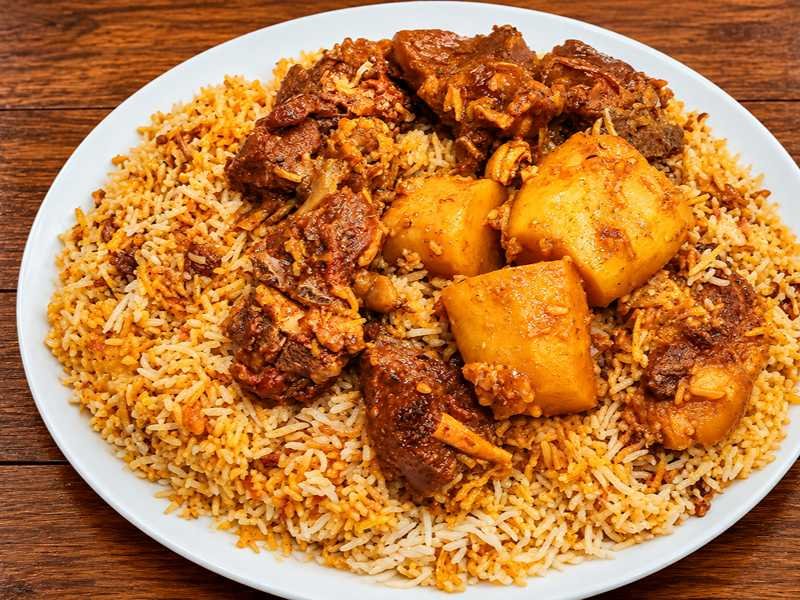
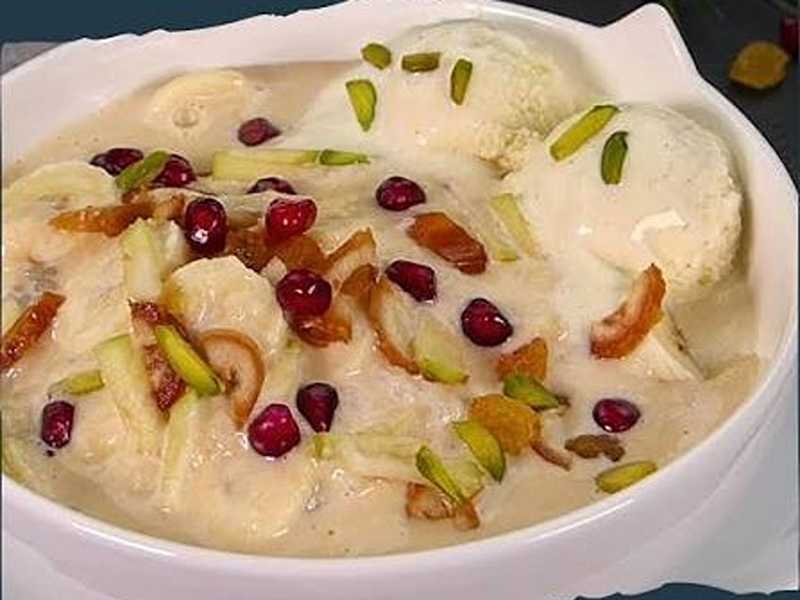
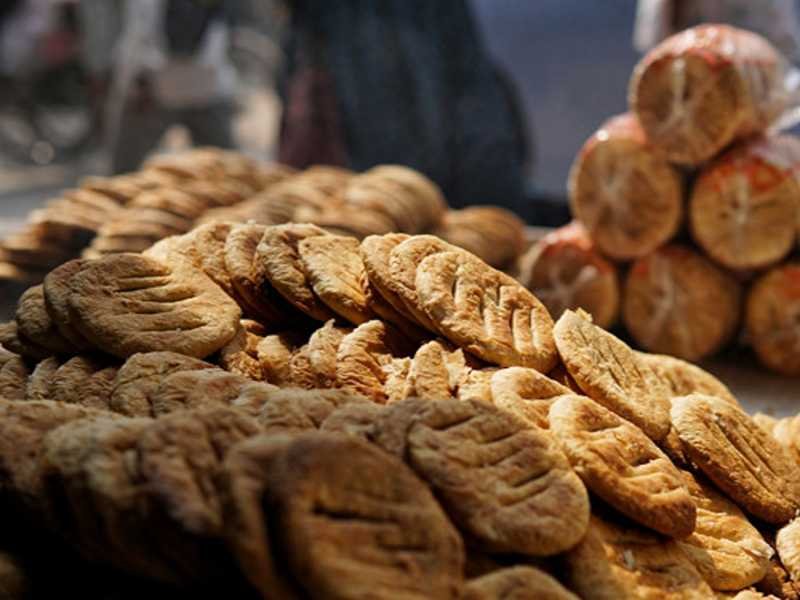
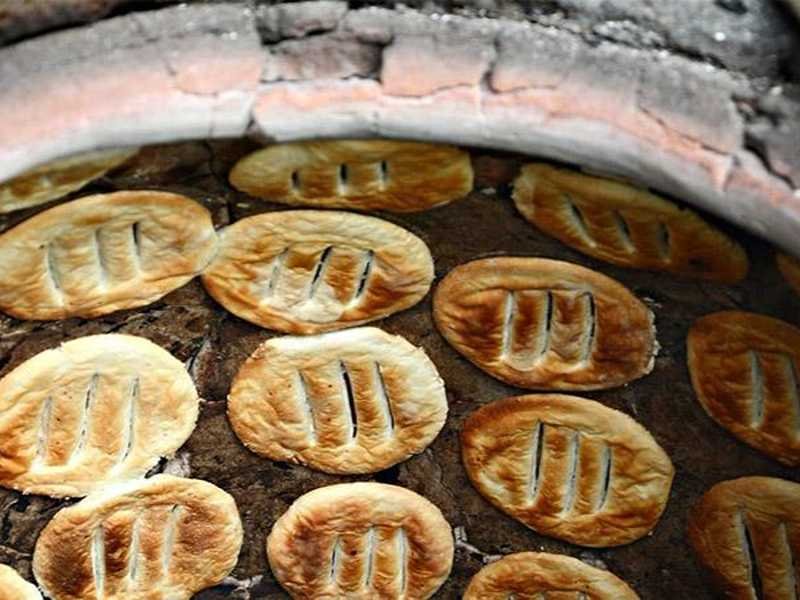
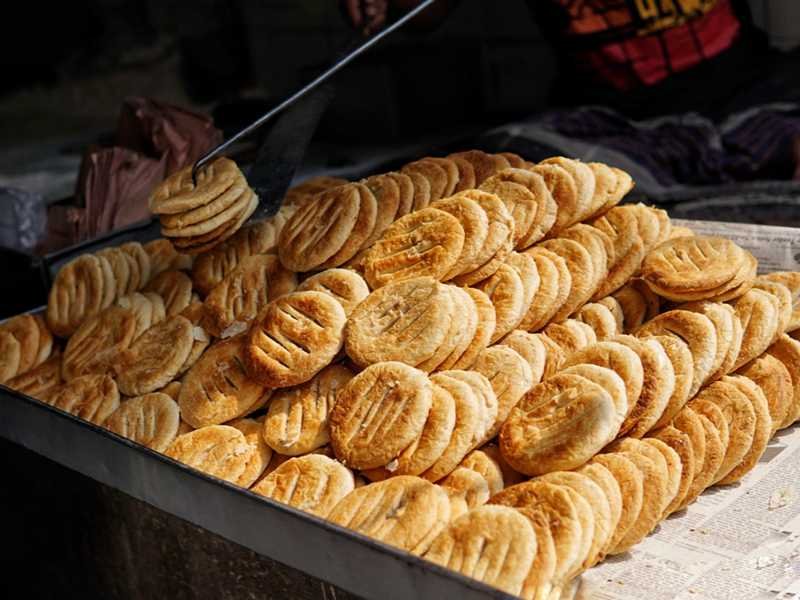
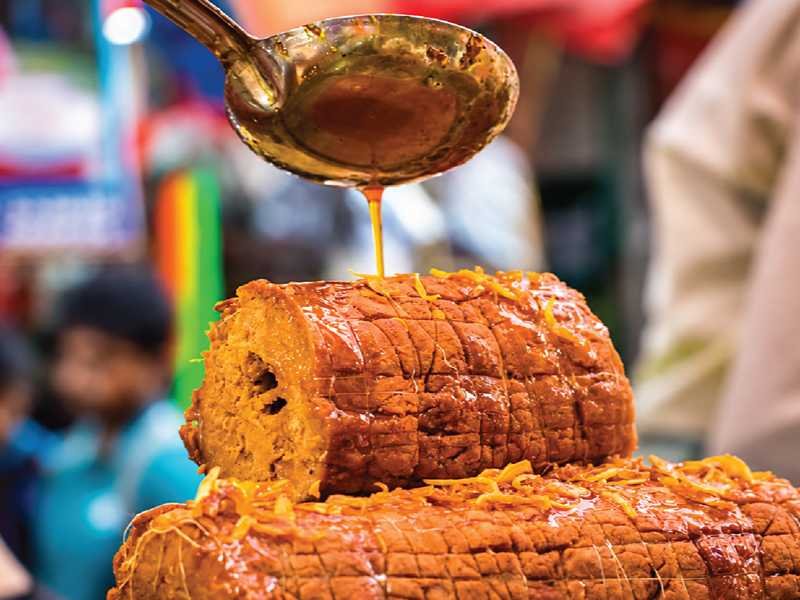
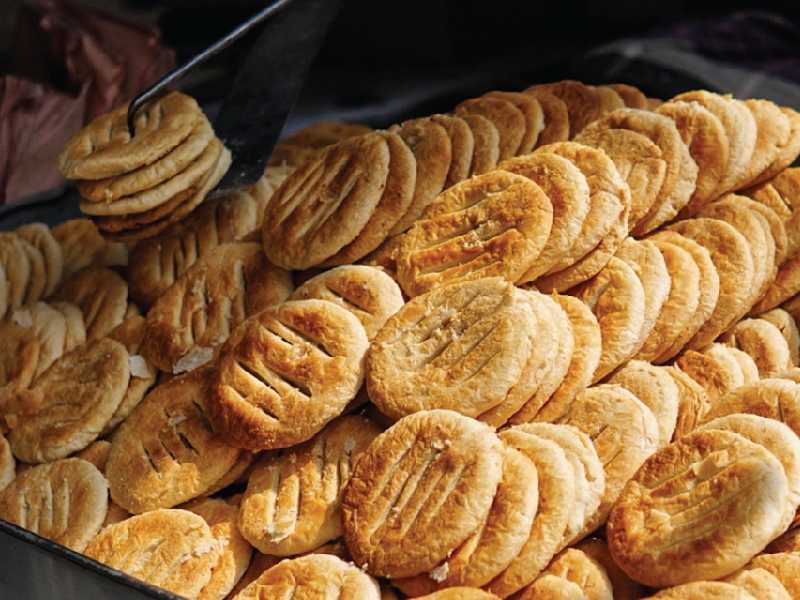
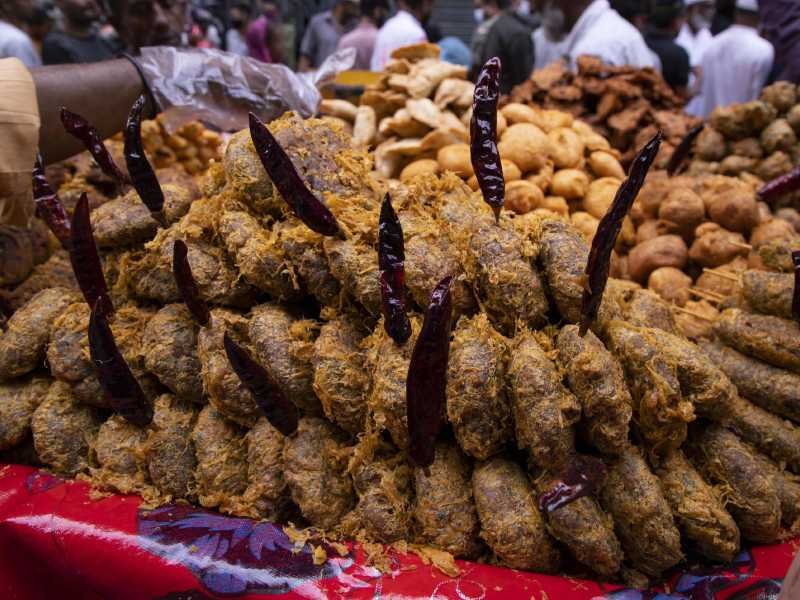
The residents of Old Dhaka, locally called Dhakaiyas, possess a unique cultural pride. They speak a distinct dialect of Bengali that features a unique rhythm and vocabulary. This tight-knit community values hospitality above all else. Neighbors treat each other like extended family, and doors remain open to visitors throughout the day. The culinary culture of Old Dhaka is legendary and attracts food lovers from across the country. Historic eateries serve incredibly rich and aromatic dishes like Kachchi Biryani, Bhuna Khichuri, and specialized kebabs. Vendors sell traditional sweets like Bakarkhani and glass-bottled flavored drinks on every street corner. Eating here is not just a necessity; it represents a deeply celebrated social ritual.
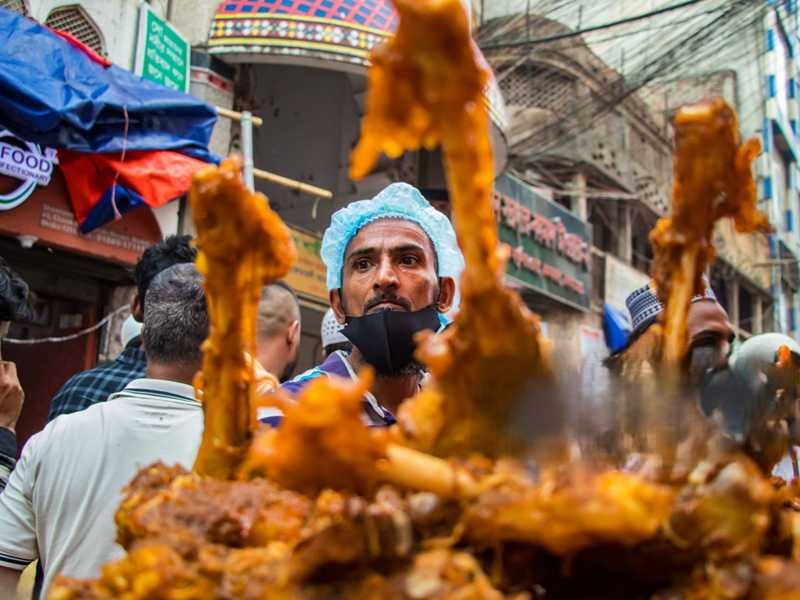
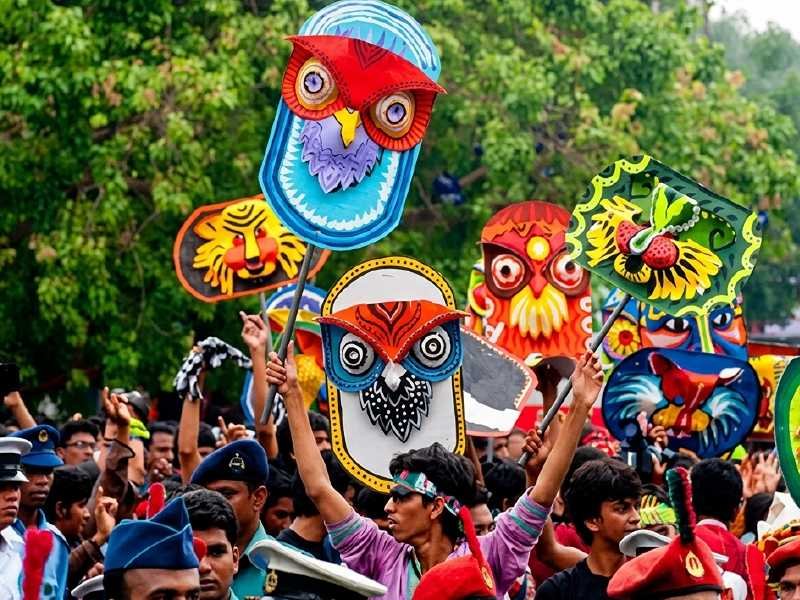
Festivals take on a magnificent scale in this part of the city. During Ramadan, the Chawkbazar area transforms into the largest traditional Iftar market in the country. The air fills with the heavy scent of roasted meats and fried delicacies. The celebration of Shakrain, the traditional kite festival, showcases the playful spirit of the residents. Thousands of people gather on the rooftops to fly colorful paper kites, play loud music, and launch spectacular fireworks into the night sky.
Old Dhaka operates on a deeply personal economic system. Traditional wholesale markets, like Moulvibazar and Islampur, drive the national trade in spices and textiles. Business deals often rely on long-standing personal trust rather than formal contracts. Despite the extreme overcrowding and infrastructural challenges, the people maintain a fierce loyalty to their ancestral neighborhoods. The culture of Old Dhaka remains a vibrant, loud, and incredibly flavorful heartbeat at the center of the nation.
Immersive Experience
No 360° Videos available
Destination Gallery