

Coconut in Satkhira
Travel the southwestern coast beneath palms that turn water, kernel and fibre into livelihood.
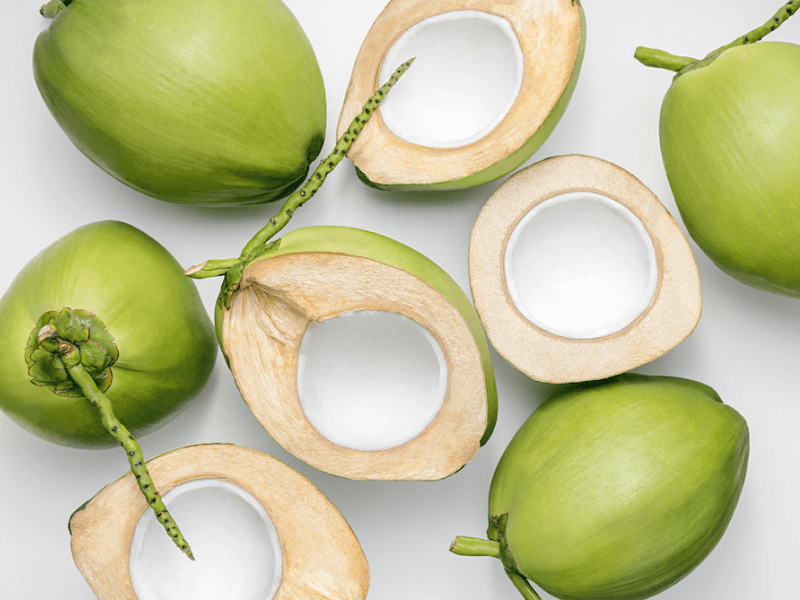
Drink fresh dab where coastal roads run under coconut crowns.
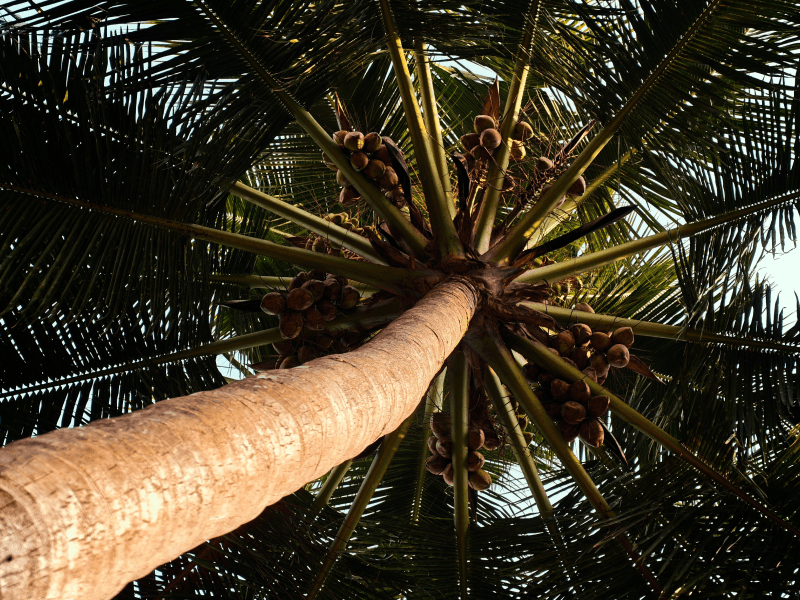
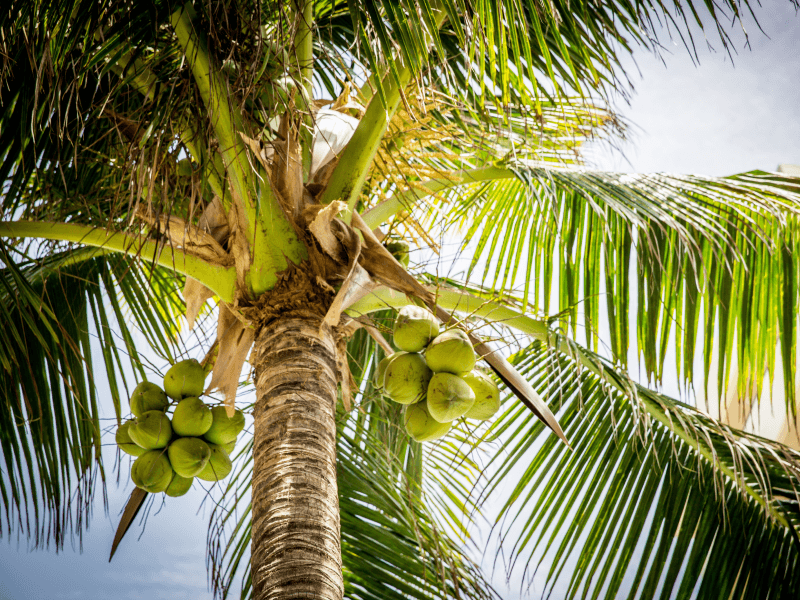
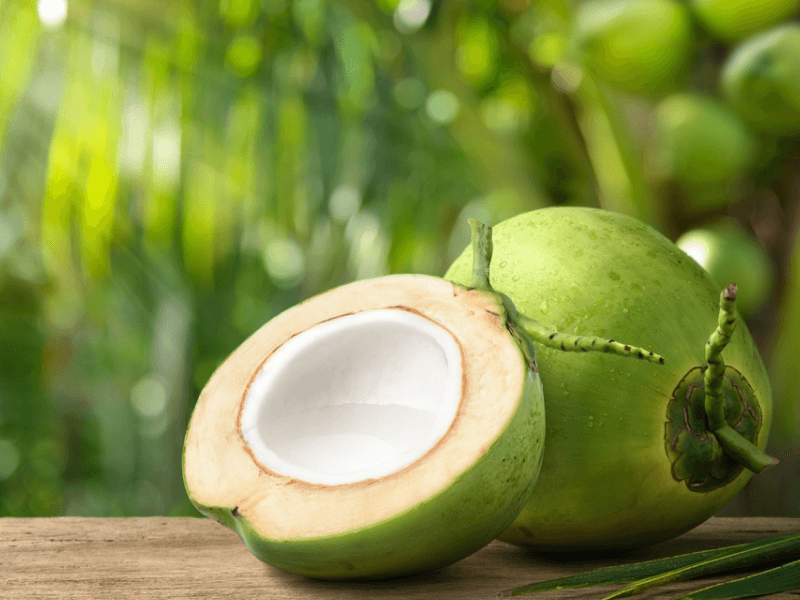
Coconut palms are part of Satkhira's everyday coastal scenery, rising above homesteads, ponds, roads and markets on the southwestern edge of Bangladesh. The traveller experience is not a single famous coconut attraction; it is a journey through a landscape where tender green coconuts, mature kernels, husks, shells and leaves remain useful. Fresh dab from a clean roadside or market seller offers the most immediate taste of that living economy.
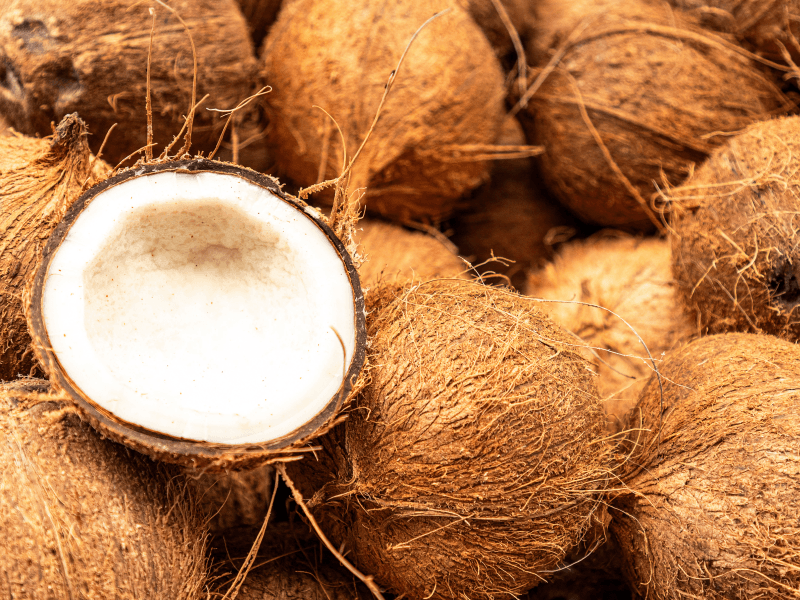
Ask the seller to choose and open the coconut safely. Harvesters use specialised skill to cut fruit from tall palms, and visitors should never attempt climbing or stand below active cutting. Tender coconut water is refreshing, but avoid exaggerated medical claims; it is a food and drink, not a guaranteed treatment. Mature coconut enters sweets, curries, oil and household processing, while husk fibre and shells may be reused in practical products.
Satkhira is also a gateway toward the Sundarbans region, but a coconut-themed trip should not confuse roadside palms with protected mangrove access. Any forest journey requires separate permits and authorised operators. Within villages, ask before entering a homestead, photographing residents or watching processing. Pay fairly for demonstrations, drinks and locally made goods, and do not pressure hosts to stage climbing.
Green coconuts are available for much of the year, with hot months making the experience especially welcome. Cyclones, heavy monsoon rain and waterlogged roads can disrupt travel, so check forecasts and local directions. Satkhira town offers the most practical local accommodation, while Khulna has stronger rated-hotel inventory but should remain a fallback because of distance. The raw beauty comes from moving slowly: palm silhouettes, shrimp-country waterways, a freshly opened coconut and conversations with people who use far more of the fruit than the water alone.
A reusable spoon and bottle reduce waste, but dispose of husks only where the seller directs. Even a simple roadside drink should leave the coastal stop cleaner than before.
Immersive Experience
No 360° Videos available
Destination Gallery
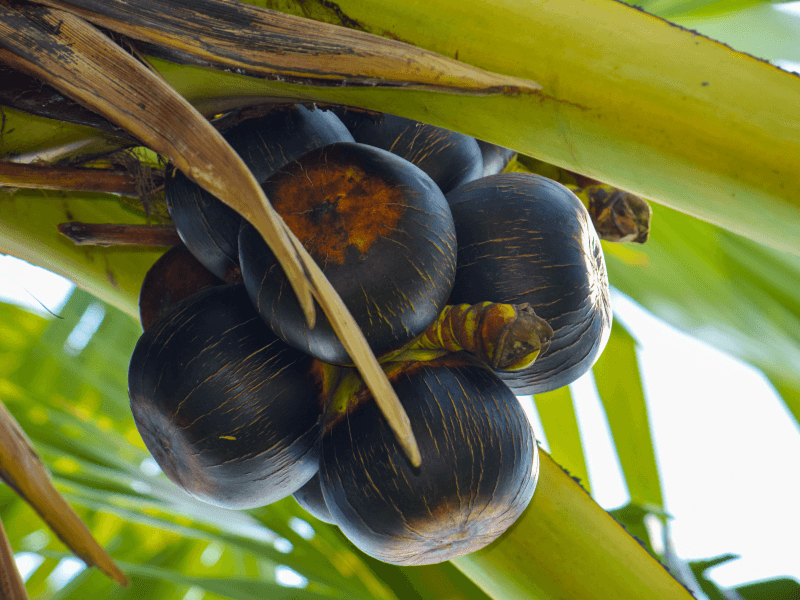
Palm Fruits in Faridpur
Look up to Faridpur's tall palmyra palms and taste summer hidden inside a dark shell.
Explore More