

Bangladesh Black Bengal Goat
A resilient indigenous breed woven into rural livelihoods across Bangladesh.
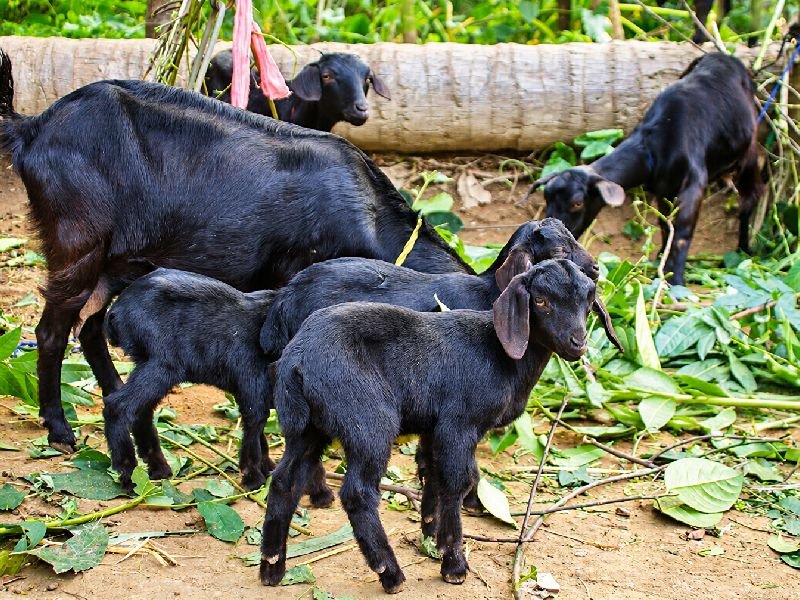
Travel beyond the highway and discover the smallholder story behind the Black Bengal goat.
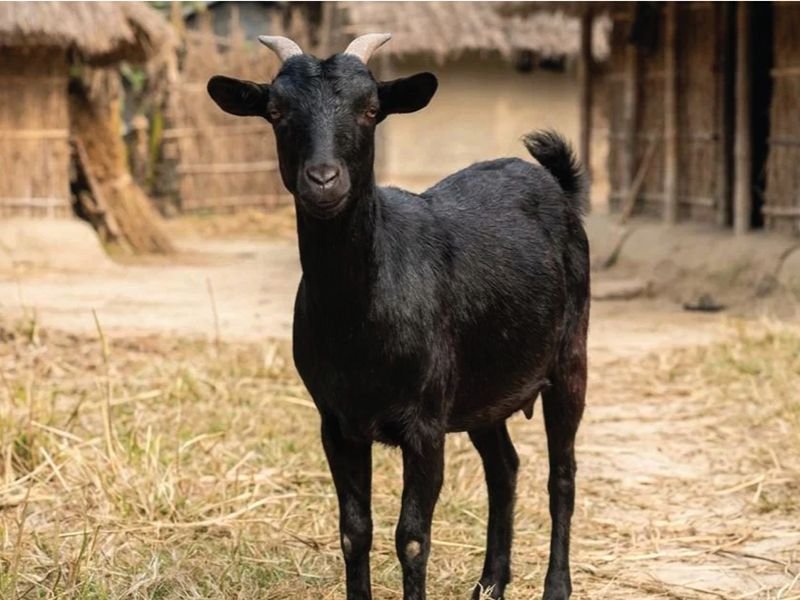
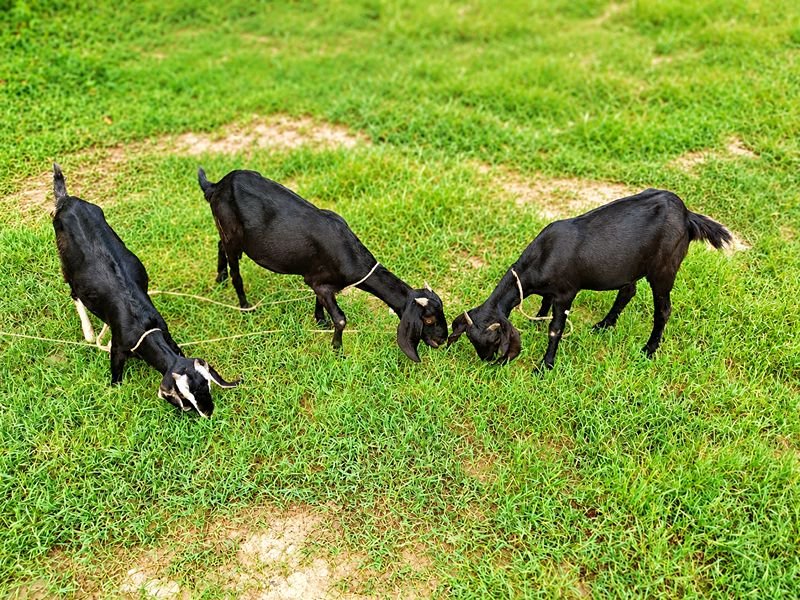
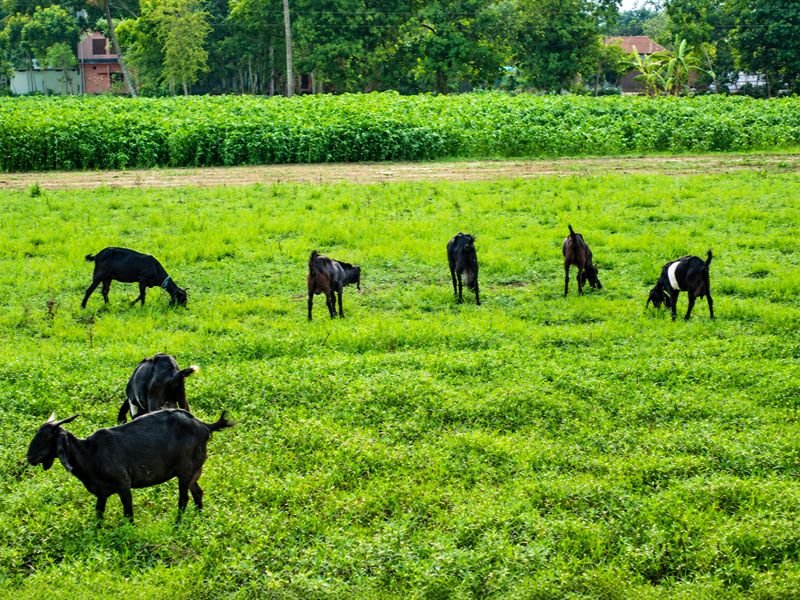
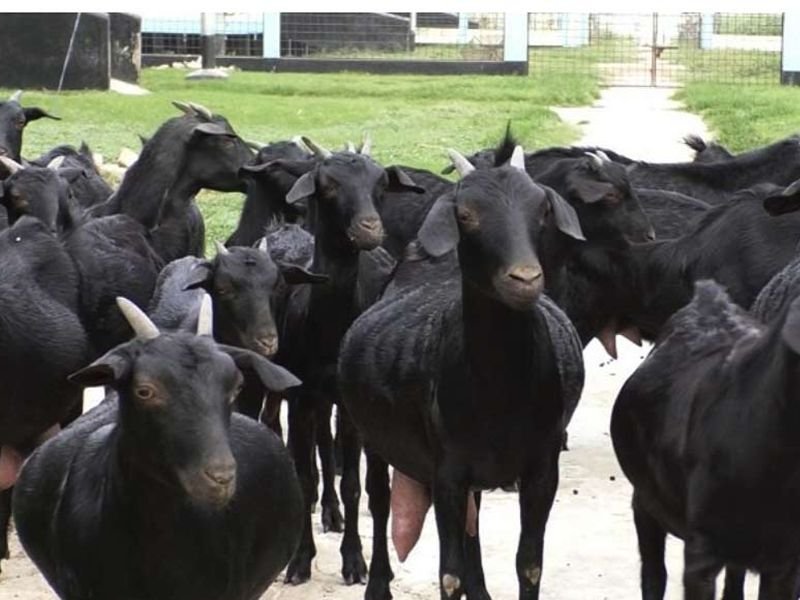
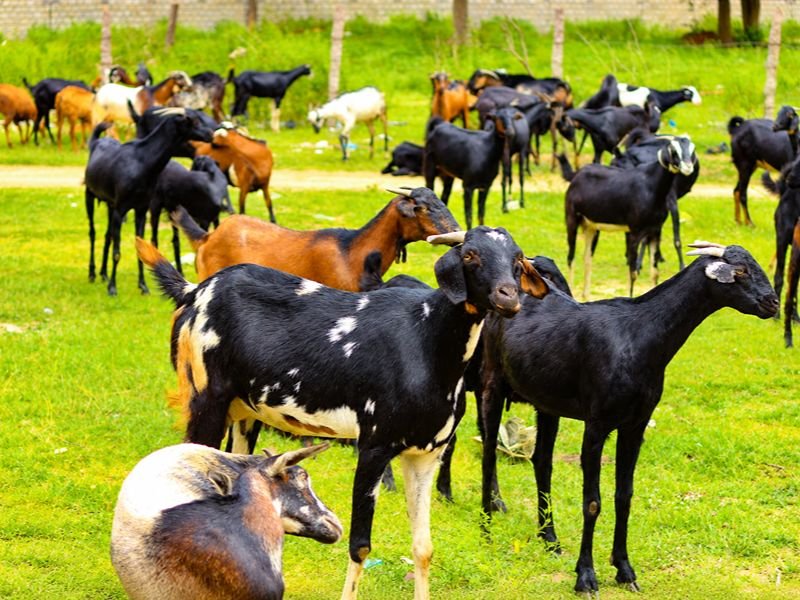
The Black Bengal goat is an indigenous breed highly valued in Bangladesh for its critical role in the rural economy and household food security. Often referred to as the poor man's cow, this breed serves as a fundamental resource for smallholder, marginal, and landless farmers, particularly women, who rely on it as a steady source of income, nutrition, and employment. As the most recognized heritage breed in the country, it comprises over 90 percent of the national goat population, thriving due to its remarkable fertility, frequent twinning, and high adaptability to hot, humid tropical environments. These goats are prized for their ability to thrive on minimal inputs, including crop waste and household scraps, which makes them uniquely suited for resource poor farming settings.
Beyond their ease of rearing, they are known for producing fine textured, flavorful meat and superior skin that is highly sought after in international leather markets. The biological efficiency of this breed is a key factor in its widespread adoption. These goats reach sexual maturity quickly, allowing farmers to see a return on their investment in a relatively short period. Because they do not require large amounts of land or specialized infrastructure, they represent a low risk, high reward enterprise for rural households. The ability of the Black Bengal goat to utilize available forage efficiently means that even the most underprivileged families can sustain a small herd. This accessibility fosters financial independence, particularly for women who manage these animals alongside their daily household duties.
By converting simple, low value vegetation into high quality animal protein and leather, these goats act as a productive bridge between raw agricultural resources and valuable market commodities. Despite their incredible utility, the industry faces practical challenges that researchers and farmers are working to address. Issues such as the prevalence of diseases like Peste des Petits Ruminants, commonly known as PPR, and relatively high kid mortality rates can sometimes affect production consistency. Furthermore, because many farmers operate on a very small, informal scale, the supply chain is often dominated by intermediaries, which can limit the profit margins for the primary producers.
Immersive Experience
No 360° Videos available
Destination Gallery
Bangladesh Ilish
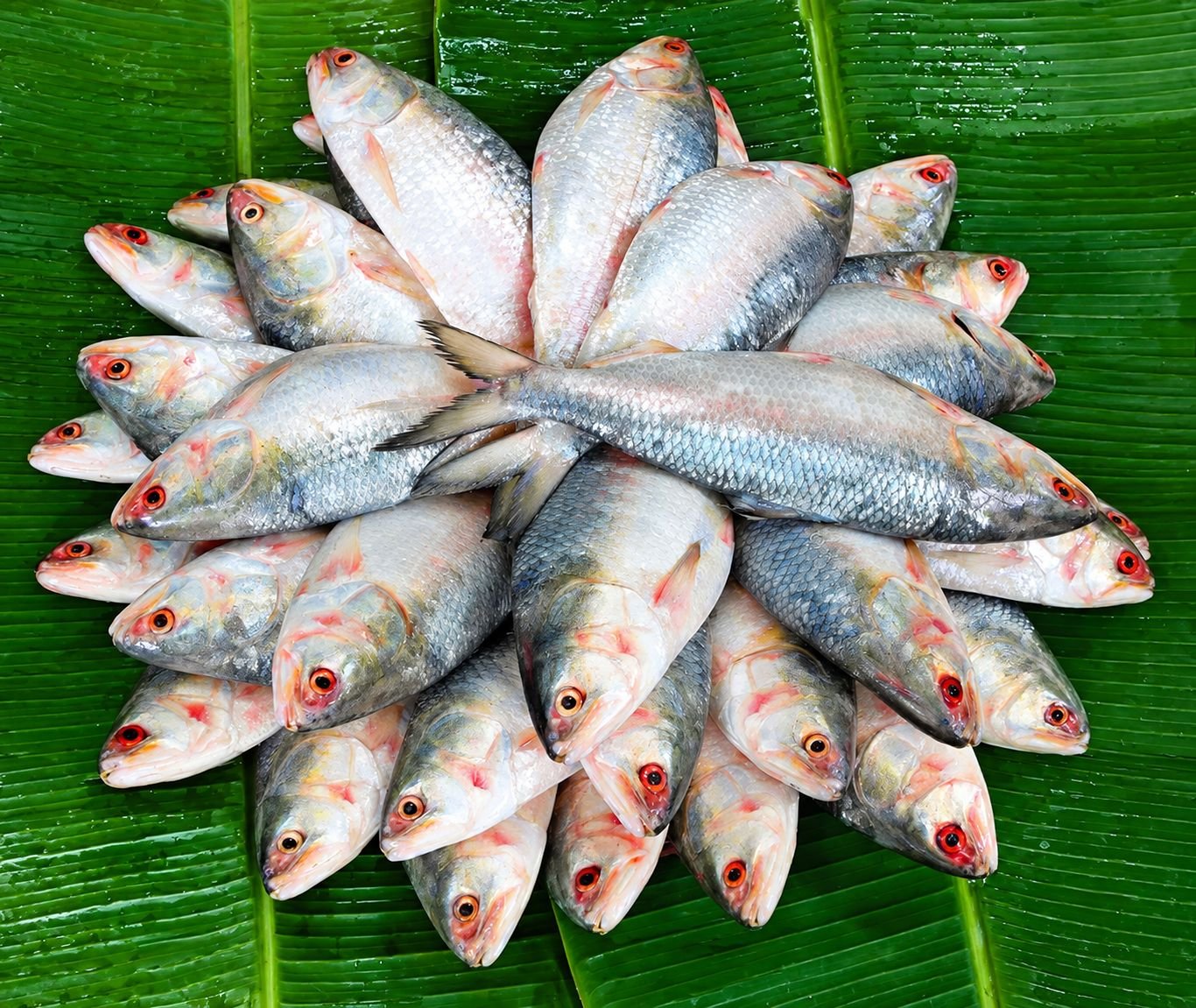
A river-and-coast flavour that carries the energy of Padma–Meghna river system, especially Chandpur to the Bengali table.
Explore More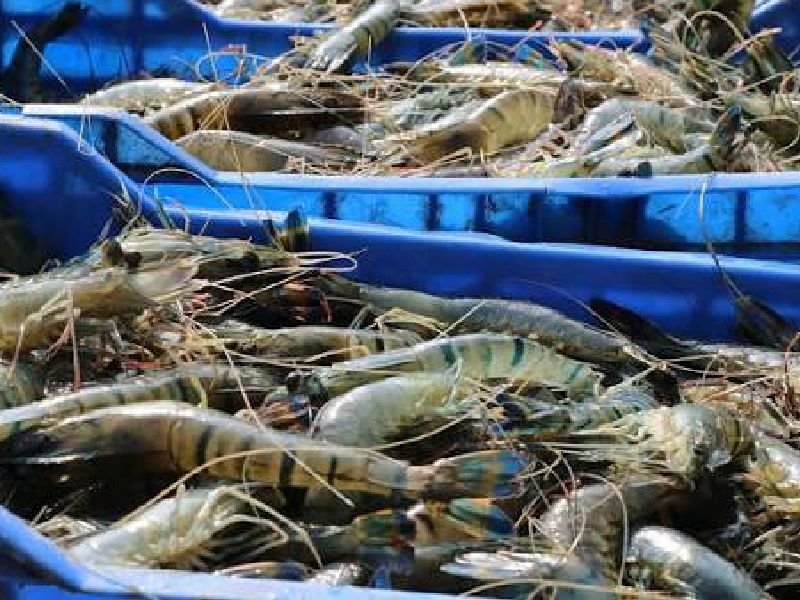
Bangladesh Bagda Shrimp
A river-and-coast flavour that carries the energy of Khulna and Satkhira coastal belt to the Bengali table.
Explore More
Bangladesh Kalijira Rice
A distinctive crop shaped by local soil, farming knowledge and the seasons of multiple rice-growing districts.
Explore More