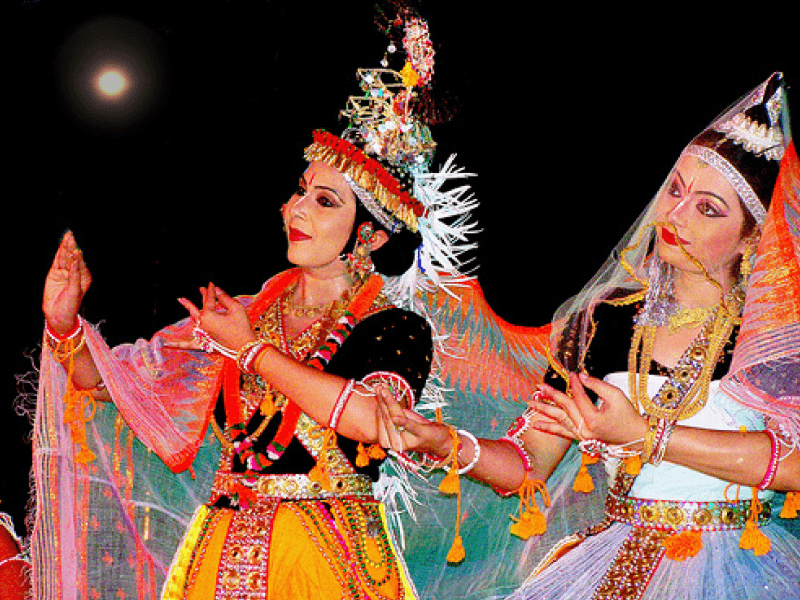
Baishabi Festival
Meet the hill New Year through Biju, Sangrai and Baisuk traditions across the Chattogram Hill Tracts
Follow flowers, food and New Year rituals into the hills—always as an invited guest.
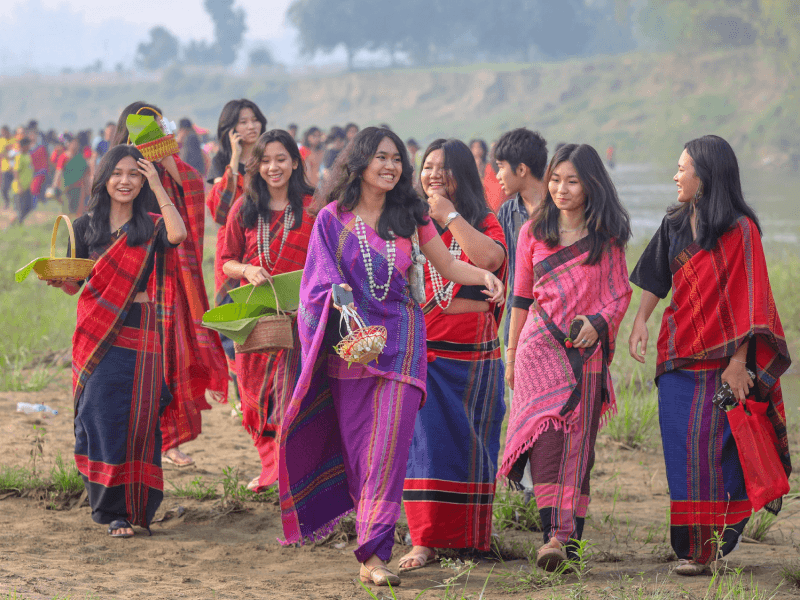
Hidden within the mist-draped, emerald canopies of the Chattogram Hill Tracts lies a cultural celebration so vivid and profound that it feels like stepping into a living, breathing work of art. Baishabi is commonly used as an umbrella name for linked New Year traditions, including Baisuk or Boishu among Tripura communities, Sangrai among Marma communities and Biju among Chakma communities.
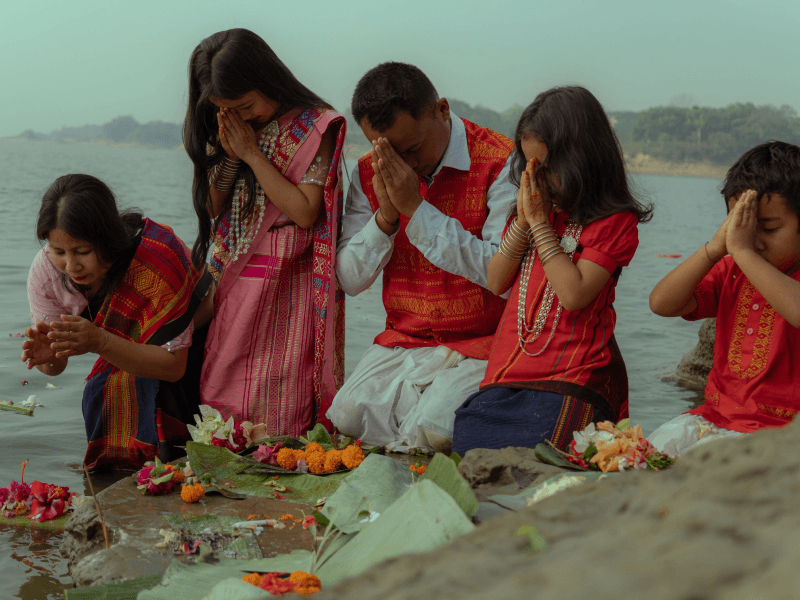
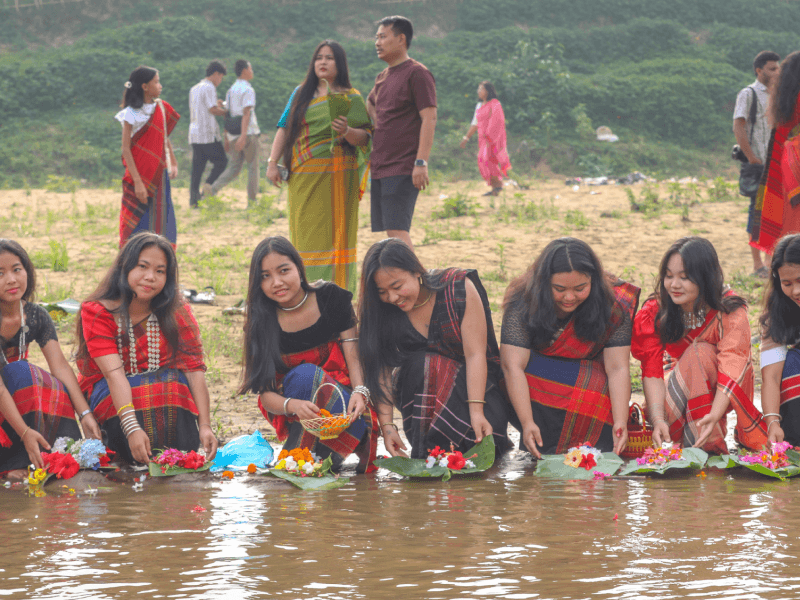
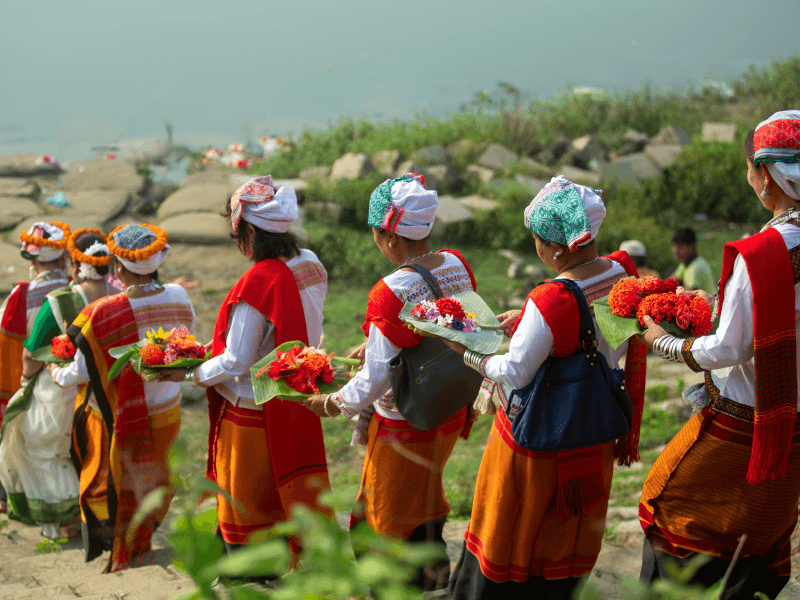
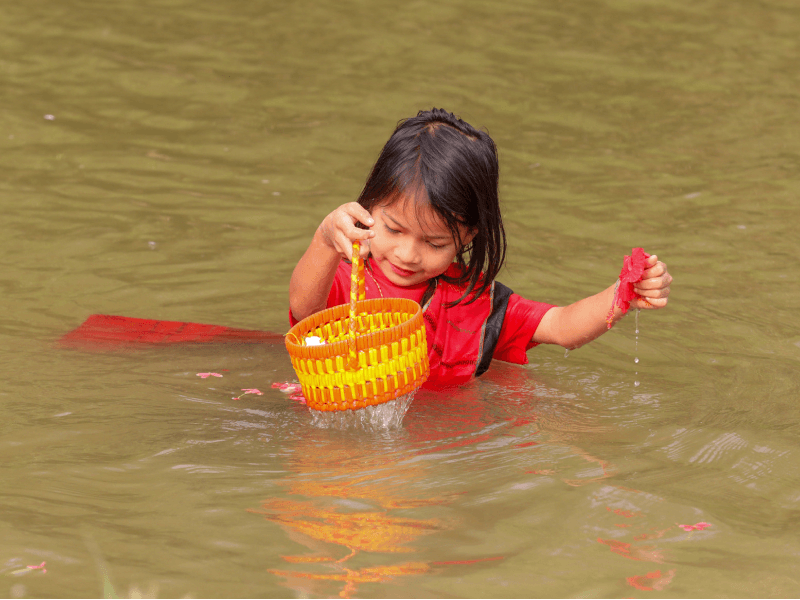
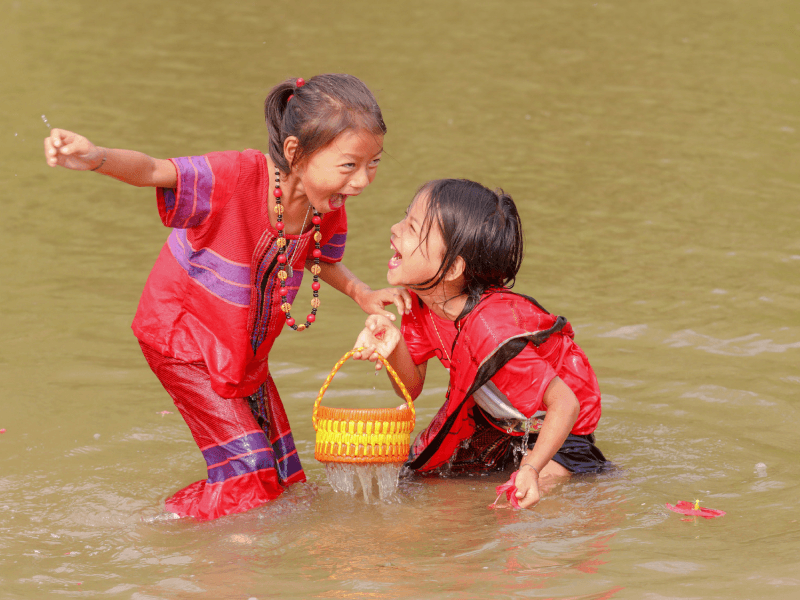
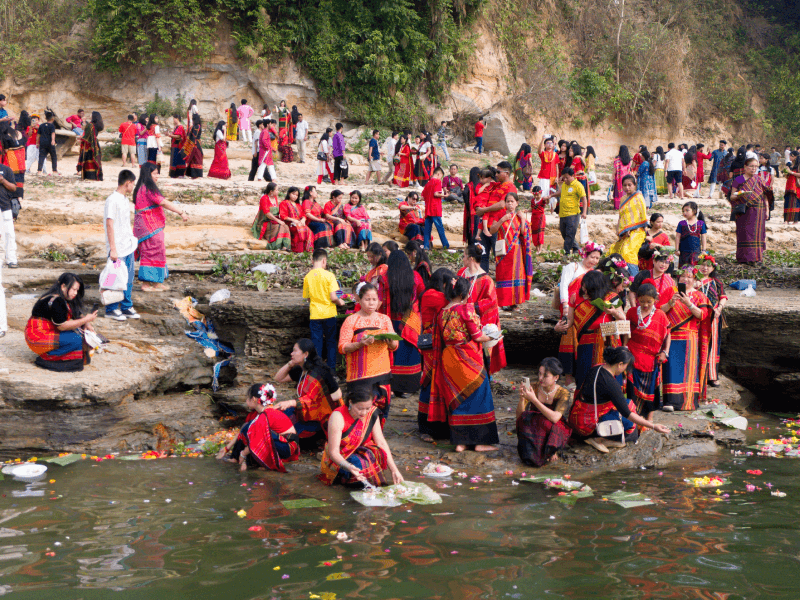
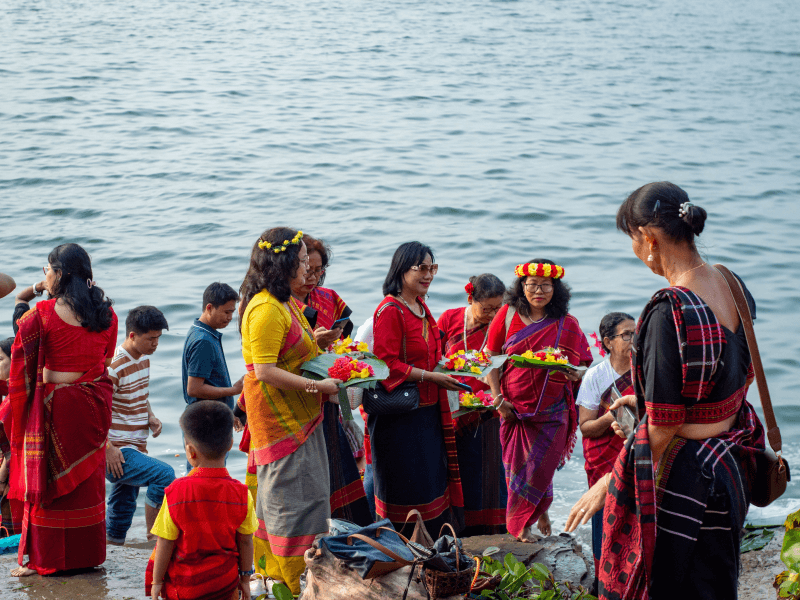
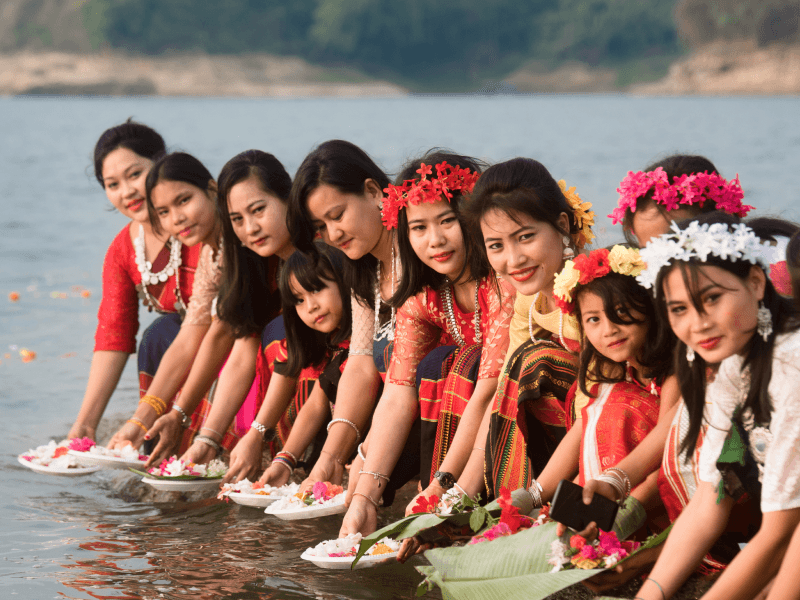
The celebrations stretch over several magical days, beginning with a deeply poetic tribute to nature. In the early hours of Phul Biju, Chakma families gather near water in hand-woven traditional dress, including pinon and haadi. Flowers are placed on the water during Phul Biju as a farewell to the old year and a welcome to the new. This breathtaking visual, symbolising a respectful farewell to the past year and a prayer for future prosperity, creates a floating river of colours that leaves onlookers completely mesmerized.
As the sun climbs higher, the serene mountain villages erupt into vibrant, joyous motion. The air is filled with the rhythmic, hypnotic beats of traditional bamboo instruments and drums. Travellers can witness captivating cultural performances, including the legendary Tripura bamboo dance, where dancers step nimbly between rapidly clapping bamboo poles with astonishing agility.
Beyond the visuals and music, Baishabi is fundamentally a celebration of open-hearted hospitality. When a host offers pajon, sharing the mixed-vegetable dish can create an intimate connection with the household and the hill New Year.
Baishabi should not flatten distinct peoples into one performance. Chakma Biju, Marma Sangrai, Tripura Baisuk and other New Year observances have their own names, sequences and hosts. Choose a publicly announced district programme or visit through a trusted community contact. Do not enter homes, river rituals or village courtyards without invitation, and never treat traditional dress as a photo prop. In Rangamati, Bandarban and Khagrachhari, transport, accommodation and permissions can change. Buy weaving directly from identified makers, ask before tasting household food and allow local voices to explain what the ritual means.
Immersive Experience
No 360° Videos available
Destination Gallery
Jalkeli Festival
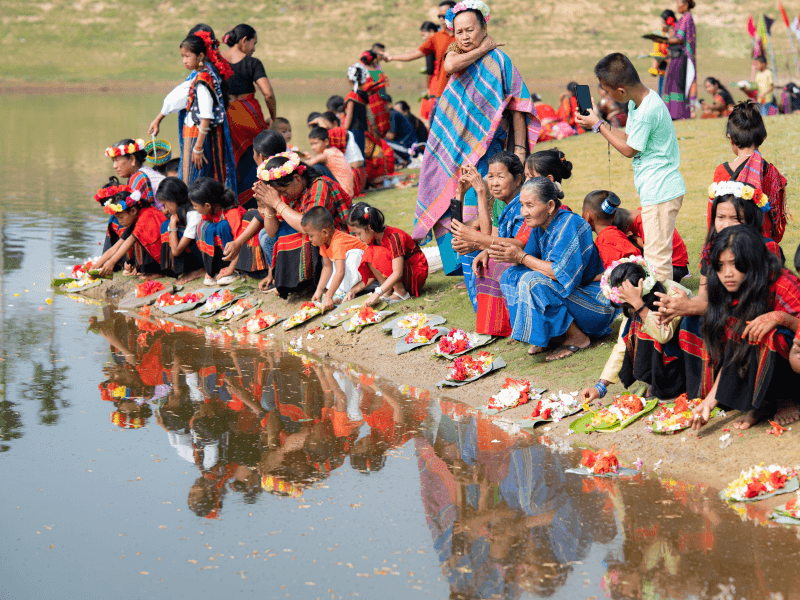
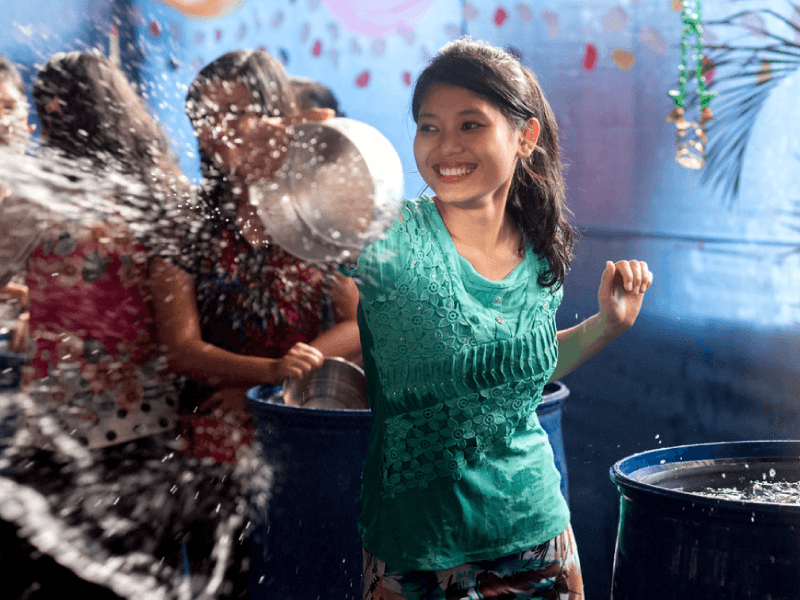
Enter mid-April water celebrations where Marma Sangrai and Rakhine New Year traditions renew community life
Explore More